
The Role of Proprioception in Movement Control and Balance Stability
Proprioception represents the body's inherent capacity to perceive its position, motion, and the force exerted by its various parts without relying on visual input or external cues. This sophisticated internal sensory system is often referred to as the "sixth sense" because it operates largely unconsciously, providing continuous feedback from muscles, tendons, ligaments, and joints to the central nervous system. It is a fundamental component of coordinated movement, enabling individuals to navigate their environment, maintain posture, and execute complex motor tasks with precision and fluidity. From the simple act of standing upright to the intricate movements of an athlete, proprioception plays a silent yet essential role in shaping physical interaction with the world. This article explores the definition, mechanisms, importance, influencing factors, and methods of maintaining proprioceptive awareness, highlighting its pervasive impact on everyday function and specialized activities.
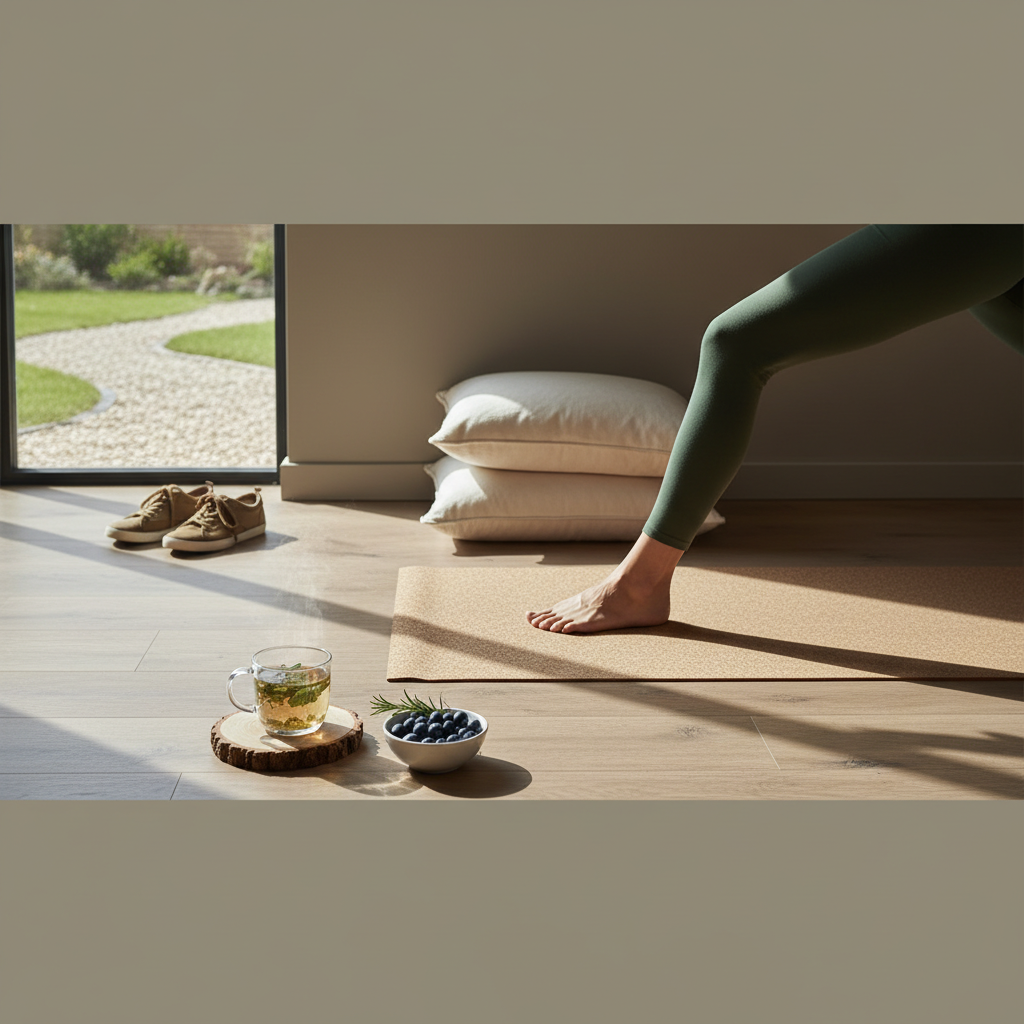
What is Proprioception?
Proprioception is a form of somatosensation, specifically the sense of self-movement and body position. It differs from exteroception, which involves external stimuli such as touch, sight, and hearing, and interoception, which relates to the internal state of the body's organs. Proprioception provides real-time information about the relative positions of body parts, the direction and velocity of limb movements, and the tension within muscles and tendons. This continuous feedback loop allows for precise motor control and contributes significantly to one's spatial awareness.
Sensory Receptors (Proprioceptors)
The specialized sensory receptors responsible for proprioception are known as proprioceptors. These mechanoreceptors are located throughout the musculoskeletal system, particularly in muscles, tendons, ligaments, and joint capsules. Three primary types of proprioceptors contribute to this sense:
- Muscle Spindles: Located within muscle fibers, muscle spindles detect changes in muscle length and the rate at which those changes occur. They transmit information about muscle stretch, which is crucial for regulating muscle tone and initiating reflexes that prevent overstretching.
- Golgi Tendon Organs (GTOs): Situated at the junction between muscles and tendons, GTOs monitor muscle tension. When tension in the tendon increases, GTOs send signals to the central nervous system, helping to prevent excessive force generation and potentially inhibiting muscle contraction to protect the muscle and tendon from injury.
- Joint Receptors: Found within the joint capsules and ligaments, these receptors respond to mechanical deformation, such as pressure, stretch, and movement. They provide information about joint position, movement, and the limits of joint range of motion.
The Mechanisms of Proprioception
The information gathered by proprioceptors is transmitted via sensory nerves to the central nervous system (CNS), specifically to the spinal cord, cerebellum, and cerebral cortex. The spinal cord processes some of this information for reflex actions, while the cerebellum integrates it with vestibular (balance) and visual inputs to coordinate complex movements and maintain equilibrium. The cerebral cortex, particularly the somatosensory cortex, processes the conscious awareness of body position and movement.
This intricate process involves a constant feedback loop. When a movement is initiated, proprioceptors send signals to the CNS. The CNS interprets these signals, compares them to intended movement patterns, and then sends refined motor commands back to the muscles. This continuous exchange of sensory input and motor output allows for fine-tuning of movements, adaptation to changing conditions, and the execution of highly coordinated actions without conscious deliberation.
Proprioception's Importance in Daily Life
Proprioception is indispensable for a wide range of daily activities, many of which are performed without conscious thought. Its influence extends to fundamental aspects of physical function:
Postural Stability
Maintaining an upright posture, whether standing or sitting, relies heavily on proprioceptive input. The body constantly makes micro-adjustments to counteract gravity and maintain balance, a process largely guided by the unconscious feedback from proprioceptors. This allows individuals to remain stable even on uneven surfaces or during unexpected disturbances.
Coordinated Movement
From walking and running to reaching for an object or writing, all coordinated movements require precise knowledge of limb positions and the forces generated by muscles. Proprioception enables the smooth, fluid execution of these actions by providing the CNS with the necessary spatial and temporal information to orchestrate muscle contractions.
Motor Learning and Skill Acquisition
When learning new motor skills, such as playing a musical instrument, riding a bicycle, or performing a specific sports technique, proprioception is crucial. It allows the individual to sense and refine their movements, making adjustments based on internal feedback until the desired action becomes automatic and efficient.
Injury Prevention
Proprioceptive awareness contributes to the body's ability to react to sudden or unexpected movements, helping to prevent falls, sprains, or other injuries. For instance, if an ankle begins to turn, the proprioceptors in the joint quickly send signals that trigger a protective muscle contraction to stabilize the joint before significant damage occurs.
Factors Influencing Proprioceptive Function
Several factors can impact the efficiency and accuracy of proprioceptive function:
- Aging: As individuals age, a natural decline in proprioceptive acuity often occurs. This can contribute to decreased balance, increased risk of falls, and a general reduction in motor control.
- Injury: Damage to joints, ligaments, muscles, or tendons can impair the function of proprioceptors in the affected area. This is why rehabilitation after an injury often includes exercises specifically designed to restore proprioceptive input.
- Neurological Conditions: Diseases or conditions affecting the central or peripheral nervous system, such as multiple sclerosis, Parkinson's disease, or nerve damage, can disrupt the pathways that transmit or process proprioceptive information, leading to significant deficits in movement control and balance.
- Fatigue: Physical and mental fatigue can temporarily reduce proprioceptive awareness and reaction times, potentially increasing the risk of missteps or uncoordinated movements.
Developing and Maintaining Proprioceptive Awareness
Approaches to developing and maintaining proprioceptive awareness typically involve activities that challenge the body's balance, coordination, and spatial perception. These activities aim to enhance the sensitivity of proprioceptors and improve the CNS's ability to process and utilize proprioceptive feedback.
Balance Exercises
Activities such as standing on one leg, walking heel-to-toe, or utilizing unstable surfaces like wobble boards or balance beams require continuous small adjustments to maintain equilibrium. These exercises directly engage and train the proprioceptive system, prompting the body to rely more heavily on internal feedback.
Closed-Chain Exercises
In closed-chain exercises, the distal segment of a limb (e.g., hand or foot) remains fixed or in contact with a surface. Examples include squats, lunges, and push-ups. These movements often generate greater joint compression and muscle tension, which can enhance proprioceptive input from multiple receptors simultaneously.
Specific Movement Drills
Activities that demand precise coordination and spatial awareness, such as agility drills, specific sports movements, or dance, can contribute to the refinement of proprioceptive skills. These drills require the body to execute rapid changes in direction, speed, and position, thereby challenging the proprioceptive system to provide accurate and timely feedback.
Regular Physical Activity
Engaging in a consistent regimen of diverse physical activities, including walking, cycling, swimming, or strength training, generally supports the health and responsiveness of the proprioceptive system. A varied exercise routine can ensure that different muscle groups and joints receive regular proprioceptive stimulation.
Proprioception in Specific Contexts
Proprioception's significance is particularly evident in specialized fields:
Athletic Performance
Athletes rely extensively on highly refined proprioception for optimal performance. Precise body awareness is essential for agility, speed, power, and reaction time in sports. Enhanced proprioception allows athletes to make subtle adjustments to their movements, maintain balance during dynamic actions, and respond effectively to unpredictable situations.
Rehabilitation
In physical rehabilitation, particularly following musculoskeletal injuries, restoring proprioceptive function is a critical component. Injuries, especially to ligaments and joints, can compromise the proprioceptors in the affected area. Rehabilitation programs often incorporate specific proprioceptive exercises to help re-establish joint stability, improve neuromuscular control, and restore confident movement patterns.
The Interplay with Other Senses
While proprioception provides internal feedback, it does not operate in isolation. It works synergistically with other sensory systems, primarily the visual and vestibular systems, to provide a comprehensive understanding of the body's position and movement in space.
Vision
Visual input offers external reference points, helping to orient the body within its environment. When visual cues are removed, such as in darkness or with closed eyes, individuals often find it more challenging to maintain balance, underscoring vision's supportive role in proprioceptive processes.
Vestibular System
The vestibular system, located in the inner ear, detects head position and motion in relation to gravity. It provides crucial information about linear and angular acceleration, which is vital for maintaining balance and gaze stability. The integration of proprioceptive and vestibular information by the cerebellum is fundamental for coordinated head and body movements.
Disclaimer
The information provided in this article is for general knowledge and informational purposes only, and does not constitute medical advice. It is not intended to be a substitute for professional medical advice, diagnosis, or treatment. Always consult with a qualified healthcare professional regarding any medical conditions or before making any decisions related to your health or well-being.
Conclusion
Proprioception is a fundamental sensory system that underpins nearly every physical interaction with the environment. It provides the body with its internal compass, enabling individuals to perform both simple and complex movements with precision, maintain balance, and adapt to changing conditions. A deeper understanding of proprioception reveals its silent yet pervasive impact on daily function, athletic prowess, and the recovery process from injury, highlighting its integral role in overall physical well-being.
More from wellness
The Critical Link Between Temperature and Restorative Sleep
Understanding how body and room temperature impact sleep is crucial for improving rest. This article explores the science behind temperature regulation and offers practical strategies for creating an ideal sleep environment, leading to more restorative nights.
Optimizing Your Workspace: Ergonomic Principles for Comfort and Well-being
Discover essential ergonomic principles to optimize your workspace, preventing discomfort and promoting long-term health. Learn how proper chair, desk, and monitor setups can enhance your daily well-being and productivity.

Simple Self-Massage Techniques for Everyday Muscle Tension Relief
Discover accessible self-massage techniques to alleviate daily muscle tension and foster relaxation. Learn how to address common areas of discomfort using only your hands or simple tools, enhancing your overall well-being with practical, at-home methods.

The Physiological and Metabolic Contributions of Consistent Non-Exercise Physical Activity
Non-exercise activity thermogenesis (NEAT) involves the energy expended through daily movements not classified as structured exercise. This article explores the physiological and metabolic mechanisms through which consistent, incidental physical activity impacts overall health and wellness.