
Cultivating Restorative Sleep: Essential Practices for Enhanced Well-being
Sleep, often perceived merely as a period of inactivity, is a fundamental pillar of human health and well-being. Far from being a dormant state, sleep is an intricate biological process crucial for physical restoration, cognitive function, emotional regulation, and metabolic health. In an increasingly demanding world where chronic sleep deprivation is prevalent, understanding and implementing effective sleep hygiene practices has become more critical than ever. Restorative sleep is not merely about the quantity of hours spent in bed but about the quality and efficiency of that sleep, enabling the body and mind to repair, consolidate memories, and prepare for the day ahead. This article explores comprehensive strategies and actionable steps individuals can integrate into their daily lives to foster optimal sleep hygiene, thereby enhancing overall health and cultivating a deeper sense of well-being.

Understanding Sleep Hygiene
Sleep hygiene refers to a set of practices and habits that are necessary for having good nighttime sleep quality and full daytime alertness. It encompasses both behavioral and environmental components designed to promote consistent, uninterrupted sleep. Poor sleep hygiene can manifest in various ways, including difficulty falling asleep, frequent awakenings, unrefreshing sleep, and daytime fatigue. Conversely, diligently practicing good sleep hygiene can significantly improve sleep quality, which in turn positively impacts mood, concentration, immune function, and overall physical health. It is not a one-time fix but an ongoing commitment to routines and environments conducive to rest.
Key Pillars of Effective Sleep Hygiene
Achieving restorative sleep involves a multifaceted approach, addressing various aspects of daily life and the immediate sleep environment. Each pillar plays a crucial role in preparing the body and mind for rest.
Establishing a Consistent Sleep Schedule
One of the most powerful tools for improving sleep is maintaining a consistent sleep-wake schedule. The human body operates on a natural internal clock, known as the circadian rhythm, which regulates sleep and wakefulness over a 24-hour period. Disrupting this rhythm, such as through irregular bedtimes or wake-up times, can confuse the body and make it harder to fall asleep and wake up naturally. Individuals are advised to aim for the same bedtime and wake-up time every day, including weekends, to help regulate their circadian rhythm. While this may require initial discipline, the body will eventually adapt, making it easier to fall asleep and wake up feeling refreshed. If occasional naps are necessary, they should be kept short (20-30 minutes) and taken earlier in the afternoon to avoid interfering with nighttime sleep.
Optimizing the Sleep Environment
The bedroom environment plays a significant role in sleep quality. Creating a sanctuary for sleep involves several considerations:
- Darkness: Exposure to light, especially blue light from electronic devices, can suppress melatonin production, a hormone essential for sleep. The sleep environment should be as dark as possible. Blackout curtains, eye masks, and turning off all light-emitting devices are effective strategies.
- Quietness: Noise can disrupt sleep, even if it does not fully awaken an individual. Earplugs, white noise machines, or sound-muffling techniques can help create a quieter sleep space. Consistent background noise, such as that from a fan or specialized sound machine, can be more effective than silence for some individuals.
- Temperature: The ideal temperature for sleep generally ranges between 60-67 degrees Fahrenheit (15-19 degrees Celsius). A cooler room signals to the body that it is time to rest. Overly warm or cold temperatures can lead to discomfort and restless sleep. Ensuring proper ventilation and using appropriate bedding can help regulate body temperature.
- Comfort: A comfortable mattress and pillows are essential for physical comfort and support. These items should be replaced when they no longer provide adequate support or show signs of wear. The bedding materials should also be breathable and comfortable against the skin.
Dietary and Lifestyle Adjustments
What individuals consume and how they spend their day significantly impact their ability to sleep well at night.
- Caffeine and Nicotine: Both are stimulants that can interfere with sleep, even when consumed hours before bedtime. Individuals should limit or avoid caffeine and nicotine, particularly in the late afternoon and evening.
- Alcohol: While alcohol might initially induce drowsiness, it disrupts sleep architecture later in the night, leading to fragmented and less restorative sleep. Moderation and avoidance close to bedtime are recommended.
- Heavy Meals: Eating large, heavy meals close to bedtime can lead to indigestion and discomfort, making it difficult to fall asleep. A light snack a few hours before bed, if needed, is preferable.
- Regular Exercise: Engaging in regular physical activity can significantly improve sleep quality. However, intense exercise too close to bedtime can be stimulating. It is generally recommended to complete vigorous workouts at least a few hours before sleep.
- Hydration: Staying adequately hydrated throughout the day is important, but individuals should reduce fluid intake in the hours leading up to bedtime to minimize nighttime awakenings for restroom visits.
Mindfulness and Pre-Sleep Routines
Creating a relaxing bedtime routine signals to the body and mind that it is time to wind down. This routine should be consistent and performed nightly.
- Relaxation Techniques: Activities such as reading a physical book, taking a warm bath, listening to calming music, or practicing gentle stretching or yoga can promote relaxation. Mindfulness meditation or deep breathing exercises can also calm an overactive mind.
- Journaling: For individuals whose minds race with thoughts or worries before bed, journaling can be an effective way to offload these thoughts, helping to clear the mind for sleep.
- Avoiding Stimulating Activities: Engaging in stressful discussions, working, or watching exciting movies or TV shows close to bedtime can activate the sympathetic nervous system, making it harder to relax and fall asleep.
Managing Screen Time and Digital Devices
In the digital age, managing screen time before bed is a critical component of sleep hygiene. Electronic devices such as smartphones, tablets, computers, and televisions emit blue light, which can disrupt the body's natural production of melatonin. The stimulating content often consumed on these devices can also keep the mind alert.
- Digital Detox: It is advisable to power down all electronic devices at least one to two hours before bedtime. This allows the body to naturally produce melatonin and the mind to unwind without digital stimulation.
- Blue Light Filters: While not a complete substitute for avoiding screens, using blue light filtering apps or glasses can mitigate some of the negative effects if device use is unavoidable in the evening.
- Charging Devices Away from the Bed: Keeping phones and other devices out of arm's reach can reduce the temptation to check notifications or engage with stimulating content late at night.
Addressing Common Sleep Disruptors
Beyond general hygiene, specific issues can significantly impede sleep. Stress and anxiety are primary culprits, often leading to racing thoughts that prevent sleep onset. Techniques such as progressive muscle relaxation, guided imagery, or cognitive behavioral therapy for insomnia (CBT-I) can be effective. Physical pain, if present, requires management through appropriate medical consultation. Environmental factors, as previously discussed, such as light, noise, and temperature, must be meticulously controlled. Certain medical conditions, including sleep apnea, restless legs syndrome, or chronic pain, can also severely disrupt sleep and necessitate professional medical evaluation and treatment. Addressing these specific disruptors is an integral part of achieving sustained improvements in sleep quality.
When to Seek Professional Guidance
While good sleep hygiene practices can significantly improve sleep for many individuals, there are instances when professional medical advice is warranted. If an individual consistently experiences severe difficulty falling or staying asleep, chronic daytime fatigue despite practicing good sleep hygiene, or suspects an underlying medical condition like sleep apnea, consulting a healthcare professional is crucial. A doctor can rule out or diagnose sleep disorders, provide personalized recommendations, and discuss appropriate treatment options, which may include medication, specialized therapies, or lifestyle interventions beyond general sleep hygiene. Sleep specialists can offer comprehensive evaluations and tailored plans to address complex sleep issues.
Disclaimer: The information provided in this article is for general knowledge and informational purposes only, and does not constitute medical advice. It is essential to consult with a qualified healthcare professional for any health concerns or before making any decisions related to your health or treatment.
Cultivating restorative sleep is an active process that requires consistent effort and attention to daily habits and environmental factors. By meticulously implementing the pillars of effective sleep hygiene—establishing a consistent schedule, optimizing the sleep environment, making thoughtful dietary and lifestyle adjustments, integrating mindfulness into pre-sleep routines, and consciously managing screen time—individuals can significantly enhance the quality and depth of their rest. Prioritizing sleep is not merely about achieving more hours in bed; it is about investing in a foundational aspect of health that underpins physical vitality, mental acuity, and emotional resilience, ultimately leading to a more fulfilling and energetic life. The journey toward optimal sleep is a commitment to overall well-being. It is a commitment worth making.
More from wellness

The Critical Link Between Temperature and Restorative Sleep
Understanding how body and room temperature impact sleep is crucial for improving rest. This article explores the science behind temperature regulation and offers practical strategies for creating an ideal sleep environment, leading to more restorative nights.
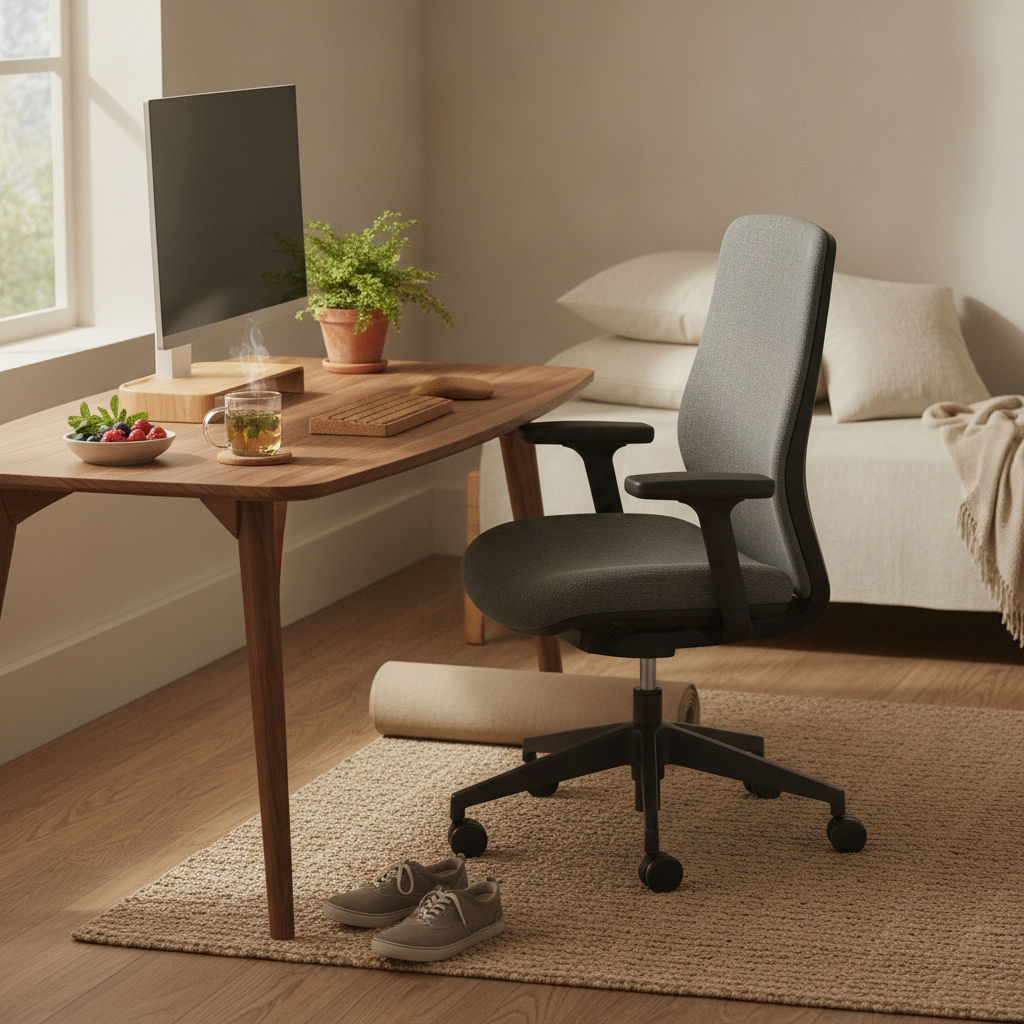
Optimizing Your Workspace: Ergonomic Principles for Comfort and Well-being
Discover essential ergonomic principles to optimize your workspace, preventing discomfort and promoting long-term health. Learn how proper chair, desk, and monitor setups can enhance your daily well-being and productivity.

Simple Self-Massage Techniques for Everyday Muscle Tension Relief
Discover accessible self-massage techniques to alleviate daily muscle tension and foster relaxation. Learn how to address common areas of discomfort using only your hands or simple tools, enhancing your overall well-being with practical, at-home methods.

The Role of Proprioception in Movement Control and Balance Stability
Proprioception is the body's internal sense of its position, movement, and exerted force. This fundamental sensory system is crucial for coordinated motion, maintaining postural control, and achieving equilibrium in daily activities.