
From Intention to Routine: Harnessing Habit Science for Lasting Fitness
Many individuals embark on fitness journeys with enthusiasm, only to find their motivation wane and their routines falter over time. The aspiration for regular physical activity is common, yet transforming this intention into a sustained, effortless habit remains a significant hurdle for many. This challenge is not merely a matter of willpower; it is deeply rooted in the intricate mechanisms of human behavior and habit formation. Understanding the underlying science behind how habits are built can provide a robust framework for integrating consistent movement into daily life, shifting the focus from sporadic effort to an ingrained routine that supports long-term well-being. By dissecting the components of habit creation, individuals can strategically design their fitness pursuits to foster endurance rather than rely solely on fleeting bursts of motivation. This approach leverages an understanding of how the brain automates actions, making consistent physical activity a seamless part of daily existence rather than a constant battle of conscious choice.

Understanding the Habit Loop
Habits are automatic behaviors triggered by specific cues, performed without much conscious thought. Charles Duhigg's work in The Power of Habit popularized the concept of the "habit loop," which consists of three core components: the cue, the routine, and the reward. Recognizing these elements within the context of fitness is foundational to intentionally building sustainable movement patterns.
The Cue: Triggering Action
Every habit begins with a cue, a trigger that tells the brain to go into automatic mode and which habit to use. For fitness, a cue could be anything from a specific time of day, a particular location, an emotional state, or the completion of another action. Effective cues are consistent and specific, signaling the brain that it is time to engage in the desired physical activity. For example, the sound of an alarm in the morning could be a cue for an early workout, or putting on running shoes by the door could signal the start of a run. Identifying existing cues in one's daily life or intentionally creating new ones that can reliably prompt movement is a critical first step.
The Routine: The Action Itself
The routine is the behavior itself – the physical activity one wishes to make habitual. This could be a morning jog, a set of stretches, a gym visit, or even a short walk during a lunch break. The key to establishing a fitness routine is to make it as easy and accessible as possible, particularly in the early stages. Reducing friction and removing barriers to participation increases the likelihood of consistent execution. This might involve choosing a workout location that is convenient, selecting an activity that is genuinely enjoyable, or starting with a duration or intensity that feels manageable rather than overwhelming.
The Reward: Reinforcing the Behavior
The reward is the positive outcome that follows the routine, reinforcing the habit loop and making the brain want to repeat the behavior in the future. Rewards can be extrinsic, such as a post-workout smoothie or a new piece of workout gear, but intrinsic rewards are often more powerful for long-term habit formation. Intrinsic rewards include feelings of accomplishment, increased energy, reduced stress, improved mood, or a sense of physical strength and capability. The brain seeks these positive feelings, and linking physical activity directly to these desirable outcomes strengthens the neural pathways associated with the habit, making it more likely to become automatic over time.
Strategies for Building Fitness Habits
Applying the habit loop framework effectively requires specific strategies designed to cultivate and cement new fitness behaviors. These methods focus on making the desired actions more probable and satisfying.
Start Small and Specific: The Power of Micro-Habits
One of the most effective strategies is to begin with incredibly small, almost insignificant, actions. Rather than aiming for an hour-long gym session daily, an individual might start with one push-up, five minutes of walking, or a single stretch. These micro-habits are so easy to perform that they require minimal willpower, making them difficult to skip. The goal is not the immediate physical benefit but rather the consistency of showing up and reinforcing the cue-routine-reward loop. Over time, as the small habit becomes ingrained, it can be gradually expanded upon, leading to substantial progress without the initial intimidation of a large goal.
Stack Your Habits: Leveraging Existing Routines
Habit stacking involves attaching a new habit to an existing, well-established one. This strategy leverages the power of an existing cue to trigger the new desired behavior. The formula is often expressed as: "After [current habit], I will [new habit]." For instance, after making morning coffee, an individual might perform ten squats. Or, after brushing teeth, they might do five minutes of stretching. By linking new fitness actions to established routines, the brain does not need to expend extra energy to remember when or how to initiate the new behavior, streamlining the habit formation process.
Design Your Environment: Making Good Choices Easier
The environment plays a significant role in habit formation. Modifying one's surroundings to make desired fitness behaviors more accessible and undesired behaviors less so can dramatically increase success. This might involve laying out workout clothes the night before, keeping a water bottle visible on a desk, placing resistance bands near a television, or choosing a walking route that passes a park. Conversely, removing temptations, such as unhealthy snacks, can also support overall wellness goals. A well-designed environment acts as a constant, subtle cue, nudging an individual towards their fitness objectives.
Plan for Obstacles: Anticipating and Adapting
No habit-building journey is without its challenges. Anticipating potential obstacles and proactively developing strategies to overcome them is crucial. This involves considering common barriers like lack of time, fatigue, bad weather, or travel and formulating "if-then" plans. For example, "If I am too tired for my usual run, then I will do a 15-minute stretching routine instead." Or, "If it rains, then I will use the exercise bike indoors." These contingency plans prevent a single missed day from derailing an entire routine and help maintain momentum even when circumstances are not ideal.
Track Progress and Celebrate Milestones: Visualizing Success
Seeing progress can be a powerful motivator. Tracking fitness activities, whether through a journal, an app, or a simple calendar, provides visual evidence of consistency and effort. This tracking can also serve as a form of reward, offering a sense of accomplishment. Furthermore, acknowledging and celebrating small milestones, not just major achievements, reinforces the positive association with the routine. This could be reaching a certain number of consistent days, increasing repetitions, or simply showing up when motivation was low. These celebrations provide positive feedback, strengthening the habit loop.
Cultivate Intrinsic Motivation: Finding Your Why
While external rewards can initiate a habit, intrinsic motivation is often the driving force behind its long-term sustainability. Understanding the deeper reasons for engaging in physical activity—whether it is for improved health, enhanced mental clarity, increased energy, or the ability to participate in activities with loved ones—can provide a powerful internal compass. Regularly reflecting on these personal values and how fitness contributes to them helps to sustain commitment even when the initial novelty wears off. When an activity aligns with one's core values, it becomes less of a chore and more of a meaningful pursuit.
The Role of Consistency and Patience
Habit formation is a process that requires both consistency in action and patience with oneself. It is rarely a linear progression and often involves setbacks.
Overcoming Setbacks: The "Never Miss Twice" Rule
One of the most critical principles for maintaining new habits is the "never miss twice" rule. It acknowledges that missing a day is an inevitable part of life, but missing two days in a row can significantly increase the likelihood of abandoning the habit altogether. If a workout is missed, the focus shifts to ensuring the next scheduled session is completed. This rule helps prevent a single slip-up from escalating into a complete cessation of the routine, maintaining momentum and rebuilding consistency quickly.
The Timeframe for Habit Formation: Debunking Myths
The popular notion that it takes "21 days" to form a habit is largely a myth. Research, notably a study by Phillippa Lally and colleagues published in the European Journal of Social Psychology, suggests that the time it takes for a behavior to become automatic can vary widely, from 18 days to 254 days, with an average of 66 days. This significant variability underscores the importance of patience and persistence. Rather than focusing on a fixed number of days, individuals should focus on consistent effort and the gradual reduction of conscious effort required to perform the action. The goal is automation, and that process takes time and repeated exposure.
Disclaimer: This article provides general information and guidance regarding habit formation and fitness. It is not intended as medical advice. Before starting any new fitness regimen or making significant changes to your physical activity, consulting with a qualified healthcare professional or a certified fitness expert is recommended, especially if there are underlying health conditions or concerns.
Building lasting fitness habits is not a matter of pure willpower but rather an application of behavioral science. By understanding the habit loop – cue, routine, reward – and implementing strategic approaches like starting small, habit stacking, environmental design, and proactive obstacle planning, individuals can transform fleeting intentions into robust, automatic routines. The journey requires consistency and patience, acknowledging that setbacks are part of the process, but the rewards of integrated movement, enhanced well-being, and sustained vitality are profoundly impactful. Embracing this scientific approach empowers individuals to create a lifestyle where physical activity becomes an effortless and enduring component of daily life, fostering long-term health and personal growth.
More from wellness

The Critical Link Between Temperature and Restorative Sleep
Understanding how body and room temperature impact sleep is crucial for improving rest. This article explores the science behind temperature regulation and offers practical strategies for creating an ideal sleep environment, leading to more restorative nights.
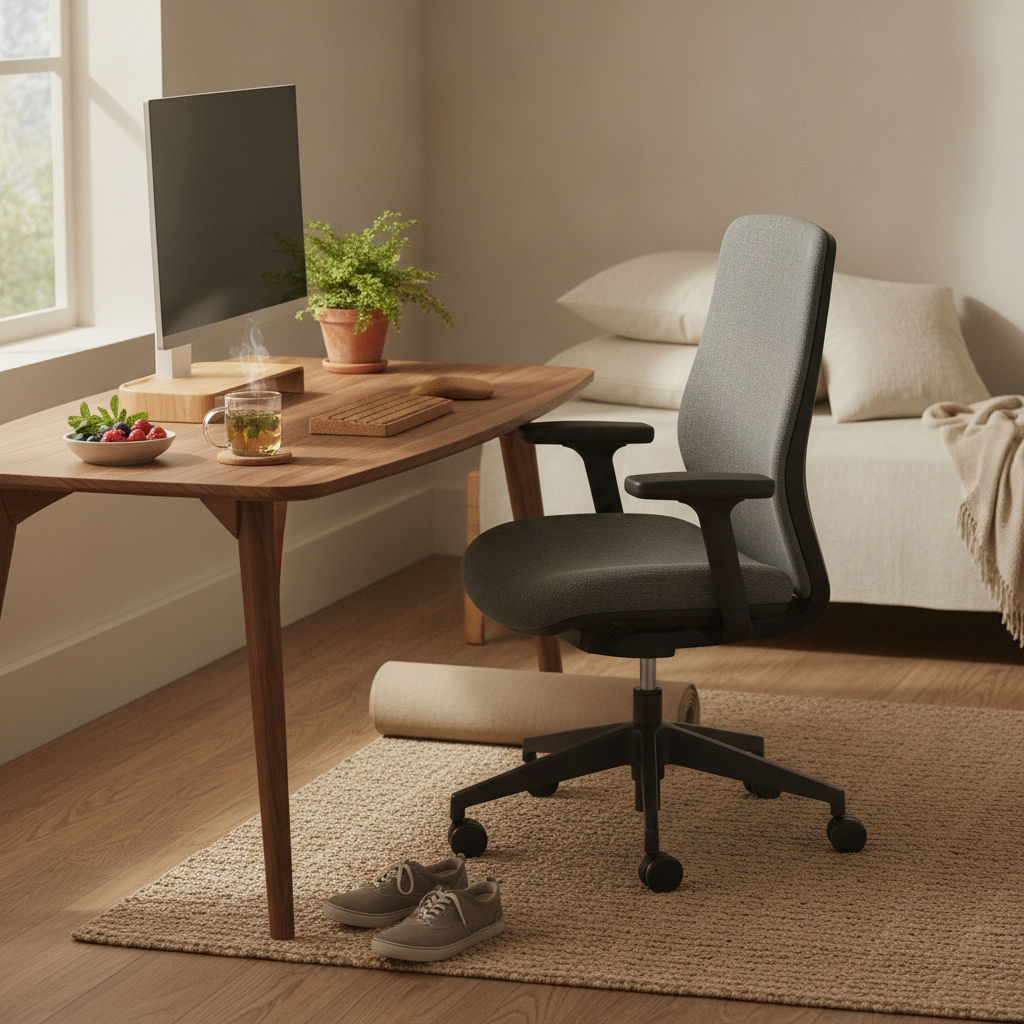
Optimizing Your Workspace: Ergonomic Principles for Comfort and Well-being
Discover essential ergonomic principles to optimize your workspace, preventing discomfort and promoting long-term health. Learn how proper chair, desk, and monitor setups can enhance your daily well-being and productivity.

Simple Self-Massage Techniques for Everyday Muscle Tension Relief
Discover accessible self-massage techniques to alleviate daily muscle tension and foster relaxation. Learn how to address common areas of discomfort using only your hands or simple tools, enhancing your overall well-being with practical, at-home methods.

The Role of Proprioception in Movement Control and Balance Stability
Proprioception is the body's internal sense of its position, movement, and exerted force. This fundamental sensory system is crucial for coordinated motion, maintaining postural control, and achieving equilibrium in daily activities.