
Optimizing Daily Wellness Through Non-Exercise Activity Thermogenesis (NEAT)
In contemporary society, where sedentary habits often dominate, the concept of Non-Exercise Activity Thermogenesis (NEAT) emerges as a pivotal, yet frequently underestimated, component of total daily energy expenditure. NEAT refers to the energy expended for all activities of daily living, excluding sleeping, eating, and intentional sports-like exercise. This includes a vast spectrum of movements: walking to a car, taking the stairs, standing while talking on the phone, fidgeting, carrying groceries, or performing household chores. Unlike structured exercise, which often requires dedicated time and planning, NEAT is integrated seamlessly into the fabric of everyday life, offering a sustainable and accessible pathway to enhance metabolic health, manage weight, and improve overall well-being. Recognizing and strategically augmenting NEAT can serve as a powerful countermeasure against the detrimental effects of prolonged sitting, contributing significantly to a more active and vibrant lifestyle without necessarily adding more time to a gym routine. This exploration aims to demystify NEAT, elucidate its profound benefits, and provide actionable strategies for its incorporation into diverse daily routines.

The Unseen Energy Burn: Defining NEAT
NEAT represents a highly variable component of daily energy expenditure, differing significantly from one individual to another. It is influenced by genetic predispositions, environmental factors, and behavioral choices. While formal exercise often involves moderate to vigorous intensity for a defined duration, NEAT activities are typically of lower intensity but accumulate throughout the day. This cumulative effect is what makes NEAT so impactful. Consider the contrast between a person who commutes by walking, stands at a desk, and performs household tasks versus an individual who drives everywhere, sits for most of the workday, and spends evenings on a sofa. The difference in their daily NEAT can be substantial, sometimes accounting for hundreds to even thousands of calories. This distinction highlights NEAT's role not just as a calorie burner, but as a fundamental aspect of human physiology that encourages constant, low-level movement throughout waking hours.
Researchers like Dr. James Levine have extensively studied NEAT, demonstrating its critical role in energy balance and metabolic health. His work, among others, has underscored that even subtle shifts in daily activity patterns can have profound long-term health implications. NEAT is not about pushing physical limits but about fostering a mindset where movement is seen as an intrinsic part of living, rather than an optional add-on.
Why NEAT is a Cornerstone of Holistic Wellness
The benefits of consistently high NEAT extend beyond simple calorie expenditure, touching upon various facets of physiological and psychological health.
Metabolic Health Benefits
Regular, low-intensity movement has been shown to improve insulin sensitivity, aiding in blood sugar regulation and reducing the risk of type 2 diabetes. It also helps in maintaining a healthy lipid profile, contributing to better cardiovascular health. The constant engagement of muscles, even at low levels, supports glucose uptake and fat oxidation, preventing the metabolic stagnation often associated with prolonged inactivity. For individuals aiming to manage their weight, increasing NEAT offers a sustainable strategy, as it complements dietary efforts and structured exercise by adding to the overall daily energy deficit.
Cardiovascular Implications
Sedentary lifestyles are a known risk factor for cardiovascular disease. By promoting more frequent movement, NEAT helps to maintain healthy blood flow, reduce arterial stiffness, and support optimal blood pressure. Even short bursts of activity, when performed regularly, can mitigate some of the negative effects of prolonged sitting on heart health, contributing to a more resilient cardiovascular system over time.
Mental and Cognitive Boosts
Beyond physical benefits, NEAT has positive implications for mental well-being and cognitive function. Engaging in light physical activity throughout the day can reduce feelings of stress and anxiety, improve mood, and enhance cognitive clarity. Short breaks for movement can help to combat mental fatigue, improve focus, and boost productivity, particularly in demanding work environments. The simple act of changing posture or taking a brief walk can provide a mental refresh, fostering greater resilience and emotional balance.
Weight Management Considerations
While structured exercise is often highlighted for weight loss, NEAT plays an equally, if not more, critical role in long-term weight management. The cumulative energy expenditure from NEAT can be substantial and, crucially, is often more sustainable for many individuals than strict exercise regimens. For those struggling to find time for formal workouts, elevating NEAT offers a practical alternative or complement, helping to burn calories and prevent weight regain without the perceived burden of intense physical activity.
Practical Strategies to Elevate Your Daily NEAT
Integrating more NEAT into daily life requires a conscious shift in habits and an awareness of opportunities for movement. Here are practical strategies across different environments:
Integrating NEAT into the Home Environment
- Household Chores: View cleaning, gardening, and DIY projects as opportunities for movement. Mop the floor vigorously, vacuum with purpose, or spend time weeding the garden. These activities engage multiple muscle groups and can significantly increase energy expenditure.
- Active Leisure: Instead of passive entertainment, opt for active alternatives. Play with children or pets outdoors, engage in active hobbies like knitting while standing, or walk around the house while on the phone. Consider pacing during phone calls or while waiting for water to boil.
- Standing and Fidgeting: Make a conscious effort to stand more often. When watching television, stand during commercials or during specific segments. Fidgeting, such as tapping feet or shifting posture, while often unconscious, contributes to NEAT. Consciously allowing for these small movements can add up.
Enhancing NEAT in the Workplace
- Standing Desks and Active Workstations: Invest in a standing desk converter or a full standing desk. Alternate between sitting and standing throughout the workday. Some offices offer treadmill desks or bike desks, providing even greater opportunities for movement.
- Movement Breaks: Set reminders to take short walking breaks every hour or two. Walk to a colleague's desk instead of sending an email, or take the stairs instead of the elevator. Utilize lunch breaks for a brisk walk outdoors.
- Active Commuting: If feasible, incorporate walking or cycling into your commute. Park further away from the office, or get off public transport a stop earlier and walk the rest of the way. Even short walks to and from transport hubs contribute to daily NEAT.
NEAT During Social and Leisure Activities
- Walking Meetings/Socializing: Suggest walking meetings with colleagues or friends. Instead of meeting for coffee, meet for a stroll in a park. This blends social interaction with physical activity.
- Active Hobbies: Choose hobbies that involve movement, such as dancing, hiking, exploring museums on foot, or playing active video games that require physical interaction.
- Parking Further Away: When running errands or visiting public places, intentionally park at the furthest available spot. This minor inconvenience adds steps and contributes to overall daily activity.
The Mindset Shift: Cultivating a Movement-Rich Lifestyle
Shifting towards a movement-rich lifestyle is less about grand gestures and more about consistent, small adjustments. It requires cultivating an awareness of opportunities to move and consciously choosing the active option over the sedentary one. This mindset shift involves valuing movement as a fundamental aspect of health, rather than viewing it as a chore. Encouraging children and adolescents to engage in diverse forms of play and movement also lays a foundation for higher NEAT levels throughout their lives.
Measuring and Monitoring NEAT
While precise measurement of NEAT can be complex, modern wearable devices like fitness trackers can provide reasonable estimates of daily steps and general activity levels. These tools can serve as motivators, offering visual feedback and encouraging individuals to meet daily movement goals. However, it is important to remember that NEAT is not solely about step counts; it encompasses all forms of non-exercise movement. Focusing on simply moving more throughout the day, in any form, is often more beneficial than fixating on a specific number.
Potential Challenges and Considerations
Despite its benefits, increasing NEAT can present challenges. Modern societal structures, workplace norms, and personal habits often favor prolonged sitting. Individuals with certain physical limitations or health conditions may also find it more challenging to increase their NEAT. In such cases, adapting strategies to individual capabilities and consulting with healthcare professionals is paramount. The key is to find sustainable ways to incorporate movement that are both safe and effective for the individual.
Disclaimer
The information presented in this article is for educational purposes only and should not be considered medical advice. Before making significant changes to physical activity levels or lifestyle, individuals should consult with a qualified healthcare professional, particularly if they have underlying health conditions or concerns.
Non-Exercise Activity Thermogenesis offers a powerful and accessible avenue for enhancing daily wellness without requiring a complete overhaul of one's schedule or a significant investment in gym memberships. By consciously integrating more incidental movement into various aspects of daily life—from home and work to leisure activities—individuals can significantly bolster their metabolic health, support cardiovascular function, improve mental well-being, and contribute effectively to long-term weight management. Embracing the philosophy of 'move more, more often' transforms everyday actions into vital components of a healthier, more vibrant existence. This consistent, subtle commitment to movement can fundamentally reshape an individual's relationship with their body and environment, fostering a sustainable pathway toward holistic well-being and an active lifestyle.
More from wellness

The Critical Link Between Temperature and Restorative Sleep
Understanding how body and room temperature impact sleep is crucial for improving rest. This article explores the science behind temperature regulation and offers practical strategies for creating an ideal sleep environment, leading to more restorative nights.
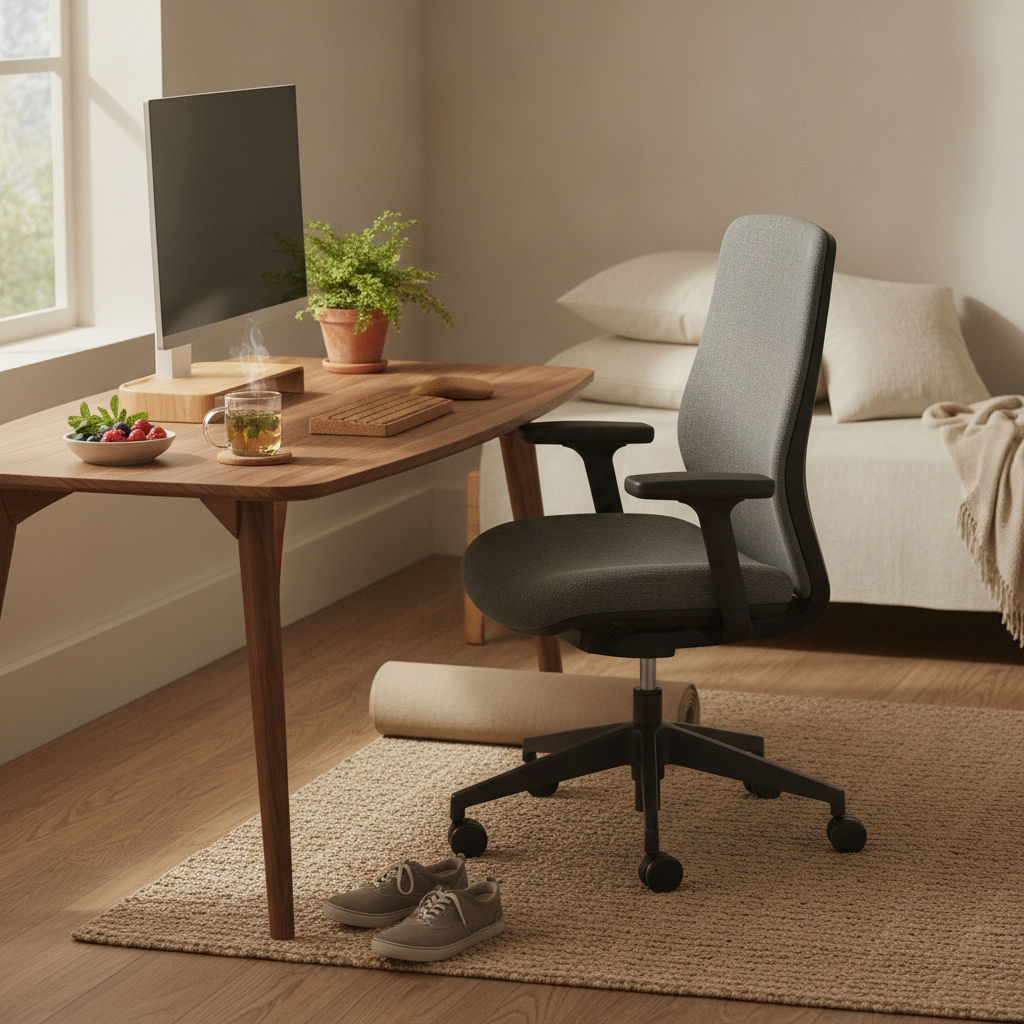
Optimizing Your Workspace: Ergonomic Principles for Comfort and Well-being
Discover essential ergonomic principles to optimize your workspace, preventing discomfort and promoting long-term health. Learn how proper chair, desk, and monitor setups can enhance your daily well-being and productivity.

Simple Self-Massage Techniques for Everyday Muscle Tension Relief
Discover accessible self-massage techniques to alleviate daily muscle tension and foster relaxation. Learn how to address common areas of discomfort using only your hands or simple tools, enhancing your overall well-being with practical, at-home methods.
The Role of Proprioception in Movement Control and Balance Stability
Proprioception is the body's internal sense of its position, movement, and exerted force. This fundamental sensory system is crucial for coordinated motion, maintaining postural control, and achieving equilibrium in daily activities.