
Crafting Successful Photography Expeditions: A Comprehensive Guide to Planning and Execution
Photography-focused travel expeditions represent a unique intersection of artistic pursuit and logistical challenge, distinguishing themselves from general tourism through their inherent objective: the creation of compelling visual narratives. Such journeys are not merely about visiting locations, but about meticulously planning to be in the right place, at the right time, with the right equipment, and the necessary skills to capture specific photographic visions. This specialized form of travel necessitates a blend of advanced photographic acumen, detailed logistical foresight, and a profound respect for the environments and cultures encountered. Success in these endeavors hinges upon a comprehensive approach that spans from the initial spark of an idea to the final post-processing of images, ensuring that both the photographic output and the travel experience itself are enriching and impactful. It involves a systematic breakdown of every component, from understanding the subtle nuances of light in a particular landscape to navigating local customs with sensitivity, all contributing to the ultimate goal of preserving moments and stories through the lens. Without careful consideration of these intertwined elements, even the most ambitious photographic aspirations can falter, underscoring the critical importance of a structured and thoughtful planning process.
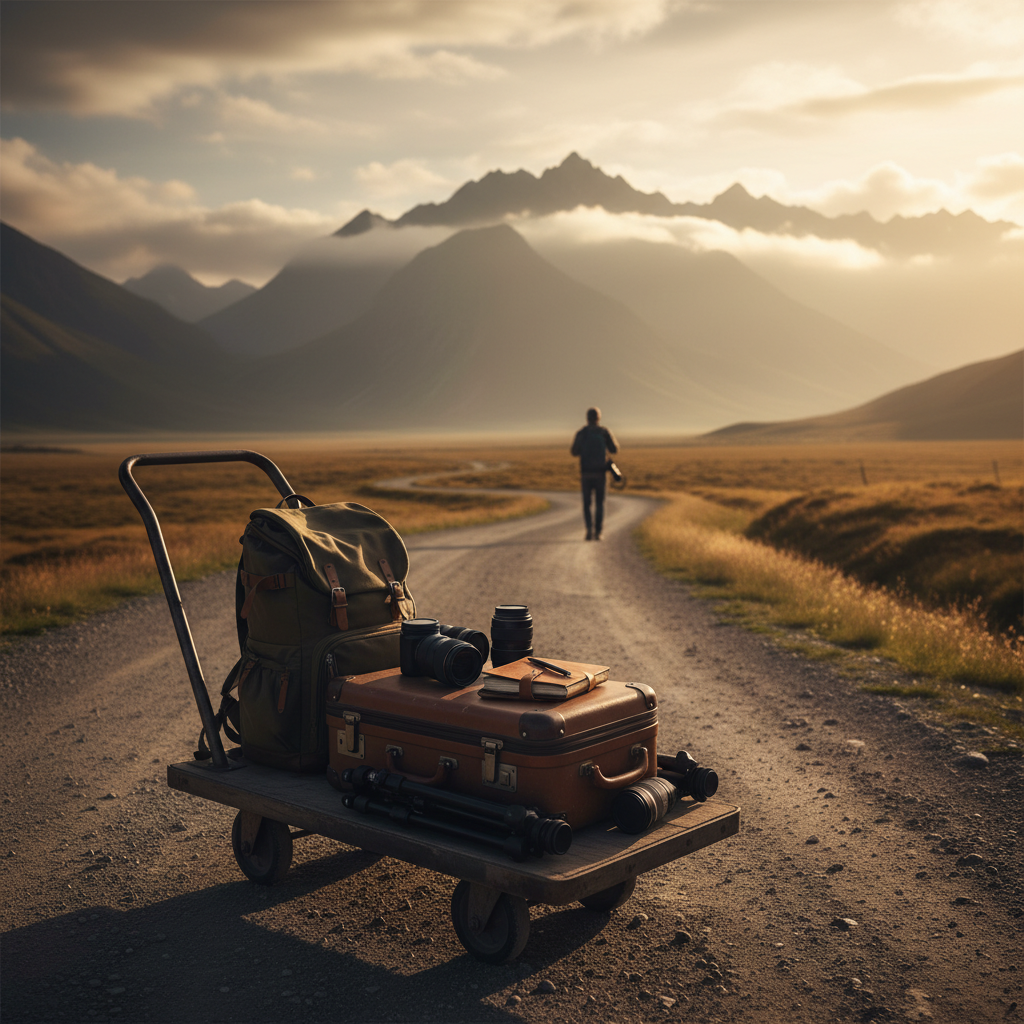
Foundational Research and Destination Selection
The cornerstone of any successful photography expedition is rigorous preliminary research. This phase dictates the entire trajectory of the journey, influencing everything from gear choices to interaction strategies.
Understanding Photographic Objectives
Before selecting a destination, it is crucial to define the primary photographic goals. Is the aim to capture sweeping landscapes, intimate wildlife portraits, vibrant street scenes, architectural details, or perhaps a documentary series on a specific culture? Each objective demands a different approach to location, timing, and equipment. For instance, wildlife photography might necessitate remote wilderness areas and specialized telephoto lenses, while street photography thrives in bustling urban centers and benefits from discreet, versatile gear. Clarity on these objectives helps narrow down potential destinations and informs the specific parameters for the expedition.
Location Scouting and Timing
Once objectives are established, detailed location scouting begins. This involves researching potential destinations for their photographic potential, considering factors such as unique natural features, cultural events, architectural heritage, or wildlife populations. Beyond identifying what to photograph, when to photograph it is equally critical. This includes understanding seasonal variations, weather patterns, migration cycles for wildlife, and local festival dates. Tools such as photography-focused blogs, travel guides, online forums, satellite imagery (e.g., Google Earth), and specialized apps that predict sunrise/sunset times and light angles (e.g., PhotoPills, The Photographer's Ephemeris) become invaluable. Identifying peak photographic conditions, such as the golden hour, blue hour, or specific atmospheric phenomena, is paramount for maximizing visual impact.
Permitting and Regulations
Ignorance of local laws and regulations can severely impede a photography expedition. This preparatory step involves investigating visa requirements, entry permits for national parks or protected areas, and specific photography permits for certain cultural sites, historical monuments, or even drone operation. Some regions have strict rules regarding commercial photography, the use of tripods, or even the photography of specific individuals or government buildings. Researching these restrictions in advance prevents delays, fines, or even confiscation of equipment, ensuring a smoother and more compliant journey.
Essential Gear and Equipment Strategy
The right equipment, properly maintained and strategically packed, is indispensable for a photography expedition. The goal is to be prepared without being overburdened.
Camera Bodies and Lenses
Selecting the appropriate camera body involves considering factors like sensor size, low-light performance, weather sealing, and battery life. Carrying a primary body and a reliable backup is often advisable for professional-grade expeditions, mitigating risks associated with equipment failure in remote locations. Lens selection is dictated by photographic objectives: wide-angle lenses (14-24mm) for landscapes and architecture, versatile mid-range zooms (24-70mm, 24-105mm) for general travel and portraits, and telephoto lenses (70-200mm, 100-400mm, or longer primes) for wildlife and distant subjects. Prime lenses offer superior image quality and low-light performance but require careful consideration for their fixed focal length.
Tripods, Filters, and Accessories
A sturdy tripod is non-negotiable for long exposures, low-light conditions, and achieving sharpness in landscapes. Filters, such as neutral density (ND) filters for slowing shutter speeds in bright light, graduated ND filters for balancing sky and foreground exposures, and polarizers for reducing glare and enhancing saturation, are crucial tools for managing light. Other essential accessories include multiple high-capacity memory cards, spare camera batteries specific to the expected duration of the trip, a reliable lens cleaning kit (blower, micro-fiber cloths), and a headlamp for early morning or late-night shoots.
Protection and Portability
Protecting valuable equipment from the elements and physical damage is paramount. Weather-sealed camera bodies and lenses offer a degree of protection, but additional measures are often necessary. Waterproof camera bags, rain covers, and dry bags for electronics are essential for expeditions involving water or unpredictable weather. Hard cases (e.g., Pelican cases) provide superior protection for checked luggage or rough terrain. A comfortable, ergonomic camera backpack with good weight distribution is crucial for carrying gear over long distances, preventing fatigue and ensuring quick access to equipment.
Power Management and Data Backup
Consistent power is vital. This means packing multiple spare batteries, a portable power bank for charging smaller devices, and international travel adapters compatible with the destination's electrical outlets. For data, a robust backup strategy is critical. This typically involves backing up images daily to at least two separate devices: a portable external hard drive and ideally, cloud storage whenever internet access is available. Carrying multiple high-capacity memory cards and rotating them ensures that if one fails, not all images are lost.
Logistics and On-the-Ground Execution
The success of a photography expedition often hinges on meticulous logistical planning and flexible on-the-ground execution.
Itinerary Development
Developing a detailed itinerary that balances shooting time with travel, rest, and cultural immersion is key. Unlike leisure trips, photography expeditions often involve early mornings for sunrise shoots and late nights for astrophotography, requiring strategic scheduling of downtime. The itinerary should include specific timings for reaching locations, considering light conditions, and allocating buffer time for unexpected delays. While a plan is essential, maintaining flexibility to adapt to changing weather, unexpected opportunities, or unforeseen challenges is equally important.
Transportation and Accommodation
Choosing transportation and accommodation options that facilitate photographic endeavors is crucial. This might involve selecting hotels or guesthouses close to prime shooting locations for easy access during optimal light, or arranging private vehicles for transporting extensive gear to remote areas. For wildlife photography, specialized safari vehicles or boats designed for photographers might be necessary. Researching reliable local transport options and their accessibility for specific photographic sites is an integral part of planning.
Safety and Security
Protecting oneself and one's gear is a constant consideration. This includes securing comprehensive travel insurance that covers equipment, researching local crime rates and safe areas, and being aware of cultural norms to avoid unintended offenses. Keeping a low profile, especially with expensive equipment, and utilizing anti-theft bags or discreet camera covers can deter opportunistic theft. Carrying copies of important documents and emergency contact information, and knowing local emergency numbers, are also vital precautions.
Local Guides and Fixers
Engaging local guides or fixers can significantly enhance a photography expedition. Local experts possess invaluable knowledge of the terrain, cultural nuances, safe practices, and often have access to unique locations or subjects not readily available to independent travelers. They can facilitate communication, assist with navigating complex logistics, and provide insights that enrich the photographic narrative, transforming a simple shoot into a deeper cultural exchange.
Mastering the Art of the Shot and Post-Processing
Beyond technical proficiency, a successful photography expedition requires artistic vision and a streamlined workflow.
Composition and Lighting
Effective composition is fundamental to impactful photography. This involves understanding rules like the rule of thirds, leading lines, framing, and negative space, and knowing when to intentionally break them. Pre-visualizing shots and actively seeking out strong compositions during scouting can save valuable time on location. Mastering light is equally critical; photographers must understand how different types of light (golden hour, blue hour, harsh midday sun, overcast) affect a scene and adapt their approach accordingly. Utilizing natural light effectively or employing artificial light sources strategically can dramatically alter the mood and message of an image.
Interacting with Subjects
When photographing people, ethical and respectful interaction is paramount. Always seek permission before taking someone's photograph, especially in cultures where photography might be viewed differently. Learning a few phrases in the local language, offering to show the subject the resulting image, or even sharing a print can foster goodwill and lead to more authentic portraits. Understanding and respecting local customs, dress codes, and social etiquettes is crucial to avoid causing offense or appearing exploitative.
Post-Processing Workflow
Photography does not end with the click of the shutter. A robust post-processing workflow is essential for refining images and realizing the initial vision. This includes organizing files systematically, making selections, and using editing software (e.g., Adobe Lightroom, Capture One, Photoshop) to adjust exposure, color, contrast, and sharpness. Non-destructive editing is advisable, preserving the original file. Developing a consistent editing style can also contribute to a cohesive body of work from an expedition.
Ethical Considerations in Photography Travel
Responsible travel photography goes beyond technical skill; it demands a strong ethical framework.
Respecting Local Cultures and Environments
Photographers hold a responsibility to minimize their impact on the environments and cultures they visit. This includes adhering to 'leave no trace' principles in natural settings, avoiding disruption to wildlife, and being mindful of noise levels in sensitive areas. Culturally, it means respecting sacred sites, local customs, and privacy. Avoiding behavior that could be perceived as disrespectful or exploitative is crucial for fostering positive relationships with local communities.
Obtaining Consent
For portraits and candid shots of individuals, especially children, obtaining explicit consent is an ethical imperative. This might involve a verbal request, a gesture, or, in more formal settings, written consent. The intent behind the photograph should be clear, and the photographer should be prepared to respect a refusal. This practice builds trust and ensures that subjects are not objectified or exploited for their image.
Responsible Storytelling
Photographers have the power to shape narratives. It is crucial to portray subjects, cultures, and environments accurately, respectfully, and without perpetuating stereotypes. Responsible storytelling involves understanding the context of the images, avoiding misrepresentation, and striving for authenticity. The goal is to create images that inform, educate, and inspire, rather than sensationalize or exoticize.
Crafting and executing a photography-focused travel expedition is an intricate process, demanding a harmonious blend of artistic vision, technical proficiency, and meticulous logistical planning. From the initial stages of defining photographic objectives and conducting thorough location research to the careful selection of gear, the development of a flexible itinerary, and the commitment to ethical engagement, every step contributes to the overall success and impact of the journey. Ultimately, a well-planned expedition transcends mere sightseeing, transforming into a deeply immersive experience that yields not only exceptional images but also a profound understanding of the world and its diverse inhabitants. The rewards of such endeavors, both personally and artistically, are substantial, offering a unique opportunity to capture and share compelling visual stories with integrity and purpose. It is through this comprehensive approach that photographers can truly elevate their craft and enrich their travel experiences, leaving a positive footprint while bringing unique perspectives to light.
More from travel
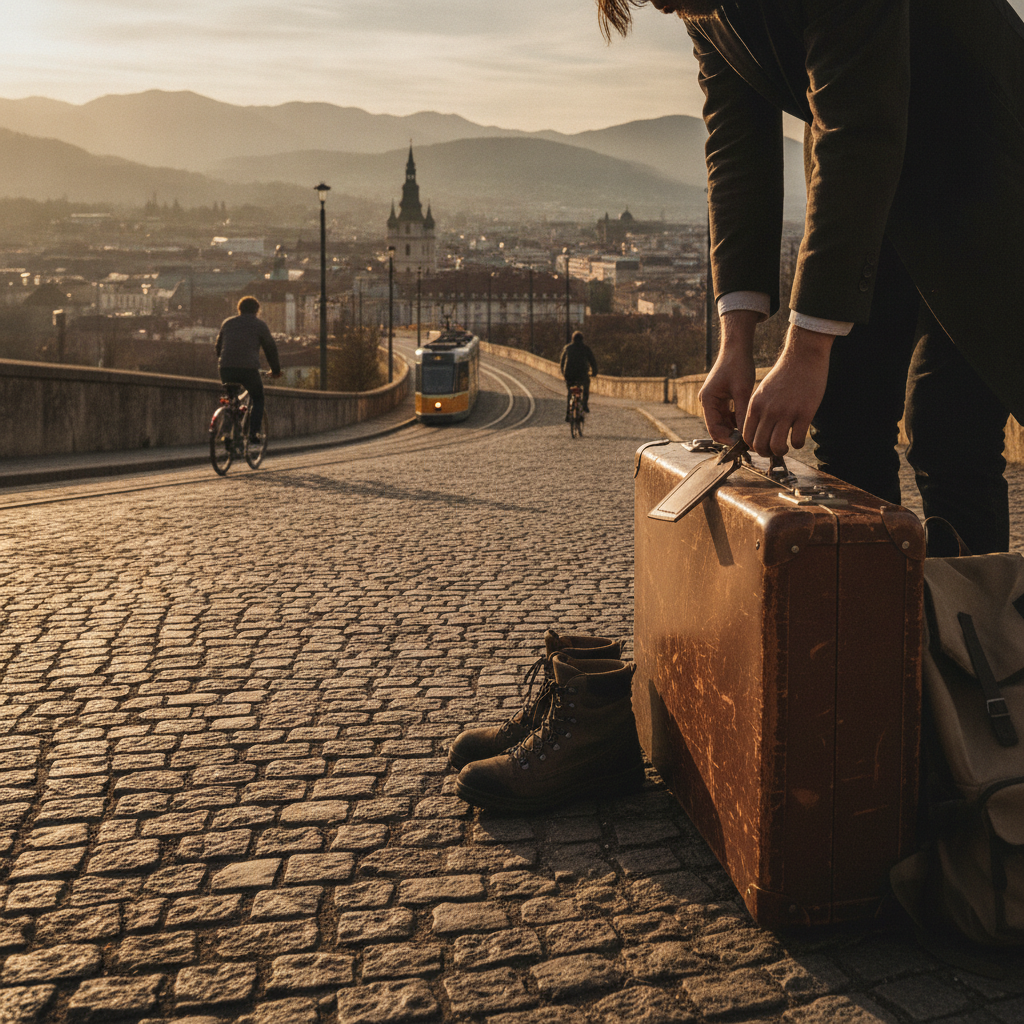
Mastering Efficient Local Transportation for Immersive Urban Exploration
Discover how to navigate cities like a local, utilizing various public and personal transport options to enhance your urban exploration. This guide provides practical strategies for efficient movement, allowing for deeper engagement with city life and culture.
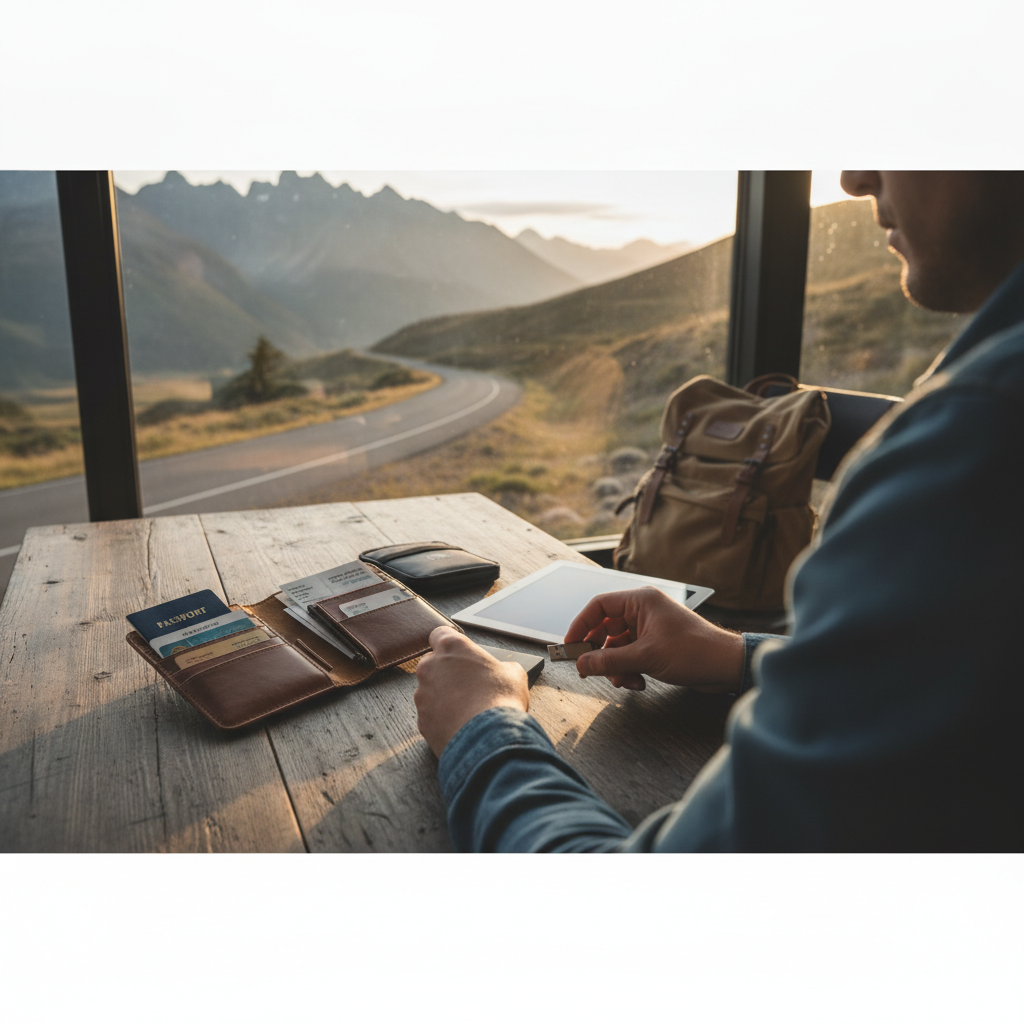
Essential Strategies for Protecting Travel Documents and Digital Information Abroad
International travel offers enriching experiences, but it also demands vigilance in protecting your vital documents and digital identity. Proactive preparation and secure practices are key to a smooth and worry-free journey, preventing potential disruptions and stress.
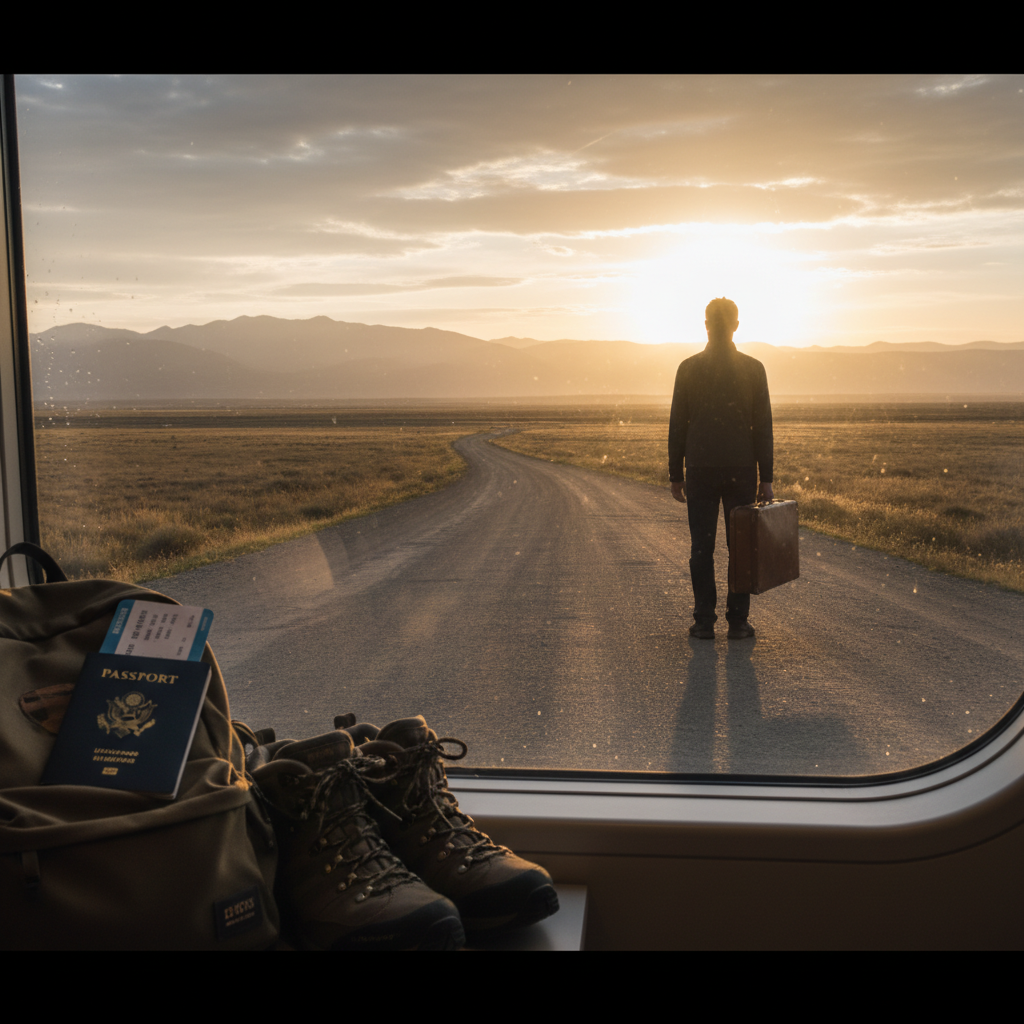
Understanding International Travel Visa Requirements and Border Procedures
International travel often necessitates a thorough understanding of visa requirements and border control protocols. These regulations vary significantly by destination, traveler nationality, and purpose of visit, influencing the planning and execution of global journeys.
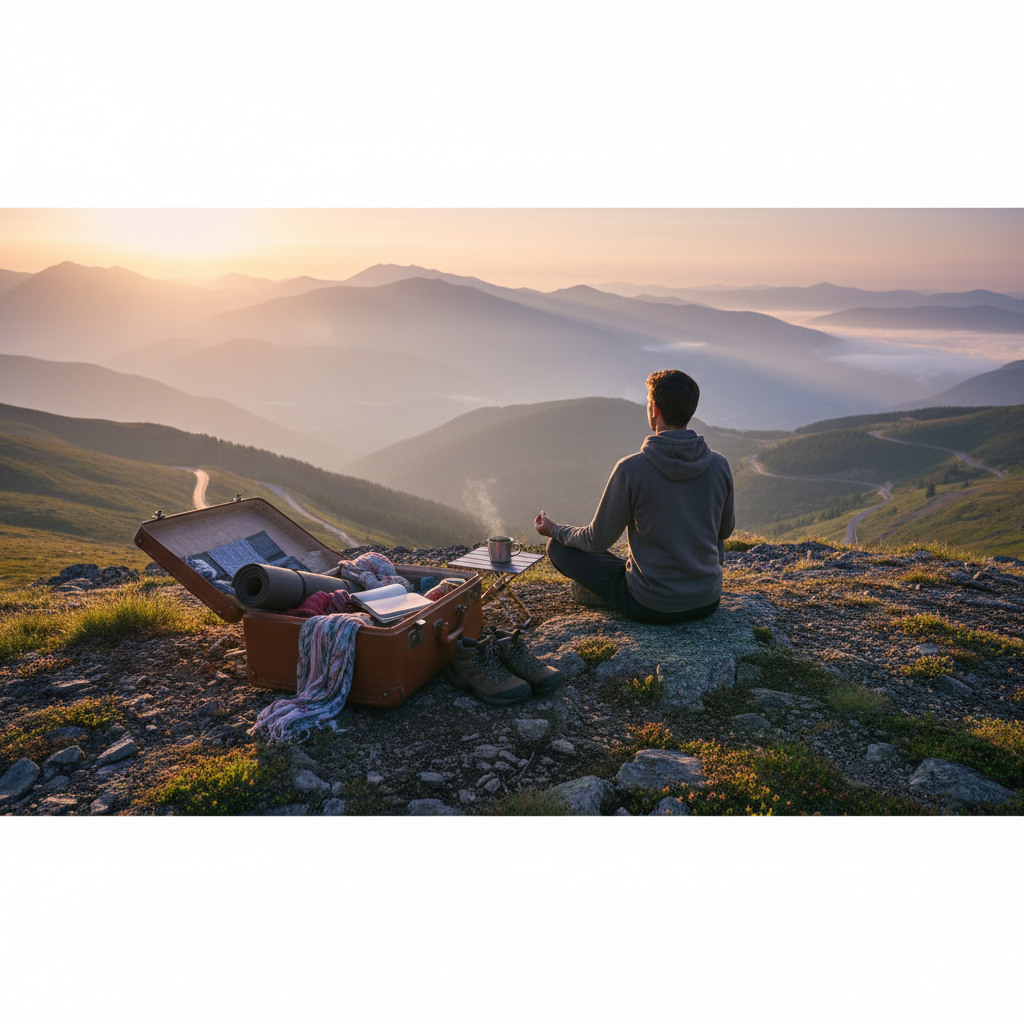
Integrating Wellness Practices into Diverse Travel Itineraries for Enhanced Journeys
The integration of wellness practices into travel itineraries represents an approach that prioritizes holistic well-being throughout a journey. This method focuses on maintaining physical, mental, and emotional health while exploring new environments and cultures, extending beyond dedicated retreats.