
Integrating Wellness Practices into Diverse Travel Itineraries for Enhanced Journeys
The concept of travel has evolved to encompass more than just leisure or exploration; it increasingly includes a focus on personal well-being. Integrating wellness practices into diverse travel itineraries is an approach that emphasizes maintaining and enhancing one's physical, mental, and emotional health while journeying. This perspective differs from a dedicated wellness retreat, where wellness is the primary objective, by instead weaving intentional well-being elements into any type of travel experience—be it adventure, cultural immersion, business, or relaxation. This integration acknowledges that travel, while enriching, can also present stressors or disruptions to established routines, making proactive wellness strategies beneficial for a more fulfilling and sustainable journey.

Defining Travel Wellness Integration
Travel wellness integration involves the conscious inclusion of elements that support health and well-being throughout the planning and execution of a trip. This extends beyond merely avoiding illness or injury; it encompasses a proactive stance on nurturing one's holistic self while away from home. The core principle lies in recognizing that well-being is not a state to be achieved solely at a destination, but rather an ongoing process that can be maintained and enriched through thoughtful choices during travel. It encourages travelers to consider their personal health needs and preferences as integral components of their itinerary, rather than as separate considerations.
Holistic Approach to Travel
Adopting a holistic approach means considering all facets of well-being: physical, mental, emotional, and even spiritual or environmental. For example, a focus on physical wellness might involve incorporating regular movement, while mental wellness could be supported by setting boundaries around digital device usage. Emotional well-being might be fostered through meaningful cultural interactions, and environmental wellness can be addressed by making sustainable travel choices. This integrated perspective views travel as an opportunity for growth and self-care, enhancing the overall journey experience.
Physical Well-being Considerations
Maintaining physical health during travel is foundational for enjoying diverse experiences. Intentional practices can mitigate common travel-related physical challenges, such as fatigue, muscle stiffness, or dietary shifts.
Movement and Activity
Incorporating regular physical activity, even in modest forms, can significantly contribute to physical well-being. This might involve choosing to walk instead of taking public transport when feasible, using hotel fitness facilities, or engaging in local activities such as hiking, swimming, or cycling. Simple stretching routines can alleviate stiffness from prolonged sitting during flights or commutes. The objective is to maintain a level of activity that supports comfort and energy levels without overexertion.
Sleep Hygiene
Quality sleep is critical for physical restoration and managing jet lag. Strategies for optimizing sleep during travel include attempting to align sleep schedules with the destination's time zone as quickly as possible, creating a conducive sleep environment (e.g., using earplugs or an eye mask), and establishing a consistent bedtime routine even in new surroundings. Minimizing caffeine and alcohol intake before sleep can also support better rest.
Hydration
Adequate hydration is often overlooked but plays a vital role in physical health, particularly when traveling across different climates or at altitude. Carrying a reusable water bottle and refilling it regularly supports consistent fluid intake. Being mindful of water safety in various regions and opting for bottled or purified water when necessary are also important considerations.
Mental and Emotional Well-being
Travel can present both stimulating opportunities and potential stressors. Strategies for mental and emotional well-being help manage these aspects, fostering a more balanced and enjoyable experience.
Stress Management and Relaxation
Allocating specific downtime within an itinerary for relaxation can be highly beneficial. This might involve quiet moments for reading, practicing meditation or deep breathing exercises, or simply engaging in a leisurely activity. Recognizing personal stress triggers and having prepared coping mechanisms, such as listening to music or practicing gratitude, can help mitigate mental fatigue.
Cultural Engagement and Connection
Meaningful interactions with local cultures and communities can enhance mental stimulation and provide a sense of connection. This can involve participating in local customs, engaging in conversations with residents, or learning about historical contexts. Such engagement often fosters a deeper understanding and appreciation of the destination, contributing positively to emotional well-being.
Digital Disconnection and Mindfulness
Consciously setting aside time for digital disconnection allows for greater presence and mindfulness during a journey. Reducing reliance on smartphones and social media can lead to a more immersive experience, promoting attention to surroundings and personal reflections. Practicing mindfulness, such as observing details of the environment or focusing on sensory experiences, can reduce overstimulation and enhance appreciation for the present moment.
Nutritional Considerations
Food and drink are integral parts of any travel experience, offering insights into local culture. Thoughtful nutritional choices contribute significantly to overall well-being.
Balanced Eating
Making informed dietary choices supports consistent energy levels and digestive health. This involves seeking out fresh, local produce, balancing meals with appropriate macronutrients, and being mindful of portion sizes. Exploring local markets can provide access to healthy ingredients and an authentic culinary experience. Understanding how to navigate local cuisines while adhering to personal dietary needs or restrictions is also a key aspect.
Mindful Consumption
Eating mindfully involves savoring meals, paying attention to flavors and textures, and recognizing hunger and fullness cues. This approach not only enhances the enjoyment of culinary experiences but also supports digestive comfort and prevents overeating. It transforms eating from a mere necessity into a deliberate and pleasurable act of engagement with the local culture.
Environmental and Sustainable Wellness
Integrating wellness extends beyond the personal to include the broader environment. Responsible tourism practices contribute to a sense of ethical well-being and support the health of the destinations visited.
Responsible Tourism Practices
Making choices that minimize environmental impact and support local economies aligns with a holistic view of wellness. This can include selecting accommodations with strong sustainability practices, reducing waste (e.g., avoiding single-use plastics), conserving resources like water and energy, and supporting local businesses and artisans. Such actions foster a sense of contributing positively to the places one visits.
Connecting with Nature
Spending time in natural environments often offers restorative benefits for both mental and physical health. Incorporating visits to parks, beaches, forests, or mountains into an itinerary can provide opportunities for calm, reflection, and physical activity. The act of immersing oneself in nature can reduce stress and enhance a sense of peace and groundedness.
Planning and Implementation Strategies
Successfully integrating wellness into travel requires forethought and flexibility. Effective strategies ensure that wellness goals are not merely aspirations but actionable components of the journey.
Pre-Trip Planning
Incorporating wellness goals during the itinerary design phase is crucial. This involves researching accommodations with wellness amenities, identifying opportunities for healthy eating and physical activity at the destination, and scheduling dedicated blocks of time for rest and relaxation. Packing essential items like comfortable walking shoes, a reusable water bottle, or personal comfort items can also facilitate wellness on the go.
During-Trip Adaptations
Flexibility is key during travel. It is important to listen to one's body and adjust plans as needed to prioritize well-being. This might mean opting for an early night instead of an evening outing or choosing a lighter activity over an intense one. Recognizing that travel can be unpredictable and being adaptable allows for maintaining wellness even when circumstances change.
Post-Trip Reflection
Reflecting on the wellness practices employed during a trip can provide valuable insights for future journeys and for integrating lessons learned into daily life. Assessing what worked well and what could be improved helps refine personal wellness strategies, ensuring that travel continues to be a source of rejuvenation rather than depletion.
Disclaimer
It is important to understand that information on wellness practices is for general educational purposes. For any specific health concerns, personalized wellness strategies, or before starting new health routines, individuals are advised to consult a qualified healthcare professional.
More from travel

Mastering Efficient Local Transportation for Immersive Urban Exploration
Discover how to navigate cities like a local, utilizing various public and personal transport options to enhance your urban exploration. This guide provides practical strategies for efficient movement, allowing for deeper engagement with city life and culture.
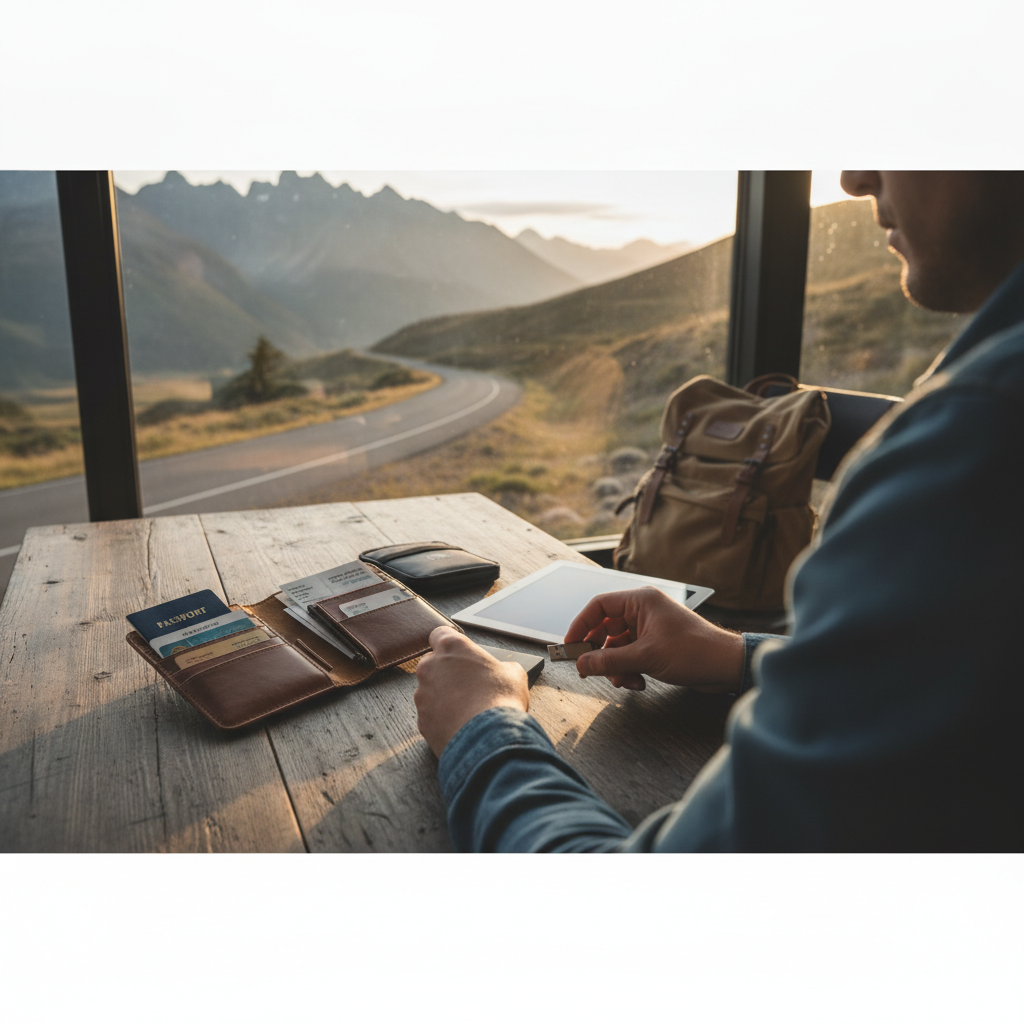
Essential Strategies for Protecting Travel Documents and Digital Information Abroad
International travel offers enriching experiences, but it also demands vigilance in protecting your vital documents and digital identity. Proactive preparation and secure practices are key to a smooth and worry-free journey, preventing potential disruptions and stress.

Understanding International Travel Visa Requirements and Border Procedures
International travel often necessitates a thorough understanding of visa requirements and border control protocols. These regulations vary significantly by destination, traveler nationality, and purpose of visit, influencing the planning and execution of global journeys.

Understanding Comprehensive Travel Insurance: Types, Coverage, and Considerations
Travel insurance serves as a mechanism designed to mitigate financial risks associated with unforeseen events during a journey. This article explores the various types of travel insurance policies, their common coverage components, and essential factors for travelers to consider when evaluating options.