
Understanding International Travel Visa Requirements and Border Procedures
International travel presents a variety of considerations, among the most critical being the navigation of visa requirements and border control procedures. A visa typically serves as an official endorsement placed in a passport by a representative of the country a traveler intends to visit, signifying that the applicant has been approved to enter for a specific purpose and duration. These requirements are a fundamental aspect of national sovereignty, allowing countries to regulate who enters their borders, for what reasons, and for how long. Understanding the intricate details surrounding different visa types, application processes, and the protocols at points of entry is indispensable for individuals planning journeys across international boundaries, helping to ensure compliance and facilitate smoother travel experiences.

The Fundamental Role of Visas in International Travel
A visa functions as a preliminary permission for individuals to seek entry into a foreign country. This authorization is typically granted by the consular affairs department of the destination country, often through an embassy or consulate in the traveler's country of residence. The primary purpose of visas extends beyond mere permission; they are integral to a nation's security, immigration control, and economic management. By requiring visas, governments can monitor the flow of people, assess potential risks, and ensure that visitors adhere to specific conditions during their stay. The absence of a required visa can lead to denial of boarding an aircraft or refusal of entry at a port of entry, highlighting their critical importance in the international travel landscape.
Sovereign Control and Immigration Management
Visas are a tool for countries to exercise control over their borders. They enable governments to evaluate an applicant's intent, financial stability, and criminal record, among other factors, before permitting entry. This process is designed to protect national interests, manage population demographics, and prevent illegal immigration.
Economic and Security Considerations
Beyond security, visa policies can also reflect economic objectives, such as encouraging tourism or skilled labor immigration, or fostering diplomatic relations. Security concerns often drive strict visa protocols, particularly in regions with heightened geopolitical sensitivities, necessitating comprehensive background checks and rigorous documentation requirements.
Categories of Visas and Their Applications
Visas are categorized based on the purpose of travel, and each category comes with specific stipulations regarding duration, activities permitted, and the application process. Recognizing the appropriate visa type for one's travel objectives is a foundational step in preparation.
Tourist Visas
Tourist visas are issued for leisure travel, including sightseeing, visiting friends or relatives, and short-term recreational activities. These visas typically have a limited validity period, often ranging from 30 to 90 days, and generally prohibit employment or long-term residency. The application usually requires proof of sufficient funds to cover the stay, a return ticket, and confirmed accommodation.
Business Visas
Individuals traveling for professional engagements, such as attending conferences, negotiating contracts, or participating in business meetings, typically apply for a business visa. It is important to distinguish a business visa from a work permit; a business visa generally does not permit employment within the host country but allows for specific, short-term business-related activities.
Transit Visas
For travelers whose itinerary involves passing through a country en route to a third destination, a transit visa may be necessary. These visas are usually valid for a very short duration, often only a few hours or days, allowing the traveler to remain in a designated transit area or to connect between flights without officially entering the country for a longer stay.
Student and Work Visas
These categories are intended for longer-term stays and specific purposes. Student visas allow individuals to pursue academic programs in a foreign country, while work visas grant permission to be employed. Both types typically involve more extensive application processes, requiring official acceptance letters from educational institutions or sponsorship from employers, along with substantial financial documentation.
Other Specialized Visas
Further categories exist for specific circumstances, such as medical visas for treatment, cultural exchange visas, or increasingly, digital nomad visas, which are designed for individuals who work remotely while residing in a foreign country. Each specialized visa addresses distinct purposes and requires tailored documentation.
The Visa Application Process
The process of applying for a visa involves several distinct stages, each requiring careful attention to detail and adherence to specific instructions set forth by the destination country's government.
Research and Preparation
Identifying the correct visa type is paramount. Travelers must consult the official government website of their destination country's embassy or consulate in their home country. These resources provide the most accurate and up-to-date information regarding requirements, forms, and procedures. It is also crucial to verify passport validity, ensuring it meets or exceeds the required six-month validity beyond the intended travel date, and to confirm the availability of blank pages for visa stamps.
Required Documentation
Visa applications invariably demand a collection of supporting documents. These typically include a fully completed application form, recent passport-sized photographs adhering to specific dimensions and background color, and a valid passport. Additionally, proof of sufficient financial resources to cover the duration of the stay, confirmed accommodation bookings, and a detailed travel itinerary are commonly requested. For specific visa types, such as business or student visas, letters of invitation from host organizations, employment verification, or academic acceptance letters may be mandatory.
Submission Methods
Visa applications can be submitted through various channels. Many countries offer online application portals, which streamline the initial submission process. However, a physical visit to an embassy or consulate may be necessary for interviews or biometric data collection. Specialized visa application centers, such as those operated by companies like VFS Global, often manage the submission process on behalf of multiple governments, providing a centralized service for applicants.
Processing Times and Fees
Processing times for visas vary significantly depending on the destination country, the type of visa, and the volume of applications. It is common for processing to take several weeks or even months, particularly for complex or long-stay visas. Application fees are also standard and are typically non-refundable, regardless of the outcome of the application. Travelers are generally advised to initiate their visa application process well in advance of their intended travel dates to account for potential delays.
Visa-Free Travel and Visa on Arrival
Not all international travel requires a pre-obtained visa. Many countries have bilateral agreements or participate in international accords that allow citizens of certain nations to enter without a visa for short tourist or business stays. In other instances, a visa may be obtained upon arrival at the port of entry. However, conditions for visa-free entry or visa on arrival are specific and must be thoroughly understood by the traveler. These conditions often include maximum stay durations, restrictions on activities (e.g., no employment), and the requirement of a valid passport and an onward or return ticket.
Navigating Border Control Procedures
Upon arrival at an international airport, seaport, or land border crossing, travelers undergo border control procedures, which encompass immigration and customs checks. These processes are designed to formally admit travelers into the country and to regulate the entry of goods.
Immigration Checks
Immigration officers verify the traveler's identity, confirm the validity of their passport and visa (if applicable), and inquire about the purpose and duration of their visit. Travelers may be asked to provide proof of accommodation or onward travel. Successful completion of this check typically results in an entry stamp in the passport, indicating the date of entry and the authorized length of stay.
Customs Declarations
Customs declarations are a mandatory part of entry. Travelers are usually required to declare certain goods, such as large sums of currency, specific food items, agricultural products, or high-value purchases made abroad. Each country has strict regulations regarding what can be brought into the country, and failure to declare prohibited or restricted items can lead to fines, confiscation, or legal penalties.
Biometric Data Collection
An increasing number of countries integrate biometric data collection, such as fingerprinting or facial scans, into their entry procedures. This measure enhances security and identity verification processes, creating a digital record of entry.
Health Screenings
Depending on the region and current global health situations, travelers may also undergo health screenings or be required to present proof of specific vaccinations, particularly for travel to or from areas with known health risks.
Common Challenges and Considerations
International travel logistics can sometimes present challenges that require foresight and careful management.
Visa Denials
Visa applications can be denied for various reasons, including incomplete documentation, failure to meet eligibility criteria, or concerns regarding the applicant's intent. A denial can significantly disrupt travel plans and may impact future applications. Understanding the reasons for denial, if provided, is important for any subsequent actions.
Overstaying a Visa
Exceeding the authorized period of stay on a visa or visa-free entry is a serious offense in most countries. Consequences can range from substantial fines and immediate deportation to bars on future entry into that country or even other countries that share immigration data. Adherence to the permitted duration is critical.
Lost or Stolen Travel Documents
The loss or theft of a passport or visa while abroad necessitates immediate action. Travelers must report the incident to local police and contact their country's embassy or consulate for assistance in obtaining emergency travel documents and guidance on replacing lost visas. This process can be time-consuming and may affect onward travel.
Dynamic Regulations
Visa policies and border regulations are subject to change, often with limited prior notice due to evolving political, economic, or public health circumstances. What was valid last year or even last month may no longer apply, making continuous verification essential for current travel plans.
Importance of Official and Up-to-Date Information
For specific legal interpretations or complex individual cases involving immigration law, consulting with a qualified legal or immigration professional is advisable. In all other instances, the most reliable information regarding visa requirements and border procedures emanates directly from the official government sources of the destination country. This includes the websites of their embassies, consulates, or dedicated immigration departments. Relying on outdated or unofficial information can lead to significant travel disruptions, including denied entry or other penalties. Regular consultation with these primary sources ensures that travelers are equipped with the most current and accurate information necessary for planning and executing their international journeys.
More from travel

Mastering Efficient Local Transportation for Immersive Urban Exploration
Discover how to navigate cities like a local, utilizing various public and personal transport options to enhance your urban exploration. This guide provides practical strategies for efficient movement, allowing for deeper engagement with city life and culture.
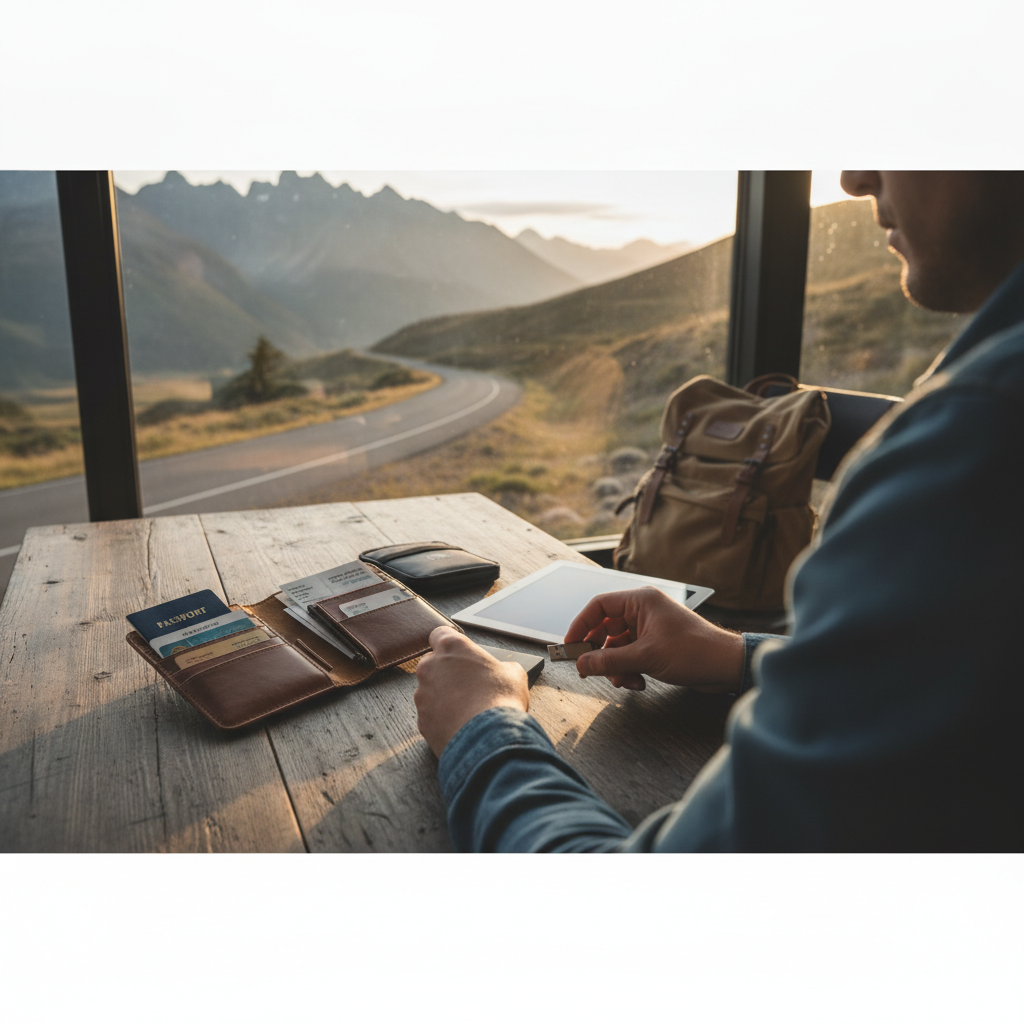
Essential Strategies for Protecting Travel Documents and Digital Information Abroad
International travel offers enriching experiences, but it also demands vigilance in protecting your vital documents and digital identity. Proactive preparation and secure practices are key to a smooth and worry-free journey, preventing potential disruptions and stress.

Integrating Wellness Practices into Diverse Travel Itineraries for Enhanced Journeys
The integration of wellness practices into travel itineraries represents an approach that prioritizes holistic well-being throughout a journey. This method focuses on maintaining physical, mental, and emotional health while exploring new environments and cultures, extending beyond dedicated retreats.

Understanding Comprehensive Travel Insurance: Types, Coverage, and Considerations
Travel insurance serves as a mechanism designed to mitigate financial risks associated with unforeseen events during a journey. This article explores the various types of travel insurance policies, their common coverage components, and essential factors for travelers to consider when evaluating options.