
Essential Strategies for Protecting Travel Documents and Digital Information Abroad
Embarking on an international adventure promises excitement, new discoveries, and unforgettable memories, yet it also introduces a unique set of responsibilities, especially concerning the security of your personal identification, financial instruments, and digital footprint. The prospect of losing a passport, having a device stolen, or experiencing a data breach while in a foreign country can transform a dream vacation into a logistical nightmare, leading to significant stress, financial loss, and delays. Therefore, understanding and implementing robust safeguarding strategies for both physical travel documents and sensitive digital information is not merely a recommendation but a crucial component of responsible international travel planning. From the moment you begin envisioning your trip to your return home, a conscious effort to secure these critical assets ensures peace of mind, allowing you to fully immerse yourself in the cultural richness and beauty of your chosen destination without the constant worry of potential security compromises. This comprehensive approach to preparedness helps mitigate risks, streamline recovery processes if an unfortunate event occurs, and ultimately contributes to a safer, more enjoyable, and stress-free global exploration experience, empowering travelers to focus on the joy of discovery rather than the anxiety of vulnerability.
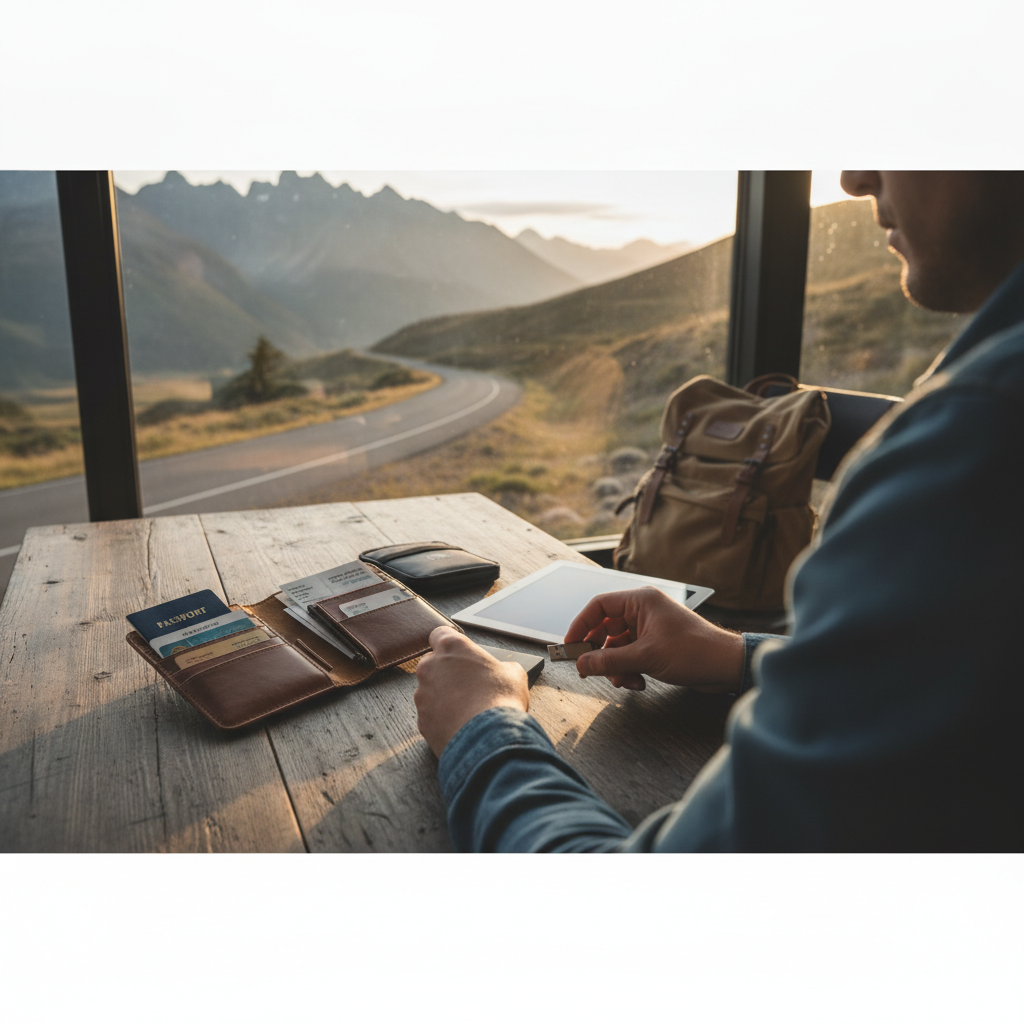
Essential Document Preparation Before You Go
Thorough preparation is the first and most critical step in safeguarding your travel documents and digital information. Addressing these details before you depart can significantly reduce stress and potential complications while abroad.
Organize and Inventory Critical Documents
Before packing, create a comprehensive list of all essential documents you will need. This includes your passport, visa (if required), international driver's permit, travel insurance details, flight and accommodation confirmations, and any necessary health certificates or vaccination records. Ensure all documents are current and valid for the entirety of your trip, with passports having at least six months of validity beyond your intended return date, as required by many countries. Keep these documents organized in a dedicated travel wallet or folder, making them easily accessible yet secure.
Digital Backups and Cloud Storage
One of the most effective strategies is to create digital copies of all your important documents. Scan or take clear photographs of your passport's identification page, visa, driver's license, credit cards (front and back, noting the contact numbers for reporting theft, but never the CVV/CVC), travel insurance policy, and flight itineraries. Store these digital copies securely. Consider using an encrypted cloud storage service or a password-protected folder on a secure, personal device. Ensure you can access these backups from multiple sources, such as a secondary email account or a trusted family member's access, in case your primary device is lost or stolen. This provides a crucial fallback if physical documents are compromised.
Physical Copies and Emergency Contacts
In addition to digital backups, carry physical photocopies of your most critical documents, especially your passport and visa. Keep these copies separate from the originals. For instance, store originals in a secure hotel safe and carry a photocopy with you for daily outings. It's also wise to leave a set of physical and digital copies with a trusted person at home who can assist in an emergency. Compile a list of important emergency contact numbers, including your embassy or consulate in the destination country, your travel insurance provider, and your bank's international fraud department. Store this list both digitally and as a physical printout.
Registering Your Trip with Your Embassy
Many countries offer services for citizens traveling abroad, allowing them to register their travel plans. For U.S. citizens, this is the Smart Traveler Enrollment Program (STEP). Registering your trip can provide important benefits, such as receiving alerts about safety conditions in your destination, locating you in an emergency, and assisting in the event of lost or stolen documents. It's a simple step that adds an extra layer of security and support.
Protecting Physical Documents During Travel
Once you're on the move, maintaining vigilance over your physical documents is paramount. Strategic storage and careful handling can prevent many common issues.
Secure Storage Solutions
Invest in a quality travel wallet or money belt that can be worn under your clothing, close to your body. This makes it significantly harder for pickpockets to access. When in your accommodation, utilize the hotel safe for items you don't need immediately, such as your passport, extra cash, and secondary credit cards. If no safe is available, secure your valuables within your luggage, locked with a TSA-approved lock, and out of plain sight.
Daily Carry Best Practices
When you leave your accommodation for daily excursions, assess what you truly need to carry. Often, a photocopy of your passport, a primary credit card, and a limited amount of local currency are sufficient. Leave your original passport, extra cash, and other valuable cards in the hotel safe. If you must carry your original passport, keep it in a secure, internal pocket or a cross-body bag that is difficult to snatch. Always be aware of your surroundings, especially in crowded areas or tourist hotspots, where petty theft is more common.
Limiting Exposure
Avoid displaying large amounts of cash or expensive gadgets in public. When making payments, be discreet and quickly return your wallet or purse to a secure location. If using an ATM, choose one in a well-lit, public area, preferably inside a bank, and be mindful of anyone observing you. Shield the keypad when entering your PIN. Try to avoid looking like an obvious tourist, as this can sometimes make you a target for opportunistic thieves.
What to Carry and What to Leave
Make a conscious decision about what absolutely needs to be with you versus what can safely remain secured. For instance, while it's tempting to bring multiple credit cards, only carrying one primary card and one emergency backup (stored separately) can simplify matters if one is lost. Similarly, consider leaving sentimental or irreplaceable jewelry at home. The less you carry, the less you have to worry about securing.
Safeguarding Your Digital Life Abroad
In the digital age, protecting your electronic devices and online information is as crucial as securing your physical documents. International travel presents unique digital security challenges.
Device Security Fundamentals
Before you travel, ensure all your devices (smartphone, laptop, tablet) are updated with the latest security patches and operating system versions. Enable strong passcodes, PINs, or biometric authentication (fingerprint, face ID) on all devices. Install reputable antivirus or anti-malware software, especially on laptops. Consider using a remote wipe or device tracking feature, which can be invaluable if a device is lost or stolen. Backup your devices fully before you leave, ensuring all precious photos and important files are safely stored elsewhere.
Public Wi-Fi Dangers and Solutions
Public Wi-Fi networks in airports, cafes, and hotels are often unsecured, making your data vulnerable to interception by malicious actors. Avoid conducting sensitive transactions, such as online banking or shopping, while connected to public Wi-Fi. If you must use public Wi-Fi, always employ a Virtual Private Network (VPN). A VPN encrypts your internet traffic, creating a secure tunnel that protects your data from prying eyes. Alternatively, consider using a personal mobile hotspot or an international eSIM/SIM card for more secure connectivity.
Data Backup Strategies
Beyond initial backups, maintain a regular backup routine while traveling, especially for photos and videos. Utilize cloud storage services with strong encryption and two-factor authentication (2FA). For highly sensitive data, consider an encrypted external hard drive that you keep separate from your primary devices. Avoid storing critical passwords or sensitive financial information directly on your devices unless they are within a secure, encrypted password manager.
Managing Online Accounts
Enable two-factor authentication (2FA) on all your important online accounts, including email, social media, and banking. This adds an extra layer of security, requiring a second verification step (like a code sent to your phone) even if your password is compromised. Be wary of phishing attempts, especially emails or messages claiming to be from your bank or travel provider. Always verify the sender and avoid clicking suspicious links. Consider temporarily suspending or limiting access to social media accounts that reveal your travel plans or current location, which could inadvertently make your home a target.
SIM Cards and Connectivity
Using a local SIM card or an international eSIM can be a cost-effective way to stay connected. However, be mindful of where you purchase SIM cards; ideally, buy them from official stores of reputable carriers. Be aware that your phone number might change, which could affect 2FA processes that rely on your home number. Inform your bank and important contacts of your temporary number if necessary, or ensure you have an alternative 2FA method set up.
What to Do If Documents or Devices Are Lost or Stolen
Despite the best precautions, incidents can occur. Knowing how to react swiftly and effectively can significantly mitigate the impact.
Immediate Actions for Lost Documents
If you discover your passport or other vital documents are missing, retrace your steps carefully. If you suspect theft, report it immediately to the local police. Obtain a police report, as this will be essential for filing an insurance claim and obtaining replacement documents. Do not delay in reporting. The sooner you act, the better your chances of recovery or swift replacement.
Reporting Stolen Items
For stolen devices, immediately activate any remote wipe or tracking features you have enabled. Report the theft to the local police and obtain a police report. Contact your mobile carrier to report the phone stolen and have the service suspended to prevent unauthorized usage. If credit cards were stolen, call your bank's international fraud department immediately to cancel the cards and initiate fraud monitoring. Keep records of all calls and reports.
Contacting Your Embassy or Consulate
Your country's embassy or consulate is your primary resource for assistance in a foreign land. Contact them as soon as possible after reporting to the local police. They can help you with emergency passport replacement, provide a list of local attorneys, and assist in contacting family members. They cannot, however, provide funds or intervene in legal matters on your behalf, but they will guide you through the necessary administrative steps.
Addressing Digital Compromises
If you suspect any of your digital accounts (email, banking, social media) have been compromised, change your passwords immediately. If you enabled 2FA, this adds a layer of protection. Monitor your accounts for any suspicious activity. If you used a public computer or Wi-Fi for sensitive transactions, consider changing those passwords as well once you are on a secure network.
Financial Security After Theft
If credit or debit cards were stolen, actively monitor your bank statements for any unauthorized transactions. Report any suspicious activity immediately to your bank. If you had travel insurance, initiate a claim as soon as possible. Keep all receipts for emergency purchases made due to the theft, as these might be reimbursable under your policy. Carry a small amount of emergency cash, stored separately, for immediate needs.
Best Practices for Returning Home
The journey isn't truly over until you've safely returned and taken final security measures.
Reviewing Accounts and Statements
Upon returning home, thoroughly review all your bank and credit card statements for the entire travel period. Look for any unauthorized or unusual transactions. Continue to monitor these accounts closely for several weeks. Check your credit report for any new accounts opened in your name, which could indicate identity theft.
Data Cleanup and Device Security Refresh
If you used public computers or shared devices during your trip, ensure you have logged out of all accounts and cleared browsing data. Perform a thorough scan of all your devices with updated antivirus software to check for any malware or spyware that might have been picked up. Change any passwords that might have been exposed or were used on less secure networks. Consider updating your home Wi-Fi password if it was shared or accessed remotely.
Document Storage Post-Trip
Safely store your passport and other vital travel documents in a secure location at home. Avoid leaving them in easily accessible places. For future travel, maintain an updated system of digital and physical backups, learning from any experiences or challenges encountered on your recent trip. Regularly review your travel insurance policy to understand its coverage for future journeys.
More from travel

Mastering Efficient Local Transportation for Immersive Urban Exploration
Discover how to navigate cities like a local, utilizing various public and personal transport options to enhance your urban exploration. This guide provides practical strategies for efficient movement, allowing for deeper engagement with city life and culture.

Understanding International Travel Visa Requirements and Border Procedures
International travel often necessitates a thorough understanding of visa requirements and border control protocols. These regulations vary significantly by destination, traveler nationality, and purpose of visit, influencing the planning and execution of global journeys.

Integrating Wellness Practices into Diverse Travel Itineraries for Enhanced Journeys
The integration of wellness practices into travel itineraries represents an approach that prioritizes holistic well-being throughout a journey. This method focuses on maintaining physical, mental, and emotional health while exploring new environments and cultures, extending beyond dedicated retreats.

Understanding Comprehensive Travel Insurance: Types, Coverage, and Considerations
Travel insurance serves as a mechanism designed to mitigate financial risks associated with unforeseen events during a journey. This article explores the various types of travel insurance policies, their common coverage components, and essential factors for travelers to consider when evaluating options.