
Simple Self-Massage Techniques for Everyday Muscle Tension Relief
In our fast-paced modern lives, muscle tension has become an increasingly common companion for many, stemming from various sources like prolonged desk work, repetitive daily tasks, physical activity, or simply the cumulative effects of stress. This persistent tension can manifest as stiffness, aches, limited mobility, and even headaches, significantly impacting our comfort and overall quality of life. Fortunately, relief is often within reach through the practice of self-massage, a highly accessible and empowering approach to personal wellness. By learning a few fundamental techniques and understanding how to apply them to specific areas of the body, individuals can effectively mitigate discomfort, improve circulation, enhance flexibility, and cultivate a deeper sense of relaxation without the need for professional appointments. This article will guide you through simple, effective self-massage methods using just your hands or readily available tools, empowering you to address everyday muscle tension proactively and integrate soothing self-care into your routine for a more comfortable and balanced existence.
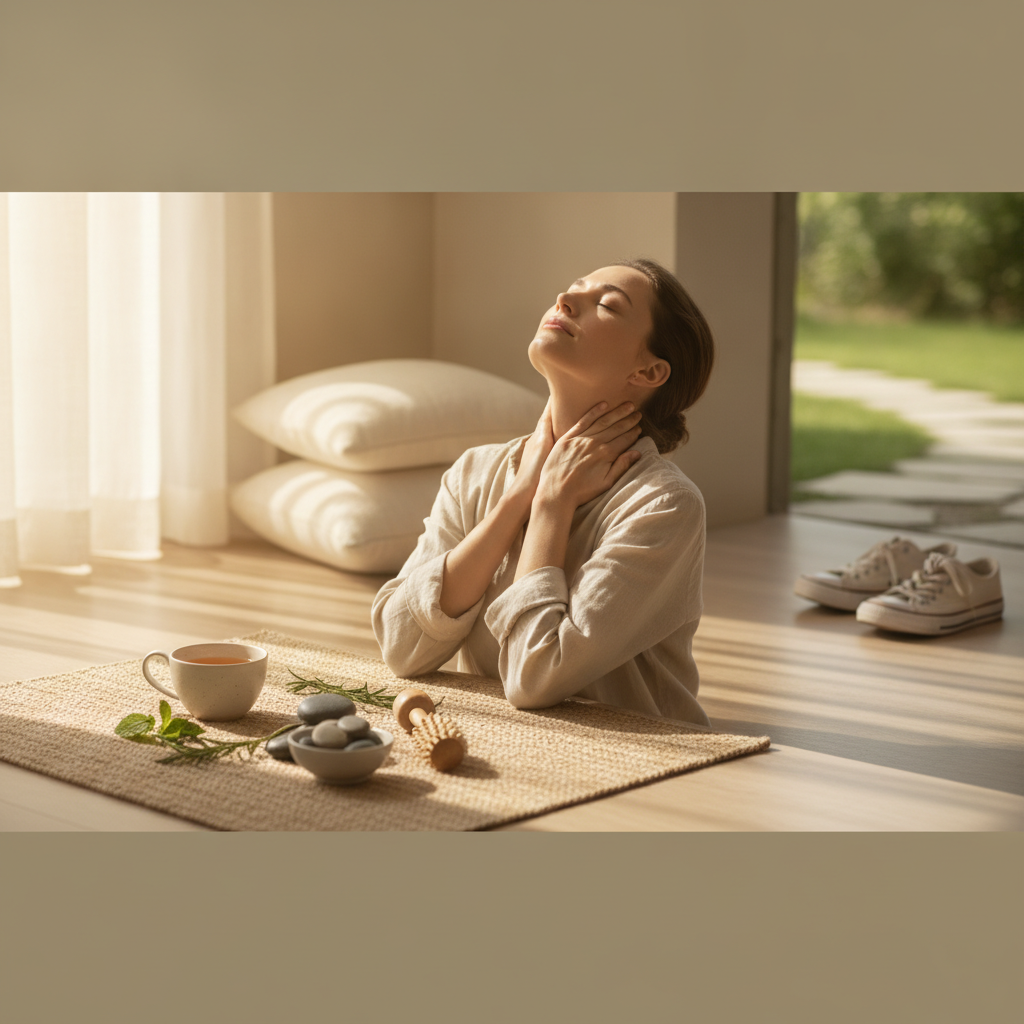
Understanding Muscle Tension and Its Impact
Muscle tension is more than just a fleeting discomfort; it's a physiological response that can become chronic if not addressed. Our muscles contract in response to various stimuli, and when this contraction persists, it can lead to a build-up of metabolic waste products, reduced blood flow, and the formation of 'knots' or trigger points. Understanding the common causes and effects can help in better targeting relief.
Common Causes of Muscle Tension
Several factors contribute to muscle tension in daily life:
- Poor Posture: Slouching over a computer, hunching while using a smartphone, or standing incorrectly can strain the neck, shoulders, and back.
- Repetitive Motions: Activities like typing, assembly line work, or certain sports can lead to overuse injuries and tension in specific muscle groups, such as the hands, wrists, and forearms.
- Stress and Anxiety: Emotional stress often manifests physically, causing muscles to tense up, particularly in the neck, shoulders, and jaw. This involuntary tensing can become habitual.
- Lack of Physical Activity: Sedentary lifestyles can lead to weakened muscles and reduced flexibility, making them more prone to stiffness and tension when finally used.
- Overexertion: Intense exercise or heavy lifting without proper warm-up or technique can cause acute muscle strain and soreness.
- Dehydration: Muscles require adequate hydration to function optimally; dehydration can contribute to cramping and stiffness.
The Effects of Unresolved Tension
Left unaddressed, chronic muscle tension can lead to a cascade of negative effects:
- Persistent Aches and Pains: Localized or widespread discomfort that can interfere with daily activities.
- Reduced Range of Motion: Stiffness can limit flexibility and make simple movements difficult.
- Headaches and Migraines: Tension in the neck and shoulders often radiates to the head, triggering or exacerbating headaches.
- Fatigue: Muscles working overtime to stay tense consume energy, leading to overall tiredness.
- Poor Sleep Quality: Discomfort can make it difficult to find a comfortable sleeping position, disrupting restorative sleep.
- Increased Stress Levels: A cycle where physical tension contributes to mental stress, and vice versa.
Regular self-massage helps break this cycle by improving blood circulation, warming muscle tissues, and encouraging relaxation, thus promoting both physical and mental well-being.
Essential Tools for Effective Self-Massage
While your own hands are often the most effective and accessible tools for self-massage, incorporating a few simple items can significantly enhance the experience and reach deeper tissues. These tools are generally inexpensive and widely available.
Your Hands and Fingers
Your most immediate and versatile tools are your own hands, thumbs, and fingers. They allow for precise control over pressure and movement, making them ideal for targeting smaller muscles and sensitive areas like the neck, face, and hands. Utilize your knuckles, the heel of your hand, and even your elbows for different pressure applications.
Small, Firm Balls
Items like a tennis ball, lacrosse ball, or a specialized massage ball are excellent for applying sustained, deep pressure to trigger points in larger muscle groups. Their spherical shape allows them to roll over muscles, while their firmness can penetrate deeper into tissues that fingers might struggle to reach. They are particularly useful for the back, hips, glutes, and feet.
Foam Rollers
Foam rollers are cylindrical tools designed for broader application of pressure across larger muscle groups. They are effective for self-myofascial release, helping to smooth out fascia and release tension in areas like the back, quadriceps, hamstrings, and calves. They come in various densities, with firmer rollers providing deeper pressure.
Massage Oils or Lotions
While not strictly a tool for pressure, a good quality massage oil or lotion can greatly improve the self-massage experience. It reduces friction between your skin and hands or tools, allowing for smoother gliding strokes and preventing skin irritation. Many oils also offer aromatherapy benefits, which can further enhance relaxation.
Fundamental Self-Massage Techniques
Mastering a few basic massage strokes will enable you to effectively address a wide range of muscle tensions. Always remember to start gently and gradually increase pressure as your muscles respond.
Effleurage (Gliding Strokes)
Effleurage involves long, sweeping, gliding strokes applied with the palms or flats of the fingers. This technique is typically used at the beginning of a massage to warm up the muscles, increase blood circulation, and spread any massage oil or lotion. It's also effective for finishing a session, promoting relaxation.
- How to: Use light, even pressure, moving towards the heart to encourage lymphatic drainage and blood flow. On the back, you might use your fists for broader strokes. On the neck, use your fingertips gently.
Petrissage (Kneading)
Petrissage involves lifting, rolling, and squeezing the muscle tissue. This technique helps to release deeper tension, improve circulation within the muscle, and stretch muscle fibers. It's excellent for areas with more substantial muscle mass.
- How to: Gently grasp a section of muscle between your thumb and fingers (or both hands for larger areas), lift it slightly, and then knead it in a circular motion. Imagine you are kneading dough. This works well on shoulders, thighs, and calves.
Friction (Circular Rubbing)
Friction techniques involve small, deep, circular movements applied to specific points of tension, often using thumbs or fingertips. The goal is to create friction beneath the skin to reach deeper muscle fibers and break down adhesions or knots.
- How to: Apply sustained, deep pressure to a tender spot or 'knot' and make small circles. The movement should come from your arm and shoulder, not just your wrist, to prevent hand fatigue. This is excellent for trigger points in the upper back or glutes.
Trigger Point Release
Trigger points are hyper-irritable spots within a taut band of muscle that can cause localized pain or referred pain to other areas. Releasing these points can provide significant relief.
- How to: Locate a tender spot or knot. Apply sustained, firm but tolerable pressure directly onto the trigger point using a thumb, knuckle, or a small ball. Hold the pressure for 30-90 seconds, or until you feel the tension begin to release or soften. Breathe deeply throughout. Do not press into sharp or intense pain.
Targeted Self-Massage for Common Areas
Different parts of the body accumulate tension in unique ways. Here are specific techniques for common problem areas.
Neck and Shoulders
Often a hotspot for tension due to stress, poor posture, and desk work.
- For the Neck: Use your fingertips to gently rub the back of your neck, from the base of your skull down towards your shoulders, using effleurage and petrissage strokes. For specific knots, use friction with your thumb or a few fingers. You can also tilt your head slightly to one side to expose the muscles on the opposite side for easier access.
- For the Shoulders: Use your opposite hand to knead the top of your shoulder and trapezius muscle. For deeper release, place a small, firm ball between your upper back/shoulder blade and a wall. Lean into the ball and gently roll it around, pausing on tender spots.
Lower Back
Commonly affected by prolonged sitting, standing, and lifting.
- With a Foam Roller: Lie on the floor with the foam roller under your lower back, perpendicular to your spine. Use your feet to gently roll yourself up and down, allowing the roller to massage the muscles on either side of your spine. Be cautious not to roll directly on your spine. For deeper pressure on one side, shift your weight slightly.
- With a Small Ball: Lie on your back on the floor, place a small ball under a tender spot in your lower back (avoiding the spine). Gently shift your weight or move slightly to allow the ball to press into the muscle. Hold for 30-60 seconds.
Hands and Forearms
Prone to tension from typing, gripping, or repetitive hand movements.
- For the Forearms: Use your opposite hand to firmly stroke and knead the muscles of your forearm, from the wrist to the elbow. Focus on both the top and underside. You can also use your thumb to apply friction to any tight spots.
- For the Hands: Use your thumb to massage the palm of your hand, especially the fleshy area at the base of your thumb. Gently pull and stretch each finger. Massage the web spaces between your fingers. Make small circles with your thumb over the back of your hand.
Feet
Constantly supporting your body, feet can get tired and tense.
- With a Small Ball: While seated or standing, place a small ball under one foot. Roll your foot over the ball from heel to toes, applying gentle to moderate pressure. Pause on any particularly tender spots, allowing the ball to press into the arch or ball of your foot. This helps release plantar fascia tension.
- With Hands: Use your thumbs to knead the arch and ball of your foot. Gently pull and twist your toes. Apply pressure to the heel.
Temples and Jaw
Often affected by stress, headaches, and teeth grinding.
- For the Temples: Use your fingertips to make small, gentle circular motions on your temples. Extend these circles up into your hairline and towards your forehead.
- For the Jaw: Place your fingertips on either side of your jaw, just below your cheekbones, where your jaw hinges. Make small circular motions, applying gentle pressure. You can also gently stroke downwards along the jawline towards your chin. If you clench your jaw, try gently opening and closing your mouth a few times during the massage.
Hips and Glutes
Can become tight from prolonged sitting or intense physical activity.
- With a Small Ball: Sit on the floor and place a small ball under your gluteal muscles. Gently shift your weight and roll around until you find a tender spot. Hold pressure on that spot for 30-90 seconds. You can cross one leg over the other to deepen the stretch and expose different muscle areas.
- With a Foam Roller: Sit on the foam roller with one glute. Cross the leg on that side over the other knee. Use your hands to support yourself as you gently roll back and forth over the glute, pausing on tight areas.
Integrating Self-Massage into Your Daily Routine
Consistency is key to experiencing the full benefits of self-massage. Even short, frequent sessions can make a significant difference.
- Morning Wake-Up: A few minutes of gentle massage on your neck and shoulders can help ease stiffness from sleep and prepare you for the day.
- Mid-Day Break: If you work at a desk, take a 5-minute break to massage your hands, forearms, neck, and shoulders to counteract the effects of prolonged sitting and typing.
- Post-Workout: After exercise, target the muscle groups you worked to help with recovery and reduce soreness. Use a foam roller for larger areas.
- Evening Wind-Down: A longer, more relaxing self-massage session in the evening can help release the day's tension and prepare your body for restful sleep. Focus on areas that feel particularly tight or stressed.
- Mindful Approach: Approach self-massage with a sense of mindfulness. Pay attention to how your body feels, listen to its signals, and breathe deeply. This enhances the relaxation benefits.
Important Considerations and When to Seek Professional Help
While self-massage is a beneficial practice, it's important to approach it with care and awareness of your body's limits.
- Gentle Pressure First: Always start with light pressure and gradually increase it. The goal is to release tension, not to cause pain. If you experience sharp or increasing pain, stop immediately.
- Avoid Injured Areas: Do not massage directly over open wounds, acute injuries (like recent sprains or fractures), inflamed areas, or areas with skin infections or rashes.
- Listen to Your Body: Everyone's body is different. What feels good for one person might be too much for another. Pay attention to your own sensations and adjust accordingly.
- Hydration: Staying well-hydrated supports muscle health and can help in the removal of metabolic waste products released during massage.
- Consult a Professional: Self-massage is a complementary practice, not a substitute for professional medical advice or treatment. If you experience persistent or severe pain, numbness, tingling, or if your symptoms worsen, it is crucial to consult a qualified healthcare professional, such as a doctor, physical therapist, or licensed massage therapist. They can diagnose the underlying cause of your discomfort and recommend appropriate treatment.
By integrating simple self-massage techniques into your daily routine, you gain an accessible and empowering tool for managing muscle tension, promoting physical comfort, and fostering overall relaxation. This proactive approach to self-care can significantly enhance your quality of life, allowing you to navigate the demands of modern living with greater ease and well-being.
More from wellness
The Critical Link Between Temperature and Restorative Sleep
Understanding how body and room temperature impact sleep is crucial for improving rest. This article explores the science behind temperature regulation and offers practical strategies for creating an ideal sleep environment, leading to more restorative nights.
Optimizing Your Workspace: Ergonomic Principles for Comfort and Well-being
Discover essential ergonomic principles to optimize your workspace, preventing discomfort and promoting long-term health. Learn how proper chair, desk, and monitor setups can enhance your daily well-being and productivity.
The Role of Proprioception in Movement Control and Balance Stability
Proprioception is the body's internal sense of its position, movement, and exerted force. This fundamental sensory system is crucial for coordinated motion, maintaining postural control, and achieving equilibrium in daily activities.
The Physiological and Metabolic Contributions of Consistent Non-Exercise Physical Activity
Non-exercise activity thermogenesis (NEAT) involves the energy expended through daily movements not classified as structured exercise. This article explores the physiological and metabolic mechanisms through which consistent, incidental physical activity impacts overall health and wellness.