
Crafting Inclusive Travel Itineraries for Diverse Groups: A Comprehensive Guide
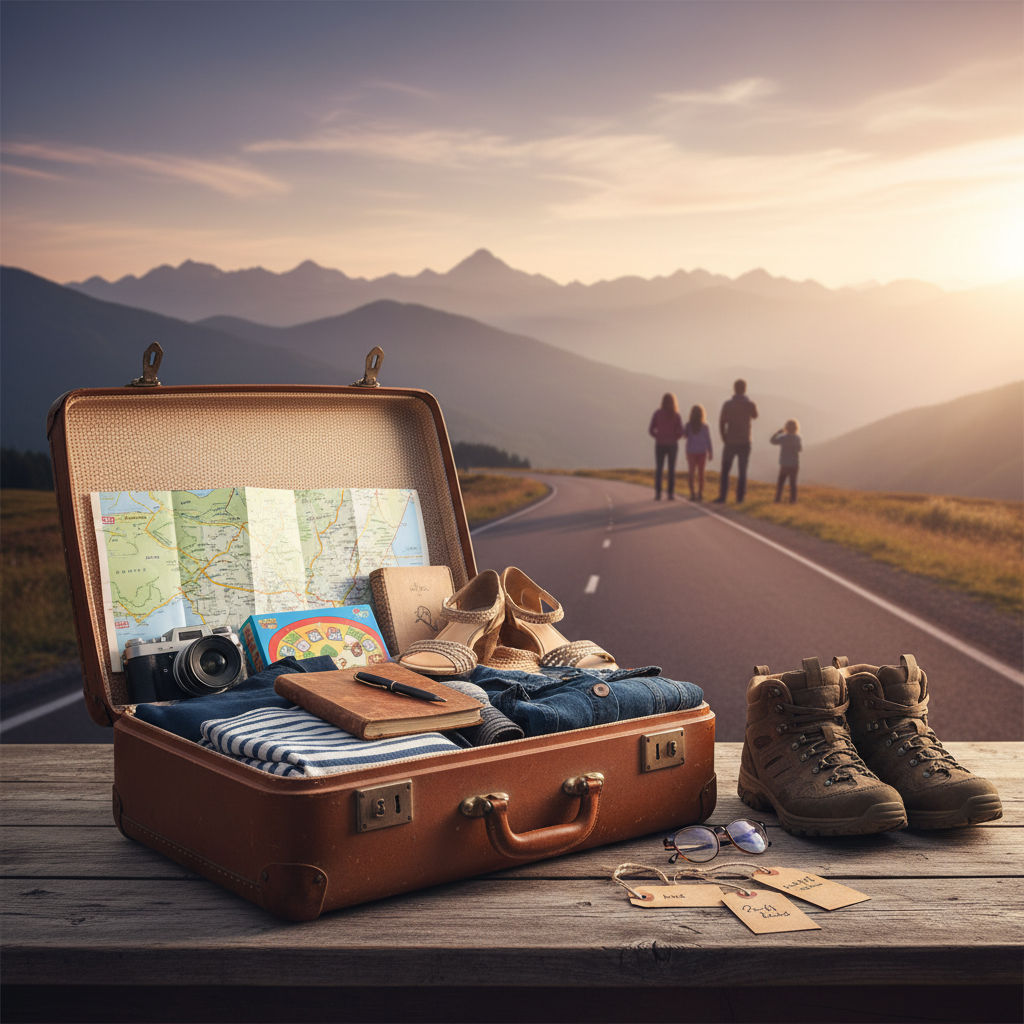
Organizing a group trip often involves navigating a complex web of individual preferences, expectations, and practical considerations. When the group is diverse, encompassing various age groups, interests, physical capabilities, or budgetary constraints, the task of crafting an itinerary that satisfies everyone can appear particularly daunting. Successful group travel, however, is not merely about finding a compromise, but about creating an inclusive experience where each member feels valued and engaged. This requires thoughtful planning, effective communication, and a systematic approach to itinerary development that moves beyond a simple list of destinations and activities. This guide provides a framework for building comprehensive travel plans that account for the unique dynamics of diverse groups, ensuring a journey that fosters connection and shared enjoyment rather than friction and unmet expectations.
Understanding Group Dynamics and Needs Assessment
The foundation of any successful group itinerary lies in a thorough understanding of the participants. Before any destinations are considered or bookings made, a detailed assessment of the group's composition and individual needs is paramount. This initial phase helps to identify potential areas of alignment and divergence, informing all subsequent planning decisions.
Identifying Core Participants and Demographics
The first step involves listing every traveler and noting their key demographic information. This includes age, particularly when dealing with multi-generational groups (e.g., young children, teenagers, adults, seniors). Age often correlates with energy levels, interests, and dietary requirements. Beyond age, considering the relationships within the group (e.g., family, friends, colleagues) can also provide insight into preferred interaction styles and desired levels of independence.
Gathering Interests and Preferences
Each traveler brings unique interests to the table. Some may seek adventure and outdoor activities, while others prefer cultural immersion, historical sites, culinary experiences, or simply relaxation. A comprehensive approach involves collecting input from every participant regarding their ideal travel activities, preferred pace, and non-negotiable elements. This can be facilitated through surveys, shared documents, or dedicated group discussions. It is also important to identify any activities or experiences individuals wish to avoid.
Assessing Physical Capabilities and Accessibility Requirements
For groups with varying physical capabilities, this step is critical. Travelers should be encouraged to communicate any mobility challenges, chronic health conditions, or specific accessibility needs. This information will directly influence choices regarding transportation, accommodation, types of activities, and the overall pace of the trip. For instance, extensive walking tours might be unsuitable for someone with limited mobility, while a busy amusement park could overwhelm individuals sensitive to crowds or noise.
Determining Budget Ranges and Financial Expectations
Financial considerations are a common source of tension in group travel. It is essential to establish a clear understanding of each participant's comfortable budget range early in the planning process. This includes not only the cost of flights and accommodation but also daily expenses such as meals, activities, local transportation, and souvenirs. Transparency about expected costs and a willingness to explore tiered options can mitigate financial stress and ensure fairness.
Communicating Expectations and Setting Ground Rules
Open and honest communication is the cornerstone of successful group travel. Once initial information is gathered, it is beneficial to hold a group discussion to articulate shared goals, address potential concerns, and set realistic expectations. This includes discussing the overall travel style (e.g., fast-paced exploration vs. relaxed leisure), desired amount of structured vs. free time, and any collective responsibilities during the trip. Establishing a clear communication channel for the duration of the planning and the trip itself is also advisable.
Phased Itinerary Development: From Concept to Detail
With a clear understanding of the group's dynamics, the itinerary can be developed systematically through several phases.
Phase 1: Brainstorming Destinations and Core Activities
Based on the initial needs assessment, a shortlist of potential destinations can be generated. The goal here is to find a location that offers a broad appeal, or at least sufficient variety to cater to multiple interests. For example, a destination with both historical sites and natural parks might satisfy both history buffs and outdoor enthusiasts. During this phase, a few 'anchor' activities or experiences that resonate with a majority of the group can be identified. These become the central pillars around which the rest of the itinerary is built.
Phase 2: Structuring the Framework and Daily Rhythm
Once a destination and core activities are agreed upon, the next step involves outlining the trip's overall structure. This includes determining the duration of the trip, allocating days to specific locations or themes, and establishing a general daily rhythm. A balanced itinerary often intersperses active days with more relaxed ones, allowing for downtime and spontaneous exploration. For diverse groups, it is crucial to avoid over-scheduling and to incorporate periods where individuals can pursue their own interests or simply rest.
Phase 3: Detailing Activities, Logistics, and Customization
This phase involves populating the framework with specific details. This includes researching and booking accommodations, flights, and major transportation. For activities, a 'menu' approach can be effective: offering several options for certain time slots, allowing individuals or smaller subgroups to choose what appeals most to them. For example, one afternoon might offer a museum visit, a shopping excursion, or a relaxing spa treatment. All booking details, contact information, and confirmation numbers should be meticulously organized.
Incorporating Flexibility and Contingency Planning
Even the most meticulously planned itinerary benefits from a degree of flexibility. Unforeseen circumstances, such as weather changes, travel delays, or sudden shifts in group energy, can impact the flow of a trip. Building in buffer time between activities, having alternative options for certain days, and maintaining a relaxed attitude towards minor deviations can significantly reduce stress. A designated 'free day' or 'flex time' can be invaluable for spontaneous excursions or catching up on rest.
Key Considerations for Diverse Groups
Addressing the specific needs of diverse groups requires targeted strategies.
Multi-Generational Travel
- Pacing: The pace of the trip should accommodate the youngest and oldest members. This often means slower mornings, mid-day breaks, and earlier evenings. Avoid packing too many activities into a single day.
- Varied Activities: Include activities that appeal to different age groups. Children might enjoy playgrounds or interactive museums, teenagers could seek out adventure sports or trendy spots, while adults might appreciate cultural tours or fine dining. Consider activities where all generations can participate together, such as a casual meal, a gentle walk, or a local performance.
- Accessibility: Ensure accommodations, transportation, and chosen attractions are accessible for those with mobility aids, strollers, or specific physical limitations. Research ahead for ramps, elevators, and accessible restrooms.
Diverse Interests and Preferences
- Choice and Autonomy: Empower travelers by offering choices. Instead of forcing everyone to participate in every activity, present options that cater to different interests. This allows individuals to tailor parts of their experience.
- Split Activities: It is perfectly acceptable for the group to split up for certain activities, reconvening later for shared meals or evening events. This ensures everyone gets to experience what they genuinely enjoy.
- Shared Experiences: Balance individual pursuits with collective activities that foster group bonding, such as shared meals, evening shows, or group photos at landmarks.
Budget Variances
- Tiered Options: When possible, offer a range of choices for accommodation, dining, or activities that cater to different budgets. For instance, suggesting both a high-end restaurant and a more casual, local eatery for dinner.
- Clear Cost Breakdown: Provide a transparent breakdown of all anticipated costs, distinguishing between shared expenses (e.g., group transportation) and individual expenses (e.g., souvenirs). Agree on how shared costs will be managed and settled.
- Free and Low-Cost Activities: Incorporate free or low-cost activities like park visits, walking tours, or beach days to balance out more expensive excursions.
Dietary and Health Needs
- Pre-Communication: Collect information on all dietary restrictions, allergies, and health conditions well in advance. Share this information with accommodations, tour operators, and restaurants where group meals are planned.
- Restaurant Research: Research restaurants that can accommodate specific dietary needs. It can be helpful to have a few go-to options identified in each location.
- Medication and Emergency Preparedness: Advise travelers to pack essential medications and a basic first-aid kit. Know where the nearest pharmacies or medical facilities are located.
Tools and Resources for Itinerary Management
Leveraging technology can significantly streamline the planning process and enhance group coordination.
- Shared Documents and Spreadsheets: Tools like Google Docs or Sheets allow for collaborative input on preferences, tracking of bookings, and creation of a master itinerary accessible to all. These platforms can host flight details, accommodation information, daily schedules, and important contact numbers.
- Travel Planning Apps: Numerous apps are designed for group travel planning, offering features for itinerary building, expense splitting, and real-time communication. Examples include TripIt, Wanderlog, or Splitwise for expenses.
- Communication Platforms: A dedicated group chat (e.g., WhatsApp, Telegram) facilitates easy communication for quick questions, updates, and sharing photos during the trip.
- Local Guides and Experts: For complex destinations or specific interests, consider hiring local guides. They can provide invaluable insights, logistical support, and access to unique experiences while reducing the planning burden on the group organizer.
The Importance of Flexibility and a Positive Mindset
Even with the most comprehensive planning, group travel rarely unfolds exactly as anticipated. The key to a successful and enjoyable experience for diverse groups lies not just in the initial preparation but also in the ability to adapt and maintain a positive mindset when unexpected changes occur. A detailed itinerary serves as a guide, not a rigid mandate. Encourage an attitude of flexibility within the group, reminding everyone that the ultimate goal is to create shared memories and enjoy the journey together. Embracing minor detours or spontaneous additions can often lead to some of the most memorable moments of a trip.
Crafting an inclusive travel itinerary for diverse groups is an investment in the collective enjoyment and success of the trip. By systematically assessing needs, communicating openly, offering choices, and embracing flexibility, organizers can transform a potentially complex undertaking into a rewarding experience. The result is a journey where every participant feels considered, engaged, and genuinely able to connect with the destination and each other.
More from travel

Mastering Efficient Local Transportation for Immersive Urban Exploration
Discover how to navigate cities like a local, utilizing various public and personal transport options to enhance your urban exploration. This guide provides practical strategies for efficient movement, allowing for deeper engagement with city life and culture.
Essential Strategies for Protecting Travel Documents and Digital Information Abroad
International travel offers enriching experiences, but it also demands vigilance in protecting your vital documents and digital identity. Proactive preparation and secure practices are key to a smooth and worry-free journey, preventing potential disruptions and stress.

Understanding International Travel Visa Requirements and Border Procedures
International travel often necessitates a thorough understanding of visa requirements and border control protocols. These regulations vary significantly by destination, traveler nationality, and purpose of visit, influencing the planning and execution of global journeys.

Integrating Wellness Practices into Diverse Travel Itineraries for Enhanced Journeys
The integration of wellness practices into travel itineraries represents an approach that prioritizes holistic well-being throughout a journey. This method focuses on maintaining physical, mental, and emotional health while exploring new environments and cultures, extending beyond dedicated retreats.