
Crafting an Unforgettable Safari Expedition: A Comprehensive Planning Guide
Embarking on a safari expedition represents more than just a trip; it is an immersive journey into the heart of the natural world, a profound opportunity to witness wildlife in its unadulterated habitat, and a chance to connect with landscapes of unparalleled beauty. The allure of the African bush, with its vast plains, ancient forests, and vibrant ecosystems, captivates the imagination of many. However, translating this dream into a tangible, unforgettable experience requires meticulous planning and a deep understanding of various considerations. From selecting the ideal destination that aligns with one's wildlife aspirations to navigating the complexities of logistics, accommodation choices, and ethical considerations, each decision contributes significantly to the overall quality and impact of the journey. This guide aims to demystify the planning process, offering a comprehensive framework for crafting a safari expedition that is both deeply rewarding and responsibly undertaken, ensuring that every aspect, from the first step of research to the final moment of departure, is thoughtfully considered.
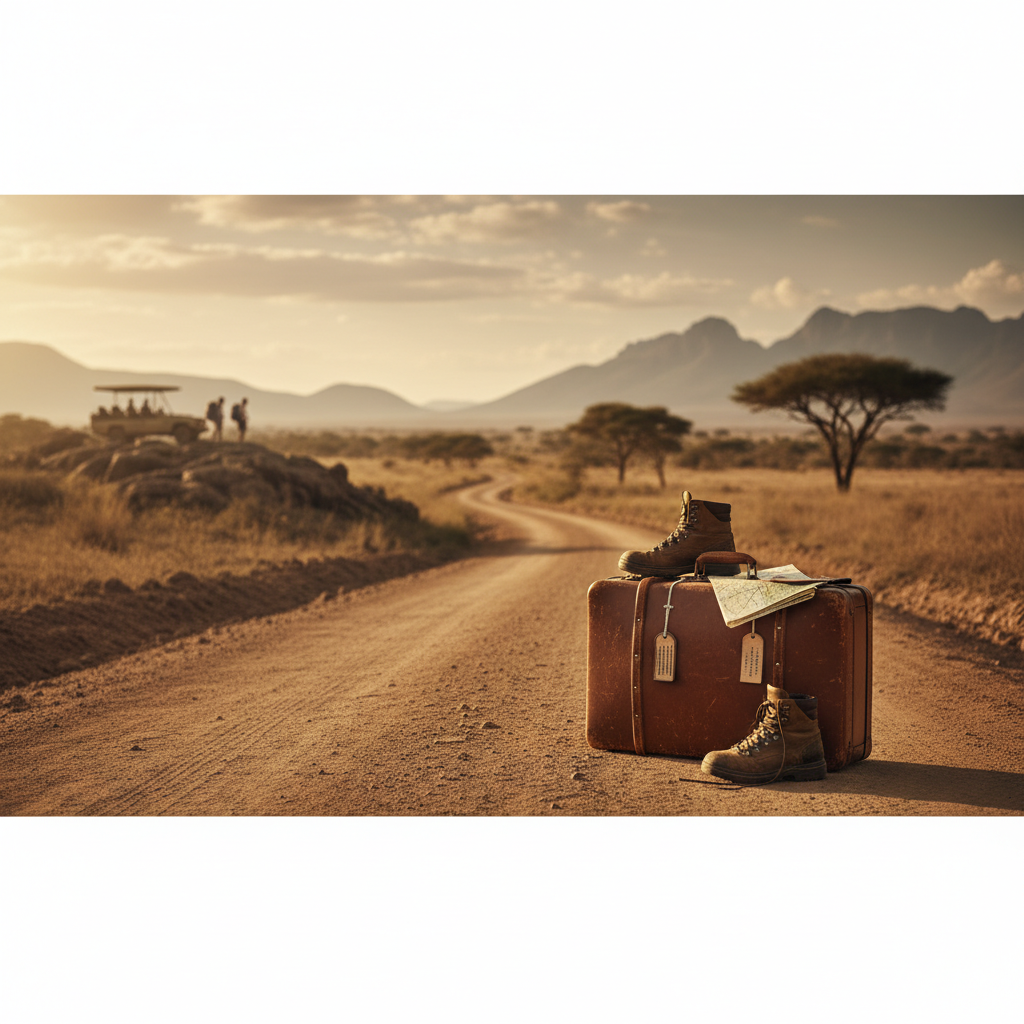
Defining Your Safari Vision
Before any bookings are made, it is crucial to articulate the vision for the safari. This involves understanding personal preferences regarding wildlife, landscape, level of immersion, and desired pace of travel. A well-defined vision serves as the compass for all subsequent planning decisions.
Destination Selection: Geography and Wildlife
Africa, with its diverse ecosystems, offers a spectrum of safari experiences. East Africa, encompassing countries like Kenya, Tanzania, Rwanda, and Uganda, is renowned for the Great Migration, vast savannahs, and primate trekking experiences, including mountain gorillas. Southern Africa, featuring Botswana, South Africa, Zambia, Zimbabwe, and Namibia, presents a different appeal with the Okavango Delta's waterways, Kruger National Park's high wildlife density, and unique desert landscapes. Each region boasts distinct wildlife populations and ecological characteristics, making the choice dependent on specific wildlife interests, such as encountering the 'Big Five,' observing particular bird species, or witnessing unique migrations.
Timing Your Expedition: Seasons and Spectacles
The timing of a safari profoundly influences the experience. The dry season (typically May to October in most regions) often concentrates wildlife around water sources, making sightings more predictable. Vegetation is sparser, further aiding visibility. Conversely, the wet season (November to April) transforms the landscape into lush green, attracting migratory birds and offering dramatic photographic opportunities, though wildlife can be more dispersed. For specific events, such as the Great Migration in East Africa, precise timing is essential to coincide with river crossings or calving seasons. Understanding the seasonal dynamics of the chosen destination is paramount for optimizing wildlife viewing opportunities and comfort.
Choosing Your Safari Style
Safari experiences range widely, catering to different preferences for comfort, immersion, and activity levels. Lodge-based safaris offer permanent structures with amenities akin to hotels, providing a comfortable base. Tented camps, ranging from luxurious semi-permanent structures to more rustic options, offer a closer connection to nature without sacrificing comfort. Mobile safaris, where camps are set up and moved to follow wildlife or explore remote areas, provide the most immersive and authentic bush experience, often with exclusive access to private concessions. Beyond traditional game drives, options include walking safaris for a deeper sensory engagement with the bush, boat safaris in water-rich areas, and cultural interactions with local communities, enriching the journey beyond wildlife encounters.
The Pillars of a Responsible Safari
As travelers seek authentic and impactful experiences, the ethical and sustainable aspects of safari planning have become increasingly important. Responsible tourism ensures that the expedition benefits local communities and contributes to conservation efforts.
Partnering with Reputable Operators
Selecting a reputable safari operator is a critical decision. A reliable operator possesses deep local knowledge, employs experienced guides, and demonstrates a commitment to ethical practices. Accreditation by recognized industry bodies, transparent pricing, and positive testimonials are indicators of trustworthiness. A good operator can tailor an itinerary to match the traveler's vision, handle complex logistics, and provide crucial insights into local customs and conservation initiatives. Their expertise not only enhances the safari experience but also ensures that the journey is conducted safely and responsibly.
Sustainable and Ethical Practices
Sustainable tourism on safari involves minimizing environmental impact and maximizing benefits for local communities. This includes choosing eco-friendly lodges that utilize renewable energy, conserve water, and manage waste responsibly. Supporting operators who employ and train local staff, source goods locally, and contribute directly to community development projects fosters positive socio-economic impacts. Adhering to strict wildlife viewing protocols, such as maintaining respectful distances, avoiding disturbance, and never feeding animals, is fundamental to ethical engagement with nature. Travelers should inquire about an operator's conservation policies and their tangible contributions to wildlife protection and habitat preservation.
Logistical Mastery: Preparing for the Journey
Seamless execution of a safari expedition hinges on meticulous attention to logistical details, ensuring a smooth and stress-free journey from start to finish.
Air Travel and Transfers
International flights to major African hubs are the first step, often followed by domestic flights or small bush planes to reach remote safari camps. It is important to be aware of luggage restrictions on internal flights, which often mandate soft-sided bags and strict weight limits due to the smaller aircraft used. Coordinating all flight segments and transfers with the safari operator is advisable to prevent unforeseen delays or complications.
Visa and Entry Requirements
Visa requirements vary significantly by country and nationality. Thorough research into the specific entry regulations for all countries visited, including transit points, is essential well in advance of departure. Some countries offer e-visas, while others require applications through embassies or consulates. Passport validity, often requiring six months beyond the intended departure date and several blank pages, must also be checked.
Health and Safety Protocols
Consultation with a medical professional regarding recommended vaccinations (e.g., Yellow Fever, Hepatitis, Tetanus) and malaria prophylaxis is crucial. Malaria risk varies by region and season, and preventative measures are often advised. A comprehensive travel insurance policy that covers medical emergencies, evacuations, trip cancellations, and lost luggage is indispensable for peace of mind. A personal first-aid kit containing basic medications, antiseptic wipes, and any personal prescriptions should also be prepared.
Packing Smart for the Bush
Practicality and comfort dictate safari packing. Layered clothing in neutral colors (khaki, olive, brown, grey) is recommended for blending into the environment and adapting to temperature fluctuations throughout the day. Essential items include a wide-brimmed hat, sunglasses, high-SPF sunscreen, insect repellent, comfortable walking shoes, and a light jacket for cooler evenings. Binoculars are vital for wildlife viewing, and a good camera with appropriate lenses is recommended for capturing memories. Due to internal flight restrictions, soft-sided luggage is generally preferred.
Budgeting Your Safari Investment
Safari expeditions represent a significant investment, and understanding the components of the cost allows for informed decision-making and value optimization.
Understanding Cost Components
The overall cost of a safari typically includes accommodation, game drives and activities, park entrance fees, professional guiding services, internal transfers, and sometimes international airfare. The duration of the safari, the exclusivity of the camps, the season of travel, and the level of luxury chosen all influence the price. High season travel, private concessions, and luxurious accommodations will naturally incur higher costs.
Value vs. Expense
While safaris can be expensive, viewing them as an investment in a unique, once-in-a-lifetime experience can reframe the perspective. The value derived often extends beyond the tangible, encompassing unparalleled wildlife encounters, expert guidance, and the contribution to conservation efforts. Prioritizing quality in areas such as experienced guides, well-maintained vehicles, and ethical operators often leads to a more enriching and impactful journey, justifying the expenditure.
The Safari Experience: Beyond the Wildlife
An unforgettable safari transcends mere animal sightings; it is a holistic immersion into the African wilderness, enriched by expert insights and cultural exchanges.
Expert Guiding
The expertise of a safari guide is perhaps the most critical element of the experience. Knowledgeable guides not only possess an uncanny ability to track and locate wildlife but also share profound insights into animal behavior, ecology, and conservation challenges. Their storytelling and deep understanding of the environment transform game drives into educational and deeply engaging experiences, offering perspectives that would otherwise be missed.
Cultural Immersion
Many safari itineraries offer opportunities for respectful cultural interactions with local communities. These engagements, whether through village visits, market tours, or learning about traditional crafts, provide a deeper appreciation for the human element of the African landscape. Such interactions should always be facilitated by ethical operators who ensure that visits are beneficial and respectful to the communities involved.
Photography and Documentation
Capturing the magic of a safari requires patience and preparation. A camera with a good zoom lens is essential for wildlife photography, along with extra batteries and memory cards. Respecting the wildlife and following guide instructions are paramount, even when seeking the perfect shot. Beyond photography, journaling or sketching can offer a more personal and reflective way to document the journey, preserving memories and observations.
This article provides general information and should not be considered medical, financial, or legal advice. Travelers are advised to consult with relevant professionals, such as healthcare providers for health concerns, financial advisors for budgeting, and embassy officials for visa requirements, before making travel decisions, as conditions and regulations can change without notice.
Crafting a safari expedition is an intricate process, yet the rewards of a thoughtfully planned journey are immeasurable. By carefully considering destination, timing, safari style, ethical practices, and logistical details, travelers can embark on an adventure that not only fulfills a lifelong dream but also contributes positively to the conservation of Africa's precious wildlife and cultural heritage. The meticulous preparation ensures that the safari becomes a truly unforgettable and transformative experience, leaving an indelible mark on the soul long after the journey concludes.
More from travel

Mastering Efficient Local Transportation for Immersive Urban Exploration
Discover how to navigate cities like a local, utilizing various public and personal transport options to enhance your urban exploration. This guide provides practical strategies for efficient movement, allowing for deeper engagement with city life and culture.
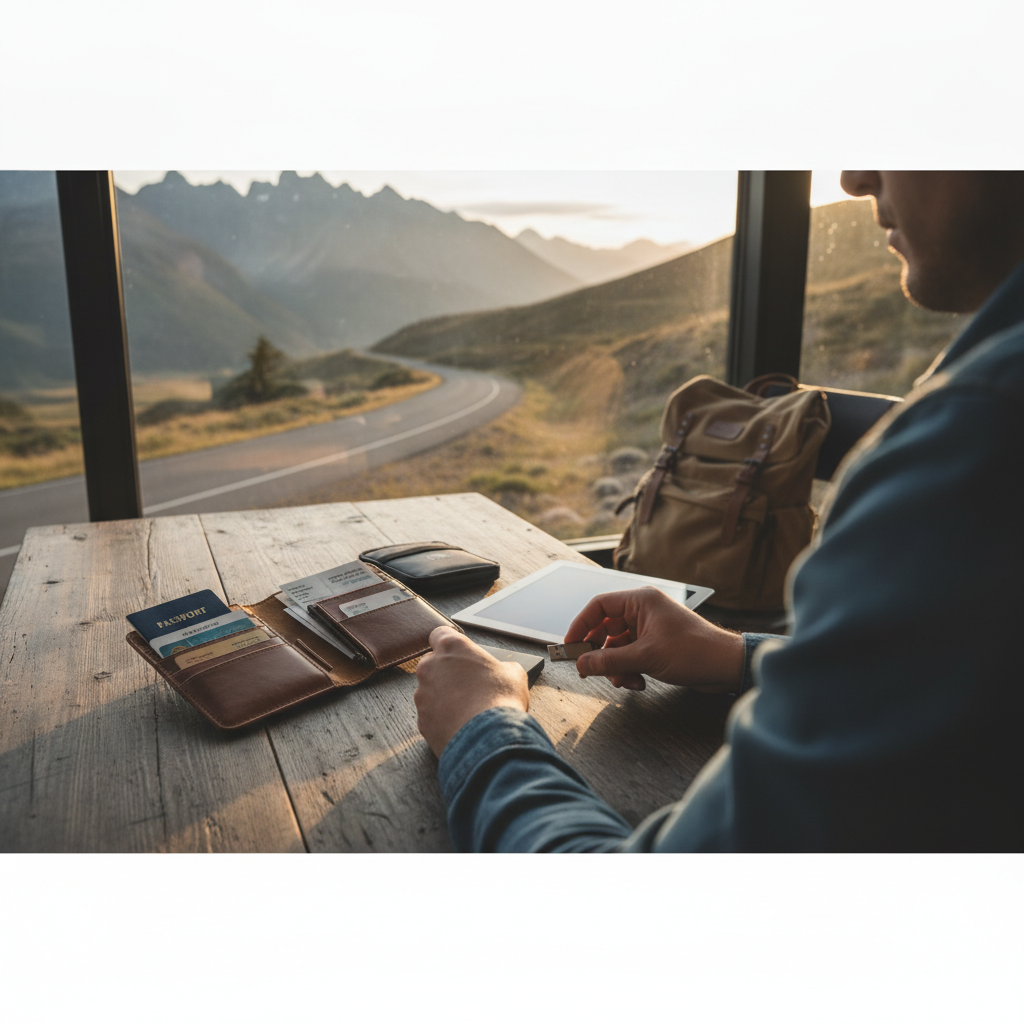
Essential Strategies for Protecting Travel Documents and Digital Information Abroad
International travel offers enriching experiences, but it also demands vigilance in protecting your vital documents and digital identity. Proactive preparation and secure practices are key to a smooth and worry-free journey, preventing potential disruptions and stress.
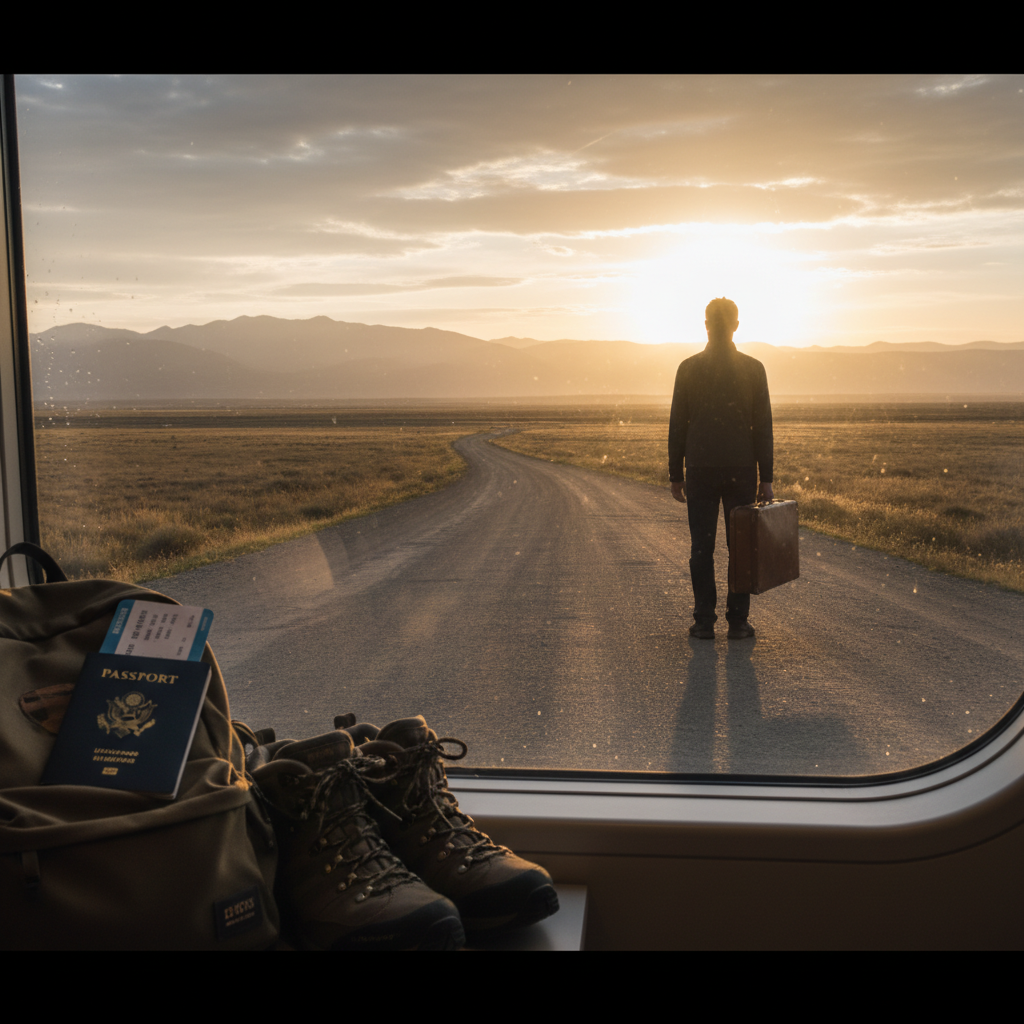
Understanding International Travel Visa Requirements and Border Procedures
International travel often necessitates a thorough understanding of visa requirements and border control protocols. These regulations vary significantly by destination, traveler nationality, and purpose of visit, influencing the planning and execution of global journeys.

Integrating Wellness Practices into Diverse Travel Itineraries for Enhanced Journeys
The integration of wellness practices into travel itineraries represents an approach that prioritizes holistic well-being throughout a journey. This method focuses on maintaining physical, mental, and emotional health while exploring new environments and cultures, extending beyond dedicated retreats.