
Essential Photography Gear for Documenting Adventure Travel: A Practical Guide
Embarking on an adventure travel expedition often means confronting unpredictable conditions, remote locations, and dynamic environments. For those dedicated to documenting these experiences through photography, the selection of appropriate gear is paramount. It involves more than simply choosing a camera; it necessitates a comprehensive understanding of how each piece of equipment will perform under duress, its weight and bulk, its power requirements, and its ability to withstand the elements. The right gear empowers a traveler to capture the raw beauty and intensity of their journey, while ill-suited equipment can become a liability, hindering both the photographic endeavor and the overall travel experience. This guide delves into the essential components of an adventure photography kit, offering practical considerations for each category to ensure travelers are well-equipped to preserve their unique adventures.
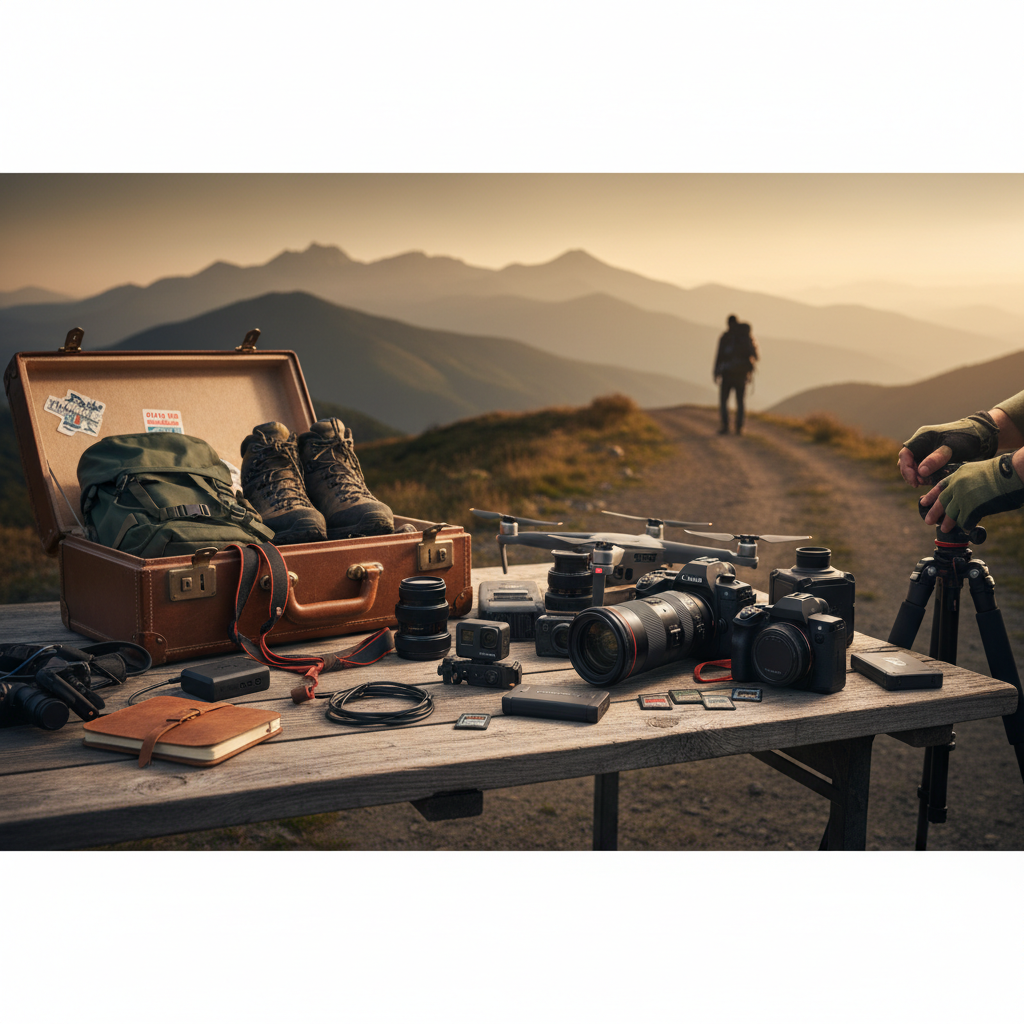
Camera Systems: The Foundation of Image Capture
Selecting the primary camera body is a pivotal decision, largely dictating the capabilities and limitations of the entire photographic setup. Two main categories dominate the market for serious photographers: Digital Single-Lens Reflex (DSLR) cameras and Mirrorless Interchangeable-Lens Cameras.
Mirrorless vs. DSLR
DSLR cameras have long been the workhorses for professional photography, known for their robust build, extensive lens ecosystems, and optical viewfinders. They generally offer excellent battery life and ergonomic designs that are familiar to many photographers. However, their larger size and weight can be a significant drawback for adventure travel, where every gram counts.
Mirrorless cameras, by contrast, have seen rapid advancements, often matching or exceeding DSLRs in image quality, autofocus performance, and video capabilities. Their compact size and lighter weight, due to the absence of a mirror box and optical prism, make them inherently more appealing for travel. Many modern mirrorless systems also feature advanced in-body image stabilization (IBIS) and weather sealing, crucial for challenging conditions. The electronic viewfinder (EVF) provides a real-time preview of exposure and white balance, which can be advantageous in tricky lighting.
For adventure travel, mirrorless systems often present a compelling choice due to their reduced footprint and advanced features, provided robust weather sealing and battery life are sufficient for the intended expedition.
Lens Selection: Versatility in Varied Landscapes
The choice of lenses is arguably more critical than the camera body itself, as lenses dictate perspective, focal length, and light-gathering capabilities. For adventure travel, versatility and durability are key.
Wide-Angle Lenses
Essential for expansive landscapes, architectural shots, and capturing a broad sense of place. Lenses in the 14-24mm or 16-35mm range (full-frame equivalent) are popular choices. A wider aperture (e.g., f/2.8) can be beneficial for low-light conditions or astrophotography, but often comes with increased size and weight. Consider a zoom lens for flexibility or a fast prime for ultimate image quality and low-light performance.
Standard Zoom Lenses
A versatile workhorse, typically covering a range like 24-70mm or 24-105mm. This range is suitable for a vast array of subjects, from environmental portraits to general landscapes and street scenes. A standard zoom often serves as the primary lens, minimizing the need for frequent lens changes in dusty or wet environments.
Telephoto Lenses
Useful for wildlife, distant landscapes, and compressing perspective. Lenses such as 70-200mm or 100-400mm allow photographers to isolate subjects and capture details from afar. While telephoto lenses can be heavy, their ability to bring distant subjects into focus can be indispensable for certain adventure scenarios. Consider a lens with optical image stabilization for hand-held shooting.
Prime Lenses
While zoom lenses offer convenience, prime lenses (fixed focal length) often provide superior optical quality, wider apertures, and lighter weight. A fast prime lens (e.g., 35mm f/1.4 or 50mm f/1.8) can be invaluable for low-light situations, portraits, or for achieving a shallow depth of field, offering a distinct aesthetic that complements adventure narratives.
Stabilization: Essential for Sharp Imagery
Maintaining stability is crucial for sharp images, especially in challenging light or when using longer focal lengths. For adventure travel, stabilization solutions must balance effectiveness with portability.
Tripods
A lightweight carbon fiber travel tripod is often the preferred choice. It provides maximum stability for long exposures, astrophotography, self-portraits, and precise compositions. Look for models that fold compactly and are sturdy enough to support the camera and lens combination, potentially withstanding wind.
Monopods
Offering less stability than a tripod but significantly more portable, a monopod can be useful for supporting telephoto lenses or for situations where quick adjustments are needed. They are particularly beneficial in crowded areas or when space is limited.
Gimbal Systems
For videographers, a compact gimbal system can provide incredibly smooth footage, transforming shaky handheld video into professional-looking sequences. While adding bulk, the results can be transformative for dynamic adventure videography.
Power Management: Sustaining Operations in Remote Areas
Reliable power is non-negotiable for extended trips away from electrical outlets. A comprehensive power strategy involves multiple components.
Extra Batteries
Carrying several spare batteries is essential. The number required depends on camera model, shooting style, and trip duration. It is prudent to have enough power for at least 2-3 days of intensive shooting without access to recharging.
Portable Chargers and Power Banks
USB-C compatible cameras can often be charged via power banks, which are invaluable for topping up batteries on the go. High-capacity power banks capable of charging multiple devices are highly recommended.
Solar Chargers
For truly off-grid expeditions, a portable solar panel charger can provide a sustainable source of power. While charging speeds vary, they offer peace of mind for prolonged stays in remote areas.
Data Storage: Safeguarding Memories
The images captured represent irreplaceable memories. A robust data storage strategy is critical to prevent loss.
High-Capacity Memory Cards
Invest in fast, reliable, high-capacity SD, CFexpress, or XQD cards. Carrying multiple smaller cards rather than one large one can mitigate risk in case of card failure. Look for cards from reputable brands known for durability and speed.
Portable Hard Drives or SSDs
For backing up photos in the field, a rugged portable hard drive or solid-state drive (SSD) is indispensable. SSDs are generally more durable and faster, making them ideal for adventure travel where bumps and drops are possible. Consider models with built-in card readers or those that are self-powered.
Cloud Backup (When Available)
Whenever internet access permits, uploading critical images to a cloud storage service adds an extra layer of security.
Protection and Carrying: Shielding Your Investment
Adventure travel exposes gear to harsh conditions. Proper protection and a suitable carrying system are vital.
Camera Bags and Backpacks
A well-designed camera backpack offers protection, organization, and comfortable carrying over long distances. Look for features such as padded compartments, weather-resistant materials, and a rain cover. The bag should allow quick access to gear while keeping it secure.
Weather Sealing and Rain Covers
Prioritize cameras and lenses with robust weather sealing. For additional protection, carrying dedicated rain covers for the camera body and lenses, or even a full camera bag rain cover, is a wise precaution against rain, snow, and dust.
Protective Cases
For extremely sensitive or expensive items, a hard-shell protective case (e.g., Pelican case) may be warranted, particularly for transport in rugged environments or during transit where luggage may be handled roughly.
Essential Accessories: Enhancing Functionality
Beyond the primary gear, several accessories can significantly enhance the photographic experience.
Filters
- Polarizing Filters: Reduce glare, enhance color saturation, and deepen blue skies. Indispensable for landscape photography.
- Neutral Density (ND) Filters: Allow for longer exposures in bright light, useful for blurring motion in water or clouds.
- UV Filters: Primarily for lens protection against scratches and dust, with minimal impact on image quality.
Cleaning Kits
A basic cleaning kit, including a rocket blower, lens pen, microfiber cloths, and lens cleaning solution, is essential for maintaining optical clarity in dusty or dirty environments.
Remote Shutter Release
Useful for long exposures, astrophotography, or macro photography to avoid camera shake. Wired or wireless options are available.
Beyond the Camera: Specialized Tools
For certain adventure pursuits, additional specialized gear can offer unique perspectives.
Drones
Compact, foldable drones can capture stunning aerial perspectives of landscapes and expeditions. Considerations include battery life, flight regulations, and durability in windy conditions. Training and adherence to local laws are crucial.
Action Cameras
GoPro and similar action cameras excel in capturing immersive, first-person point-of-view footage in extreme conditions. They are highly durable, waterproof, and compact, making them ideal for activities like kayaking, climbing, or mountain biking where traditional cameras might be too cumbersome or vulnerable.
Disclaimer
The selection of photography gear is a highly personal decision, influenced by individual travel styles, photographic goals, and budget. This guide offers general considerations to inform choices for adventure travel photography, and thorough personal research, along with testing gear in conditions similar to the intended expedition, is always recommended before making significant purchases.
Thoughtful preparation and the right equipment can significantly enhance the ability to capture the profound beauty and exhilarating challenges of adventure travel. By prioritizing durability, portability, power management, and data protection, photographers can ensure their gear is as ready for the journey as they are, enabling them to focus on the moment and bring home compelling visual narratives of their expeditions. Investing in a well-considered kit transforms the act of documentation into an integral and enriching part of the adventure itself.
More from travel
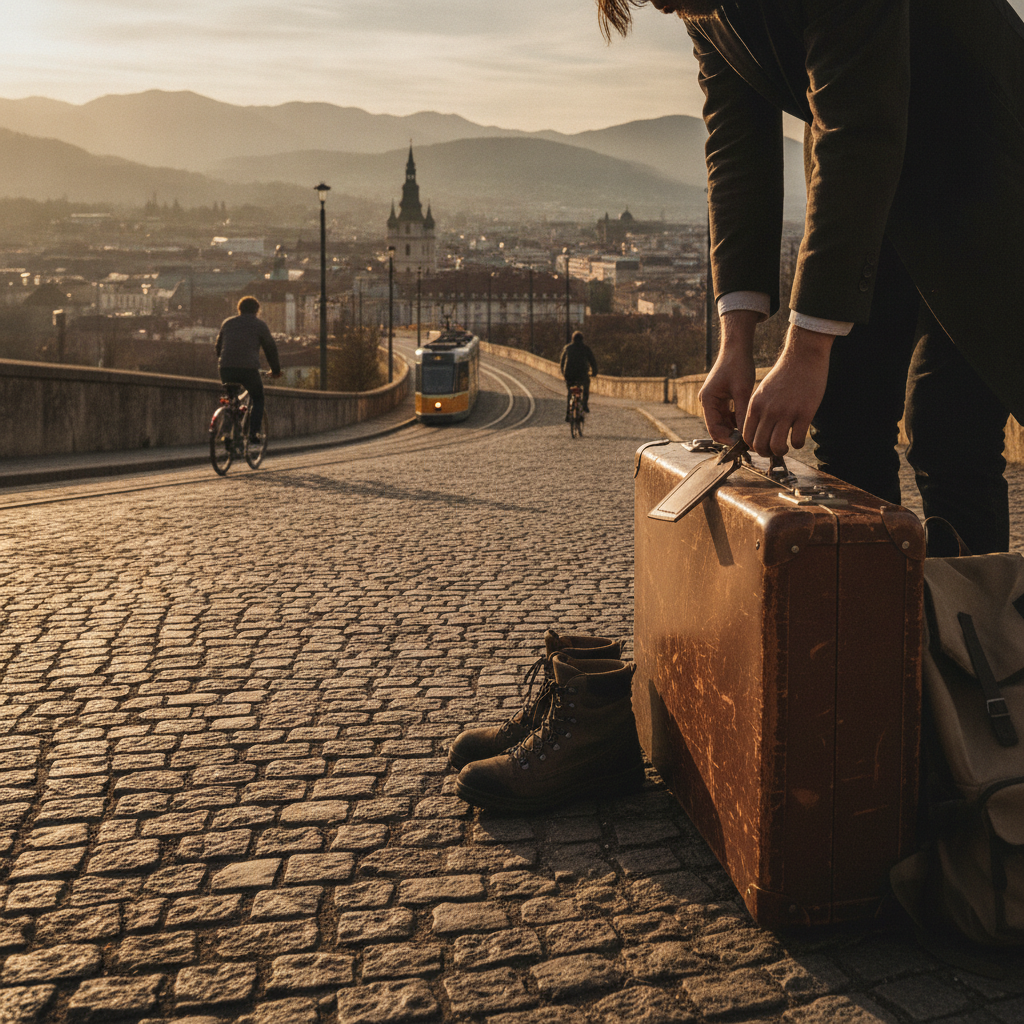
Mastering Efficient Local Transportation for Immersive Urban Exploration
Discover how to navigate cities like a local, utilizing various public and personal transport options to enhance your urban exploration. This guide provides practical strategies for efficient movement, allowing for deeper engagement with city life and culture.
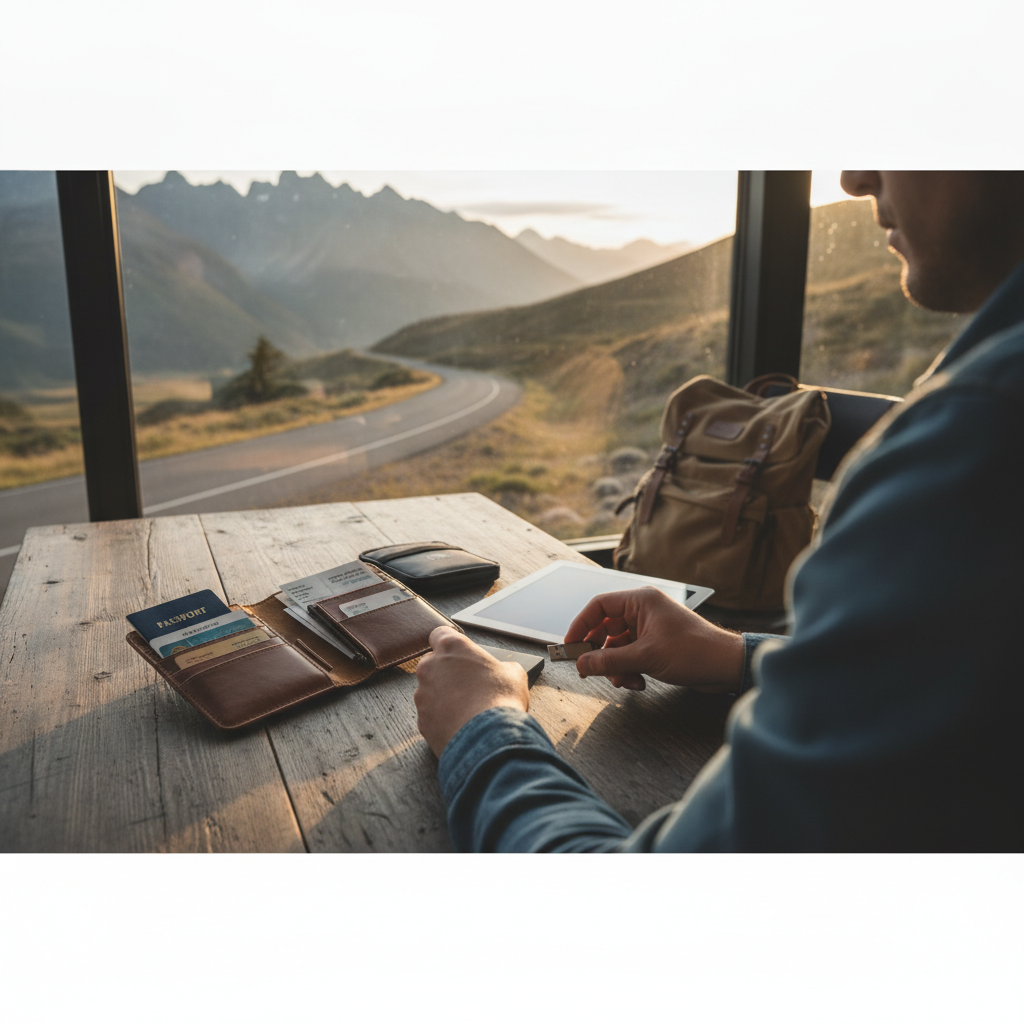
Essential Strategies for Protecting Travel Documents and Digital Information Abroad
International travel offers enriching experiences, but it also demands vigilance in protecting your vital documents and digital identity. Proactive preparation and secure practices are key to a smooth and worry-free journey, preventing potential disruptions and stress.
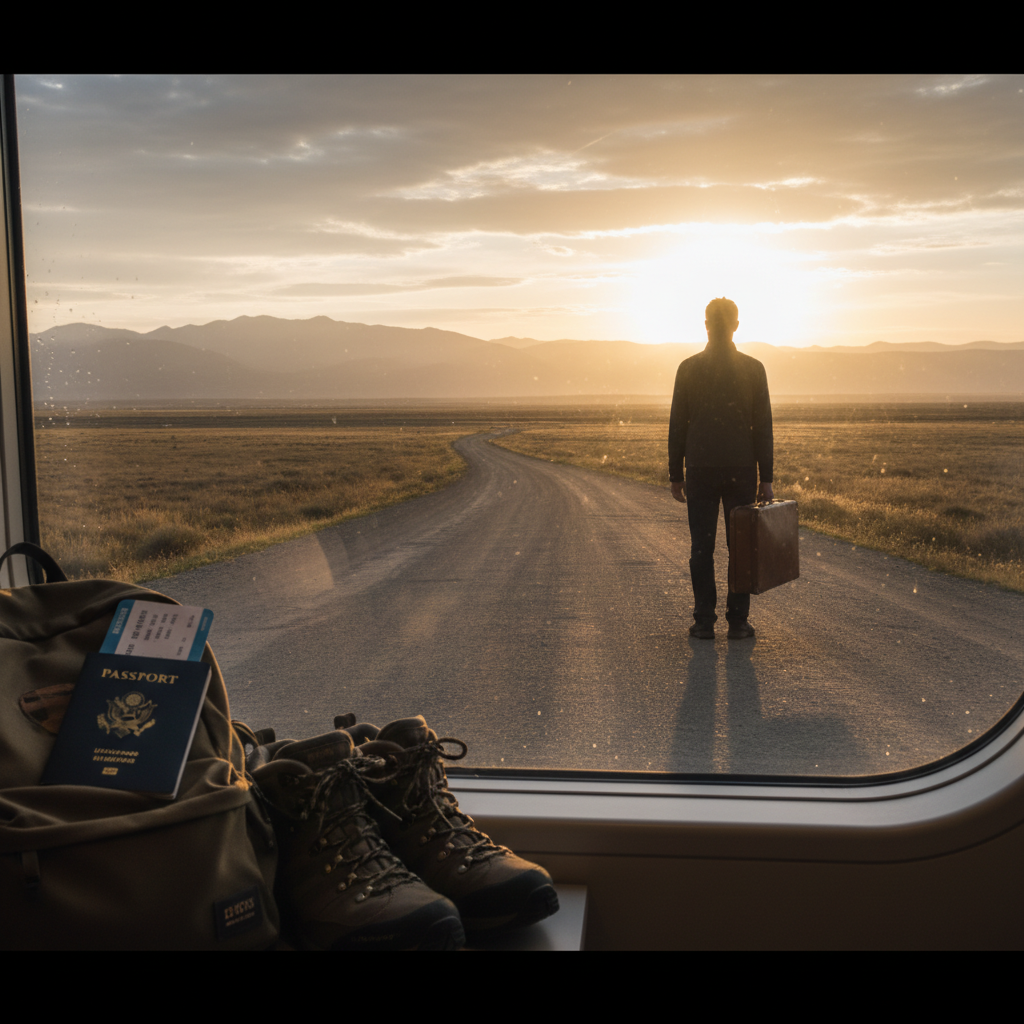
Understanding International Travel Visa Requirements and Border Procedures
International travel often necessitates a thorough understanding of visa requirements and border control protocols. These regulations vary significantly by destination, traveler nationality, and purpose of visit, influencing the planning and execution of global journeys.
Integrating Wellness Practices into Diverse Travel Itineraries for Enhanced Journeys
The integration of wellness practices into travel itineraries represents an approach that prioritizes holistic well-being throughout a journey. This method focuses on maintaining physical, mental, and emotional health while exploring new environments and cultures, extending beyond dedicated retreats.