
Exploring Ethical and Technical Approaches to Travel Photography
Travel photography involves more than merely pointing a camera at a landmark; it encompasses the art of visual storytelling, capturing the essence of a destination, its people, and the experiences encountered along the journey. This form of documentation serves as a powerful medium for preserving memories, sharing perspectives, and fostering a deeper understanding of diverse cultures and landscapes. Effective travel photography requires a thoughtful approach that integrates technical skill with cultural sensitivity and an awareness of one's surroundings. This article explores the multifaceted aspects of travel photography, examining its ethical dimensions, practical techniques, and considerations for responsible engagement with the subjects and environments being documented.
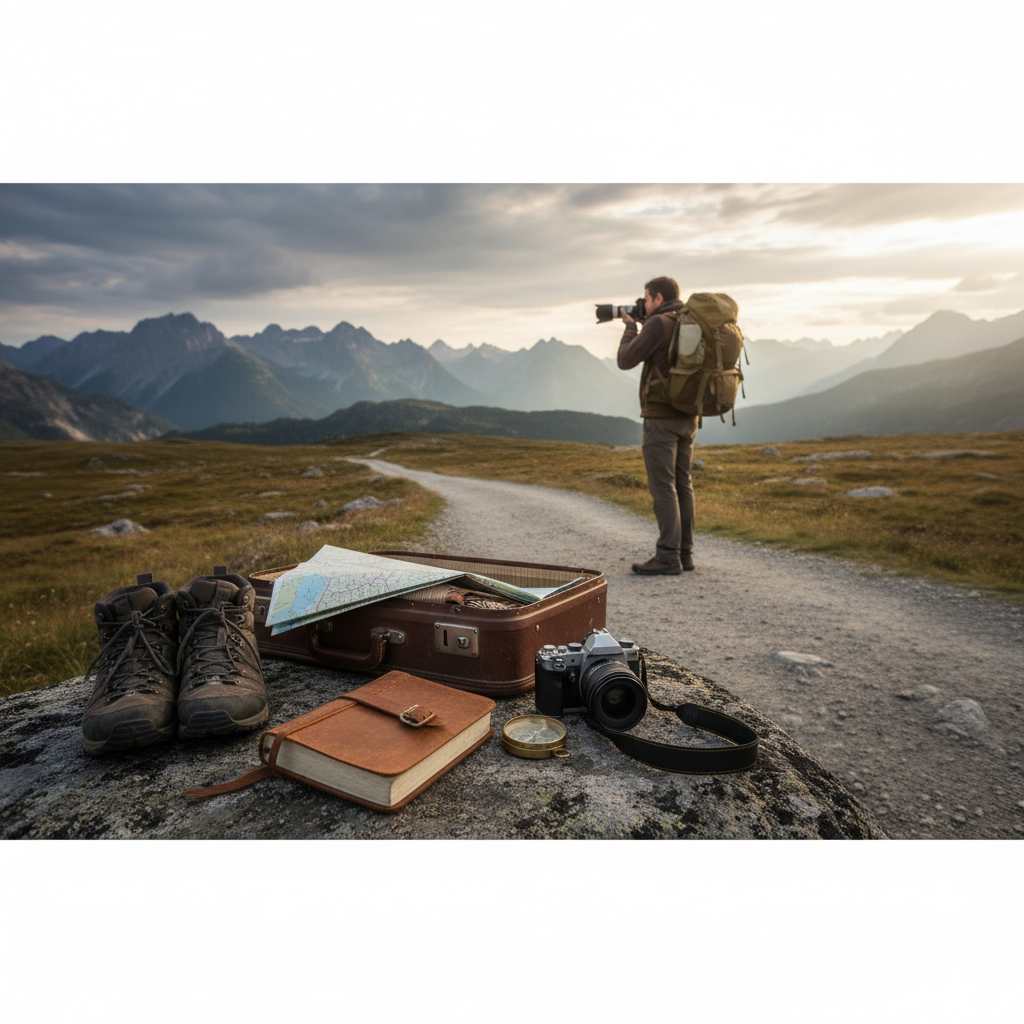
The Role of Travel Photography
Travel photography functions as a distinct genre within the broader field of photography, characterized by its focus on documenting journeys and exploring the world. It provides a visual record that transcends language barriers, offering insights into distant places and different ways of life. The creation of compelling travel imagery necessitates a combination of observation, patience, and technical proficiency, alongside a respect for the subjects being portrayed.
Documenting Experiences and Memories
One primary function of travel photography is the preservation of personal experiences and memories. Images serve as tangible reminders of moments, emotions, and discoveries made during a journey. They allow individuals to revisit destinations mentally and to share their adventures with others, fostering a sense of connection and shared experience. This documentation can range from grand landscapes to intimate details, each contributing to a comprehensive visual narrative of the travel experience.
Cultural Storytelling
Beyond personal recollection, travel photography acts as a tool for cultural storytelling. It provides a platform for showcasing the traditions, daily lives, architecture, and natural beauty of various regions. Through careful composition and subject selection, photographers can convey narratives that highlight cultural nuances, celebrate diversity, and challenge preconceived notions. This storytelling often involves capturing candid moments that reveal the authentic character of a place and its inhabitants.
Sharing Perspectives
Travel photography also facilitates the sharing of unique perspectives. Each photographer brings an individual viewpoint to a scene, interpreting it through their lens and artistic vision. This act of sharing allows audiences to experience destinations vicariously, potentially inspiring further exploration or contributing to a broader understanding of global interconnectedness. The images can communicate the atmosphere, emotions, and distinctive characteristics that define a location.
Ethical Considerations in Travel Photography
Responsible travel photography emphasizes ethical engagement with subjects and environments. This involves a commitment to respect, integrity, and minimizing negative impacts, ensuring that the act of photography contributes positively to the overall travel experience for both the photographer and the communities visited.
Respecting Privacy and Consent
When photographing individuals, especially in cultural contexts, respecting privacy and obtaining consent are paramount. This often involves direct communication, using gestures, or seeking permission through a local guide or interpreter. Candid shots are sometimes taken, but awareness of cultural norms regarding photography of people in public or private spaces is essential. Some cultures may have specific sensitivities around being photographed, particularly children or religious figures, which require deference.
Avoiding Stereotypes and Misrepresentation
Photographers have a responsibility to avoid perpetuating stereotypes or misrepresenting cultures. This requires a nuanced understanding of the context and a conscious effort to portray subjects authentically, without exoticizing or sensationalizing them. Images should reflect the complexity and diversity of a culture rather than reinforcing simplistic or outdated views. Researching a destination's social dynamics and history can assist in this endeavor.
Minimizing Impact on Local Communities
The act of photography should not disrupt local life or cause inconvenience to residents. This includes being mindful of crowds, noise levels, and not obstructing pathways or daily routines. Entering private property or sensitive areas without explicit permission is generally considered inappropriate. An awareness of the environmental impact, such as not disturbing wildlife or natural habitats for a photo, is also a part of responsible practice.
Understanding Local Norms and Taboos
Each culture possesses unique customs and taboos, some of which relate to photography. For instance, certain gestures, attire, or locations may be considered sacred or private. Understanding these norms, often through pre-trip research or observing local behavior, helps photographers navigate social situations respectfully and avoid unintended offense. When in doubt, it is often best to refrain from taking a picture.
Practical Approaches to Travel Photography
Effective travel photography integrates technical knowledge with creative application, adapting to diverse environmental conditions and subject matter. Mastering these practical aspects contributes significantly to the quality and impact of the final images.
Gear Selection for Different Environments
The choice of photographic equipment often depends on the type of travel and the intended subjects. Lightweight and versatile cameras are frequently preferred for adventure travel or situations requiring mobility. Lenses ranging from wide-angle for landscapes and architecture to telephoto for wildlife or distant subjects are often considered. Protection for gear against dust, water, and impact is also a practical consideration, particularly in challenging environments.
Compositional Elements in Diverse Settings
Strong composition is fundamental to compelling photography. Principles such as the rule of thirds, leading lines, framing, and symmetry are applied to enhance visual interest and guide the viewer's eye. In travel photography, this involves thoughtfully arranging elements within the frame to tell a story, whether capturing expansive vistas, intricate street scenes, or intimate portraits. Adapting compositional techniques to different cultural and natural backdrops is crucial.
Mastering Available Light
Light constitutes a critical element in photography. Travel photographers often rely on natural light, learning to utilize its qualities throughout the day. Golden hour (shortly after sunrise and before sunset) often provides soft, warm light ideal for many scenes. Understanding how to manage harsh midday sun or leverage diffused light on overcast days allows for consistent image quality regardless of conditions. Techniques like exposure compensation or bracketing assist in capturing challenging lighting scenarios.
Capturing Moments vs. Posed Shots
Both candid and posed photography have their place in travel documentation. Candid shots often capture authentic emotions and unscripted interactions, conveying a sense of realism. They require patience and observation. Posed shots, conversely, allow for more control over composition and subject expression, particularly useful for portraits or specific cultural displays. A balanced approach often yields a comprehensive visual record.
Post-Processing Considerations
Post-processing, the editing of images after capture, is an integral part of modern photography. This stage allows for adjustments to exposure, color, contrast, and cropping to enhance the visual appeal and impact of an image. The aim is typically to refine the photograph to match the photographer's vision or the scene's original atmosphere, rather than to alter its fundamental truth. Consistency in processing style can also contribute to a cohesive body of work.
Safety and Security for Photographers
Traveling with photographic equipment, especially valuable gear, necessitates an awareness of safety and security. Protecting equipment and ensuring personal well-being are essential considerations for photographers in unfamiliar environments.
Protecting Equipment
Equipment protection involves using appropriate camera bags that offer padding and weather resistance. Keeping gear inconspicuous when not in use can deter theft. Securing equipment during transit, such as using locks or keeping it within sight, is also a common practice. Understanding environmental hazards, like extreme temperatures or humidity, and taking steps to mitigate their effects on sensitive electronics helps preserve gear longevity.
Situational Awareness
Maintaining situational awareness is vital, particularly in crowded or unfamiliar areas. This includes being observant of surroundings, people, and potential risks. Avoiding isolated locations, especially at night, and being discreet with expensive equipment can reduce vulnerabilities. A photographer's focus on composition can sometimes distract from immediate surroundings, making vigilance even more important.
Legal Aspects of Photography in Public Spaces
While photography in public spaces is generally permitted in many parts of the world, legal restrictions can vary significantly by country and even by specific location. Some areas, like government buildings, military installations, or certain cultural sites, may have prohibitions. Understanding local laws and regulations regarding photography, particularly concerning privacy rights or commercial use of images, is a responsible practice for any travel photographer.
Travel photography stands as a nuanced discipline, demanding a blend of technical acumen, artistic sensibility, and a deep commitment to ethical engagement. It serves as a powerful medium for chronicling journeys, sharing cultural narratives, and broadening global perspectives. By prioritizing respect for subjects and environments, understanding practical techniques, and maintaining safety awareness, photographers can create impactful images that truly reflect the richness of their travel experiences.
More from travel
Mastering Efficient Local Transportation for Immersive Urban Exploration
Discover how to navigate cities like a local, utilizing various public and personal transport options to enhance your urban exploration. This guide provides practical strategies for efficient movement, allowing for deeper engagement with city life and culture.
Essential Strategies for Protecting Travel Documents and Digital Information Abroad
International travel offers enriching experiences, but it also demands vigilance in protecting your vital documents and digital identity. Proactive preparation and secure practices are key to a smooth and worry-free journey, preventing potential disruptions and stress.
Understanding International Travel Visa Requirements and Border Procedures
International travel often necessitates a thorough understanding of visa requirements and border control protocols. These regulations vary significantly by destination, traveler nationality, and purpose of visit, influencing the planning and execution of global journeys.
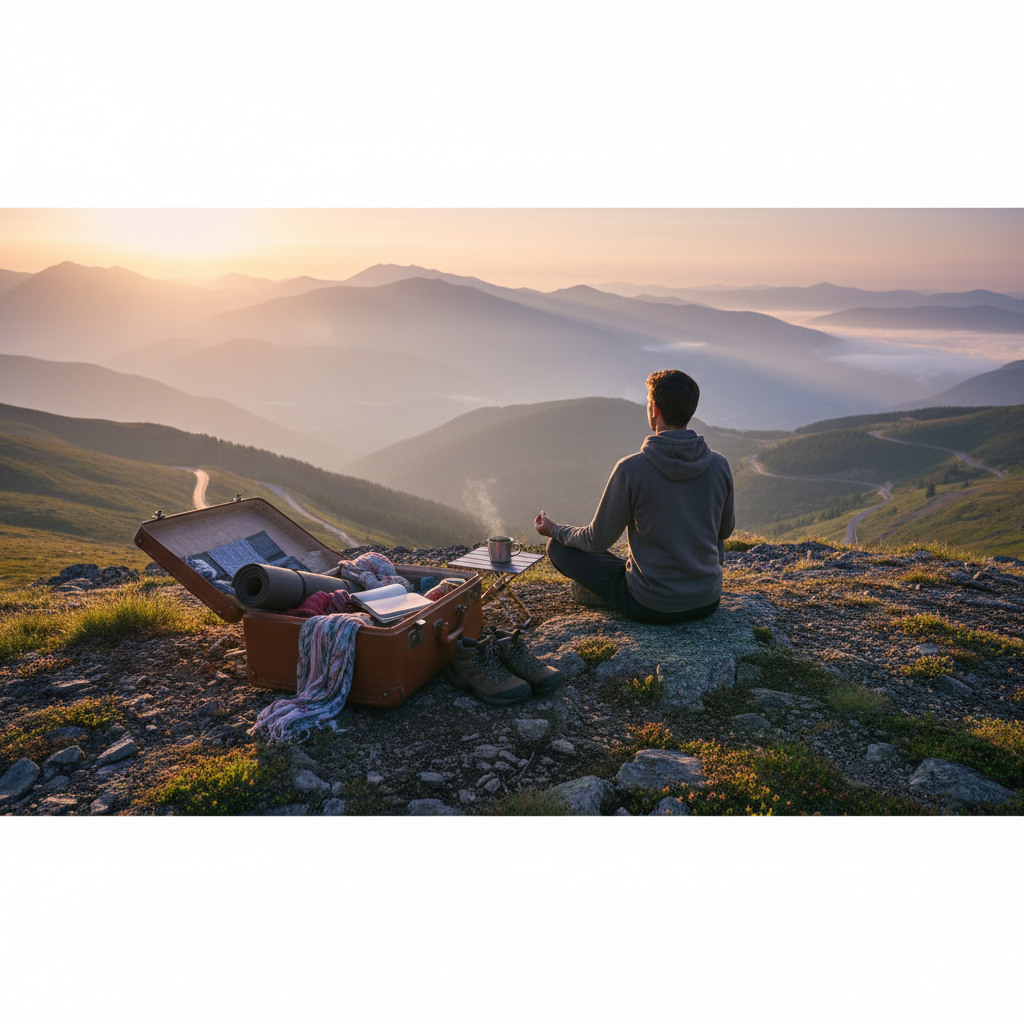
Integrating Wellness Practices into Diverse Travel Itineraries for Enhanced Journeys
The integration of wellness practices into travel itineraries represents an approach that prioritizes holistic well-being throughout a journey. This method focuses on maintaining physical, mental, and emotional health while exploring new environments and cultures, extending beyond dedicated retreats.