
Mastering High-Altitude Treks: Essential Physiological Preparation and Acclimatization Strategies
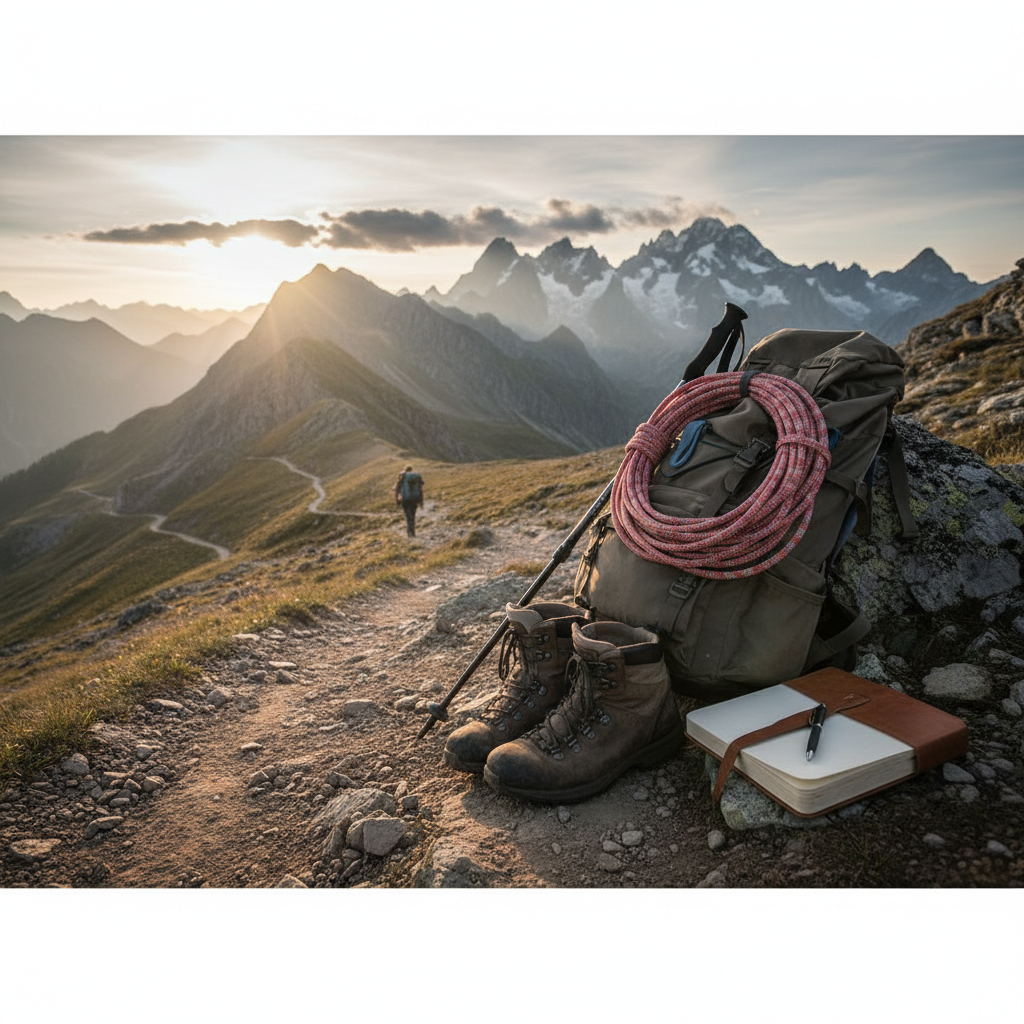
Venturing into the world's towering mountain ranges offers unparalleled views and profound personal achievements, yet it introduces the human body to a profoundly different environment where atmospheric pressure drops and oxygen becomes scarce. High-altitude treks, whether across the Himalayas, the Andes, or the Rockies, require more than just physical stamina; they demand a sophisticated understanding of physiological responses to hypobaric hypoxia and a disciplined approach to acclimatization. Without proper preparation, the risks associated with altitude sickness can transform an exhilarating adventure into a perilous ordeal. Trekkers aiming to conquer peaks or traverse high passes must proactively engage in strategies that allow their bodies to gradually adapt to reduced oxygen levels, mitigating potential health complications and ensuring a safer, more enjoyable experience. This preparation encompasses not only physical conditioning but also a keen awareness of bodily signals, nutritional needs, and the principles of gradual ascent.
Understanding the High-Altitude Environment
Physiological Changes at Altitude
As elevation increases, atmospheric pressure decreases, leading to a corresponding reduction in the partial pressure of oxygen. This phenomenon, known as hypobaric hypoxia, is the primary challenge faced by the human body at high altitudes. In response, the body initiates a complex series of physiological adjustments. Initially, respiration rate and heart rate increase to compensate for the reduced oxygen intake. Over several days, the kidneys begin to excrete bicarbonate, making the blood more acidic, which shifts the oxygen-hemoglobin dissociation curve to the right, facilitating oxygen release to tissues. Erythropoietin production also increases, stimulating the bone marrow to produce more red blood cells, thereby enhancing the oxygen-carrying capacity of the blood. These adaptations are crucial for sustained function in oxygen-deprived environments, but they take time and vary significantly among individuals.
Altitude Sickness: Types and Symptoms
Altitude sickness is a spectrum of conditions that can affect individuals ascending to high altitudes too quickly without adequate acclimatization. The three main forms are Acute Mountain Sickness (AMS), High-Altitude Cerebral Edema (HACE), and High-Altitude Pulmonary Edema (HAPE).
- Acute Mountain Sickness (AMS) is the most common and mildest form, typically manifesting within 6-12 hours of arrival at altitude. Symptoms include headache, nausea, fatigue, dizziness, and difficulty sleeping. These symptoms often resemble a bad hangover.
- High-Altitude Cerebral Edema (HACE) is a severe and potentially fatal form of altitude sickness involving swelling of the brain. It is characterized by severe headache, confusion, ataxia (loss of coordination), altered mental status, and eventually coma. HACE is an emergency requiring immediate descent.
- High-Altitude Pulmonary Edema (HAPE) is another life-threatening condition where fluid accumulates in the lungs. Symptoms include extreme fatigue, shortness of breath at rest, persistent cough producing frothy sputum, and a feeling of tightness in the chest. HAPE also necessitates immediate descent and medical attention.
Pre-Trek Physiological Preparation
Proactive measures taken before embarking on a high-altitude trek can significantly reduce the risk of altitude sickness and enhance overall performance.
Physical Conditioning
While physical fitness does not guarantee immunity from altitude sickness, a strong cardiovascular and muscular system can improve the body's efficiency in utilizing oxygen and coping with the physical demands of trekking. Training should focus on endurance activities such as running, cycling, swimming, or long hikes with a weighted pack. Incorporating strength training, particularly for the legs and core, is also beneficial for carrying gear and navigating uneven terrain. Training at moderate altitudes (if feasible) for several weeks prior to a high-altitude expedition can offer some pre-acclimatization benefits, although it is not a substitute for gradual ascent at the actual trek site. The goal is to build a robust foundation, allowing the body to allocate its resources more effectively towards acclimatization processes rather than struggling with basic physical exertion.
Nutritional Considerations
A balanced diet rich in complex carbohydrates is recommended in the weeks leading up to and during a high-altitude trek. Carbohydrates are the body's preferred fuel source and require less oxygen for metabolism compared to fats or proteins. Maintaining adequate iron levels is also crucial, as iron is essential for hemoglobin production, which carries oxygen in the blood. Trekkers should ensure they consume iron-rich foods or consider supplements under medical guidance if deficiencies are identified. Avoiding excessive alcohol and caffeine in the days before ascent and during the initial acclimatization phase is often advised, as these can contribute to dehydration and disrupt sleep patterns, both of which can exacerbate altitude sickness symptoms.
Medical Check-up and Medications
Before undertaking a high-altitude trek, a thorough medical check-up is advisable, especially for individuals with pre-existing medical conditions (e.g., heart conditions, lung diseases, diabetes). Consulting a doctor with experience in travel medicine can help assess individual risk factors. Certain medications can be prescribed to aid in preventing or managing altitude sickness.
- Acetazolamide (Diamox): This medication is commonly used to accelerate the acclimatization process. It works by increasing the acidity of the blood, which stimulates respiration and improves oxygenation. It is typically started 24-48 hours before ascent and continued for the first few days at altitude. Side effects can include tingling sensations, increased urination, and altered taste.
- Dexamethasone: A potent steroid, dexamethasone is not typically used for prevention but is highly effective in treating severe forms of altitude sickness, particularly HACE, by reducing brain swelling. It is reserved for emergency use and should only be taken under medical supervision.
- Nifedipine or Sildenafil: These medications may be prescribed for individuals with a history of HAPE or those considered high-risk, as they can help reduce pulmonary arterial pressure.
Trekkers should carry an adequate supply of any prescribed medications, along with a basic first-aid kit containing pain relievers, anti-nausea medication, and blister treatment.
Effective Acclimatization Strategies
Acclimatization is the process by which the body adjusts to the reduced oxygen availability at high altitudes. It is the most critical factor in preventing altitude sickness.
Gradual Ascent
The most fundamental principle of safe high-altitude trekking is gradual ascent. Rushing to high altitudes does not allow the body sufficient time to adapt, significantly increasing the risk of severe altitude sickness. General guidelines suggest:
- Above 2,500 meters (approximately 8,200 feet), limit daily ascent in sleeping elevation to no more than 300-500 meters (1,000-1,600 feet).
- For every 1,000 meters (3,300 feet) gained in sleeping elevation, include an "active rest day" where the sleeping elevation remains the same, allowing the body to consolidate its acclimatization.
- If possible, plan for an extra day or two at an intermediate altitude (e.g., 2,500-3,000 meters / 8,200-9,800 feet) before continuing to higher elevations.
"Climb High, Sleep Low" Principle
This strategy involves ascending to a higher elevation during the day for a short period and then descending to a lower elevation to sleep. For example, a trekker might hike from a camp at 3,500 meters to a viewpoint at 4,000 meters, spend a few hours there, and then return to sleep at the 3,500-meter camp. This exposes the body to higher altitudes, stimulating acclimatization, while allowing for recovery and deeper sleep at a more oxygen-rich elevation. This principle is highly effective and widely practiced on major expeditions.
Hydration and Diet During the Trek
Dehydration can mimic or worsen symptoms of altitude sickness, making proper fluid intake paramount. Trekkers should aim to drink 3-4 liters of water or rehydration fluids daily, adjusting for exertion and temperature. Urine should be clear or light yellow. Electrolyte-rich drinks can help replenish salts lost through sweating and increased urination. Regarding diet, maintaining a high-carbohydrate intake is crucial. Easily digestible foods like pasta, rice, bread, and fruits provide sustained energy with less oxygen demand for metabolism. Eating smaller, more frequent meals can also help manage appetite suppression, which is common at altitude. Avoiding heavy, fatty, or spicy foods can prevent gastrointestinal discomfort.
Monitoring and Self-Assessment
Constant self-monitoring is essential. Trekkers should be aware of their own bodies and the symptoms of altitude sickness. A buddy system where trekkers monitor each other for changes in behavior or symptoms is highly recommended. Tools like the Lake Louise Acute Mountain Sickness (LLAMS) score can be used to objectively assess symptoms. Any worsening of symptoms, especially headache, nausea, or coordination issues, should be taken seriously. Communication with guides or fellow trekkers about how one feels is not a sign of weakness but a critical safety measure.
Recognizing and Managing Altitude Sickness
Early recognition and appropriate response are vital for preventing mild altitude sickness from escalating into life-threatening conditions.
Acute Mountain Sickness (AMS)
If AMS symptoms are mild (e.g., mild headache, slight nausea), the best course of action is to rest at the current altitude or descend slightly until symptoms improve. Hydration, light meals, and over-the-counter pain relievers (like ibuprofen or paracetamol) can help manage discomfort. Acetazolamide can be continued or initiated if symptoms persist or worsen. It is crucial not to ascend further until symptoms have completely resolved.
High-Altitude Cerebral Edema (HACE)
HACE is a medical emergency. Symptoms like severe headache unresponsive to medication, confusion, lethargy, and ataxia (inability to walk in a straight line, known as the "heel-to-toe test") demand immediate action. The primary treatment for HACE is rapid descent. Administering supplemental oxygen and dexamethasone can provide temporary relief but should not delay descent. Without immediate descent, HACE can quickly become fatal.
High-Altitude Pulmonary Edema (HAPE)
HAPE is also a medical emergency. Symptoms include extreme shortness of breath at rest, a persistent cough (which may produce pink, frothy sputum), chest tightness, and severe fatigue. Like HACE, the most effective treatment is immediate and rapid descent. Supplemental oxygen is critical. Medications such as Nifedipine or Sildenafil may be used under medical supervision to reduce pulmonary artery pressure, but these are adjuncts to descent, not replacements.
Descent as the Primary Treatment
For HACE and HAPE, descent is the definitive treatment. Even a descent of a few hundred meters can significantly improve symptoms and save a life. Trekkers should be prepared for emergency descent plans, which might involve carrying an injured or severely ill person. Never leave a person with severe altitude sickness alone.
Practical Tips for a Successful High-Altitude Trek
Beyond physiological considerations, several practical elements contribute to a successful and safe high-altitude journey.
Gear and Clothing
Layering is key for high-altitude environments, where temperatures can fluctuate dramatically. Essential items include moisture-wicking base layers, insulating mid-layers (fleece or down), and a waterproof/windproof outer shell. Sturdy, broken-in trekking boots with good ankle support are crucial. Proper sun protection (hat, sunglasses, high SPF sunscreen) is vital due to increased UV radiation at altitude. A reliable backpack, headlamp, and appropriate sleeping gear are also indispensable.
Pacing and Rest
Adopting a slow, steady pace is more effective than bursts of speed followed by long rests. This conserves energy and allows the body to maintain a consistent respiratory rate, aiding acclimatization. Regular, short breaks are more beneficial than infrequent, long ones. Adequate sleep is also crucial for recovery and acclimatization, though sleep can be disturbed at altitude. Establishing a consistent sleep routine and ensuring a comfortable sleeping setup can help.
Mental Preparation
High-altitude trekking can be mentally taxing. The physical discomforts of altitude, coupled with challenging terrain and weather, require mental resilience. Developing a positive mindset, setting realistic expectations, and practicing mindfulness or meditation techniques can aid in coping with stress and discomfort. Understanding that feeling unwell is a normal part of the acclimatization process can help trekkers avoid unnecessary anxiety, but it is important to distinguish normal discomfort from serious symptoms.
Disclaimer: This article provides general information and should not be considered medical advice. High-altitude trekking carries inherent risks, and individual responses to altitude can vary significantly. Always consult with a qualified medical professional, especially one experienced in travel medicine, before undertaking high-altitude expeditions. The information contained herein is for educational purposes only and does not substitute for professional medical consultation, diagnosis, or treatment.
Mastering high-altitude treks transcends mere physical prowess; it involves a profound respect for the mountain environment and a disciplined approach to physiological adaptation. By understanding the challenges posed by reduced oxygen, diligently preparing the body, and adhering to proven acclimatization strategies, trekkers can significantly enhance their safety and enjoyment. Prioritizing gradual ascent, vigilant self-monitoring, and prompt response to any signs of altitude sickness are not just recommendations but fundamental principles for a successful high-altitude adventure. With careful planning and an informed approach, the breathtaking vistas and profound experiences of the world's highest peaks become accessible to the well-prepared adventurer.
More from travel

Mastering Efficient Local Transportation for Immersive Urban Exploration
Discover how to navigate cities like a local, utilizing various public and personal transport options to enhance your urban exploration. This guide provides practical strategies for efficient movement, allowing for deeper engagement with city life and culture.

Essential Strategies for Protecting Travel Documents and Digital Information Abroad
International travel offers enriching experiences, but it also demands vigilance in protecting your vital documents and digital identity. Proactive preparation and secure practices are key to a smooth and worry-free journey, preventing potential disruptions and stress.
Understanding International Travel Visa Requirements and Border Procedures
International travel often necessitates a thorough understanding of visa requirements and border control protocols. These regulations vary significantly by destination, traveler nationality, and purpose of visit, influencing the planning and execution of global journeys.

Integrating Wellness Practices into Diverse Travel Itineraries for Enhanced Journeys
The integration of wellness practices into travel itineraries represents an approach that prioritizes holistic well-being throughout a journey. This method focuses on maintaining physical, mental, and emotional health while exploring new environments and cultures, extending beyond dedicated retreats.