
Optimizing Packing for Diverse Travel Experiences and Trip Types
Strategic packing is a fundamental aspect of travel planning, significantly influencing comfort, efficiency, and preparedness throughout a journey. The approach to packing often necessitates a tailored strategy, moving beyond generic lists to address the specific demands of diverse travel experiences. Whether a trip involves corporate engagements, leisurely exploration, or adventurous expeditions, the contents of one's luggage and the methodology of its organization play a crucial role in enhancing the overall travel experience. This article explores the core principles of packing optimization, detailing how different travel types inform specific packing decisions and offering insights into maximizing space, functionality, and readiness for a range of global itineraries.
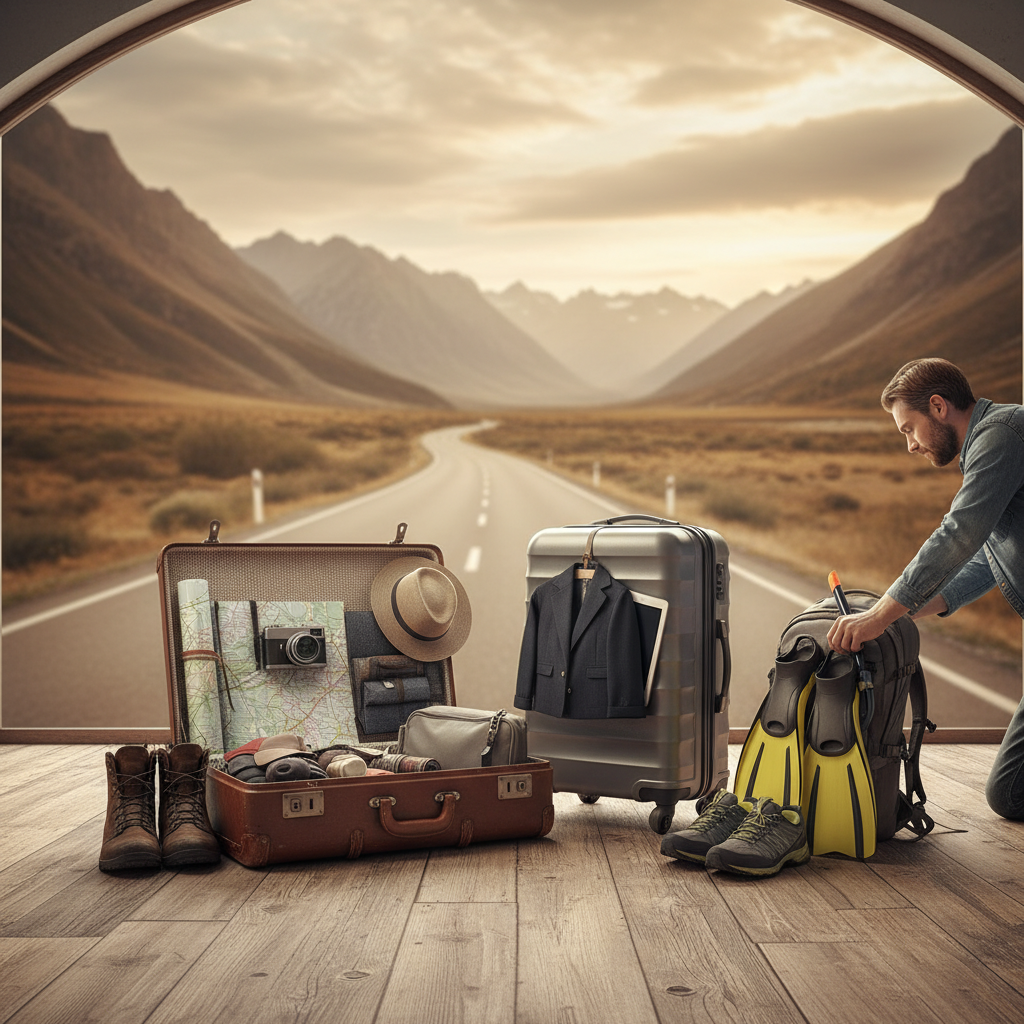
Core Principles of Packing Optimization
Effective packing begins with a foundational understanding of several key principles that transcend specific trip types. These principles establish a framework for making informed decisions about what to bring and how to organize it, prioritizing functionality, versatility, and adaptability.
Understanding Trip Demands
Prior to any packing, a comprehensive assessment of the trip's demands is essential. This involves considering the duration of the journey, the expected weather conditions and climate variations at the destination, the nature of planned activities, and any specific cultural or professional dress codes. A weekend city break has vastly different requirements than a two-week multi-country tour or a remote wilderness trek. Understanding these factors informs the initial selection of items, ensuring that only necessary and appropriate articles are considered.
The Layering System
Implementing a layering system for clothing is a highly effective strategy for managing varying temperatures and weather conditions without overpacking. This approach involves selecting garments that can be worn individually or in combination to create multiple outfits and levels of warmth. Base layers, mid-layers, and outer shells provide adaptability, allowing travelers to adjust their attire as environmental conditions change, from cool mornings to warm afternoons or indoor air conditioning.
Utilizing Packing Tools and Techniques
Various tools and techniques exist to enhance packing efficiency and organization. Compression sacks and packing cubes are examples of organizational aids that compartmentalize items, reduce bulk, and facilitate easy access. Rolling clothes tightly can minimize wrinkles and save space compared to folding. Additionally, selecting multi-functional items, such as convertible garments or products serving dual purposes, further optimizes luggage capacity and reduces the overall item count.
Packing for Business Travel
Business travel typically demands a focus on professionalism, efficiency, and maintaining a polished appearance, often within strict time constraints and presentation requirements.
Professional Attire and Accessories
The selection of clothing for business travel prioritizes wrinkle-resistant fabrics and versatile pieces that can be mixed and matched to create multiple professional ensembles. Items like a well-tailored blazer, neutral-colored trousers or skirts, and several interchangeable shirts or blouses form a functional core wardrobe. Essential accessories, such as ties, scarves, and appropriate footwear, are chosen to complement these outfits without adding excessive bulk.
Tech and Document Management
Business travelers frequently carry electronic devices, including laptops, tablets, and smartphones, along with their associated chargers and adapters. A dedicated compartment or bag insert for these items ensures their protection and easy access, especially during security checks. Important documents, such as passports, visas, itineraries, and meeting notes, are typically organized in a secure, accessible folder or digital format, with backup copies maintained.
Efficient Garment Care
Maintaining the integrity of professional attire on the go is crucial. Strategies include packing garments inside out, using dry-cleaning bags to reduce friction, or utilizing garment folders designed to minimize creasing. Access to hotel laundry services or quick-drying fabrics for hand washing small items also contributes to maintaining a presentable wardrobe throughout the trip.
Packing for Leisure Travel
Leisure travel often allows for greater flexibility in clothing choices, with an emphasis on comfort, versatility, and suitability for various recreational activities and relaxed exploration.
Versatile Wardrobe Choices
For leisure trips, the focus shifts to comfortable, casual, and adaptable clothing. Items that can transition seamlessly from daytime sightseeing to casual evening meals are highly valued. Examples include comfortable walking shoes, adaptable dresses or trousers, and a selection of tops that can be layered. The goal is to create a diverse range of outfits from a limited number of items, accommodating various activities and casual settings.
Comfort and Relaxation Items
Leisure travel often includes opportunities for relaxation and personal enjoyment. Packing items such as a comfortable travel pillow, a good book or e-reader, and personal entertainment devices contributes to a more enjoyable experience. Specific comfort items that enhance relaxation during downtime, such as a favorite pair of slippers or a lightweight blanket, are often considered.
Adapting to Destination Climate
Climate considerations for leisure travel dictate the selection of fabrics and clothing types. For tropical destinations, lightweight, breathable materials like linen or cotton are preferred. Colder climates necessitate warmer layers, including thermal wear, fleece, and waterproof outerwear. The inclusion of appropriate swimwear, sun protection, or cold-weather accessories is directly guided by the anticipated weather conditions and planned outdoor activities.
Packing for Adventure Travel
Adventure travel presents unique packing challenges, prioritizing durability, functionality, safety, and the ability to withstand harsh environmental conditions.
Essential Gear and Safety Considerations
For adventure travel, the packing list extends beyond clothing to include specialized gear essential for safety and successful participation in activities. This can involve items such as first-aid kits, navigation tools, headlamps, water filtration systems, and specific safety equipment relevant to the adventure, such as climbing harnesses or specialized footwear. The selection of these items is critical for preparedness in potentially remote or challenging environments.
Weather-Resistant Apparel
Apparel for adventure travel is typically characterized by its weather-resistant and performance-enhancing properties. This includes waterproof and windproof outerwear, moisture-wicking base layers, and durable pants or shorts designed for outdoor activity. Materials engineered to dry quickly, provide insulation, and resist abrasion are often prioritized to ensure comfort and protection against the elements.
Maximizing Space for Specialized Equipment
Adventure trips often require bulky or uniquely shaped equipment, which can present significant packing challenges. Strategies involve disassembling items where possible, nesting smaller items within larger ones, and using the interior space of specialized gear, such as hiking boots, to store smaller essentials. Compression straps on backpacks are utilized to reduce the external volume of packed gear, making it more manageable for transport.
General Packing Strategies and Considerations
Beyond specific trip types, several overarching strategies apply to optimize packing for any journey, enhancing efficiency and addressing common travel logistical concerns.
Weight Distribution and Bag Choice
The choice of luggage, whether a backpack, rolling suitcase, or duffel bag, significantly impacts packing strategy. Considerations include the type of travel (e.g., air, car, train), the amount of walking or carrying involved, and personal preference. Even weight distribution within a bag is crucial for comfort and ease of transport, especially for larger luggage, preventing strain and maintaining balance.
Personal Item and Carry-On Essentials
Strategic use of a personal item and carry-on bag is essential, particularly for air travel. These bags are typically reserved for immediate necessities, valuables, important documents, medications, and items required during transit. This approach mitigates inconvenience in case of checked luggage delays or loss and ensures access to crucial items throughout the journey.
Adapting to Luggage Restrictions
Familiarity with luggage restrictions imposed by airlines, train services, or tour operators is paramount. This includes understanding limitations on weight, dimensions, and the types of items permitted in carry-on versus checked baggage. Adhering to these regulations helps avoid additional fees, delays, or the need to re-pack at the point of departure.
Pre-Trip Planning and Checklist Creation
Creating a detailed packing checklist well in advance of a trip allows for thorough preparation and reduces the likelihood of forgetting essential items. The checklist can be customized for each trip type and reviewed periodically, ensuring all necessary items are accounted for. This systematic approach contributes significantly to a stress-free and well-prepared departure.
More from travel

Mastering Efficient Local Transportation for Immersive Urban Exploration
Discover how to navigate cities like a local, utilizing various public and personal transport options to enhance your urban exploration. This guide provides practical strategies for efficient movement, allowing for deeper engagement with city life and culture.
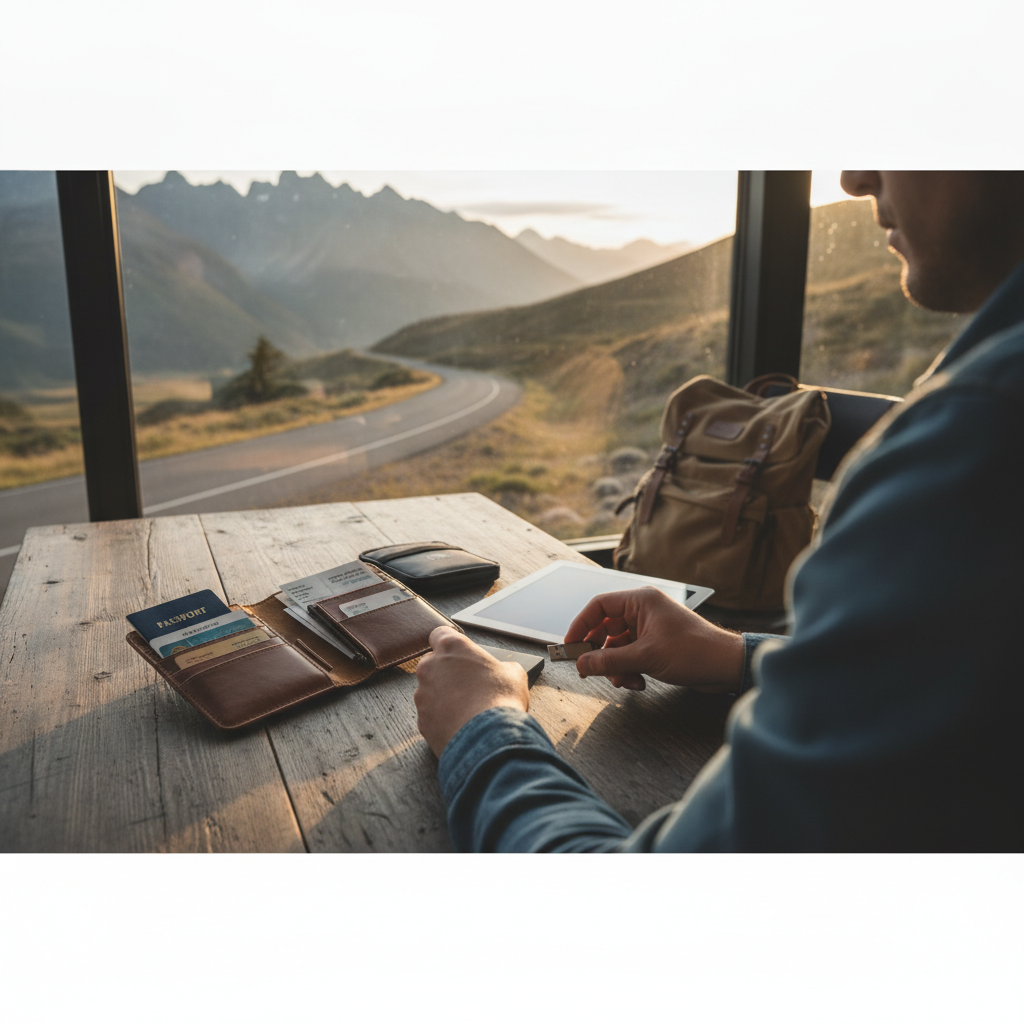
Essential Strategies for Protecting Travel Documents and Digital Information Abroad
International travel offers enriching experiences, but it also demands vigilance in protecting your vital documents and digital identity. Proactive preparation and secure practices are key to a smooth and worry-free journey, preventing potential disruptions and stress.
Understanding International Travel Visa Requirements and Border Procedures
International travel often necessitates a thorough understanding of visa requirements and border control protocols. These regulations vary significantly by destination, traveler nationality, and purpose of visit, influencing the planning and execution of global journeys.

Integrating Wellness Practices into Diverse Travel Itineraries for Enhanced Journeys
The integration of wellness practices into travel itineraries represents an approach that prioritizes holistic well-being throughout a journey. This method focuses on maintaining physical, mental, and emotional health while exploring new environments and cultures, extending beyond dedicated retreats.