
Optimizing Packing Strategies for Diverse Travel Experiences
Effective packing is a foundational element of successful travel, influencing not only convenience but also the overall enjoyment and efficiency of a journey. The process extends beyond merely fitting items into luggage; it encompasses thoughtful consideration of a destination's climate, local customs, planned activities, and logistical constraints. A well-organized packing strategy minimizes stress, reduces unnecessary baggage fees, and ensures travelers have essential items readily available while on the move. This article explores various principles and techniques for optimizing packing, delving into general best practices and specific approaches tailored to different types of travel experiences, from rugged adventure expeditions to serene beach retreats and bustling urban explorations.
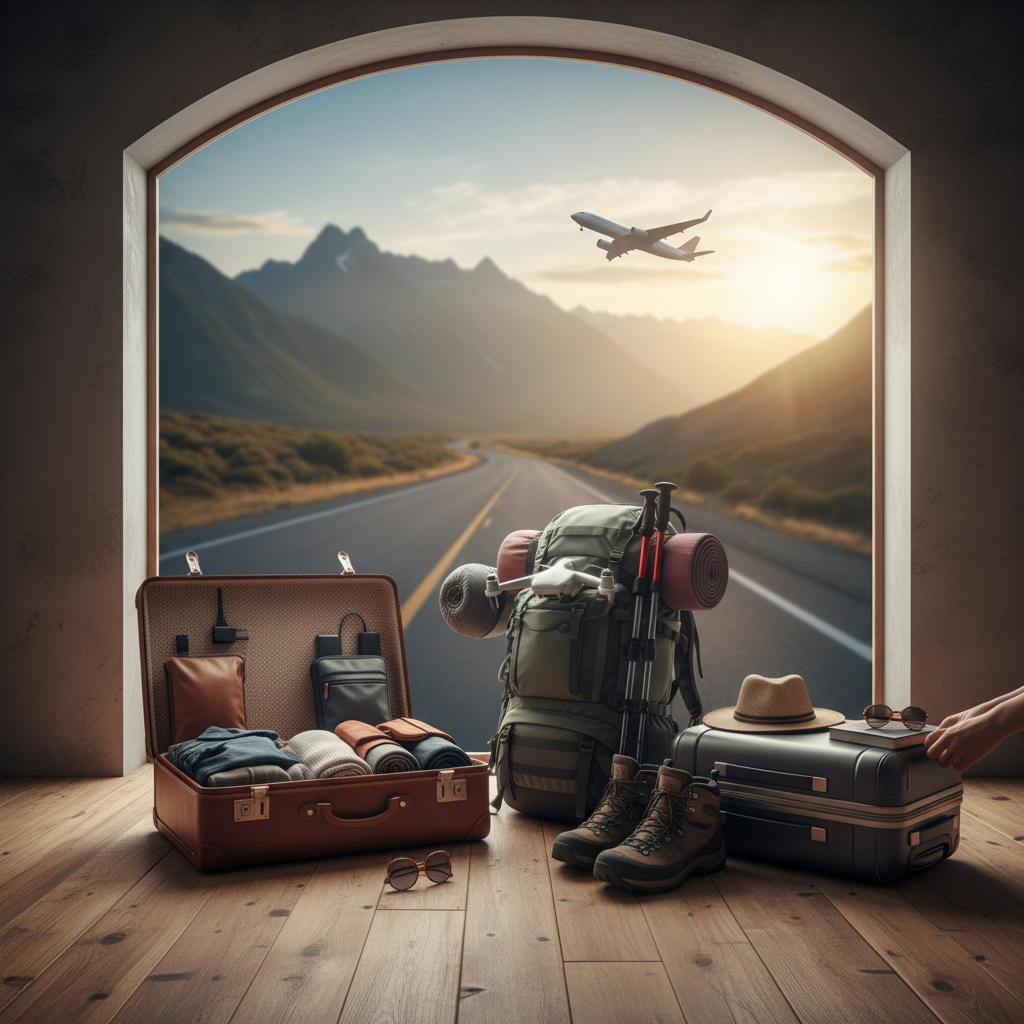
Fundamental Principles of Efficient Packing
Efficient packing begins with a systematic approach that considers several core factors. These principles form the bedrock of any successful packing endeavor, regardless of the destination or purpose of the trip.
Understanding the Destination and Activity
The primary consideration involves a thorough understanding of the travel destination and the activities planned. Researching the local climate, average temperatures during the travel period, and potential weather fluctuations is crucial. Similarly, identifying the nature of activities, such as hiking, business meetings, cultural tours, or beach relaxation, directly informs the types of clothing, footwear, and equipment required. For instance, a trip involving extensive walking necessitates comfortable and supportive footwear, while a formal event requires specific attire.
Considering Duration and Climate
The length of a trip significantly influences the quantity of items to pack. Shorter trips often allow for more minimalist packing, while extended journeys may require creative strategies for laundry or multi-purpose items. The climate dictates material choices; breathable fabrics are suitable for warm environments, whereas insulating layers are essential for cold weather. Understanding seasonal variations is also important, as a destination might experience different microclimates or unexpected weather patterns.
Layering and Versatility
Adopting a layering system for clothing maximizes versatility and adaptability to changing temperatures. Instead of packing bulky single-purpose garments, travelers can select items that can be worn individually or combined for warmth. Versatile clothing items, such as neutral-colored tops and bottoms that can be mixed and matched, also expand wardrobe options without increasing luggage volume. Garments made from quick-drying fabrics are particularly beneficial for travelers who anticipate washing clothes during their trip.
Weight and Luggage Restrictions
Most airlines and transportation providers impose strict weight and size limits on luggage. Understanding these restrictions prior to packing is critical for avoiding additional fees. Travelers often utilize lightweight luggage and prioritize essential items to remain within these limits. The distribution of weight within a bag can also impact ease of transport, especially for larger suitcases.
The Art of the Packing List
Creating a detailed packing list serves as an invaluable organizational tool. This list can categorize items by type (clothing, toiletries, electronics, documents) and by necessity. Starting the list well in advance of the departure date allows for thoughtful consideration and ensures that no crucial items are forgotten. Reviewing the list against planned activities and known destination conditions helps refine selections.
Packing Strategies for Specific Travel Types
Different travel contexts necessitate distinct packing approaches. Tailoring the packing strategy to the specific type of trip enhances both comfort and preparedness.
Adventure and Outdoor Travel
For adventure and outdoor trips, durability, weather protection, and functional gear are paramount. Items often include moisture-wicking base layers, waterproof outer shells, sturdy hiking boots, and specialized equipment such as headlamps or first-aid kits. Packing lighter, multi-functional items is beneficial, and protecting electronics from water and impact is often a key consideration. The ability to carry essentials comfortably is also important, often leading to the use of backpacks designed for specific activities.
Business Travel
Business travel typically requires formal or business-casual attire that remains wrinkle-free. Packing strategies focus on organization and presentation. Garment bags or specific folding techniques can help preserve clothing condition. Essential items include professional outfits, appropriate footwear, and any necessary presentation materials or electronic devices. Efficiency in unpacking and repacking is often a priority due to tight schedules.
Beach and Resort Getaways
Beach and resort trips emphasize lightweight, breathable clothing and swimwear. Sun protection, such as hats, sunglasses, and reef-safe sunscreen, is typically essential. Footwear usually includes sandals or light shoes. The focus is on comfort and relaxation, with minimal need for heavy or formal attire. Packing for multiple changes of swimwear and casual outfits is common.
Urban Exploration and City Breaks
Urban exploration involves considerable walking, necessitating comfortable yet stylish footwear and versatile clothing suitable for various cultural settings. Layers are important for transitioning between indoor and outdoor environments. A smaller day bag for carrying essentials like water, maps, and a camera is often useful. Security considerations for valuables and documents are also significant in bustling city environments.
Family Travel
Packing for family travel, especially with children, requires careful planning for diverse needs. This includes extra clothing, snacks, entertainment options, and specific child-related items like diapers, bottles, or comfort objects. A dedicated medical kit with common remedies and prescriptions is often a priority. Strategies often involve distributing items across multiple bags to ensure essentials are accessible or to manage weight effectively. Involving older children in packing their own small bag can also be a useful approach.
Advanced Packing Techniques
Beyond the foundational principles, several techniques can optimize space and organization within luggage.
Rolling vs. Folding
The choice between rolling and folding garments depends on the fabric type and personal preference. Rolling clothing tightly can maximize space and minimize wrinkles for certain fabrics like cotton t-shirts. Folding, particularly techniques like the KonMari method or bundle wrapping, can reduce creases in more delicate or structured garments such as shirts and jackets. Experimentation with both methods can help determine the most effective approach for different items.
Using Packing Cubes and Compression Bags
Packing cubes are zippered fabric containers that compartmentalize items within a suitcase, facilitating organization and making it easier to locate specific articles. They can separate outfits, categorize by item type, or group items for different activities. Compression bags, either vacuum-sealed or manually rolled, reduce the volume of soft goods like clothing, which can be particularly useful for bulky items such as sweaters or jackets, though they do not reduce weight.
Strategic Placement of Items
Placing heavier items near the wheels or bottom of a suitcase helps maintain stability, especially for upright bags. Fragile items are often best placed in the center, cushioned by softer clothing. Essential documents, valuables, and medications are commonly kept in a carry-on bag for accessibility and security. Distributing necessities across multiple bags can also serve as a contingency in case one piece of luggage is delayed or lost.
Addressing Liquid and Electronic Considerations
Liquids in carry-on luggage are subject to specific regulations, often requiring containers to be 100ml or less and placed in a clear, resealable quart-sized bag. For checked luggage, securing larger liquid containers in sealable bags can prevent leaks. Electronics, including laptops, tablets, and power banks, typically belong in carry-on luggage due to their value and sensitivity, and their batteries may be subject to airline regulations.
Pre-Departure Checks and Adjustments
The final stages of packing involve reviewing and making necessary adjustments to ensure everything is in order before departure.
Reviewing the Packing List
A final review of the comprehensive packing list against the contents of the luggage helps confirm that all essential items are included and unnecessary items have been removed. This check also provides an opportunity to verify that items are appropriately categorized for ease of access.
Weight Verification
Prior to leaving for the airport or station, weighing all luggage ensures compliance with airline or transportation provider weight limits. Adjustments can be made by transferring items between bags or removing non-essential articles if a bag exceeds the permissible weight.
Essential Documents and Valuables Placement
Confirming that passports, visas, tickets, identification, and other critical documents are secured in an easily accessible yet safe location, typically within a carry-on bag or personal item, is a crucial final step. Valuables, medications, and any other irreplaceable items are generally kept close to the traveler to prevent loss or theft.
Conclusion
Thoughtful and strategic packing is a fundamental component of effective travel preparation. By understanding the core principles, adapting strategies to specific travel types, and utilizing advanced techniques, travelers can enhance convenience, minimize potential issues, and contribute to a more enjoyable and seamless journey. The effort invested in efficient packing ultimately supports a more focused and engaging travel experience, allowing individuals to concentrate on the destination rather than on luggage-related concerns.
More from travel
Mastering Efficient Local Transportation for Immersive Urban Exploration
Discover how to navigate cities like a local, utilizing various public and personal transport options to enhance your urban exploration. This guide provides practical strategies for efficient movement, allowing for deeper engagement with city life and culture.
Essential Strategies for Protecting Travel Documents and Digital Information Abroad
International travel offers enriching experiences, but it also demands vigilance in protecting your vital documents and digital identity. Proactive preparation and secure practices are key to a smooth and worry-free journey, preventing potential disruptions and stress.
Understanding International Travel Visa Requirements and Border Procedures
International travel often necessitates a thorough understanding of visa requirements and border control protocols. These regulations vary significantly by destination, traveler nationality, and purpose of visit, influencing the planning and execution of global journeys.

Integrating Wellness Practices into Diverse Travel Itineraries for Enhanced Journeys
The integration of wellness practices into travel itineraries represents an approach that prioritizes holistic well-being throughout a journey. This method focuses on maintaining physical, mental, and emotional health while exploring new environments and cultures, extending beyond dedicated retreats.