
Understanding the Principles of Planning Multi-Country Overland Journeys
Multi-country overland journeys represent a distinct form of travel, characterized by self-sufficiency, extensive road travel across borders, and an immersive engagement with varied environments and cultures. These expeditions often span significant distances and durations, traversing multiple geographical and political territories. Successful execution of such a journey necessitates meticulous foresight and a comprehensive understanding of various interconnected components, ranging from logistical arrangements and documentation requirements to vehicle preparedness and personal safety protocols. This article delineates the fundamental principles and considerations involved in planning and undertaking multi-country overland expeditions, providing a framework for understanding the intricacies of this adventurous travel style.
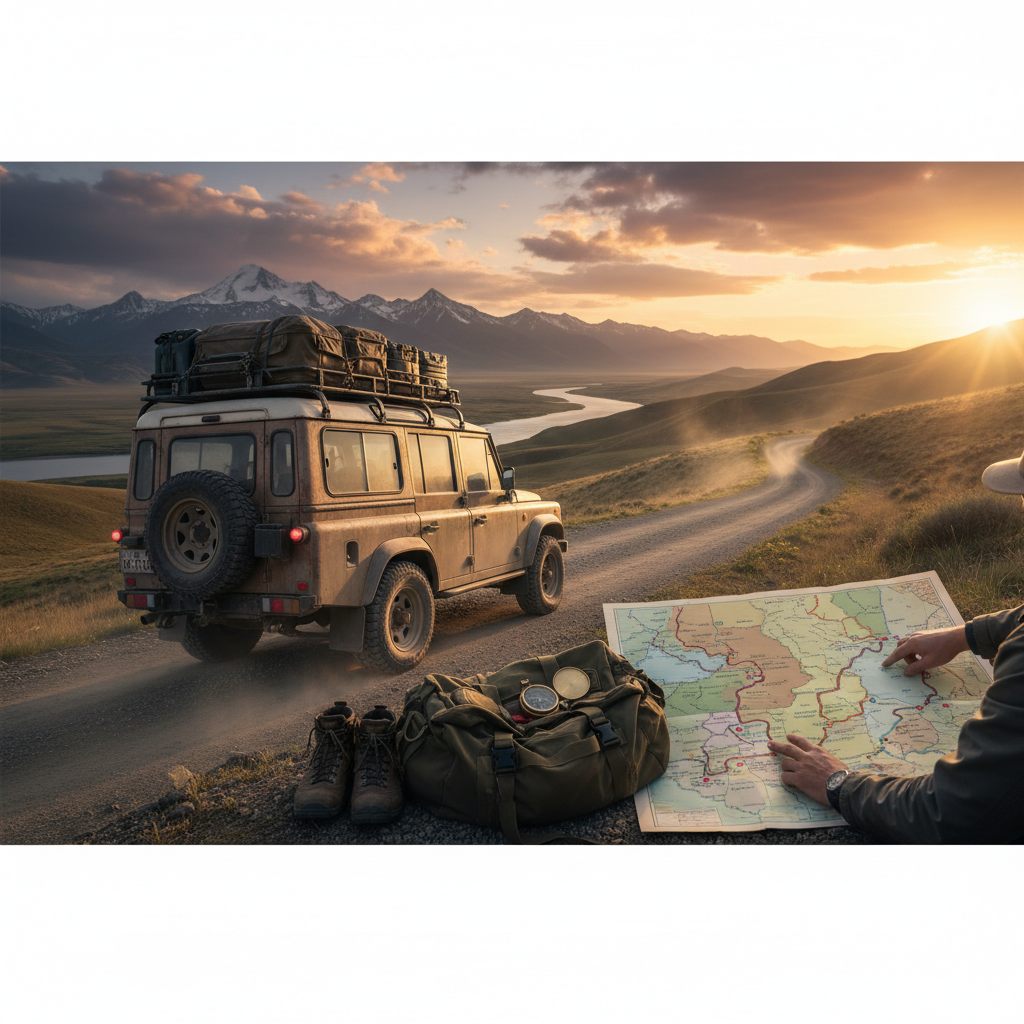
Defining Overland Travel
Overland travel, at its core, refers to an expedition that predominantly utilizes ground transportation, often a purpose-built vehicle, to traverse vast distances, frequently crossing international borders. It typically involves a high degree of self-reliance, with travelers responsible for their own navigation, accommodation (often camping), and sustenance. Unlike conventional tours, overland journeys emphasize the process of travel itself, allowing for deeper exploration of remote areas and a more flexible itinerary determined by the travelers.
Characteristics of Overland Expeditions
Overland journeys are distinguished by several key characteristics:
- Self-Sufficiency: Participants are generally responsible for their own logistical needs, including vehicle maintenance, navigation, and camp setup.
- Extended Duration: These trips often last weeks, months, or even years, allowing for a slower pace and in-depth cultural immersion.
- Diverse Environments: Routes can span deserts, mountains, jungles, and urban landscapes, requiring adaptability and diverse skill sets.
- Border Crossings: Frequent international border crossings are a defining feature, involving complex customs and immigration procedures.
- Flexibility: While a general route is planned, the nature of overland travel often requires adaptability to unforeseen circumstances, such as road closures or political developments.
Foundational Planning Phases
Effective planning is the cornerstone of a successful multi-country overland journey. This process typically involves several interconnected phases, each demanding thorough research and preparation.
Route Selection and Research
The initial stage involves defining the general route and destinations. This includes considering geographical feasibility, political stability of regions, security assessments, and seasonal weather patterns. Researching road conditions, fuel availability, and potential natural hazards along the chosen path is crucial. Understanding the local infrastructure, such as medical facilities and communication networks, is also an important aspect of route planning. The selection of specific border crossings involves researching their operating hours, required documentation, and historical efficiency.
Documentation and Legal Requirements
Navigating multiple countries requires a robust understanding of international documentation. This typically includes:
- Passports and Visas: Ensuring passports have sufficient validity and obtaining all necessary visas in advance or understanding visa-on-arrival processes for each country.
- Vehicle Documentation: This encompasses vehicle registration, ownership papers, international driving permits (IDP), and Carnet de Passages en Douane (CPD) if required for temporary vehicle importation. A CPD acts as a customs document that permits the temporary admission of a vehicle, without payment of duties and taxes, into certain countries.
- Insurance: Obtaining international vehicle insurance (often third-party liability) and comprehensive travel insurance that covers medical emergencies, vehicle breakdown, and repatriation.
- Permits: Some regions, particularly protected areas or remote territories, may require special permits for entry or transit.
Vehicle Preparation and Maintenance
The vehicle is central to an overland journey, demanding extensive preparation. The choice of vehicle depends on the terrain, budget, and desired level of comfort. Modifications might include enhanced suspension, additional fuel tanks, water storage, and recovery gear. A comprehensive service and inspection before departure are essential. Carrying a well-stocked toolkit, spare parts (e.g., filters, belts, tires), and understanding basic vehicle mechanics are critical for roadside repairs in remote locations.
Budgeting and Financial Management
Developing a realistic budget is paramount. This includes estimating costs for fuel, accommodation (camping fees, occasional guesthouses), food, visas, vehicle maintenance, insurance, and unforeseen expenses. It is important to allocate funds for emergencies and to understand how to access money reliably in various countries, whether through local ATMs, international bank transfers, or carrying a limited amount of local currency. Diversifying payment methods, such as carrying multiple credit/debit cards and a small amount of U.S. dollars or Euros, is a common practice.
Health and Safety Considerations
Prioritizing health and safety involves several measures:
- Vaccinations: Consulting a healthcare professional regarding required and recommended vaccinations for the specific regions to be visited.
- Medical Kit: Assembling a comprehensive first-aid kit, including prescription medications, over-the-counter remedies, and supplies for wound care.
- Emergency Preparedness: Understanding local emergency numbers, having communication devices (e.g., satellite phone, personal locator beacon) for remote areas, and sharing itinerary details with trusted contacts.
- Security Awareness: Researching local customs, potential risks, and staying informed about political situations to minimize exposure to hazards. This includes understanding safe camping practices and general security protocols.
Cultural Considerations and Etiquette
Overland travel offers deep cultural immersion. Prior research into local customs, traditions, and social etiquette helps foster respectful interactions. Learning basic phrases in local languages can significantly enhance communication and demonstrate cultural appreciation. Understanding dress codes, mealtime protocols, and photographic sensitivities are all part of responsible travel.
Communication and Navigation
Reliable navigation tools are essential. This often includes a combination of digital GPS systems (with offline maps), traditional paper maps, and a compass. Communication strategies involve understanding local SIM card availability, international roaming options, and for truly remote areas, satellite communication devices. A detailed understanding of the chosen navigation methods and their limitations is critical.
Packing Strategies
Efficient packing is vital for self-sufficient travel. This involves selecting appropriate clothing for varied climates, durable camping gear, cooking equipment, and personal essentials. Strategic packing prioritizes accessibility, weight distribution in the vehicle, and protection from the elements. Consideration for minimal waste and environmental impact is also integrated into packing decisions.
Border Crossing Dynamics
International border crossings are a frequent and often complex aspect of multi-country overland travel. Procedures can vary significantly between countries, and often between different border posts within the same country. This typically involves exiting one country's customs and immigration, then entering the next country's. Vehicle importation and export procedures are a key part of this, requiring the presentation of vehicle documentation and, in many cases, a Carnet de Passages en Douane. Patience, meticulous organization of documents, and a polite demeanor are generally beneficial during these processes.
The Role of Flexibility and Adaptation
Despite thorough planning, overland journeys invariably present unforeseen challenges. Road closures, mechanical issues, unexpected bureaucratic hurdles, or changes in local conditions necessitate a high degree of flexibility and adaptability. Travelers must be prepared to adjust itineraries, find alternative routes, and solve problems creatively. This inherent unpredictability is often considered an integral part of the adventure and character of overland travel.
Environmental Responsibility
Overland travelers frequently visit pristine or sensitive natural environments. Adhering to principles of responsible travel is crucial to minimize environmental impact. This includes practicing 'Leave No Trace' principles, properly disposing of waste, conserving water and energy, and respecting wildlife and natural habitats. Understanding and complying with local environmental regulations and protecting biodiversity are key aspects of sustainable overland travel practices.
More from travel

Mastering Efficient Local Transportation for Immersive Urban Exploration
Discover how to navigate cities like a local, utilizing various public and personal transport options to enhance your urban exploration. This guide provides practical strategies for efficient movement, allowing for deeper engagement with city life and culture.
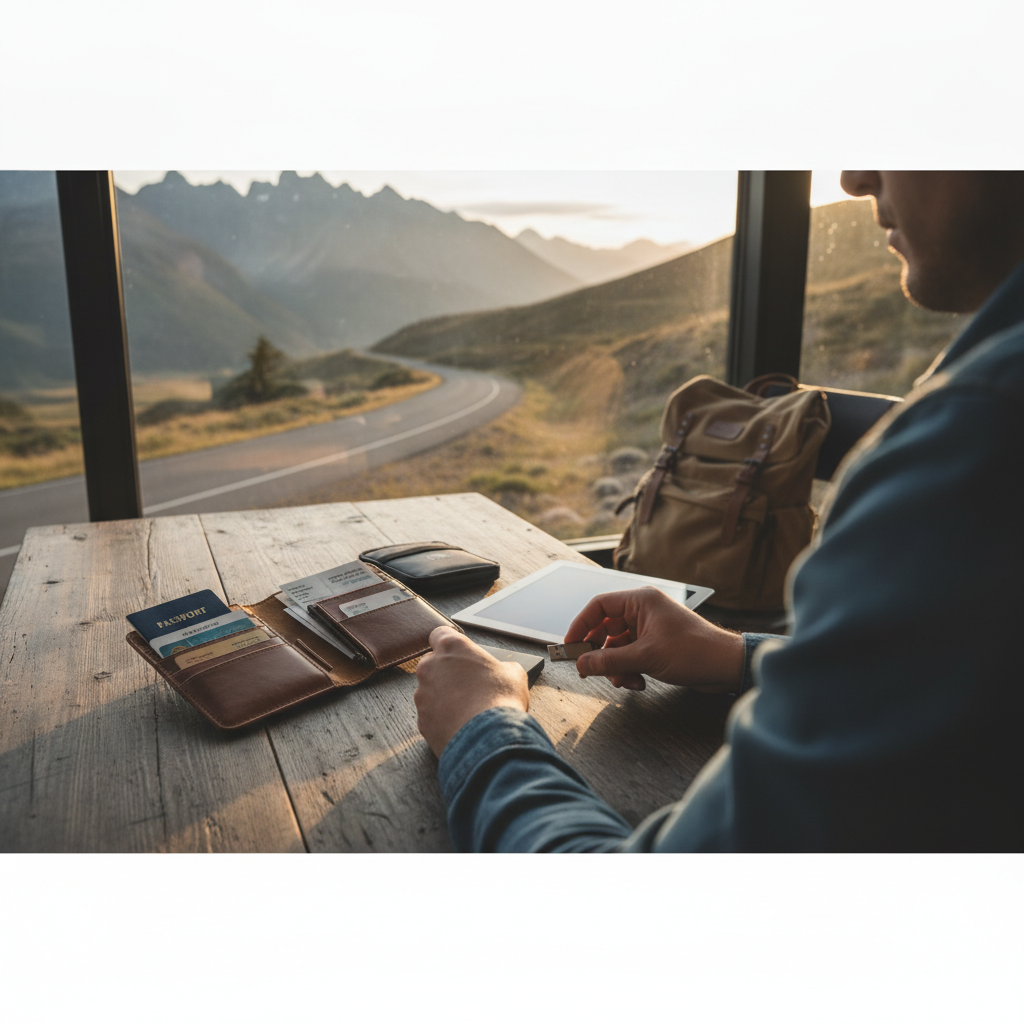
Essential Strategies for Protecting Travel Documents and Digital Information Abroad
International travel offers enriching experiences, but it also demands vigilance in protecting your vital documents and digital identity. Proactive preparation and secure practices are key to a smooth and worry-free journey, preventing potential disruptions and stress.
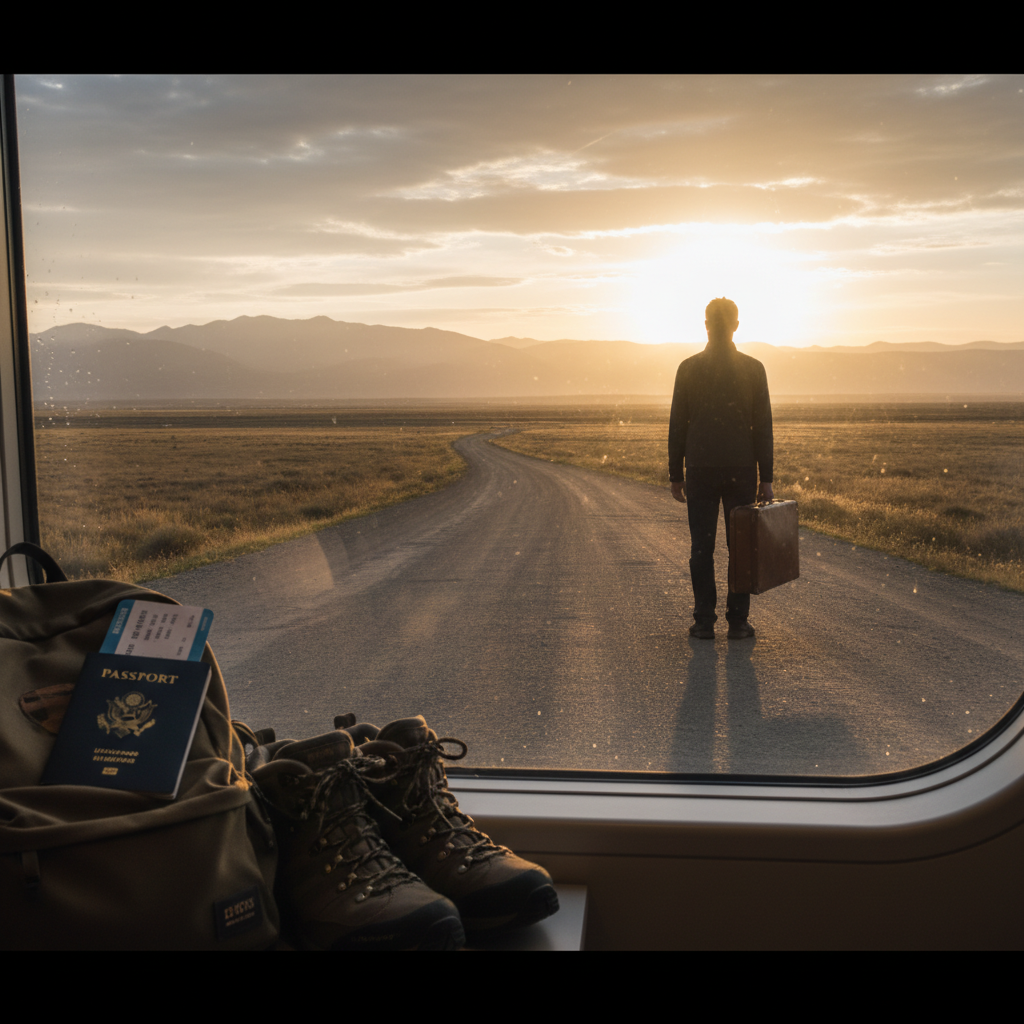
Understanding International Travel Visa Requirements and Border Procedures
International travel often necessitates a thorough understanding of visa requirements and border control protocols. These regulations vary significantly by destination, traveler nationality, and purpose of visit, influencing the planning and execution of global journeys.

Integrating Wellness Practices into Diverse Travel Itineraries for Enhanced Journeys
The integration of wellness practices into travel itineraries represents an approach that prioritizes holistic well-being throughout a journey. This method focuses on maintaining physical, mental, and emotional health while exploring new environments and cultures, extending beyond dedicated retreats.