
Principles of Planning Expeditions to Remote and Uncharted Territories
Expeditions into remote or uncharted territories represent a distinct category of travel that demands rigorous planning, meticulous preparation, and a profound understanding of potential challenges. Unlike conventional tourism, these journeys often involve navigating environments with minimal to no infrastructure, limited access to support services, and inherent risks that necessitate a comprehensive approach to safety and logistics. Successful ventures into such areas rely heavily on foresight, adaptability, and a commitment to responsible engagement with both the natural environment and any indigenous communities encountered. This article elucidates the core principles guiding the planning, execution, and conclusion of expeditions to remote and unexplored regions, providing a structured framework for understanding these complex undertakings.
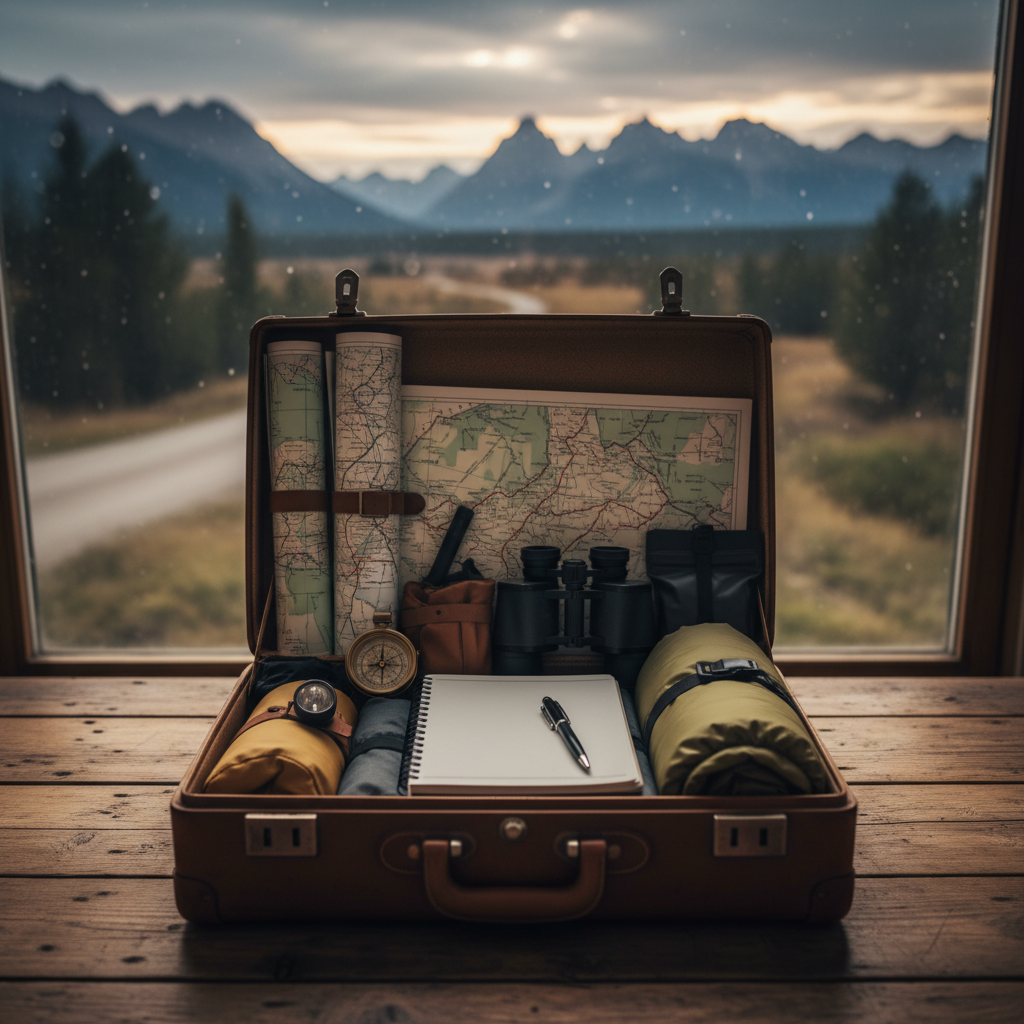
Defining Remote and Uncharted Territories
Remote territories are typically characterized by their geographic isolation, sparse human population, and limited accessibility. Uncharted territories, while often overlapping with remoteness, specifically refer to areas that are not extensively mapped, documented, or frequently visited, making detailed information scarce. Understanding these distinctions is crucial for appropriate planning.
Characteristics of Remote Areas
Remote areas often feature extreme climates, challenging topography such as dense forests, deserts, high mountains, or polar regions, and a significant distance from urban centers or emergency services. Infrastructure like roads, communication networks, and medical facilities is either rudimentary or non-existent. These characteristics contribute to increased self-reliance and the necessity for robust contingency planning.
Challenges Posed by Uncharted Zones
Uncharted zones introduce additional layers of complexity due to the lack of reliable data. Navigational challenges are amplified, environmental conditions may be unpredictable, and the presence of unknown hazards is higher. Information gathering in these areas often requires innovative methods, including satellite imagery analysis, consultation with historical accounts, and engagement with specialized experts.
Phases of Expedition Planning
The planning process for remote expeditions is iterative and highly detailed, typically involving several distinct phases that ensure all critical aspects are addressed before departure.
Initial Research and Route Selection
This foundational stage involves an exhaustive investigation into the prospective destination. Research encompasses geographical data, meteorological patterns, geological features, hydrological systems, and potential natural hazards. Political stability, local regulations, permit requirements, and the cultural landscape, including indigenous populations, are also critical considerations. Route selection involves identifying primary paths, as well as alternative options, considering factors such as terrain difficulty, water sources, and potential emergency evacuation points. Comprehensive mapping and satellite imagery analysis are indispensable tools during this phase.
Logistical Framework Development
Developing a robust logistical framework addresses the practical needs of the expedition. This includes securing necessary permits and permissions from relevant authorities, planning for transportation both to and from the remote area, and arranging internal movement within the territory. Communication strategies are paramount; this involves selecting appropriate devices such as satellite phones, two-way radios, and personal locator beacons (PLBs) or satellite messengers, and establishing a clear communication schedule with external contacts. Detailed emergency plans, including protocols for medical emergencies, navigation failures, and environmental disasters, are developed and reviewed.
Equipment and Supplies Procurement
Selecting and acquiring appropriate equipment and supplies is a critical component of preparedness. This involves specialized gear tailored to the anticipated terrain and climate, such as mountaineering equipment, specialized shelter, and appropriate clothing systems. Essential supplies include food, water purification systems, and a comprehensive medical kit, which often includes wilderness first aid supplies and specific medications for potential health issues in the region. The principle of redundancy is often applied, ensuring backup systems or alternative solutions for critical items.
Team Composition and Training
For group expeditions, the composition of the team is vital. Members are selected based on a diverse range of skills, which may include wilderness medicine, navigation expertise, technical climbing or watercraft proficiency, and specialized environmental knowledge. Physical conditioning is a prerequisite, and psychological preparedness for challenging conditions, isolation, and potential stress is also assessed. Comprehensive training often involves simulations of adverse scenarios, skill refreshers, and team-building exercises to foster cohesion and effective communication under pressure.
Risk Assessment and Mitigation
Identifying and mitigating potential risks is an ongoing process throughout planning. This involves categorizing risks (e.g., environmental, political, health, accidental, logistical) and developing specific strategies to reduce their likelihood or impact. Mitigation might include carrying specialized safety equipment, implementing strict operational protocols, obtaining comprehensive travel insurance that covers emergency evacuation, and establishing a clear chain of command for decision-making in critical situations.
Execution of the Expedition
Once the planning phases are complete, the execution phase involves applying the prepared strategies in the field while remaining adaptable to unforeseen circumstances.
Navigation and Wayfinding
Accurate navigation is fundamental in remote and uncharted territories. This typically involves a combination of modern technologies, such as GPS devices and digital mapping, alongside traditional methods like map and compass navigation. Proficiency in reading terrain, identifying landmarks, and understanding celestial navigation can serve as crucial backups. Regular position reporting and careful route tracking contribute to overall safety and situational awareness.
Communication Protocols
Maintaining consistent communication, both internally within the expedition team and externally with designated contacts, is essential. Internal communication ensures coordinated movement and response, while external communication allows for updates, support requests, and emergency signaling. Strict adherence to established communication schedules and protocols for emergency signaling ensures that help can be summoned effectively when necessary.
Environmental Stewardship
Responsible engagement with remote environments involves adhering to principles of minimal impact. This includes following Leave No Trace guidelines, proper waste management, respecting wildlife, and avoiding alteration of natural features. The goal is to leave the environment as undisturbed as possible, preserving its pristine nature for future generations and research.
Cultural Sensitivity
When expeditions pass through areas inhabited by indigenous or local communities, cultural sensitivity is paramount. This involves researching local customs and traditions beforehand, obtaining appropriate permissions for access or interaction, and engaging with residents respectfully. Understanding and adhering to local social norms contributes to positive relationships and can often provide valuable insights and support for the expedition.
Post-Expedition Procedures
Upon completion of the journey, several post-expedition procedures ensure that valuable lessons are captured and equipment is maintained.
Debriefing and Documentation
A thorough debriefing session allows the expedition team to review the journey, discuss successes, identify challenges, and document lessons learned. This process contributes to future planning and can enhance the safety and effectiveness of subsequent expeditions. Comprehensive documentation, including logs, photographs, and scientific data collected, is organized and archived.
Equipment Maintenance and Storage
All equipment undergoes inspection, cleaning, repair, and proper storage. This extends the lifespan of gear and ensures readiness for future use, which is particularly important for specialized and often costly expedition equipment.
Sharing Discoveries and Insights
Depending on the nature of the expedition, sharing findings with relevant scientific communities, geographical societies, or the wider public can be an important final step. This contributes to the collective body of knowledge about remote regions and can inspire further exploration and understanding.
Individuals contemplating expeditions to remote areas should consult a qualified healthcare professional to assess their physical readiness and discuss necessary vaccinations or prophylactic medications. It is also advisable to seek guidance from experienced expedition planners or organizations for comprehensive risk management and to ensure adherence to best practices in expeditionary travel.
More from travel

Mastering Efficient Local Transportation for Immersive Urban Exploration
Discover how to navigate cities like a local, utilizing various public and personal transport options to enhance your urban exploration. This guide provides practical strategies for efficient movement, allowing for deeper engagement with city life and culture.

Essential Strategies for Protecting Travel Documents and Digital Information Abroad
International travel offers enriching experiences, but it also demands vigilance in protecting your vital documents and digital identity. Proactive preparation and secure practices are key to a smooth and worry-free journey, preventing potential disruptions and stress.

Understanding International Travel Visa Requirements and Border Procedures
International travel often necessitates a thorough understanding of visa requirements and border control protocols. These regulations vary significantly by destination, traveler nationality, and purpose of visit, influencing the planning and execution of global journeys.

Integrating Wellness Practices into Diverse Travel Itineraries for Enhanced Journeys
The integration of wellness practices into travel itineraries represents an approach that prioritizes holistic well-being throughout a journey. This method focuses on maintaining physical, mental, and emotional health while exploring new environments and cultures, extending beyond dedicated retreats.