
Exploring the Principles and Practices of Slow Travel for Deeper Engagement
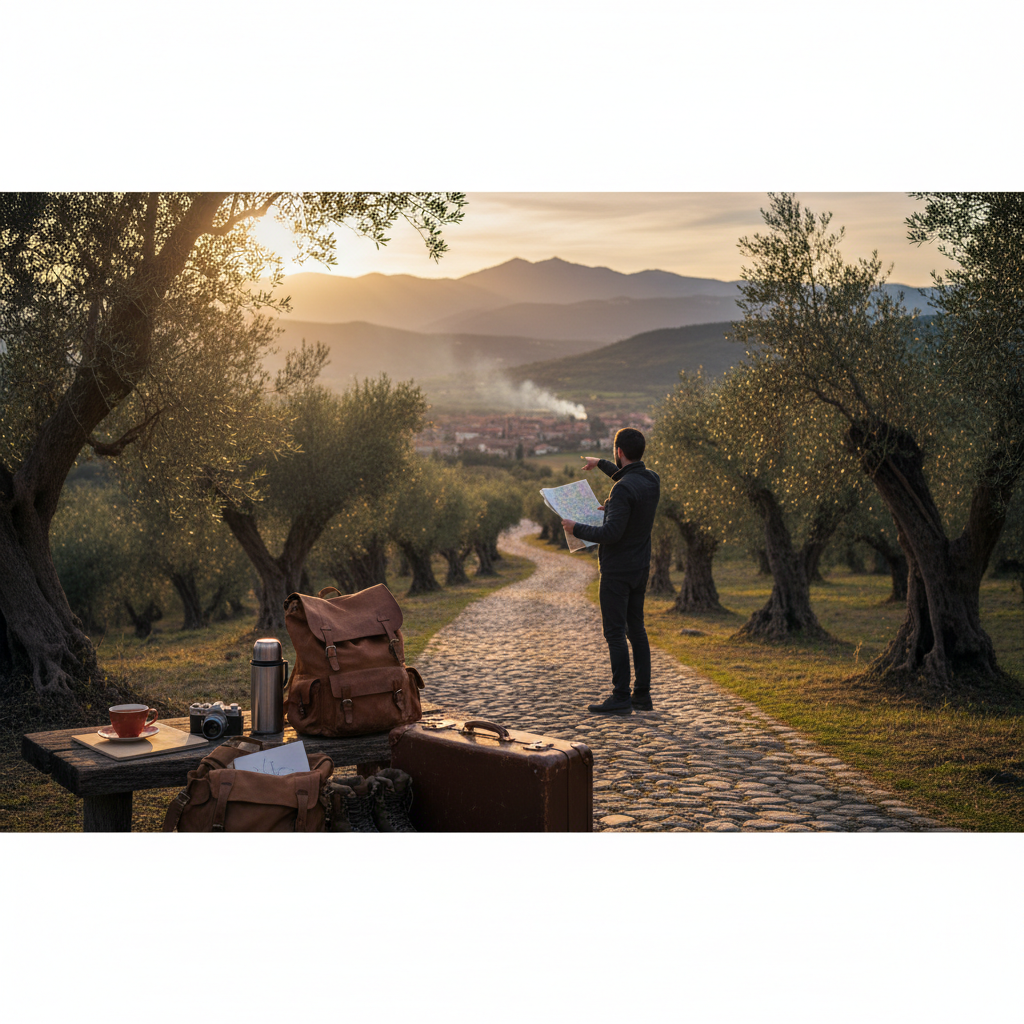
Slow travel describes a particular philosophy of tourism that has gained prominence as an alternative to fast-paced, checklist-driven vacations. It emphasizes a slower pace, extended engagement with a single destination, and a focus on immersive cultural experiences rather than merely visiting numerous sites superficially. This approach seeks to foster deeper connections with local communities, environments, and traditions, allowing travelers to experience a place more authentically. The concept emerged from the slow movement, which advocates for a deceleration of modern life, encouraging a more mindful and deliberate approach to various aspects of daily existence, including how one travels. It involves a conscious decision to minimize rushing from one landmark to another and instead spend more time appreciating the nuances of a chosen location, fostering a sense of belonging and understanding.
Defining Slow Travel
Slow travel is characterized by an intentional shift away from the rapid accumulation of sights and experiences. It is not necessarily about the speed of transportation, but rather the mindset applied to the journey. The core idea is to allocate more time to fewer places, allowing for a thorough exploration of each destination's unique character. This often translates into longer stays in a single location, which can range from several days to weeks or even months, enabling a more profound understanding of the local rhythms and daily life. It is an exploration that values depth over breadth, focusing on the quality of interaction and experience.
Core Principles of Slow Travel
Several guiding principles underpin the slow travel philosophy, shaping the traveler's experience and interaction with a destination.
Extended Stays
One fundamental aspect of slow travel involves prolonged periods in a single area. Instead of moving frequently between cities or countries, travelers might choose to reside in one town or region for an extended duration. This allows for settling into a routine, exploring neighborhoods beyond the main tourist zones, and discovering local markets, eateries, and public spaces as if living there.
Local Immersion
Immersion in the local culture is central to slow travel. This means actively engaging with residents, participating in local activities, learning about local customs, and perhaps even attempting to learn some phrases of the local language. The goal is to move beyond observing as an outsider and instead to participate in the daily fabric of the community. This might include attending local festivals, learning a traditional craft, or simply spending time in local cafes.
Mindful Exploration
Slow travel encourages a mindful approach to exploration. This involves being present and attentive to one's surroundings, noticing details that might be overlooked when rushing. It promotes wandering without a strict itinerary, allowing for spontaneous discoveries and embracing the unexpected. The emphasis is on the journey itself and the unfolding experience, rather than solely on reaching specific tourist attractions.
Reduced Pace
The pace of travel is significantly reduced in this approach. This stands in contrast to itineraries that pack multiple activities into a single day. A slower pace allows for relaxation, contemplation, and a more natural rhythm of discovery. It prioritizes well-being and avoids the exhaustion often associated with fast-paced sightseeing.
Benefits of Adopting a Slow Travel Approach
Embracing slow travel offers a range of advantages, impacting both the individual traveler and the destinations visited.
Enhanced Cultural Understanding
By spending more time in a location and engaging deeply with its culture, travelers gain a nuanced understanding that is often unattainable through quick visits. This deeper insight fosters empathy and appreciation for diverse ways of life, moving beyond superficial observations to genuine comprehension of local values, histories, and societal structures.
Personal Well-being
The reduced pace and emphasis on mindful engagement contribute to a more relaxing and less stressful travel experience. Without the pressure of a packed schedule, travelers can enjoy moments of quiet reflection, pursue personal interests, and return feeling rejuvenated rather than exhausted. This approach often leads to increased satisfaction and a sense of fulfillment from the journey.
Environmental Impact Reduction
Slow travel generally involves fewer and longer-haul flights, and often favors more sustainable modes of local transportation like trains, buses, or even walking and cycling. By staying longer in one place, the frequency of travel-related emissions is reduced. Furthermore, a mindful approach often translates into more sustainable consumer choices, such as supporting local, eco-friendly businesses and minimizing waste.
Economic Support for Localities
When travelers spend extended periods in a destination, their economic contribution tends to spread more broadly within the local economy. They are more likely to frequent local shops, restaurants, and service providers beyond the typical tourist hotspots, directly supporting small businesses and independent entrepreneurs. This helps to distribute tourist revenue more equitably within the community.
Planning a Slow Travel Journey
Organizing a slow travel experience requires a different mindset compared to planning a conventional trip, focusing on flexibility and depth.
Destination Selection
Choosing a destination suitable for slow travel involves looking for places that offer rich cultural experiences, opportunities for local engagement, and a pace of life that aligns with the slow philosophy. Destinations with robust public transport, walkable areas, and a welcoming local community are often ideal. Researching local events, cultural institutions, and community projects can inform the selection process.
Accommodation Choices
Accommodations that support longer stays and local integration are preferred. This might include rented apartments, guesthouses, or boutique hotels that offer a sense of place and opportunities for interaction with hosts or neighbors. Self-catering options can also enhance the feeling of living like a local, allowing for market visits and home cooking.
Transportation
Prioritizing sustainable and local transportation methods is key. Trains, buses, and ferries offer opportunities to observe landscapes and interact with locals, contributing to the immersive experience. Within a destination, walking, cycling, or using local public transport networks further integrates the traveler into the community's daily life.
Activity Prioritization
Rather than listing a multitude of famous landmarks, slow travel itineraries often prioritize open-ended activities. This could involve spending an afternoon at a local park, visiting a neighborhood market, learning a local recipe, or simply observing daily life from a cafe. The emphasis is on experiencing the destination organically, allowing discoveries to unfold naturally.
Integrating with Local Culture and Environment
Successful slow travel involves a conscious effort to integrate respectfully into the local environment and culture.
Language and Communication
Making an effort to learn basic phrases in the local language can significantly enhance interaction and demonstrate respect. Even simple greetings or thank-yous can open doors to more meaningful exchanges with residents. Non-verbal communication, such as observing local customs regarding personal space or gestures, is also important.
Respecting Traditions and Customs
Understanding and respecting local traditions, social norms, and religious practices is paramount. This includes being mindful of dress codes in sacred sites, understanding etiquette around food and dining, and being sensitive to local beliefs. Researching these aspects beforehand contributes to a positive and respectful presence in the community.
Sustainable Practices
Adopting sustainable practices extends beyond transportation. It involves minimizing waste, conserving resources like water and electricity, and supporting businesses that prioritize environmental responsibility. Choosing to buy locally produced goods and consuming seasonal foods can also reduce the environmental footprint and support local economies.
Challenges and Considerations in Slow Travel
While offering numerous benefits, slow travel also presents certain challenges and considerations.
One significant aspect is the time commitment required. Not all individuals have the flexibility in their schedules to undertake extended periods of travel. The financial aspect can also be a consideration, although longer stays in self-catering accommodations can sometimes prove more cost-effective than frequent hotel changes and constant dining out. Additionally, the slower pace may not appeal to every traveler, particularly those who prefer a structured itinerary or seek to experience a wide variety of destinations within a limited timeframe. Adapting to local living and potentially navigating cultural differences without the buffer of a guided tour requires a degree of independence and adaptability. Nevertheless, for those seeking a profound and enriching travel experience, slow travel offers a distinctive and rewarding alternative.
More from travel
Mastering Efficient Local Transportation for Immersive Urban Exploration
Discover how to navigate cities like a local, utilizing various public and personal transport options to enhance your urban exploration. This guide provides practical strategies for efficient movement, allowing for deeper engagement with city life and culture.
Essential Strategies for Protecting Travel Documents and Digital Information Abroad
International travel offers enriching experiences, but it also demands vigilance in protecting your vital documents and digital identity. Proactive preparation and secure practices are key to a smooth and worry-free journey, preventing potential disruptions and stress.
Understanding International Travel Visa Requirements and Border Procedures
International travel often necessitates a thorough understanding of visa requirements and border control protocols. These regulations vary significantly by destination, traveler nationality, and purpose of visit, influencing the planning and execution of global journeys.
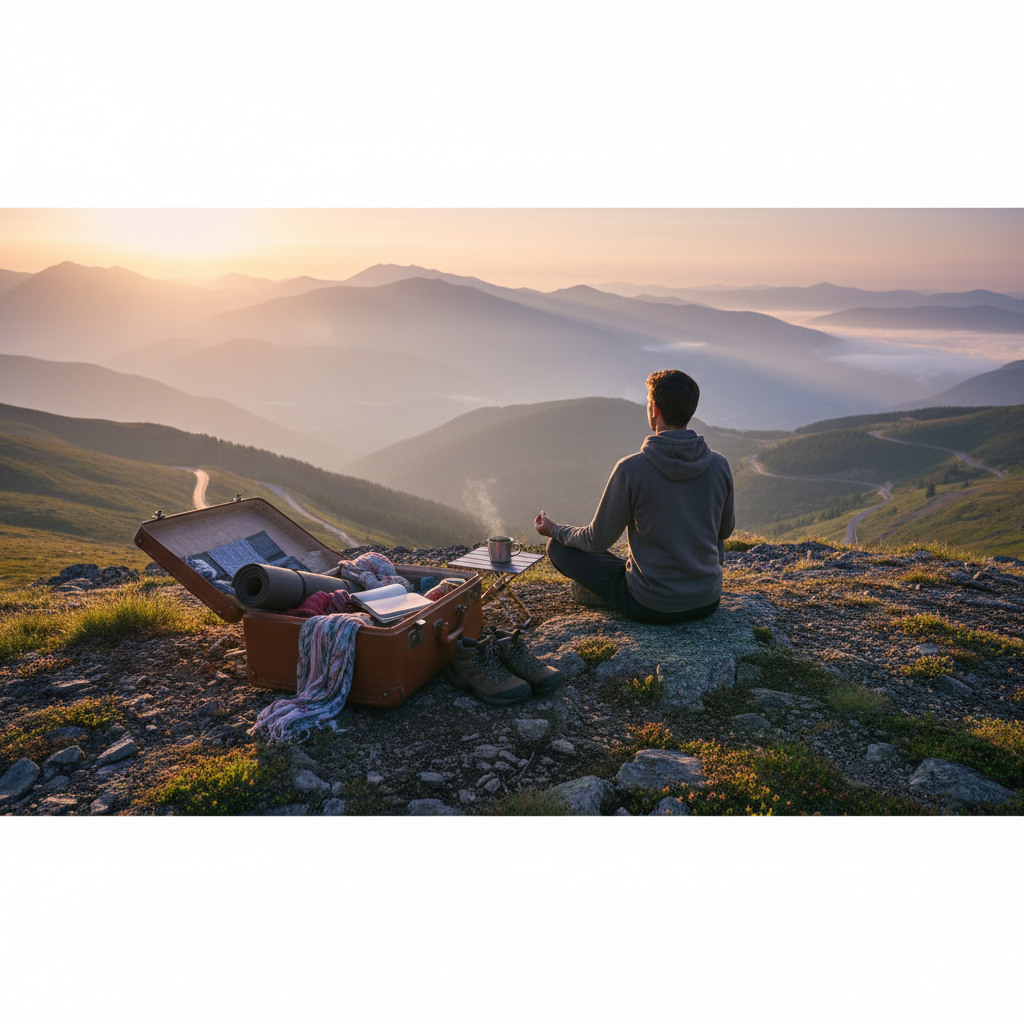
Integrating Wellness Practices into Diverse Travel Itineraries for Enhanced Journeys
The integration of wellness practices into travel itineraries represents an approach that prioritizes holistic well-being throughout a journey. This method focuses on maintaining physical, mental, and emotional health while exploring new environments and cultures, extending beyond dedicated retreats.