
Strategic Lightweight Packing for Extended Adventure Journeys
Extended adventure travel, characterized by dynamic environments, unpredictable itineraries, and often remote destinations, presents unique challenges for the modern traveler. Among these, the management of personal belongings stands as a critical determinant of a journey's success and enjoyment. The conventional approach of overpacking can quickly transform liberation into burden, impeding mobility, increasing logistical complexities, and detracting from the immersive experience inherent to adventure. Conversely, a deliberate commitment to lightweight packing liberates the traveler, fostering agility, reducing physical strain, and enabling a more profound engagement with the surrounding world. This strategy is not merely about carrying less; it is about carrying precisely what is needed, chosen for its utility, durability, and adaptability across a spectrum of situations. It is a philosophy that underpins efficiency and resilience, allowing adventurers to navigate diverse landscapes, from rugged mountains to bustling urban centers, with unencumbered ease and a heightened sense of self-reliance.
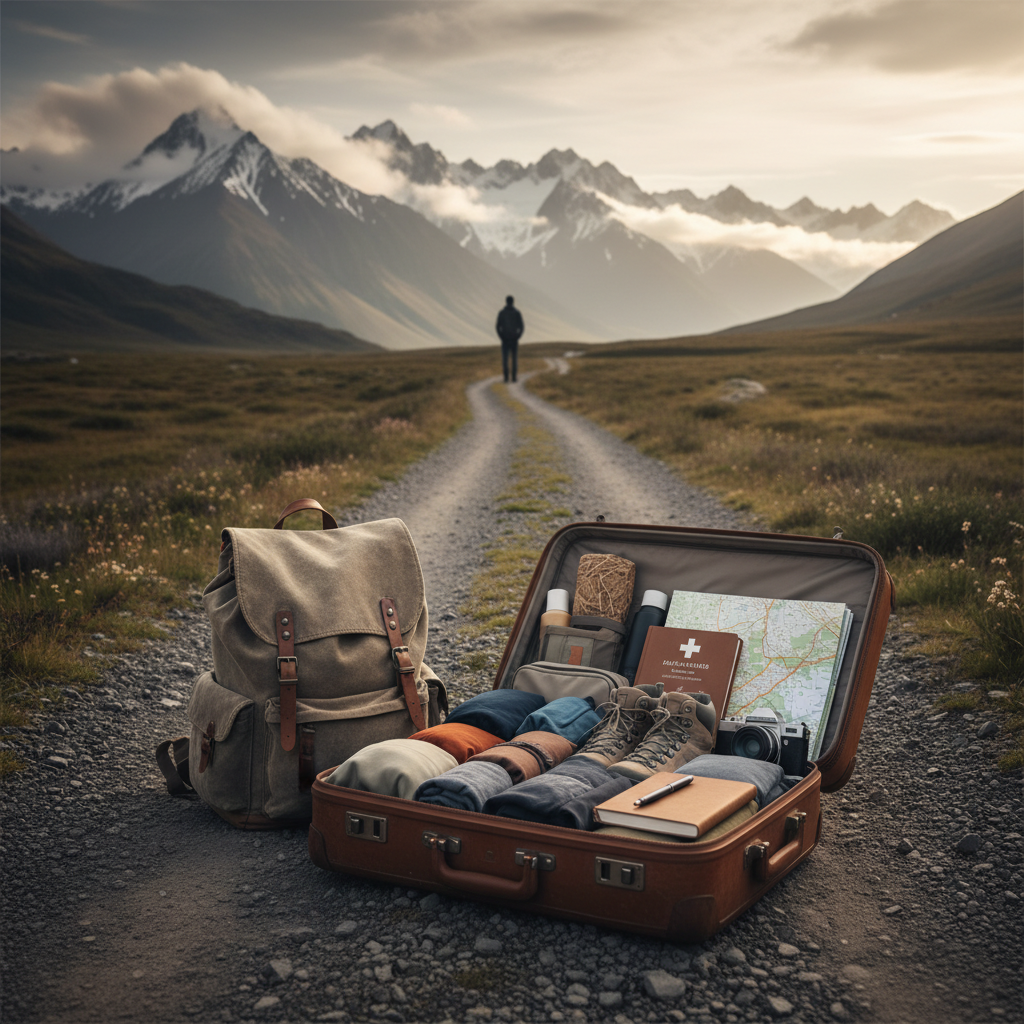
The Foundational Principles of Minimalism
Adopting a minimalist mindset is the cornerstone of effective lightweight packing. This approach transcends simply reducing items; it involves a conscious evaluation of necessity, functionality, and potential impact on the travel experience. The goal is to optimize one's load for maximum freedom and adaptability, rather than to merely count items.
Prioritizing Essentials
Every item considered for inclusion in one's pack should pass a strict test of necessity. Travelers often find that many items brought "just in case" remain unused throughout an extended trip. Focus should be placed on items that serve critical functions for safety, comfort, and core activities. This often means foregoing duplicate items and choosing tools that are indispensable for daily life on the road, such as navigation aids, basic first-aid, and appropriate clothing layers.
Multi-Functional Items
One of the most effective strategies for reducing weight and bulk is to select items that serve multiple purposes. A sarong, for instance, can function as a towel, a blanket, a sun shade, a skirt, or a head covering. A smartphone acts as a camera, GPS, communication device, and entertainment hub. Similarly, clothing items that can be dressed up or down, or layered for various temperatures, significantly reduce the total number of garments required. Each item should justify its space by offering versatility across different scenarios.
Quality Over Quantity
Investing in high-quality, durable gear designed for travel and adventure is paramount. While such items may have a higher initial cost, their longevity, performance, and often lighter weight offset this over time. Well-made clothing dries faster, resists wear and tear, and provides better protection against the elements. Backpacks constructed from robust, lightweight materials withstand the rigors of travel more effectively. Prioritizing quality ensures reliability and reduces the need for frequent replacements, contributing to a more sustainable and less stressful journey.
Strategic Gear Selection
Careful selection of each component of one's travel kit is crucial for maintaining a lightweight load without compromising readiness. This involves considering the specific demands of the adventure, the climate, and the duration of the trip.
Clothing Systems
Rather than packing individual outfits, a modular clothing system is highly effective. This typically involves a base layer for moisture-wicking, a mid-layer for insulation, and an outer shell for protection against wind and rain. All layers should be lightweight, quick-drying, and compressible. Neutral colors allow for mixing and matching, extending the perceived wardrobe. Limiting the number of bottom garments (trousers, shorts) and prioritizing versatile tops is a common tactic.
Footwear Considerations
Footwear is often one of the heaviest and bulkiest items. The ideal strategy is to limit oneself to two pairs: one versatile, comfortable walking or hiking shoe suitable for the primary activities, and one lighter, packable option such as sandals or minimalist shoes for relaxation, short walks, or showering. Both pairs should be broken in before departure to prevent discomfort and blisters.
Tech and Documentation
Digital resources can significantly lighten the load. E-readers replace multiple books, and cloud storage eliminates the need for physical documents. Essential electronics should be robust and efficient, ideally with multi-regional charging capabilities. Physical documents, such as passports and visas, should be kept secure, and digital backups stored separately. A portable power bank can extend the utility of electronic devices in remote areas.
Personal Care and Medical
Travel-sized toiletries are a standard recommendation, but even further reduction is possible by decanting products into smaller, reusable containers. Solid toiletries (shampoo bars, soap bars) eliminate the risk of leaks and often last longer. A compact, personalized medical kit containing prescription medications, pain relievers, antiseptic wipes, and blister treatment is essential, tailored to potential health risks of the destination.
Packing Techniques and Logistics
Even with a minimalist selection of items, inefficient packing can negate the benefits of lightweight gear. Proper techniques maximize space and organization, making access to items easier and the pack more manageable.
The Art of Rolling or Folding
Two primary methods exist for packing clothing: rolling and folding. Rolling clothing tightly can minimize wrinkles and save space, particularly for soft garments like t-shirts and underwear. Folding, especially using techniques like KonMari or military-style folding, creates neat, compact blocks that can fit snugly together in a pack, reducing shifting. The optimal method often depends on the type of garment and the shape of the bag, and a combination of both is frequently employed.
Utilizing Packing Organizers
Packing cubes, compression sacks, and stuff sacks are invaluable tools for organizing items within a backpack. They compartmentalize clothing, toiletries, and gear, making it easier to locate specific items without rummaging. Compression sacks are particularly useful for bulky items like jackets, reducing their volume. These organizers also help in separating clean clothes from dirty ones, and wet items from dry, contributing to overall pack hygiene and efficiency.
The Personal Item and Carry-On Strategy
For air travel, maximizing the personal item allowance can significantly reduce the contents of the main carry-on bag. Essential electronics, important documents, a change of clothes, and any items needed during transit are typically stored in the personal item. This strategy ensures critical items are always accessible and provides a contingency in case the main bag is misplaced. Adhering to carry-on size and weight limits is crucial to avoid additional fees and delays.
Laundry on the Go
Planning for laundry during extended trips is fundamental to lightweight packing. This often involves hand-washing clothing in sinks, using travel-sized detergent or soap bars, and utilizing a travel clothesline. Selecting quick-drying fabrics ensures garments are ready for wear within hours, minimizing the number of items needed for the duration of the trip. This iterative cleaning process allows for a smaller wardrobe without sacrificing hygiene.
Embracing lightweight packing for extended adventure travel is a transformative practice that enhances mobility, reduces stress, and deepens engagement with the journey itself. By adhering to principles of minimalism, making strategic gear choices, and employing efficient packing techniques, travelers can cultivate a sense of freedom and readiness. This deliberate approach ensures that one's possessions serve as tools for exploration rather than impediments, allowing for a more focused and enriching experience on the road. The objective is to travel smarter, not harder, fostering a profound connection with the diverse landscapes and cultures encountered along the way. Will the next adventure be your lightest yet?
More from travel
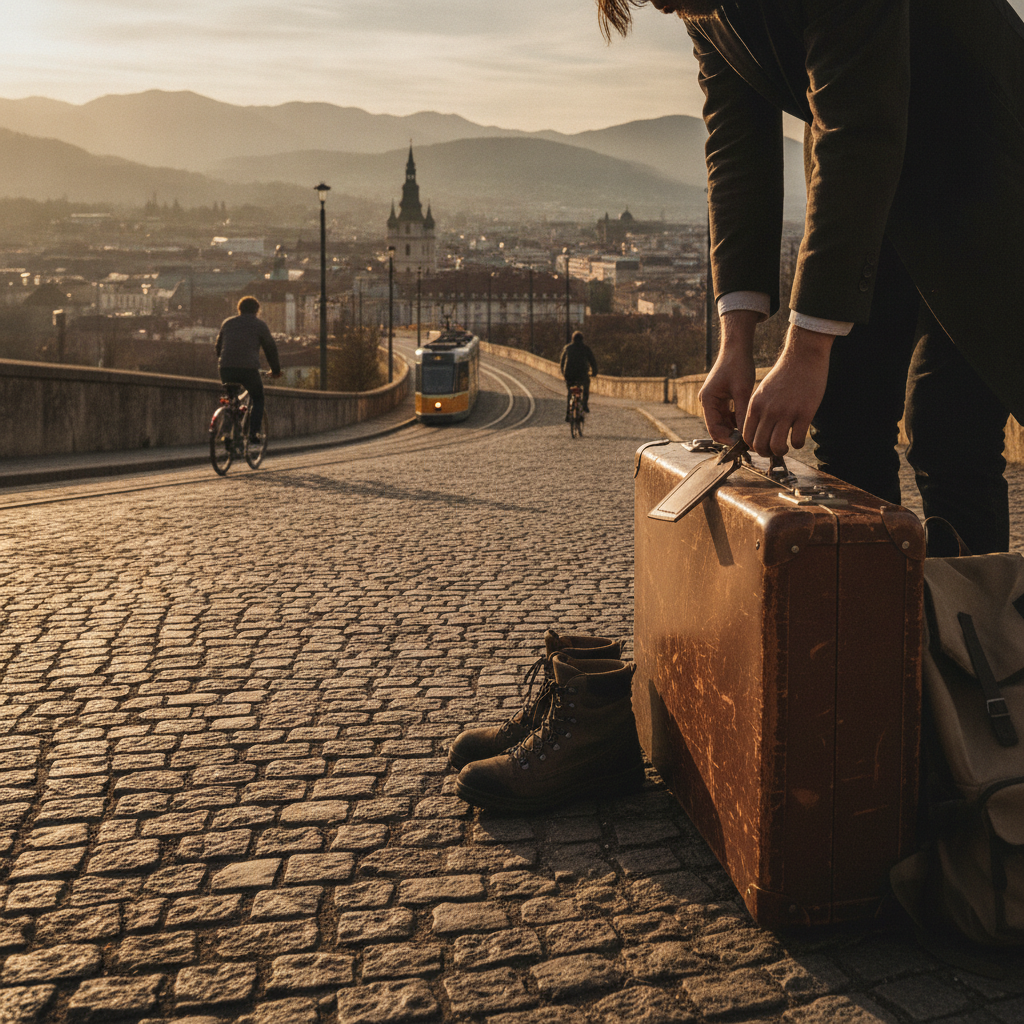
Mastering Efficient Local Transportation for Immersive Urban Exploration
Discover how to navigate cities like a local, utilizing various public and personal transport options to enhance your urban exploration. This guide provides practical strategies for efficient movement, allowing for deeper engagement with city life and culture.
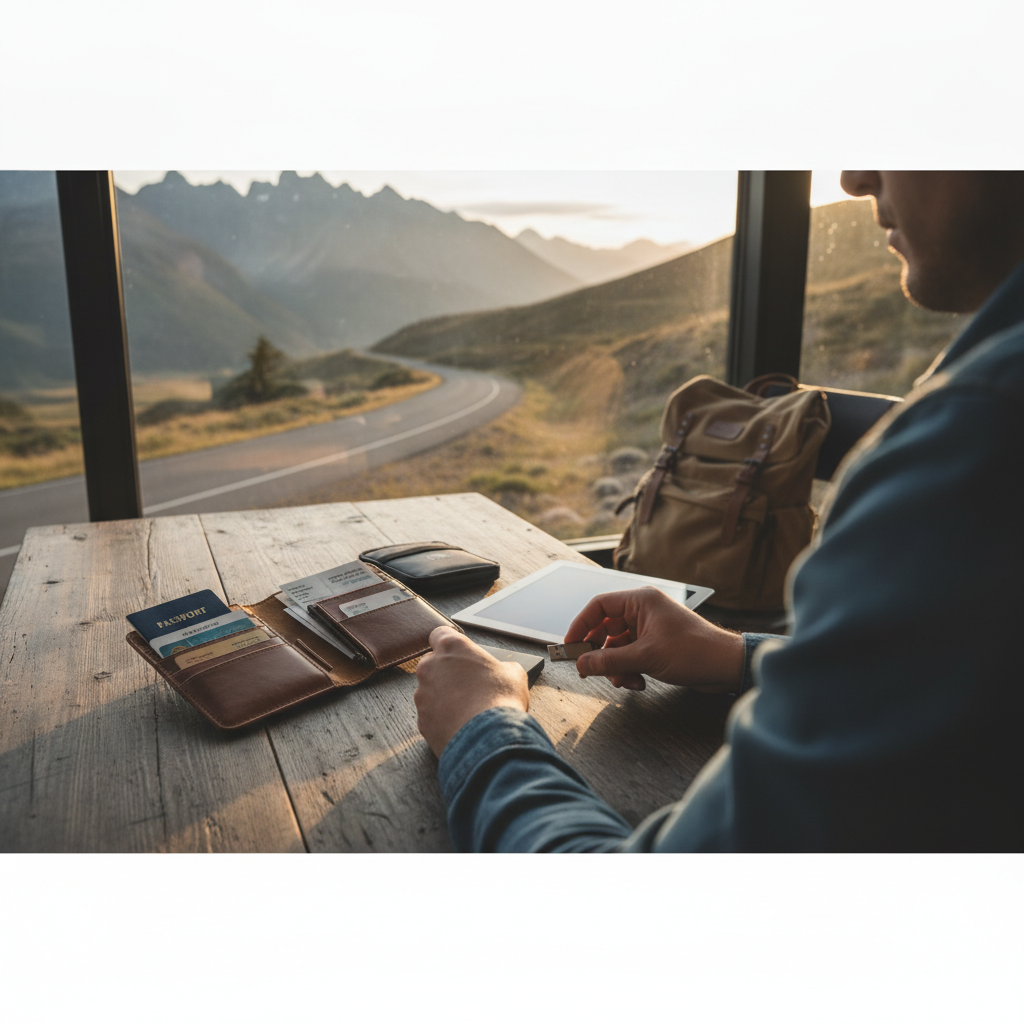
Essential Strategies for Protecting Travel Documents and Digital Information Abroad
International travel offers enriching experiences, but it also demands vigilance in protecting your vital documents and digital identity. Proactive preparation and secure practices are key to a smooth and worry-free journey, preventing potential disruptions and stress.
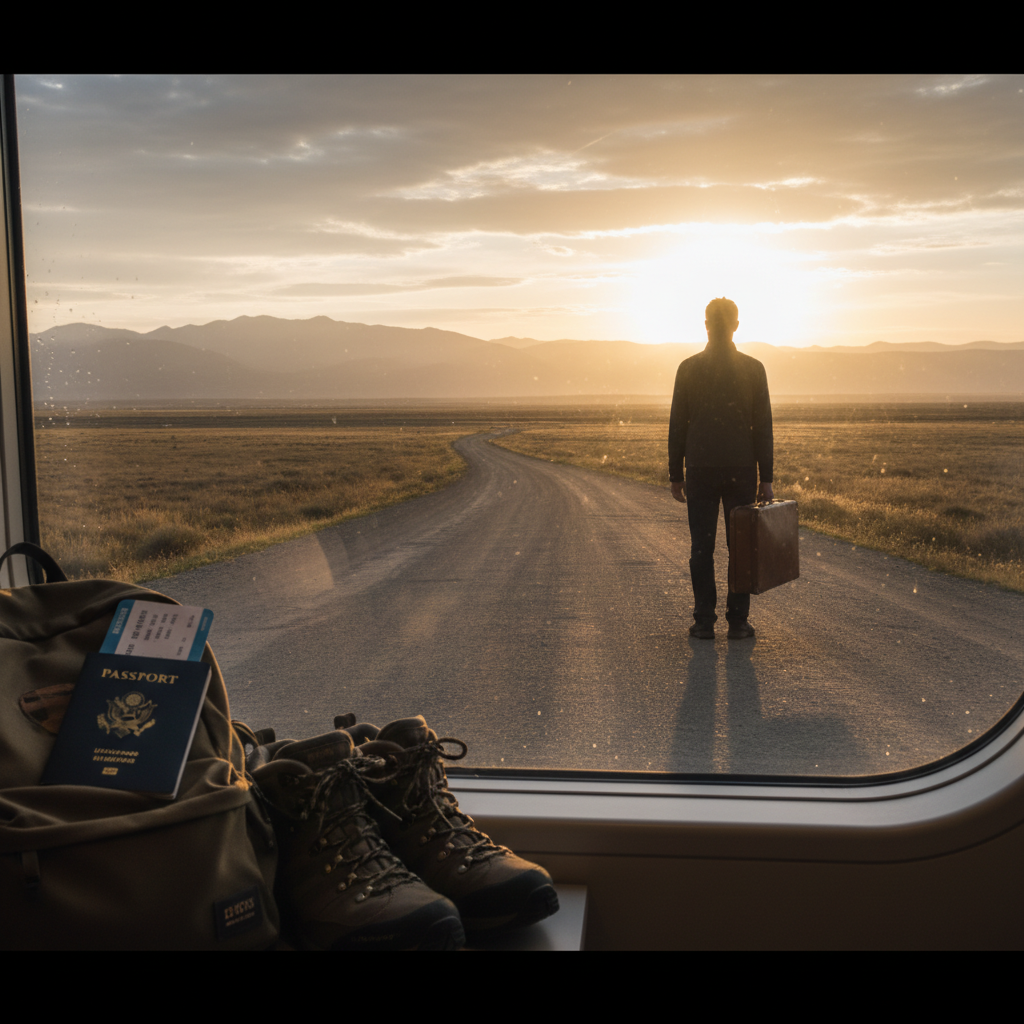
Understanding International Travel Visa Requirements and Border Procedures
International travel often necessitates a thorough understanding of visa requirements and border control protocols. These regulations vary significantly by destination, traveler nationality, and purpose of visit, influencing the planning and execution of global journeys.

Integrating Wellness Practices into Diverse Travel Itineraries for Enhanced Journeys
The integration of wellness practices into travel itineraries represents an approach that prioritizes holistic well-being throughout a journey. This method focuses on maintaining physical, mental, and emotional health while exploring new environments and cultures, extending beyond dedicated retreats.