
Understanding Logistical Planning for Solo Adventure Travel
Solo adventure travel involves embarking on journeys, often to remote or challenging environments, as an individual, seeking experiences that combine physical exertion, exploration, and a degree of self-reliance. This form of travel appeals to those who value autonomy, personal challenge, and an unmediated connection with their surroundings. While exhilarating, the success and safety of solo adventure travel are fundamentally contingent upon rigorous logistical planning. Unlike group travel, where responsibilities are often shared, the solo adventurer assumes complete accountability for all aspects of their expedition. Therefore, a comprehensive understanding of preparatory steps, risk mitigation strategies, and self-sufficiency is paramount. This article explores the multifaceted components of logistical planning essential for undertaking solo adventure travel, encompassing research, route development, equipment management, and emergency preparedness.
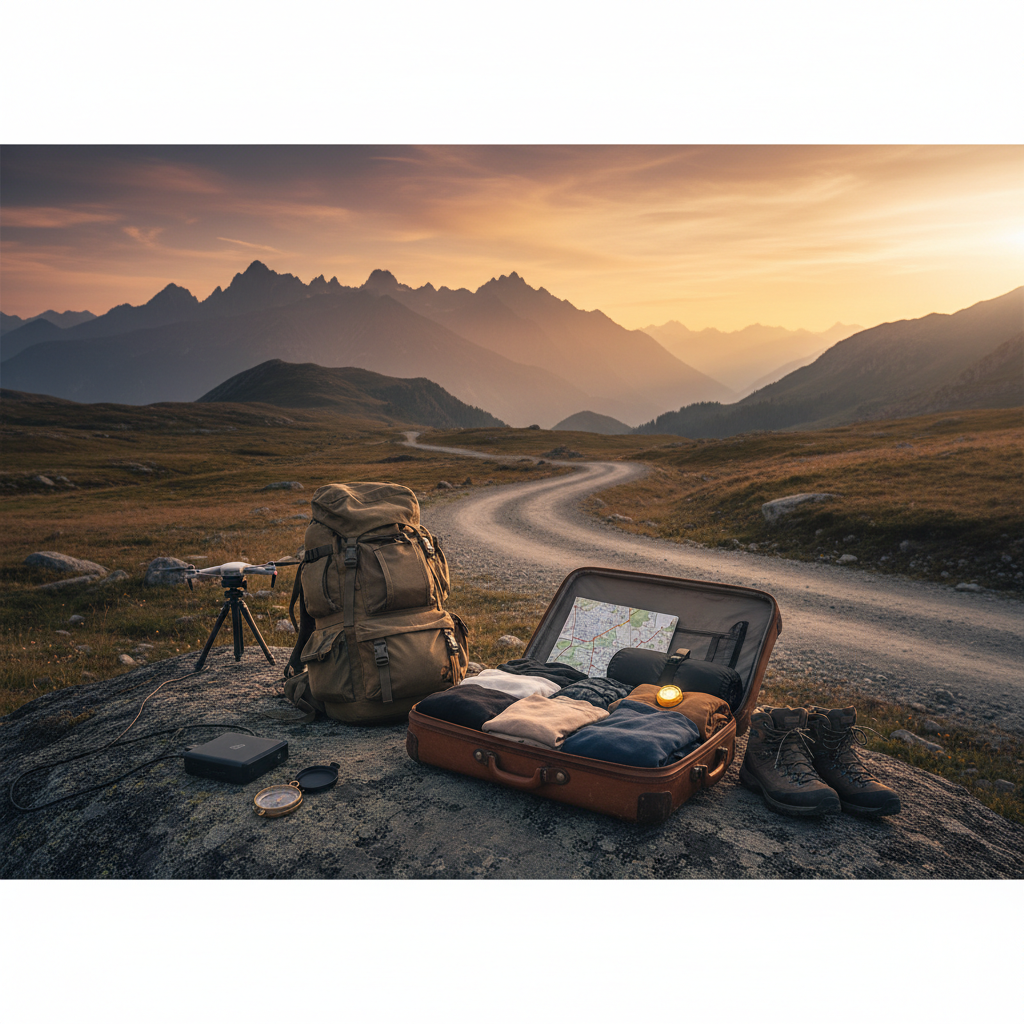
Initial Research and Destination Assessment
The initial phase of planning involves thorough research into potential destinations and the specific adventure activities contemplated. This stage is critical for establishing a foundational understanding of the environment and its associated challenges. An assessment of personal skills, experience, and physical fitness levels relative to the demands of the chosen adventure is also vital to ensure feasibility.
Evaluating Destination Safety and Stability
Before finalizing a destination, it is important to investigate its current safety and political stability. This includes reviewing travel advisories from government bodies, monitoring local news, and understanding common risks such as crime rates, natural disaster potential, and health concerns. For solo travelers, a higher degree of vigilance may be necessary, and selecting destinations with a clear understanding of these factors contributes to a safer experience.
Understanding Local Regulations and Permits
Many adventure activities, especially in protected areas or specific regions, require permits or adherence to particular regulations. This can include permits for trekking, climbing, camping, or entering certain national parks. Researching and obtaining these necessary permissions in advance is a crucial logistical step. Non-compliance can lead to legal issues, fines, or the disruption of travel plans.
Route Planning and Itinerary Development
Detailed route planning forms the backbone of any solo adventure. This involves mapping out the entire journey, identifying key waypoints, and estimating travel times between locations. The aim is to create a realistic and adaptable itinerary that accounts for potential delays and unexpected circumstances.
Detailed Mapping and Contingency Routes
Utilizing detailed topographic maps, satellite imagery, and GPS data is fundamental for accurate route planning. Identifying primary routes, as well as alternative paths or escape routes in case of adverse conditions or unforeseen obstacles, is a key consideration for solo travelers. Understanding terrain features, water sources, and potential shelter locations along the route enhances preparedness.
Daily Activity Limits and Rest Periods
Designing an itinerary that incorporates realistic daily activity limits is important. Overestimating physical capacity or underestimating the challenges of the terrain can lead to exhaustion, increased risk of injury, and delays. Incorporating adequate rest days and buffer time for unforeseen events helps maintain physical and mental well-being throughout the journey.
Gear and Equipment Management
The selection and management of gear and equipment are paramount for solo adventure travel. Every item carried serves a specific purpose, and its utility, weight, and durability are significant factors. The objective is to carry essential items while minimizing unnecessary bulk.
Essential Items for Specific Adventure Types
Equipment needs vary significantly based on the type of adventure. For trekking, this might include appropriate footwear, layered clothing, and a durable backpack. For water-based activities, specialized kayaks, dry bags, and personal flotation devices are necessary. A comprehensive checklist tailored to the specific activity and environmental conditions helps ensure all critical items are accounted for.
Communication and Navigation Tools
Reliable communication and navigation tools are essential for solo adventurers, especially in areas with limited cellular service. This includes a GPS device with pre-loaded maps, a compass, and physical maps as backups. Satellite communication devices, such as satellite phones or personal locator beacons (PLBs), provide a means of contact in emergency situations and can transmit location data to rescue services. Portable power banks or solar chargers are also important for maintaining device functionality.
Safety Protocols and Emergency Preparedness
For solo travelers, safety protocols and comprehensive emergency preparedness are non-negotiable. The ability to manage unforeseen situations independently is a defining characteristic of successful solo adventure.
Sharing Itineraries and Check-in Protocols
Communicating the detailed itinerary, including expected routes, campsites, and estimated return dates, with trusted contacts is a fundamental safety measure. Establishing a regular check-in schedule, where the solo traveler reports their status, allows these contacts to monitor progress and initiate appropriate action if a check-in is missed.
First Aid and Wilderness Medical Training
Carrying a well-stocked first aid kit tailored to the expected medical needs and environment is crucial. Furthermore, acquiring basic wilderness first aid skills or even advanced wilderness medicine training can provide the knowledge and confidence to manage injuries or illnesses in remote settings until professional help can be accessed. This includes understanding wound care, splinting, and emergency evacuation procedures.
Understanding Local Emergency Services
Researching and knowing how to contact local emergency services in the destination area is important. This involves understanding their contact numbers, response capabilities, and any specific protocols for calling for assistance in remote regions. Knowledge of local search and rescue organizations, if applicable, can also be beneficial.
Financial Planning and Budgeting
Effective financial planning ensures the viability and continuity of a solo adventure. This encompasses budgeting for all anticipated expenses and establishing a reserve for unexpected costs.
Estimating Costs and Emergency Funds
Creating a detailed budget that accounts for transportation, accommodation, food, permits, gear, and travel insurance is essential. Allocating an emergency fund, typically 15-20% of the total budget, provides a financial buffer for unforeseen expenses such as medical emergencies, extended stays, or gear replacement. Access to these funds through various methods, such as multiple credit cards or a small amount of local currency, is also a consideration.
Travel Insurance Considerations
Comprehensive travel insurance is a critical investment for solo adventure travel. Policies should be carefully reviewed to ensure they cover specific adventure activities, emergency medical treatment, medical evacuation, trip cancellation, and lost or damaged gear. Some standard policies may exclude high-risk activities, necessitating specialized adventure travel insurance.
Cultural Sensitivity and Local Engagement
Engaging respectfully with local cultures enhances the travel experience and contributes to positive interactions. For solo travelers, demonstrating cultural awareness can facilitate smoother interactions and access to local knowledge and support.
Researching Local Customs and Etiquette
Prior to arrival, researching local customs, social norms, and etiquette is beneficial. This includes understanding appropriate dress codes, greetings, dining practices, and communication styles. Adhering to these customs demonstrates respect and can prevent misunderstandings.
Learning Basic Phrases
Learning a few basic phrases in the local language, such as greetings, polite requests, and expressions of gratitude, can significantly improve interactions. Even a small effort to communicate in the local tongue can be appreciated and can aid in navigating daily situations and building rapport with local communities.
Mental and Physical Preparedness
Beyond logistical arrangements, preparing oneself mentally and physically for the demands of solo adventure travel is integral to a successful journey. The unique aspects of traveling alone require a robust mindset and physical conditioning.
Pre-trip Physical Conditioning
Undertaking a physical conditioning regimen that mimics the demands of the planned adventure helps to build the necessary endurance, strength, and resilience. This may include hiking with a loaded pack, practicing specific skills, or engaging in cardiovascular exercises. Being physically prepared reduces the risk of injury and enhances overall enjoyment.
Developing Mental Resilience
Solo travel often presents moments of solitude, unexpected challenges, and the need for independent problem-solving. Developing mental resilience involves cultivating adaptability, patience, and a positive outlook. Understanding that discomfort and uncertainty can be part of the experience allows for a more prepared response to unforeseen circumstances and enhances the capacity for self-reliance.
Disclaimer
The information provided in this article is for general educational purposes only and does not constitute professional advice. For specific health concerns, consult a qualified healthcare professional. For financial planning and insurance decisions, consult a qualified financial advisor or insurance professional. For legal matters, consult a licensed attorney.
More from travel
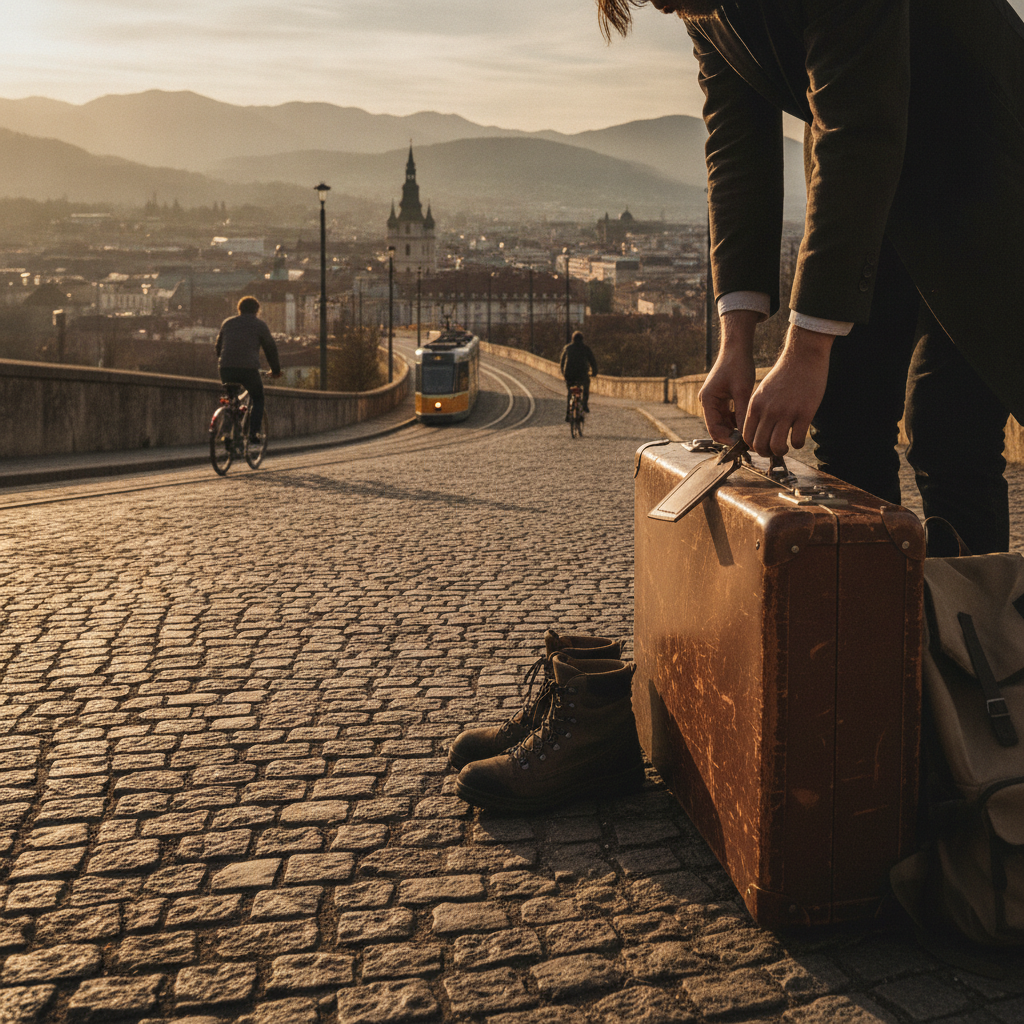
Mastering Efficient Local Transportation for Immersive Urban Exploration
Discover how to navigate cities like a local, utilizing various public and personal transport options to enhance your urban exploration. This guide provides practical strategies for efficient movement, allowing for deeper engagement with city life and culture.
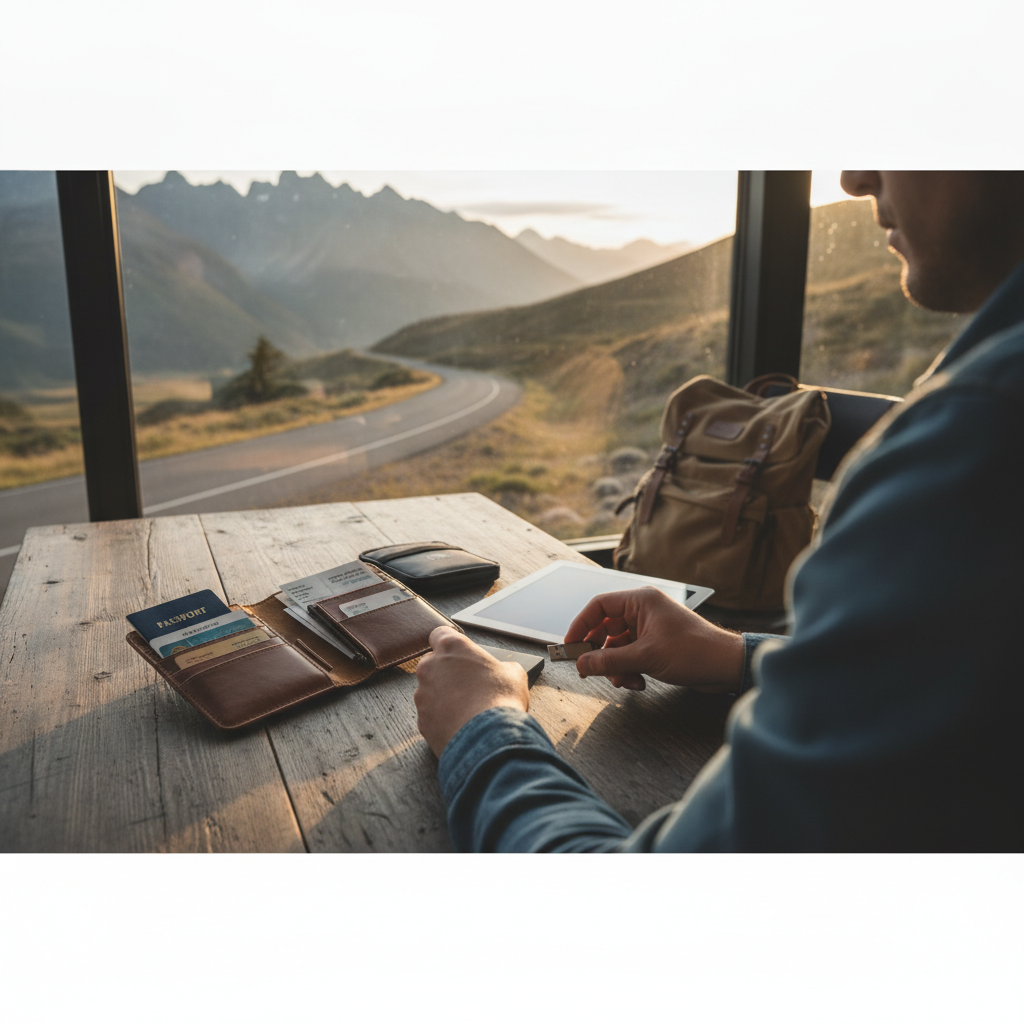
Essential Strategies for Protecting Travel Documents and Digital Information Abroad
International travel offers enriching experiences, but it also demands vigilance in protecting your vital documents and digital identity. Proactive preparation and secure practices are key to a smooth and worry-free journey, preventing potential disruptions and stress.
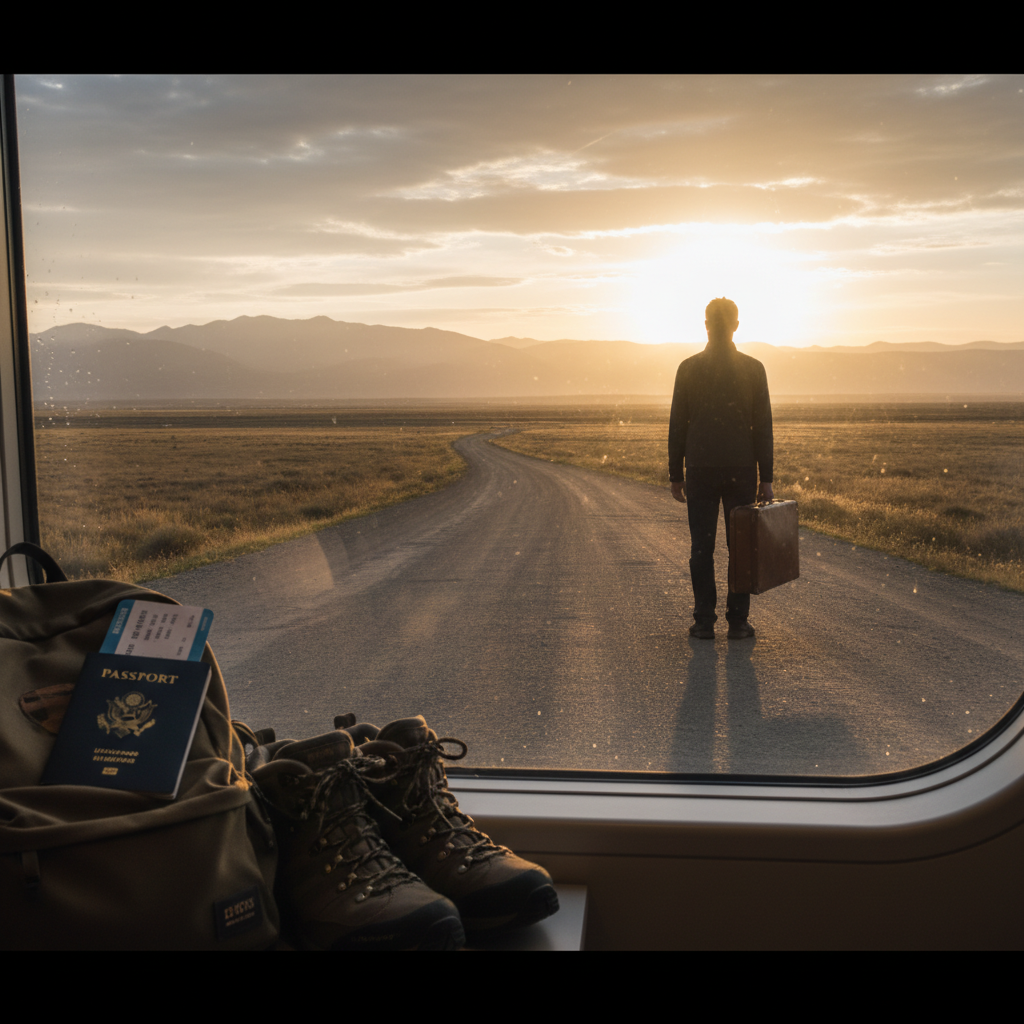
Understanding International Travel Visa Requirements and Border Procedures
International travel often necessitates a thorough understanding of visa requirements and border control protocols. These regulations vary significantly by destination, traveler nationality, and purpose of visit, influencing the planning and execution of global journeys.
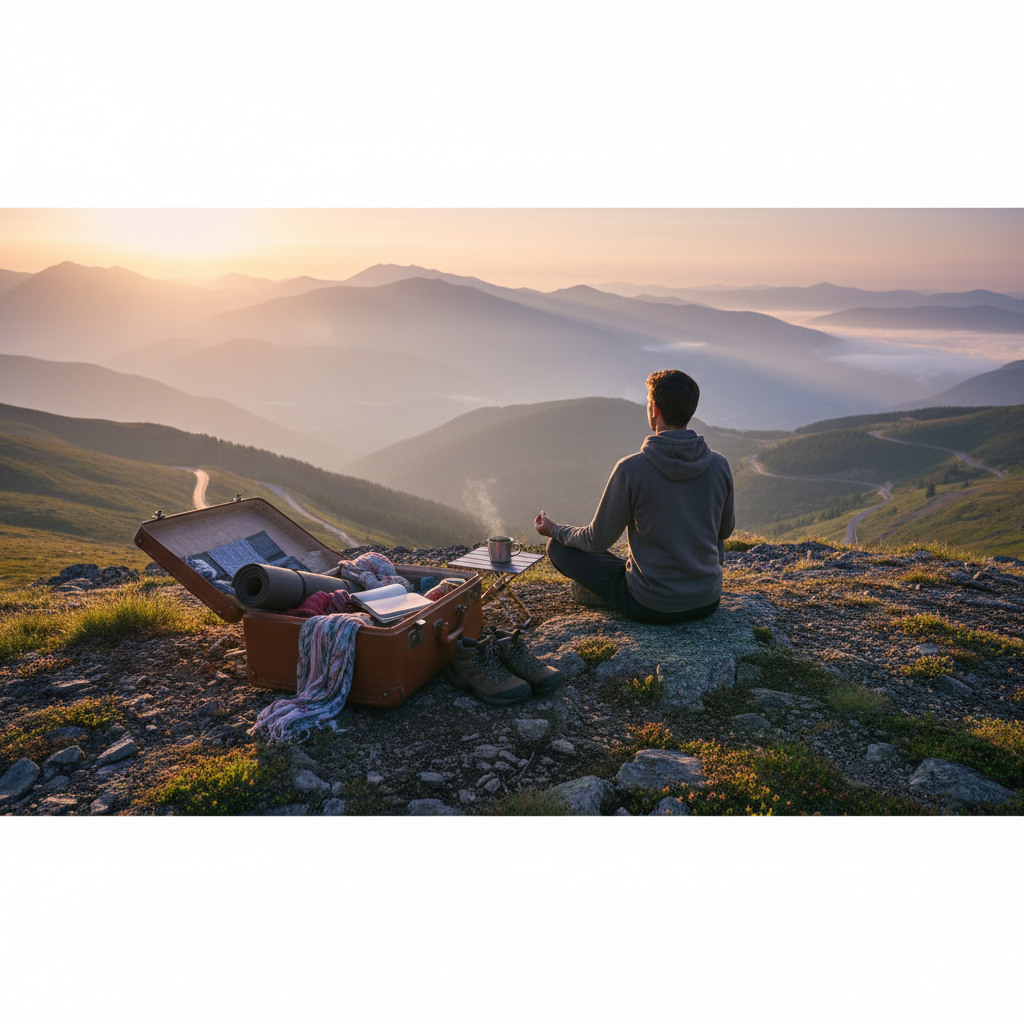
Integrating Wellness Practices into Diverse Travel Itineraries for Enhanced Journeys
The integration of wellness practices into travel itineraries represents an approach that prioritizes holistic well-being throughout a journey. This method focuses on maintaining physical, mental, and emotional health while exploring new environments and cultures, extending beyond dedicated retreats.