
Understanding the Logistics of Family Travel with Young Children
Traveling with young children presents a distinct set of logistical considerations that differ significantly from adult or even multi-generational travel experiences. The successful navigation of these unique challenges requires meticulous planning, an understanding of child-specific needs, and adaptable strategies to ensure comfort and safety for all family members. This type of travel often involves careful selection of destinations and accommodations, precise packing for various eventualities, and thoughtful consideration of transportation methods. This article explores the fundamental principles and practical approaches involved in organizing and executing family travel when young children are part of the journey, focusing on aspects from pre-trip preparation to on-location management and safety protocols, aiming to provide an informative overview of the complexities and solutions inherent in such expeditions. The goal is to detail the systematic approach required for a smoother and more enjoyable travel experience for families with toddlers and infants.
Pre-Trip Planning and Preparation
The initial stages of planning a trip with young children are critical for setting the foundation of a successful journey. These stages involve extensive research and decision-making tailored to the specific needs of infants, toddlers, and preschoolers.
Destination Selection Considerations
Choosing a suitable destination is paramount when traveling with young children. Factors that influence this decision often include the climate, local infrastructure, availability of child-friendly amenities, and the prevalence of family-oriented activities. Destinations with moderate temperatures and predictable weather patterns are frequently favored, as extreme heat or cold can pose challenges for young children. Access to medical facilities and pharmacies is another significant consideration, providing a sense of security in unfamiliar environments. Proximity to parks, playgrounds, and attractions designed for younger age groups can enhance the overall experience, ensuring there are sufficient engagement opportunities for children.
Accommodation Choices
Selecting appropriate accommodation involves evaluating options beyond standard hotel rooms. Serviced apartments, guesthouses with family suites, or vacation rentals offering separate sleeping areas are often preferred, as they can provide more space and amenities such as kitchenettes. The presence of cribs, high chairs, and child-proofing features can significantly contribute to convenience and safety. Additionally, properties with enclosed outdoor spaces, children's pools, or dedicated play areas can offer valuable recreation opportunities without requiring extensive travel outside the accommodation.
Packing Essentials for Young Children
Packing for young children typically requires a more extensive and organized approach. Essential items often include adequate clothing for various weather conditions, considering multiple changes per day. Diapers, wipes, feeding supplies (bottles, formula, baby food), and a sufficient supply of any necessary medications are critical. Comfort items such as blankets, favorite toys, or books can aid in maintaining routines and providing familiarity in new surroundings. Lightweight, foldable strollers or carriers are often considered for mobility, while small first-aid kits tailored for children are essential for minor incidents. Furthermore, sun protection, including hats, appropriate clothing, and child-safe sunscreen, is important for outdoor activities.
Health and Safety Protocols
Prior to departure, consulting with a qualified healthcare professional regarding recommended vaccinations for the destination is advisable. Preparing a comprehensive medical kit with over-the-counter remedies for common ailments (fever, allergies, upset stomach) and any prescription medications is a standard practice. Understanding potential health risks specific to the travel region, such as foodborne illnesses or insect-borne diseases, allows for proactive measures. Safety protocols involve researching local emergency numbers, having copies of important documents, and considering child identification methods. Establishing a plan for unexpected situations, such as separation from parents or medical emergencies, is an important step.
Transportation Logistics
Navigating various modes of transport with young children demands careful planning to minimize disruption and ensure a comfortable journey for everyone.
Air Travel with Infants and Toddlers
Air travel presents specific challenges and considerations for families with young children. Booking flights during a child's typical sleep times can sometimes facilitate rest. Selecting seats with extra legroom or bassinets, if available, can provide additional comfort. Preparing a dedicated bag with in-flight essentials, including snacks, drinks, entertainment, and extra clothing changes, is a common strategy. Managing ear pressure changes during takeoff and landing, often by encouraging feeding or pacifier use for infants, is an important consideration. Familiarity with airline policies regarding strollers, car seats, and baggage allowances for children is also necessary.
Road Trips and Car Safety
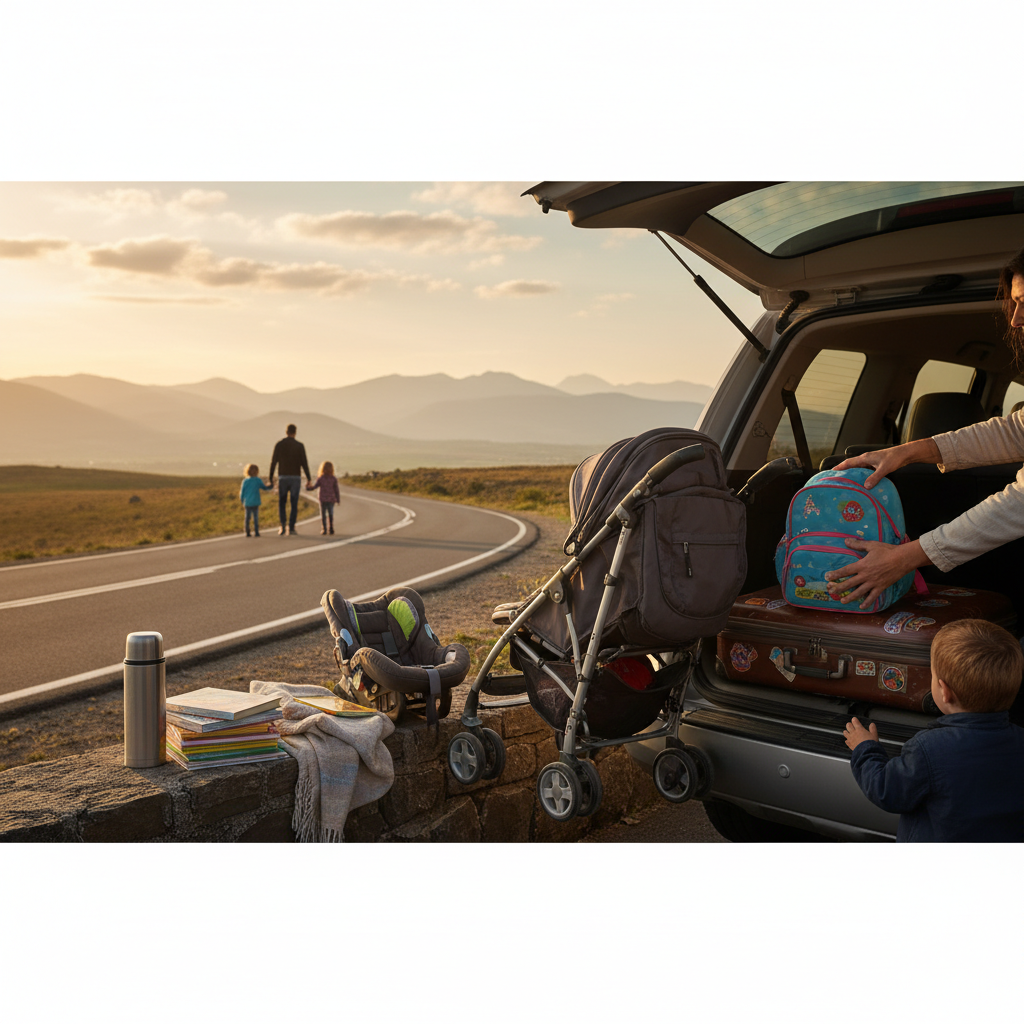
Road trips with young children necessitate frequent stops for feeding, diaper changes, and opportunities for movement. Ensuring proper installation and use of age-appropriate car seats is legally mandated and critical for safety. Planning routes that incorporate child-friendly rest areas or attractions can break up long driving periods. Packing a cooler with snacks and drinks, along with a collection of toys, books, and portable entertainment, can help maintain engagement. Flexible itineraries that account for unforeseen delays or spontaneous breaks are often beneficial.
Public Transportation Navigation
Utilizing public transportation, such as trains, buses, or subways, in unfamiliar cities requires an understanding of local systems. Researching accessibility features for strollers, such as ramps or elevators, is important. Traveling during off-peak hours can help avoid crowded conditions. Keeping young children close and secure, especially in busy terminals or stations, is a primary safety concern. Understanding ticketing processes and route maps in advance contributes to a smoother experience.
On-Location Management
Once at the destination, managing daily routines and activities with young children requires flexibility and strategic planning.
Mealtime Strategies
Maintaining consistent meal and snack schedules can help regulate children's energy levels and mood. Researching local dining options that offer child-friendly menus or high chairs is a common practice. Packing familiar snacks can be helpful, especially in situations where local food choices are limited or unappealing to young palates. Being prepared for potential food allergies or dietary restrictions with clear communication to restaurant staff is also an important aspect of mealtime management.
Activity Planning and Pacing
Structuring daily activities to include a balance of stimulating experiences and downtime is crucial. Over-scheduling can lead to overtiredness and meltdowns. Incorporating activities suitable for children, such as visits to playgrounds, zoos, or interactive museums, can enhance engagement. Building in flexibility for naps and quiet play periods allows children to rest and recharge. Observing children's cues for fatigue or overstimulation helps in adjusting plans as needed.
Managing Sleep Schedules
Maintaining as much of the home sleep routine as possible can contribute to a child's comfort and well-being. This includes familiar bedtime rituals, such as reading a book or bath time. Creating a sleep-conducive environment, which may involve using portable blackout curtains or white noise machines, can aid in minimizing disturbances. Adjusting to new time zones gradually, if applicable, can also help mitigate the effects of jet lag on young children.
Emergency Preparedness
Despite thorough planning, unexpected situations can arise. Knowing the location of the nearest medical facilities and having international emergency contact numbers readily accessible is important. Carrying copies of passports, visas, and medical records, preferably digitally and physically, ensures important information is available. Teaching older children basic safety instructions, such as what to do if they get separated from their parents, is also a relevant precaution. Having a designated meeting point in crowded areas can also be beneficial.
Conclusion
Traveling with young children presents a complex yet rewarding endeavor. The successful execution of such journeys relies heavily on proactive and detailed logistical planning, focusing on the specific needs of children at every stage. From the initial selection of a child-friendly destination and accommodation to meticulous packing, careful transportation choices, and adaptable on-location management, each element plays a role in creating a comfortable and memorable travel experience for the entire family. Understanding these principles and applying them with flexibility can help navigate the inherent challenges and foster positive travel memories.
Disclaimer: Travel health advice provided is for informational purposes only. Individuals should consult a qualified healthcare professional regarding specific health concerns, vaccinations, and medical preparedness for travel.
More from travel

Mastering Efficient Local Transportation for Immersive Urban Exploration
Discover how to navigate cities like a local, utilizing various public and personal transport options to enhance your urban exploration. This guide provides practical strategies for efficient movement, allowing for deeper engagement with city life and culture.

Essential Strategies for Protecting Travel Documents and Digital Information Abroad
International travel offers enriching experiences, but it also demands vigilance in protecting your vital documents and digital identity. Proactive preparation and secure practices are key to a smooth and worry-free journey, preventing potential disruptions and stress.

Understanding International Travel Visa Requirements and Border Procedures
International travel often necessitates a thorough understanding of visa requirements and border control protocols. These regulations vary significantly by destination, traveler nationality, and purpose of visit, influencing the planning and execution of global journeys.

Integrating Wellness Practices into Diverse Travel Itineraries for Enhanced Journeys
The integration of wellness practices into travel itineraries represents an approach that prioritizes holistic well-being throughout a journey. This method focuses on maintaining physical, mental, and emotional health while exploring new environments and cultures, extending beyond dedicated retreats.