
Understanding the Principles of Planning for Specialized Art and Culture Immersion Tours
Specialized art and culture immersion tours represent a distinct segment of travel focused on deep, intentional engagement with specific artistic or cultural domains. Unlike general tourism, which often provides a broad overview of multiple attractions, immersion tours are meticulously designed to offer participants a profound understanding and direct experience of a particular subject, such as regional art movements, historical craftsmanship, traditional music forms, or indigenous cultural practices. These journeys are crafted for individuals seeking more than superficial sightseeing, aiming instead for educational enrichment and a genuine connection with the cultural fabric of a destination. The planning for such specialized experiences involves a comprehensive approach, encompassing research into thematic focus, selection of expert guides, logistical coordination, and preparation for an interactive and reflective travel style. Understanding the underlying principles of these tours is essential for both organizers and participants to maximize the depth of engagement and foster a respectful appreciation of the cultural heritage being explored.
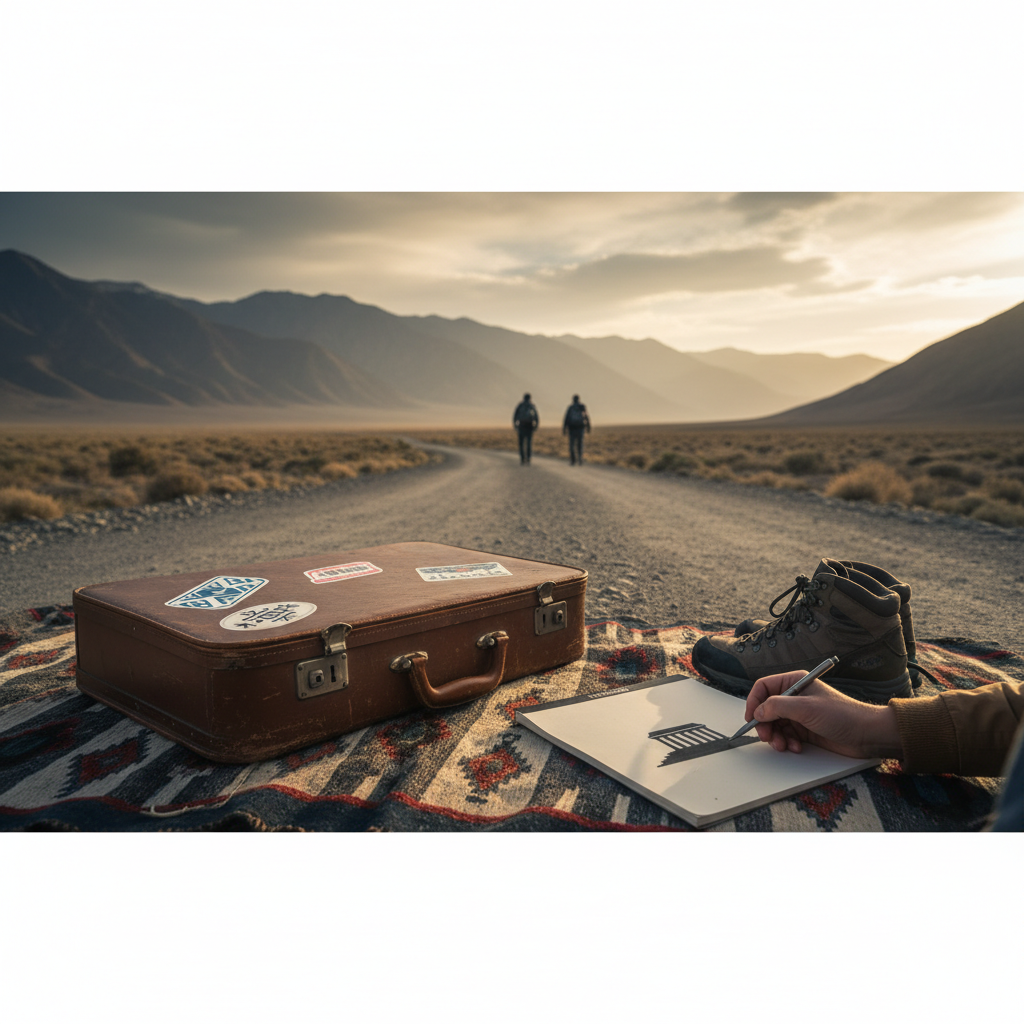
Defining Specialized Immersion Tours
Specialized art and culture immersion tours distinguish themselves through their singular focus and depth. These tours are not simply trips to museums or historical sites; rather, they involve structured itineraries that facilitate direct interaction with artists, cultural practitioners, historians, and local communities. The intent is to move beyond passive observation, encouraging participants to engage with the creative processes, historical narratives, and societal contexts that shape a culture. Examples might include workshops with traditional artisans, visits to private collections not typically accessible to the public, participation in local festivals, or in-depth seminars led by regional experts. The hallmark of these tours lies in their ability to provide unique access and foster a comprehensive understanding of a chosen subject, often facilitated by a small group setting that allows for personalized attention and meaningful discourse.
Key Elements of a Specialized Immersion Tour
Several core components contribute to the efficacy and distinctiveness of specialized art and culture immersion tours. These elements are carefully integrated during the planning phase to ensure a cohesive and enriching experience.
Thematic Focus
Every specialized tour revolves around a clearly defined theme. This theme can be as specific as Roman mosaics in Sicily, Japanese tea ceremony traditions, or contemporary street art in Berlin. The thematic focus acts as the organizing principle for the entire itinerary, guiding the selection of sites, activities, and interactions. A strong theme ensures coherence and depth, allowing participants to build knowledge incrementally throughout the journey.
Expert Guidance
Central to an immersion tour is the presence of expert guides. These individuals possess specialized knowledge in the tour's theme, often holding academic qualifications or extensive practical experience in the field. Their role extends beyond mere translation or navigation; they provide context, facilitate discussions, answer intricate questions, and offer insights that are not readily available in guidebooks. Expert guides are instrumental in bridging the gap between observation and true understanding.
Curated Access
Immersion tours frequently offer access to experiences and locations that are not available to the general public. This can include private viewings, behind-the-scenes tours, workshops with master artisans, or meetings with cultural figures. Such curated access significantly enhances the depth of the immersion, providing unparalleled opportunities for direct engagement and learning.
Pacing and Group Size
These tours are typically designed with a deliberate pace, allowing ample time for reflection, discussion, and absorption of information. Unlike fast-paced general tours, an immersion itinerary prioritizes depth over breadth. Furthermore, group sizes are often kept small to foster a more intimate learning environment, facilitate personalized interaction with guides and locals, and minimize logistical complexities.
Identifying Tour Objectives and Researching Options
Prospective participants in specialized art and culture immersion tours often begin by identifying their personal interests and learning objectives. This initial self-assessment helps in narrowing down the vast array of available tours.
Personal Interests and Learning Goals
Individuals seeking an immersion experience typically have a strong predisposition towards a specific art form, historical period, cultural practice, or geographical region. Defining these interests is the first step. For example, a traveler might be drawn to the intricacies of Renaissance painting, the historical significance of ancient civilizations, or the vibrancy of modern culinary traditions. Clearly articulated learning goals, such as understanding a particular artistic technique or gaining insight into a specific cultural identity, further refine the search for a suitable tour.
Research and Selection Criteria
Once objectives are established, thorough research becomes paramount. Key criteria for evaluating tour options include:
- Reputation and Expertise: Investigating the track record of tour operators, reading testimonials, and verifying the credentials of the expert guides are crucial steps. Operators specializing in niche cultural travel often have long-standing relationships with local experts and institutions.
- Itinerary Detail: A detailed itinerary should clearly outline daily activities, specific sites, planned interactions, and the amount of free time. The level of detail often indicates the thoughtfulness and thoroughness of the planning.
- Group Size and Demographics: Understanding the typical group size and the general profile of participants can help determine if the tour environment aligns with personal preferences for interaction and learning.
- Local Partnerships and Ethical Practices: Tours that demonstrate strong, respectful partnerships with local communities, artists, and cultural organizations often provide more authentic experiences. Ethical considerations, such as fair compensation for local contributors and minimizing environmental impact, are also important.
- Accommodation and Comfort Level: While immersion tours prioritize cultural engagement, the standard of accommodation and travel logistics should align with participant expectations for comfort and safety. Many specialized tours incorporate boutique hotels or historically significant properties that enhance the overall experience.
Logistical Considerations for Immersion Tours
Effective planning for specialized immersion tours encompasses a range of logistical elements that ensure smooth operation and an uninterrupted focus on the cultural experience.
Duration and Seasonality
The optimal duration of an immersion tour varies based on the thematic depth and geographical scope. Tours can range from several days to multiple weeks. Seasonality is also a critical factor, as certain cultural events, festivals, or artistic cycles might occur only at specific times of the year, directly influencing the availability and richness of the immersion experience.
Accommodation Types
Accommodation choices for these tours often reflect the thematic focus. For instance, a tour centered on historical architecture might include stays in heritage properties, while an artistic retreat might opt for boutique hotels with a distinct design aesthetic. The quality and type of lodging are selected to complement the overall immersive intent.
Local Transportation
Efficient and comfortable local transportation is essential for navigating destinations and accessing various sites. This often involves private transfers, particularly when visiting multiple locations or less accessible areas, ensuring that travel time is minimized and comfort is maintained. The mode of transport can also be chosen to enhance the experience, such as boat transfers in coastal regions or scenic train journeys.
Preparation for Deep Cultural Immersion
Engaging in an immersion tour benefits significantly from pre-tour preparation, which enhances the participant's ability to absorb and appreciate the upcoming experiences.
Pre-Tour Learning
Many specialized tour operators provide recommended reading lists, documentaries, or online resources related to the tour's theme and destination. Engaging with this material beforehand can significantly deepen the appreciation for the sites and interactions encountered during the trip. This foundational knowledge allows participants to engage more meaningfully with expert guides and local communities.
Cultural Sensitivity and Etiquette
Understanding and respecting local customs, social norms, and etiquette are paramount. This includes learning basic phrases in the local language, understanding dress codes for religious or cultural sites, and being aware of local gestures or social protocols. Cultural sensitivity ensures respectful interaction and a more harmonious immersive experience.
Readiness for Participation
Immersion tours often involve active participation, whether through workshops, discussions, or respectful engagement with local practitioners. Being mentally prepared for this level of interaction, and maintaining an open-minded approach, enhances the personal growth and learning outcomes of the journey.
The Role of Expert Guides and Local Interpreters
The expertise of guides and interpreters is fundamental to the success of specialized immersion tours. They are the primary facilitators of understanding and interaction.
Enhancing Understanding
Expert guides articulate the historical, artistic, and cultural contexts of the sites and activities. They can explain complex concepts, share anecdotes, and highlight nuances that might be overlooked by an independent traveler. Their narratives transform observations into meaningful insights, providing a deeper layer of comprehension.
Facilitating Interaction
Local interpreters and guides play a crucial role in bridging language barriers, enabling direct communication between participants and local artists, craftspeople, or community members. This direct interaction is often where the most profound immersive experiences occur, fostering personal connections and a richer understanding of local perspectives.
Beyond the Itinerary: Independent Exploration and Reflection
While the curated itinerary forms the backbone of an immersion tour, incorporating opportunities for independent exploration and reflection further enriches the experience.
Independent Exploration
Many tours allocate free time for participants to pursue individual interests within the destination. This could involve revisiting a site that particularly resonated, exploring a local market, or simply observing daily life. These moments allow for personal discovery and integration of the guided experiences.
Reflection and Journaling
Taking time to reflect on the day's experiences, perhaps through journaling or quiet contemplation, helps consolidate learning and process new information. This personal reflection can deepen the impact of the immersion, transforming transient observations into lasting memories and understandings.
Ethical Considerations
Engaging with local cultures ethically involves being mindful of one's impact. This includes supporting local economies responsibly, respecting cultural property and traditions, and being aware of power dynamics. Responsible tourism practices ensure that the benefits of cultural exchange are mutual and sustainable.
Benefits of Specialized Cultural Immersion
Participating in specialized art and culture immersion tours offers distinct advantages for the discerning traveler.
Deeper Understanding and Unique Perspectives
The primary benefit is the acquisition of in-depth knowledge and a nuanced understanding of a specific cultural domain. Direct interaction with experts and practitioners provides perspectives that are unattainable through conventional travel.
Personal Growth and Lasting Impact
These journeys often lead to significant personal growth, fostering a broader worldview, enhanced cultural empathy, and the development of new interests or skills. The experiences gained through immersion tend to be profoundly memorable and transformative, offering lasting intellectual and emotional enrichment.
Curated and Seamless Experiences
For those who value efficient and well-organized travel, specialized tours provide meticulously planned itineraries, expert logistical support, and access to unique opportunities, allowing participants to focus entirely on the cultural experience without the complexities of independent planning.
More from travel
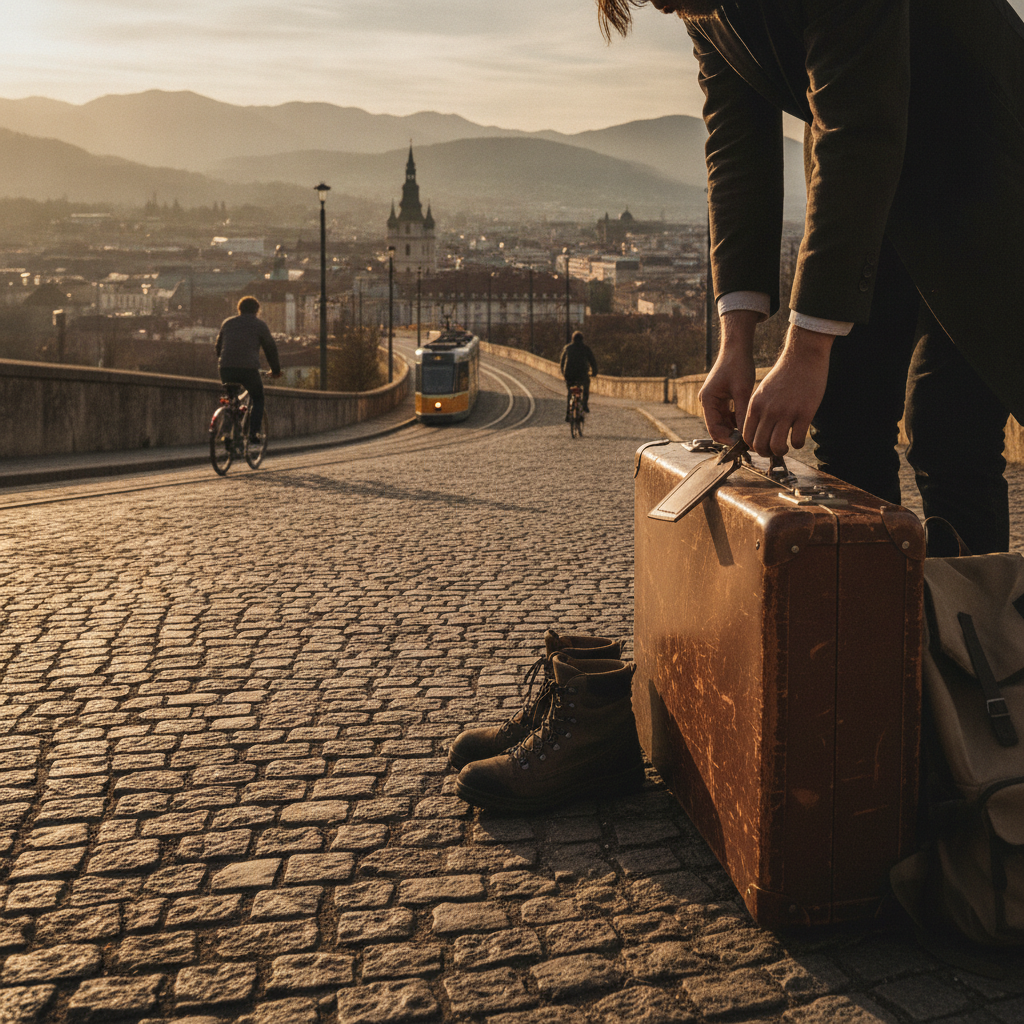
Mastering Efficient Local Transportation for Immersive Urban Exploration
Discover how to navigate cities like a local, utilizing various public and personal transport options to enhance your urban exploration. This guide provides practical strategies for efficient movement, allowing for deeper engagement with city life and culture.
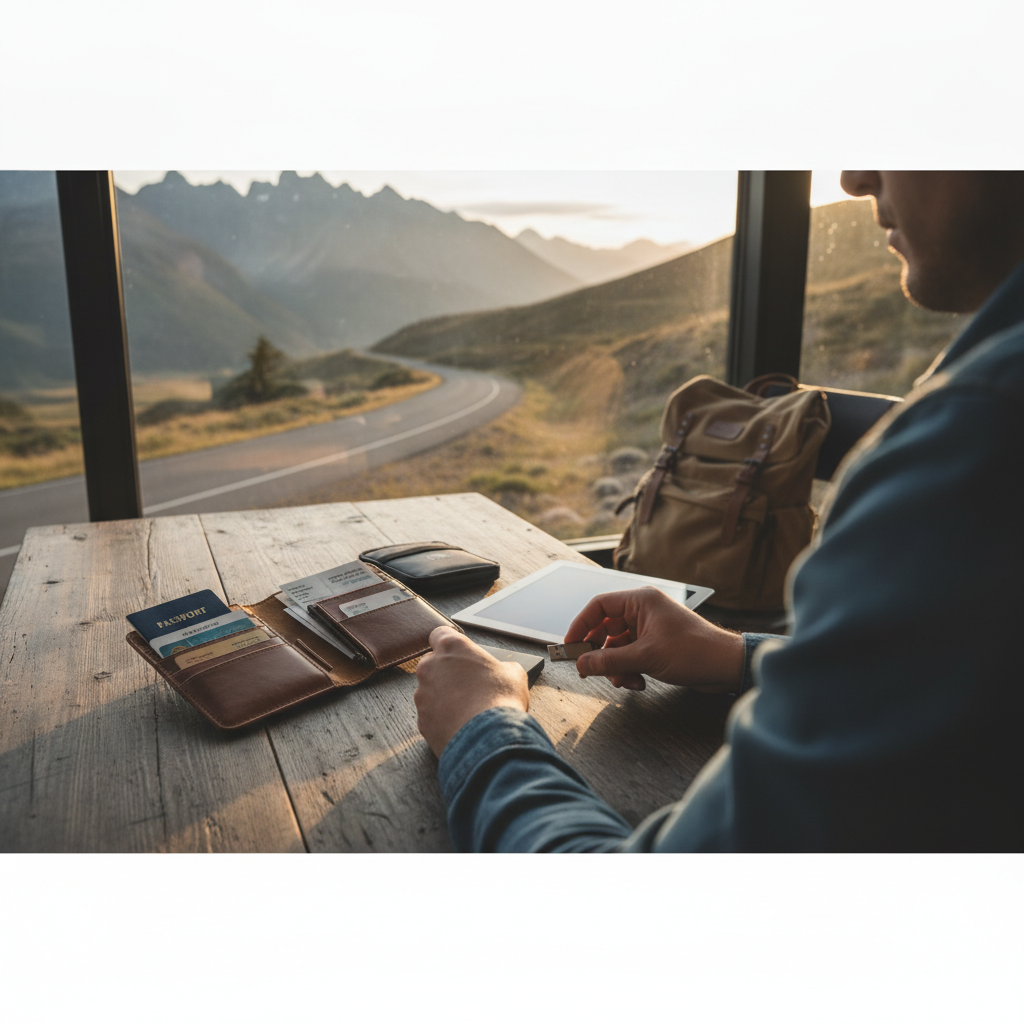
Essential Strategies for Protecting Travel Documents and Digital Information Abroad
International travel offers enriching experiences, but it also demands vigilance in protecting your vital documents and digital identity. Proactive preparation and secure practices are key to a smooth and worry-free journey, preventing potential disruptions and stress.
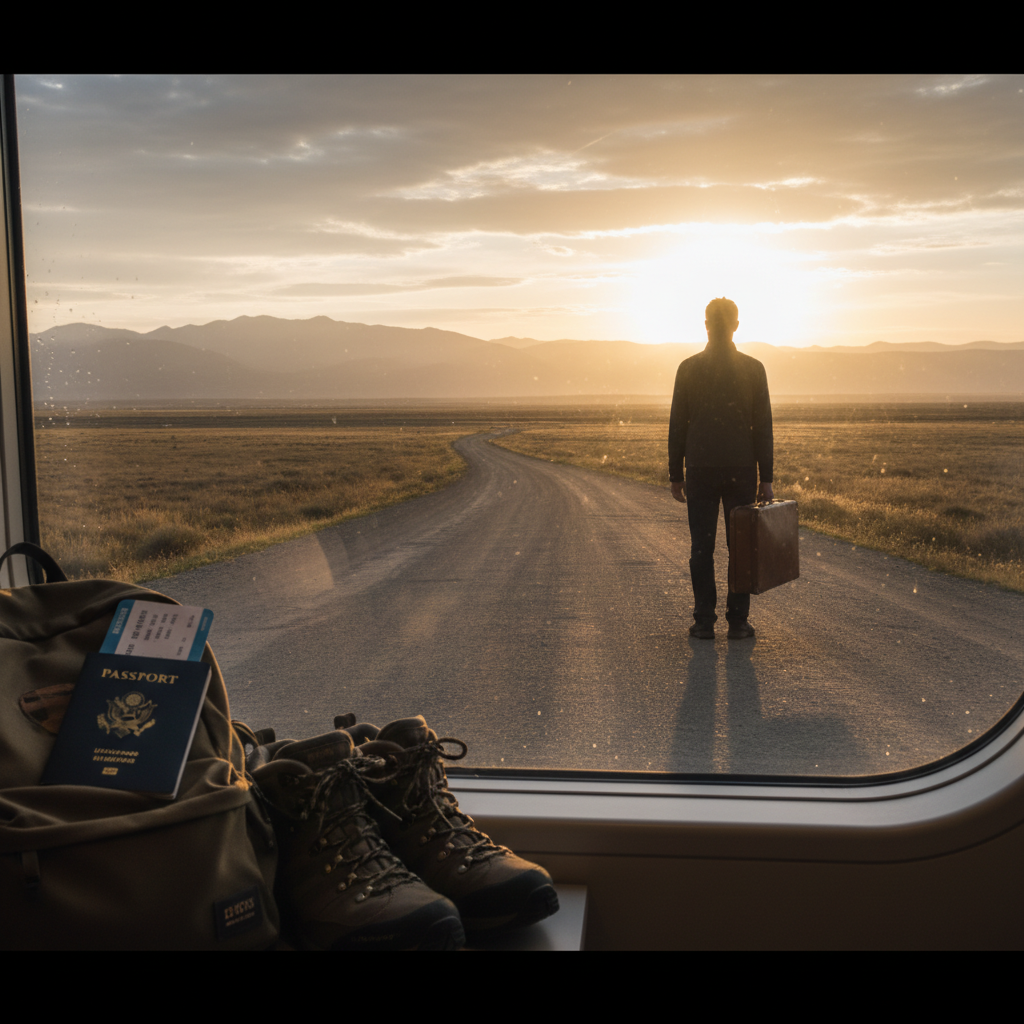
Understanding International Travel Visa Requirements and Border Procedures
International travel often necessitates a thorough understanding of visa requirements and border control protocols. These regulations vary significantly by destination, traveler nationality, and purpose of visit, influencing the planning and execution of global journeys.
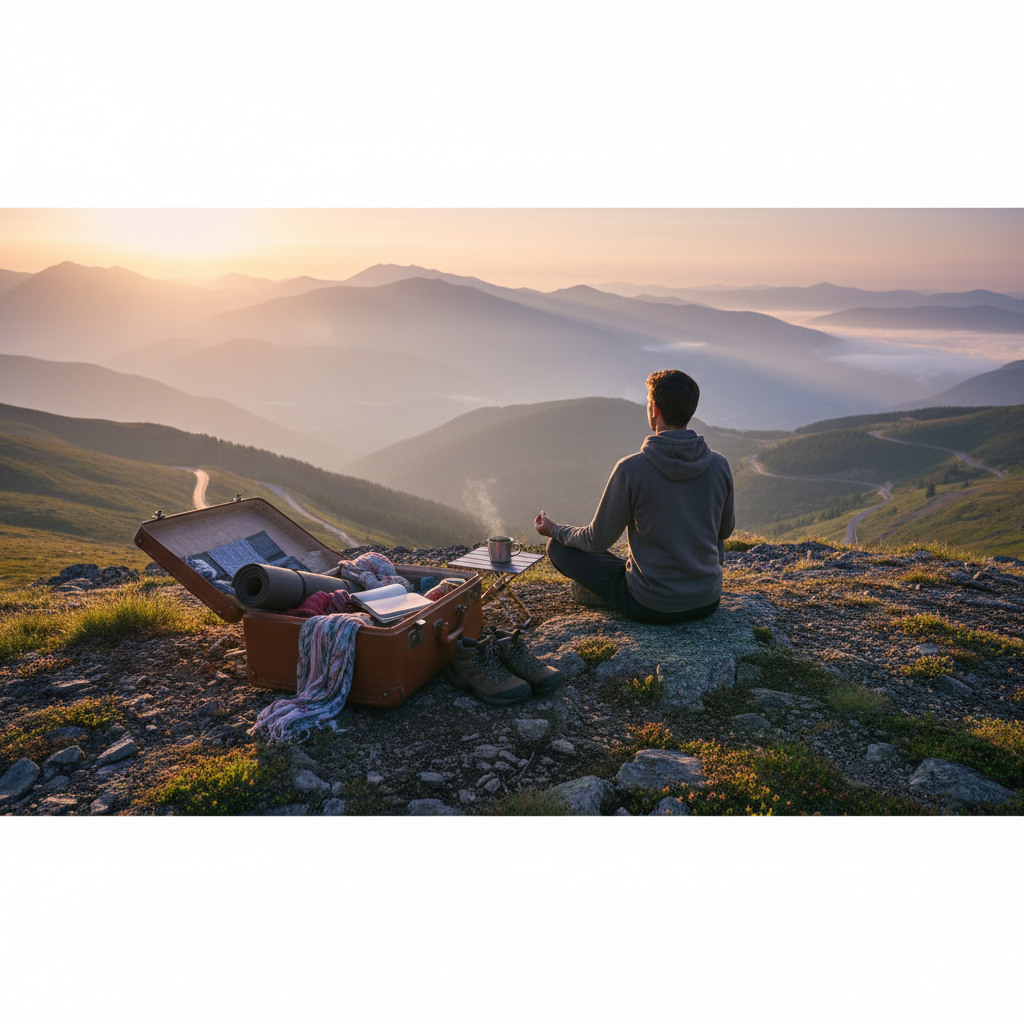
Integrating Wellness Practices into Diverse Travel Itineraries for Enhanced Journeys
The integration of wellness practices into travel itineraries represents an approach that prioritizes holistic well-being throughout a journey. This method focuses on maintaining physical, mental, and emotional health while exploring new environments and cultures, extending beyond dedicated retreats.