
Understanding the Principles of Self-Guided Urban Exploration
Self-guided urban exploration represents a distinct approach to experiencing urban environments, offering individuals the autonomy to discover cities at their own pace and according to their specific interests. This methodology involves independent navigation through urban landscapes, fostering direct engagement with local culture, history, and daily life without the predefined itinerary of organized tours. The essence lies in personal discovery and an active interpretation of the surroundings, which can lead to unique insights and a deeper connection with a destination. This article delineates the core principles underlying effective self-guided urban exploration, covering aspects from initial preparation and navigational strategies to immersive engagement and safety considerations within diverse cityscapes.
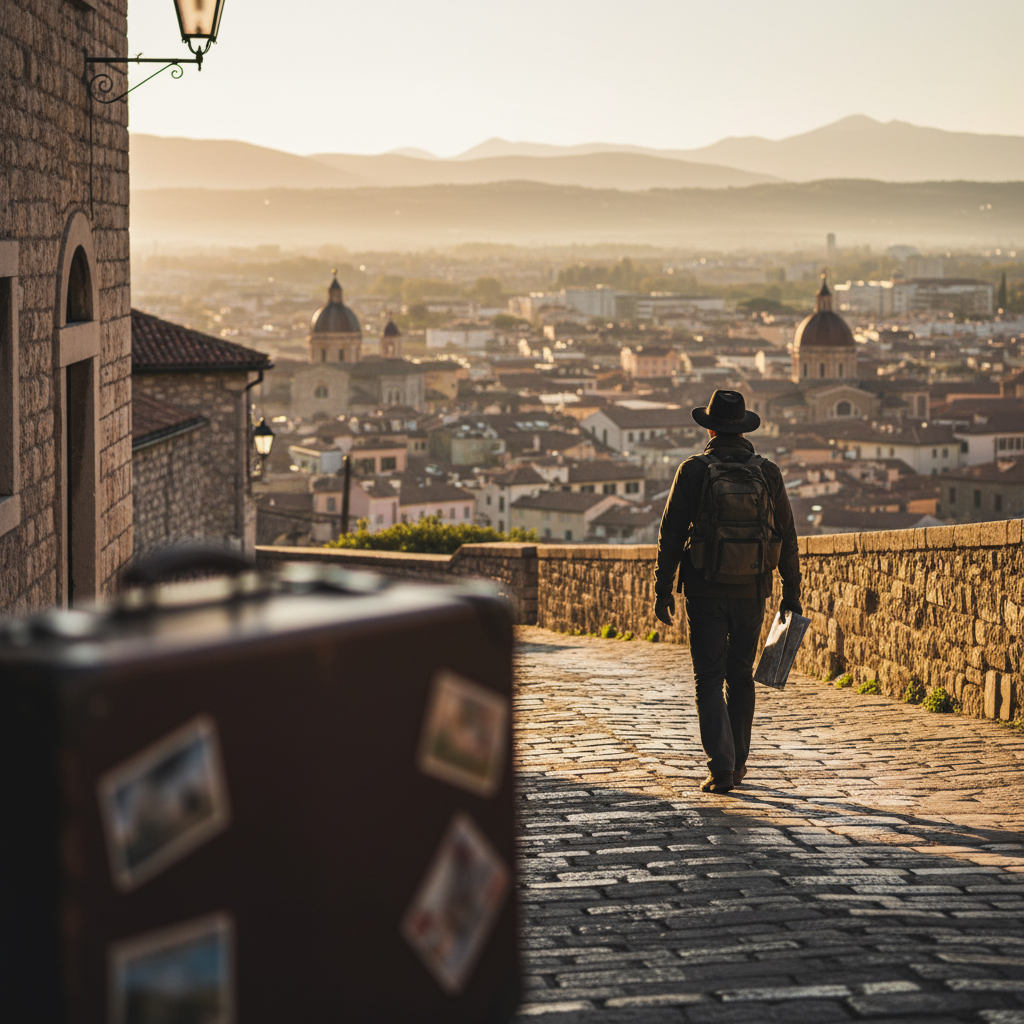
Conceptualizing Self-Guided Urban Exploration
Defining the Approach
Self-guided urban exploration differentiates itself from conventional tourism by prioritizing individual agency and serendipitous discovery. Rather than following a set schedule or a pre-determined narrative, explorers construct their own experience through personal observation and interaction. This approach often involves wandering through neighborhoods, examining architectural details, observing local routines, and engaging with the environment in an unstructured yet purposeful manner. The focus is on the journey itself, including unexpected detours and spontaneous encounters, which contribute significantly to the overall immersive experience.
Benefits for Travelers
This mode of travel offers several advantages. Autonomy is a primary benefit, as individuals maintain complete control over their itinerary, pace, and areas of focus. This flexibility allows for deeper dives into specific interests, whether they involve art, history, cuisine, or simply observing local life. Self-guided exploration can also foster a greater sense of accomplishment and personal connection to the discovered locations, as the insights gained are a direct result of individual effort and curiosity. It encourages a more reflective and personal interaction with the urban fabric, moving beyond surface-level attractions.
Pre-Trip Research and Planning
Thorough preparation is fundamental for a rewarding self-guided urban exploration, even when spontaneity is valued during the journey itself. This foundational work establishes a framework for discovery.
Initial Destination Analysis
Before embarking on an exploration, a preliminary understanding of the destination's geography and key features is beneficial. This includes identifying districts known for historical significance, vibrant local markets, distinct architectural styles, or areas associated with specific cultural expressions. Researching the general layout of the city and its major arteries, as well as potential points of interest that align with individual preferences, can inform initial directional choices without dictating a rigid path.
Mapping Resources
Access to reliable mapping tools is crucial. Digital map applications offer real-time navigation, public transportation routes, and points of interest. However, carrying offline maps or a physical map can provide redundancy, especially in areas with limited connectivity or for preserving device battery. Familiarity with how to use these tools for both broad orientation and detailed street-level navigation is a key preparatory step.
Understanding Local Context
A basic grasp of local cultural norms, common greetings, and relevant phrases can significantly enhance interactions and demonstrate respect. Researching general operating hours for shops, museums, and public transport, along as well as understanding any local holidays or events that might impact accessibility or crowd levels, contributes to a smoother experience. Awareness of prevalent weather patterns also informs packing decisions.
Footwear and Attire Considerations
Given the emphasis on walking, appropriate footwear is paramount for comfort and endurance. Shoes designed for extended periods of walking, offering support and cushioning, are generally preferred. Attire should be comfortable and suitable for varying weather conditions throughout the day, often involving layers. Additionally, considerations for cultural appropriateness in clothing, particularly when visiting religious sites or conservative neighborhoods, are part of respectful integration.
Navigational Strategies and Techniques
Effective navigation is key to maximizing discovery and minimizing disorientation during self-guided urban exploration.
Utilizing Public Transportation
Public transport systems, such as buses, trams, and subways, are not merely a means of transit but also tools for exploration. They provide an efficient way to cover larger distances between points of interest and offer a unique vantage point for observing city life. Understanding the local public transport network, including ticketing systems and route maps, enables strategic movement across different urban zones, allowing more time for on-foot exploration within chosen areas.
The Role of Pedestrian Navigation
Walking serves as the primary mode of deep exploration. It allows for an intimate engagement with the streetscape, enabling the discovery of hidden alleys, intricate architectural details, and local businesses that might be overlooked from a vehicle. Pedestrian navigation encourages a slower pace, fostering observation and the opportunity for spontaneous stops and interactions.
Orientation and Wayfinding
Maintaining a sense of direction involves a combination of tools and awareness. Utilizing digital maps for real-time location tracking is common, but developing an internal compass through observation of landmarks, street patterns, and the sun's position can be beneficial. Regularly cross-referencing surroundings with a map, whether digital or physical, helps to confirm one's position and orient towards desired directions.
Adapting to Unforeseen Detours
An integral part of self-guided exploration is the willingness to adapt. Unforeseen street closures, unexpected discoveries, or a simple change of interest can lead to spontaneous detours. Embracing these deviations can often lead to some of the most memorable and unique experiences, uncovering aspects of the city not typically found in guidebooks. Flexibility in planning allows for these moments of serendipity.
Engaging with the Urban Environment
Beyond simply moving through a city, meaningful self-guided exploration involves active engagement with its living fabric.
Observing Local Life
Taking time to observe daily life in public spaces offers profound insights into local culture. Sitting at a cafe, spending time in a park, or watching activities in a public square provides a window into social dynamics, customs, and the rhythm of the city. This passive yet active form of engagement allows for a deeper understanding of the local populace without direct interaction.
Interacting with Local Businesses
Engaging with small, independent businesses, such as local markets, family-run shops, and artisan workshops, can offer authentic interactions and opportunities to support the local economy. Simple transactions can become cultural exchanges, providing insights into local products, traditions, and the daily lives of residents. These interactions often transcend purely commercial exchanges.
Capturing the Experience
Photography serves as a powerful medium for documenting and interpreting the urban environment. It encourages keen observation of details, light, and composition, transforming simple sights into memorable images. However, it is essential to approach photography ethically, particularly when capturing images of individuals, by considering privacy and demonstrating respect for personal space and cultural sensitivities. Obtaining consent, where appropriate, is a key consideration.
Respecting Local Customs
Awareness and adherence to local customs and etiquette are crucial for respectful engagement. This includes understanding appropriate dress codes for certain venues, customary greetings, and general social graces. Demonstrating respect for local traditions and public norms facilitates smoother interactions and fosters a positive relationship with the community and its residents.
Safety and Preparedness
While urban exploration encourages spontaneity, a foundational awareness of safety practices is essential for a secure and enjoyable experience.
Situational Awareness
Maintaining a high level of situational awareness involves being cognizant of one's immediate surroundings, including people, traffic, and environmental cues. This proactive approach helps in identifying potential hazards, avoiding crowded areas if preferred, and navigating unfamiliar situations with greater confidence. It includes being mindful of personal belongings and keeping valuables secure and out of sight.
Essential Items
Carrying a small bag with essential items contributes to comfort and preparedness. This might include a refillable water bottle, light snacks, a portable power bank for electronic devices, and a basic first-aid kit. A physical map, even if digital navigation is primarily used, offers a reliable backup.
Communication Preparedness
Ensuring the ability to communicate, particularly in emergencies, is vital. This may involve having a local SIM card for cellular service and data, understanding how to make emergency calls in the host country, and having a list of important contact numbers. Informing someone of planned general routes or estimated return times can also add a layer of safety.
Understanding Local Regulations
Familiarity with local laws and regulations concerning public spaces, photography, and general conduct is important. Certain areas may have restrictions on access or activities. Adhering to these regulations demonstrates respect for the local governance and helps prevent unintended issues, contributing to a smooth and lawful exploration experience.
Self-guided urban exploration offers a profound method for engaging with the world's cities on a personal and deeply immersive level. By embracing careful preparation, strategic navigation, respectful engagement, and diligent safety practices, individuals can unlock unique perspectives and forge lasting connections with the places they visit, transforming a simple trip into a journey of discovery and personal growth.
More from travel
Mastering Efficient Local Transportation for Immersive Urban Exploration
Discover how to navigate cities like a local, utilizing various public and personal transport options to enhance your urban exploration. This guide provides practical strategies for efficient movement, allowing for deeper engagement with city life and culture.
Essential Strategies for Protecting Travel Documents and Digital Information Abroad
International travel offers enriching experiences, but it also demands vigilance in protecting your vital documents and digital identity. Proactive preparation and secure practices are key to a smooth and worry-free journey, preventing potential disruptions and stress.
Understanding International Travel Visa Requirements and Border Procedures
International travel often necessitates a thorough understanding of visa requirements and border control protocols. These regulations vary significantly by destination, traveler nationality, and purpose of visit, influencing the planning and execution of global journeys.
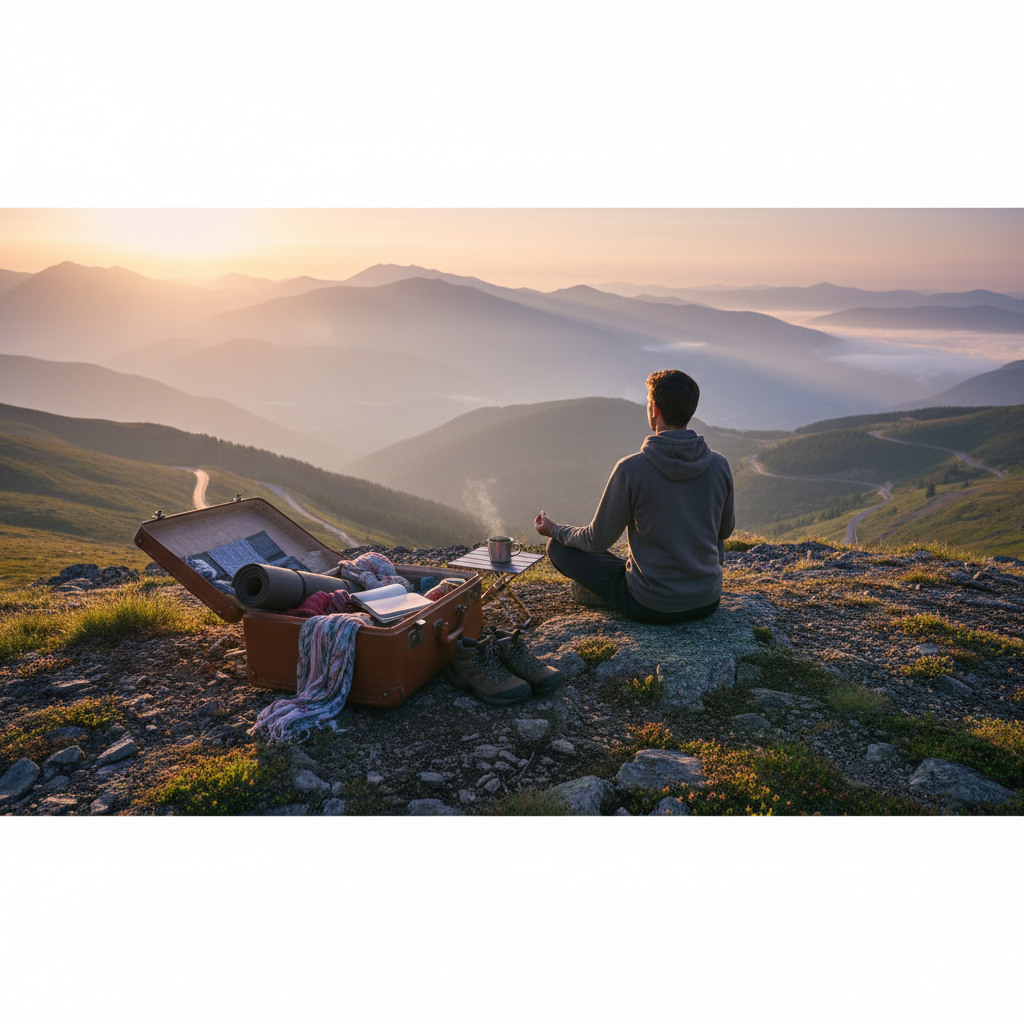
Integrating Wellness Practices into Diverse Travel Itineraries for Enhanced Journeys
The integration of wellness practices into travel itineraries represents an approach that prioritizes holistic well-being throughout a journey. This method focuses on maintaining physical, mental, and emotional health while exploring new environments and cultures, extending beyond dedicated retreats.