
Understanding the Role of Local Guides in Enhancing Immersive Travel Experiences
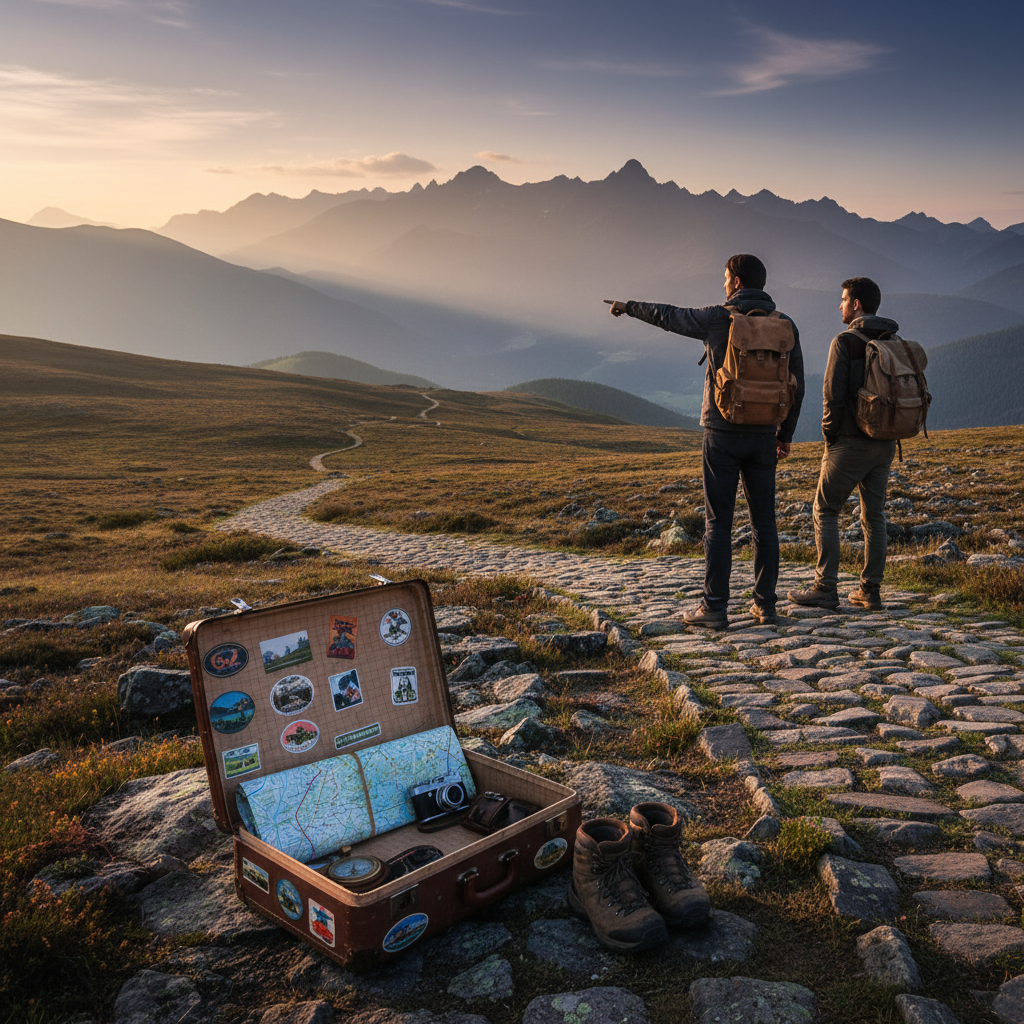
In the realm of modern travel, the pursuit of authentic and immersive experiences has gained significant prominence, moving beyond mere sightseeing to embrace a deeper engagement with cultures and environments. Within this evolving landscape, local guides emerge as indispensable facilitators, bridging the gap between a traveler and a destination's intricate layers. These individuals, deeply rooted in their communities, offer far more than navigational assistance; they serve as cultural interpreters, historical narrators, and trusted companions, unlocking unique perspectives and fostering genuine connections. Their intimate knowledge of local customs, languages, and hidden gems can transform a journey from a passive observation into an active, participatory exploration, thereby enriching understanding and appreciation for the visited locale in profound ways.
The Essence of Local Guiding
Local guiding encompasses a multifaceted role that extends beyond basic directional services. It involves a comprehensive understanding of the area, its people, and its distinct character, all communicated through a lens of personal experience and shared heritage.
Deep Cultural Immersion
Local guides often possess an innate understanding of their community's cultural nuances, traditions, and daily life. They can provide insights into social etiquette, explain local customs, and interpret non-verbal cues that might otherwise be overlooked by visitors. This depth of knowledge allows travelers to engage with the culture on a more meaningful level, fostering a sense of connection rather than merely observing from a distance. For instance, a guide might explain the significance of a particular ritual or the history behind a traditional craft, thereby enhancing the traveler's appreciation and comprehension.
Navigational Expertise and Safety
Beyond cultural insights, local guides offer invaluable practical expertise. Their familiarity with local terrain, transportation systems, and potential environmental hazards contributes significantly to traveler safety and comfort. This is particularly crucial in remote areas, wilderness environments, or bustling urban centers where navigating unfamiliar systems can be challenging. Guides understand local weather patterns, identify safe routes, and are often equipped to handle unforeseen circumstances, providing a layer of security that independent exploration might lack. They can also assist with local laws and regulations, ensuring respectful and compliant travel.
Language Facilitation
Language barriers often pose a significant challenge for international travelers. Local guides fluent in both the traveler's language and the local tongue act as essential linguistic bridges. This facilitation enables smoother communication with local residents, from ordering food to engaging in conversations with artisans or market vendors. Such interactions are instrumental in fostering authentic encounters and gaining a deeper understanding of local perspectives, which might otherwise remain inaccessible.
Facilitating Authentic Encounters
The presence of a local guide often unlocks opportunities for experiences that are not readily available to the general public, leading to more profound and memorable interactions.
Access to Local Networks
Many local guides have established relationships and networks within their communities. These connections can provide travelers with exclusive access to local homes, private workshops, community events, or behind-the-scenes glimpses that are typically closed off to tourists. This access fosters a sense of privileged insight and allows for a more intimate understanding of the destination's social fabric.
Interpretation of Local Narratives
Local guides are often custodians of their community's oral histories, folklore, and personal stories. They can weave these narratives into the travel experience, bringing historical sites, natural landscapes, and cultural practices to life with vivid detail and personal relevance. This storytelling approach transcends factual information, imbuing the journey with emotional depth and a strong sense of place, helping travelers connect with the human element of their destination.
Support for Local Economies
Engaging local guides directly contributes to the local economy, representing a key aspect of sustainable tourism. By supporting local talent and entrepreneurship, travelers can help ensure that the economic benefits of tourism are distributed within the community, rather than being concentrated in external corporations. This practice promotes economic sustainability and encourages the preservation of local culture and heritage, as communities recognize the value of their unique offerings.
Specialized Knowledge and Thematic Journeys
Many local guides possess specialized knowledge that caters to particular interests, enabling highly personalized and focused travel experiences.
Expertise in Niche Interests
Some local guides specialize in specific fields, such as archaeology, wildlife biology, photography, culinary arts, or traditional crafts. For travelers with particular interests, these specialized guides can curate thematic journeys that delve deep into subjects of personal relevance. This might involve tracking specific wildlife species, visiting archaeological dig sites, participating in cooking classes with local chefs, or exploring regional artistic traditions, providing a level of expertise that enhances the learning aspect of travel.
Adapting to Traveler Needs
Experienced local guides demonstrate flexibility and adaptability, often adjusting itineraries and activities in real-time to suit traveler preferences, energy levels, or unforeseen circumstances. This responsiveness ensures a more personalized and comfortable journey, moving beyond rigid schedules to create a fluid and enjoyable experience that truly resonates with the individual or group.
Considerations for Selecting a Local Guide
Selecting an appropriate local guide involves several considerations to ensure a positive and enriching travel experience.
Certification and Qualifications
In many countries, professional guiding associations and certification bodies exist to standardize the qualifications and ethical conduct of local guides. Travelers can research these credentials to ascertain a guide's level of training, knowledge, and adherence to professional standards. Certifications often indicate proficiency in specific areas, such as first aid, wilderness guiding, or historical interpretation.
Ethical Engagement Practices
It is important to consider the ethical practices of both the guide and any tour operator they are associated with. Travelers can inquire about fair wage practices, respect for local communities, and commitments to environmental sustainability. Supporting guides who operate ethically contributes to the positive impact of tourism on local populations and ecosystems.
Communication and Compatibility
Effective communication is paramount for a successful guided experience. Prior to confirming services, travelers might consider communicating with potential guides to assess their communication style and personality. A compatible guide-traveler dynamic can significantly enhance the overall journey, fostering a comfortable and engaging atmosphere for exploration and learning.
In conclusion, local guides serve as vital conduits for travelers seeking deeper, more meaningful engagement with destinations. Their expansive knowledge, cultural insights, practical expertise, and ability to foster authentic connections elevate travel beyond mere observation. By providing access to local networks, interpreting nuanced narratives, and supporting local economies, guides contribute significantly to immersive and responsible tourism. The thoughtful selection of a local guide is therefore an integral step in crafting an enriching and profound travel experience, allowing for a genuine understanding of the world's diverse cultures and landscapes.
More from travel

Mastering Efficient Local Transportation for Immersive Urban Exploration
Discover how to navigate cities like a local, utilizing various public and personal transport options to enhance your urban exploration. This guide provides practical strategies for efficient movement, allowing for deeper engagement with city life and culture.
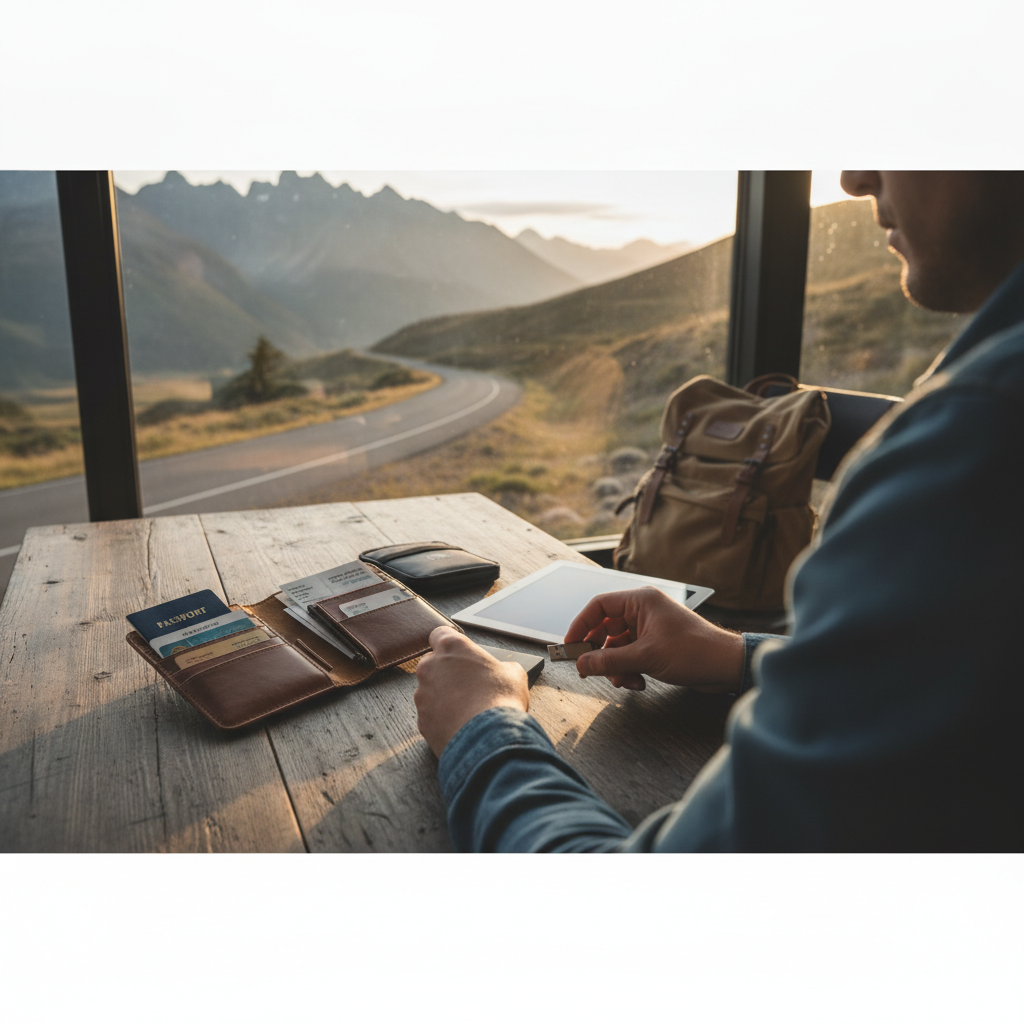
Essential Strategies for Protecting Travel Documents and Digital Information Abroad
International travel offers enriching experiences, but it also demands vigilance in protecting your vital documents and digital identity. Proactive preparation and secure practices are key to a smooth and worry-free journey, preventing potential disruptions and stress.

Understanding International Travel Visa Requirements and Border Procedures
International travel often necessitates a thorough understanding of visa requirements and border control protocols. These regulations vary significantly by destination, traveler nationality, and purpose of visit, influencing the planning and execution of global journeys.

Integrating Wellness Practices into Diverse Travel Itineraries for Enhanced Journeys
The integration of wellness practices into travel itineraries represents an approach that prioritizes holistic well-being throughout a journey. This method focuses on maintaining physical, mental, and emotional health while exploring new environments and cultures, extending beyond dedicated retreats.