
Achieving Harmony in Interior Design Through Element Cohesion
Interior design involves the considered arrangement of various elements within a space to create an environment that is both functional and aesthetically pleasing. Achieving harmony in this context refers to the successful integration of these elements so that they appear to belong together, forming a unified and balanced whole. This process extends beyond mere decoration, encompassing the thoughtful selection and placement of furniture, colors, textures, patterns, and lighting to evoke a specific mood or fulfill a particular purpose. Understanding how these individual components interact and influence the overall perception of a room is central to developing a cohesive design. The objective is to ensure that no single element dominates or conflicts with others, but rather that each contributes to a singular, intended aesthetic. This article delves into the core principles that guide the creation of such unified interior spaces.
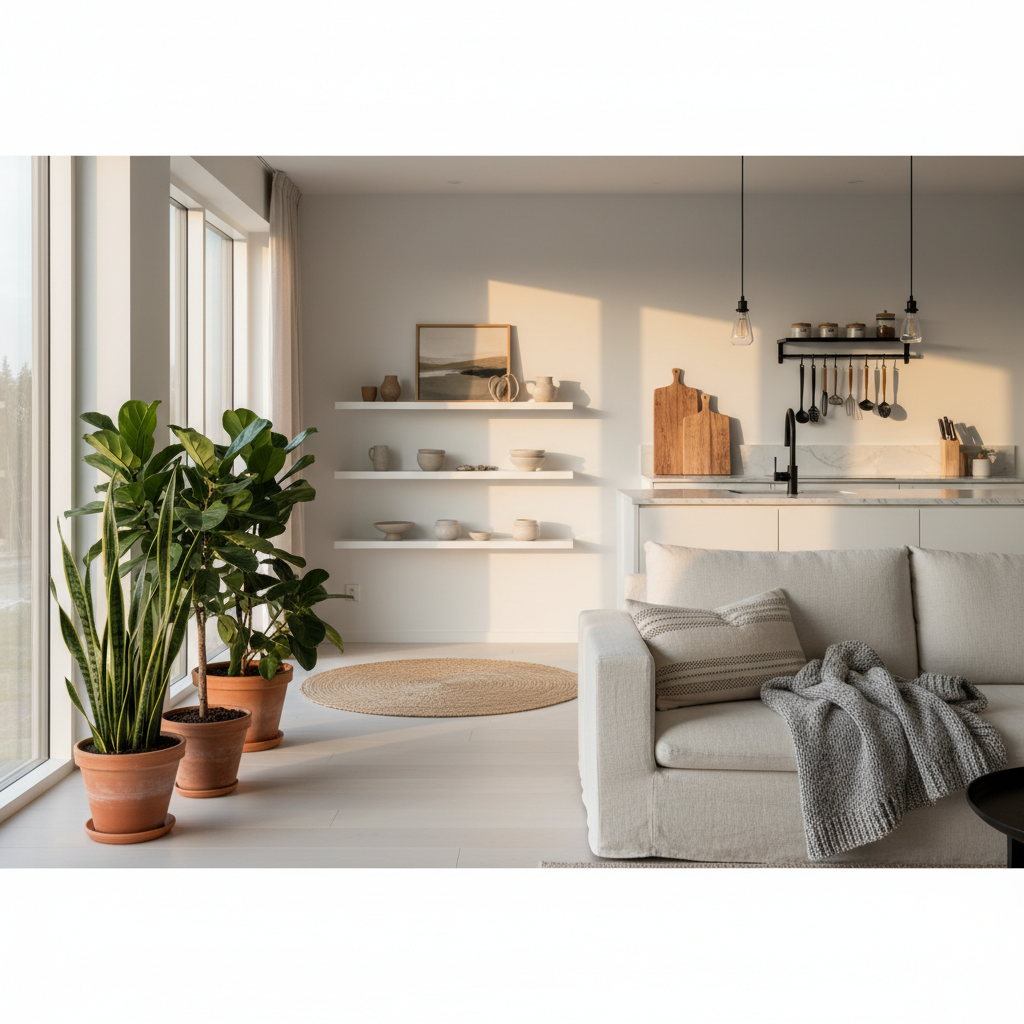
Understanding Core Design Principles
Several fundamental principles underpin effective interior design, guiding the arrangement and selection of elements to achieve harmony and cohesion. These principles include balance, rhythm, emphasis, proportion, scale, and unity. Each plays a distinct role in shaping the visual experience of a space.
Balance
Balance in interior design refers to the distribution of visual weight within a room, creating a sense of equilibrium. It ensures that no area feels too heavy or too light, contributing to a feeling of stability. There are primarily three types of balance:
Symmetrical Balance
Symmetrical balance, also known as formal balance, involves arranging identical elements on either side of a central axis. This creates a mirrored effect, often evoking a sense of formality, order, and calm. For instance, two matching sofas facing each other with a coffee table in the middle, or identical lamps on either side of a console, exemplify symmetrical balance. While it can appear traditional, symmetrical balance provides a clear and predictable structure.
Asymmetrical Balance
Asymmetrical balance, or informal balance, involves the arrangement of different elements that possess similar visual weight. This means that while the items are not identical, their overall visual impact on either side of an imaginary central line is equivalent. For example, a large sofa on one side of a room might be balanced by two smaller chairs and a side table on the opposite side. Asymmetrical balance often feels more dynamic and casual than symmetrical balance, offering greater flexibility in arrangement while still maintaining equilibrium.
Radial Balance
Radial balance occurs when elements are arranged around a central point, radiating outwards. This type of balance naturally draws the eye towards the center. An example would be a round dining table with chairs evenly spaced around it, or a chandelier positioned above a central seating area. Radial balance creates a focal point and can make a space feel inclusive and intimate.
Rhythm
Rhythm in design is achieved through the repetition or variation of elements, guiding the eye through a space and creating a sense of movement. It provides a visual beat, connecting different areas and features within a room. Methods for establishing rhythm include:
Repetition
Repetition involves the consistent use of the same color, shape, line, or texture throughout a space. For example, repeating a specific geometric pattern in throw pillows, artwork, and rugs can create a sense of continuity. This method is straightforward and effective in establishing a coherent visual flow.
Progression
Progression refers to the gradual increase or decrease of an element's size, intensity, or number. An example is a series of candles of varying heights on a mantelpiece or an arrangement of artwork that gradually changes in tone. Progression adds a sense of flow and visual interest.
Transition
Transition describes a smooth, continuous line or element that carries the eye from one point to another. Architectural arches or curved furniture can create a transitional rhythm, softening edges and guiding movement through a space.
Emphasis
Emphasis is the creation of a focal point, or an area that immediately captures attention upon entering a room. A strong focal point provides visual interest and helps to anchor the design. This can be achieved through:
Contrast
Using contrasting colors, textures, or sizes can draw attention to a specific area. A brightly colored piece of artwork on a neutral wall, or a unique piece of furniture in an otherwise understated room, exemplifies emphasis through contrast.
Placement
Strategically positioning an object in a prominent location, such as a fireplace mantel or the center of a wall, naturally makes it a focal point. Lighting can also be used to highlight specific features, further enhancing their emphasis.
Proportion and Scale
Proportion relates to the size relationship of parts to a whole, while scale refers to the size of an object in relation to other objects in the room, or to the human body. Understanding these concepts is crucial for preventing a room from feeling either cramped or cavernous.
Proportion
Good proportion ensures that all elements within a space, including furniture, decor, and architectural features, relate harmoniously in terms of their relative sizes. The golden ratio, a mathematical proportion found in nature, is sometimes applied in design to create visually pleasing relationships between elements.
Scale
Scale considers the actual size of items. A large room might accommodate oversized furniture, while a smaller room requires more modest pieces to maintain comfort and functionality. Mismatching scale can lead to a sense of disorganization or discomfort within a space. For instance, tiny furniture in a grand room can appear lost, while massive pieces in a small room can overwhelm it.
Unity
Unity is the overarching principle that brings all elements and principles together, ensuring that the design feels complete and integrated. It signifies that all parts of the design work together to create a singular, cohesive message or aesthetic. Achieving unity involves making deliberate choices across all design elements and ensuring consistency in style, theme, and color palette. When a space achieves unity, it feels harmonious and well-considered, rather than a collection of disparate items.
Key Elements of Interior Design
Beyond principles, specific elements are manipulated to realize a harmonious design. These include lines, forms, colors, textures, and patterns.
Line
Lines provide direction and define shape, contributing significantly to a room's visual perception. Vertical lines, found in tall windows or shelving, suggest height and formality. Horizontal lines, present in long sofas or low tables, evoke stability and width. Curved lines, seen in arched doorways or circular rugs, introduce softness and movement.
Form
Form refers to the three-dimensional shape of an object. It can be geometric, with defined edges, or organic, with more fluid and natural contours. The thoughtful combination of different forms can add visual interest and depth to a space. For example, balancing rectangular furniture with a round coffee table or spherical lighting fixtures can create dynamic contrast while maintaining harmony.
Color
Color is a powerful element that profoundly impacts mood and perception. A well-chosen color palette can unify a space and establish its overall tone. Understanding color theory, including primary, secondary, and tertiary colors, as well as warm and cool tones, is essential for effective application. Monochromatic schemes, analogous schemes, and complementary schemes are common approaches to creating a cohesive palette.
Monochromatic Schemes
These schemes use variations in lightness and saturation of a single color. They offer a sophisticated and serene aesthetic, relying on texture and form for visual interest.
Analogous Schemes
Analogous schemes involve colors that are adjacent on the color wheel, such as blue, blue-green, and green. This creates a harmonious and often natural feel, with gentle transitions between hues.
Complementary Schemes
Complementary schemes use colors opposite each other on the color wheel, like blue and orange. These pairings create high contrast and can be vibrant and energetic, but require careful balancing to avoid visual discord.
Texture
Texture refers to the tactile quality of a surface, whether rough or smooth, soft or hard. It adds depth and dimension to a space, preventing it from appearing flat. Incorporating a variety of textures, such as plush rugs, coarse fabrics, smooth woods, and reflective metals, can enhance sensory appeal and visual interest. Even visual texture, the perception of texture, plays a role in how a surface is experienced.
Pattern
Pattern involves repetitive decorative designs. It can introduce visual rhythm and character to a room. Patterns can range from subtle geometric designs to elaborate floral motifs. When incorporating patterns, it is important to consider their scale and density, ensuring they complement rather than overwhelm other elements in the space. A common approach is to mix patterns of different scales, such as a large floral print with a smaller stripe or geometric design, to create visual richness without chaos.
Integrating Elements for Cohesion
Achieving overall cohesion requires a deliberate approach to integrating all design elements and principles. This involves a process of selection, arrangement, and refinement to ensure that every component contributes to the desired aesthetic and functionality.
Establishing a Central Theme or Concept
Starting with a clear theme or concept provides a roadmap for all subsequent design decisions. This could be a specific style, such as minimalist or bohemian, or a particular mood, such as calm and serene, or vibrant and energetic. A well-defined concept helps in filtering choices and maintaining consistency across the space.
Layering Elements Thoughtfully
Layering involves building up a design by progressively adding elements from the foundational pieces (furniture) to decorative accents (artwork, accessories). This approach allows for the creation of depth and richness. Each layer should complement the one beneath it, adding to the overall harmony without causing clutter. For example, a rug defines a seating area, furniture provides functionality, and then lighting, textiles, and decor items are added to complete the visual narrative.
Utilizing Negative Space
Negative space, also known as white space or empty space, is an equally important element. It provides visual relief and allows the eye to rest, preventing a room from feeling overcrowded. Strategic use of negative space can highlight key elements and enhance their impact. It also contributes to a sense of openness and tranquility within a design.
Consistency in Detailing
Attention to consistent detailing, such as hardware finishes, trim styles, or the repetition of certain motifs, can subtly reinforce the cohesive feel of a space. These small details, when aligned with the overarching design, contribute significantly to the perceived thoughtfulness and completeness of an interior.
Continuous Refinement
Interior design is often an iterative process. Continual assessment and refinement are necessary to ensure that all elements are working together harmoniously. This might involve adjusting the placement of furniture, modifying a color accent, or introducing a new texture to fine-tune the overall balance and unity of the space.
In conclusion, creating harmonious interior design involves a sophisticated interplay of fundamental principles and specific design elements. By consciously addressing balance, rhythm, emphasis, proportion, scale, and unity, alongside careful consideration of lines, forms, colors, textures, and patterns, it becomes possible to craft spaces that are not only visually appealing but also embody a deliberate and unified aesthetic. The consistent application of these concepts enables the transformation of individual components into a cohesive and well-integrated living environment.
More from home living
Smart Strategies for a Seamlessly Organized Bathroom Space
Transform your bathroom from cluttered chaos to a serene, functional space. Discover practical methods for organizing toiletries, linens, and cleaning supplies, enhancing daily routines and maintaining a tidy environment with ease.
Selecting and Using Efficient Air Purifiers for Improved Indoor Air Quality
Discover how air purifiers can significantly enhance your home's indoor air quality. Learn about common pollutants, essential filtration technologies, and key factors for choosing the right device to create a healthier living environment.
Smart Home Solutions for Enhanced Accessibility and Independent Living
Discover how smart home technology can significantly enhance accessibility and foster independent living for individuals of all abilities. Explore practical solutions for greater comfort, safety, and convenience in your daily routines.

Mastering Stain Removal: A Guide to Restoring Household Fabrics and Surfaces
Discover practical strategies for tackling common household stains on various fabrics and surfaces. This comprehensive guide provides actionable advice to help maintain the cleanliness and appearance of your home effectively.