
Optimizing Storage Solutions for Specific Household Zones
The concept of optimizing storage solutions within a residential environment involves a systematic approach to organizing belongings based on their specific function and location. Instead of employing generic storage methods throughout an entire dwelling, tailored strategies address the distinct demands of various household zones, such as kitchens, bedrooms, bathrooms, and living areas. This specialized approach recognizes that each area of a home serves unique purposes and houses a particular array of items, necessitating specific organizational frameworks. Effective zoned storage goes beyond merely containing clutter; it aims to create highly functional, accessible, and aesthetically pleasing systems that support daily routines, streamline tasks, and contribute to an overall sense of order and calm within the living space. The implementation of such solutions fundamentally enhances the efficiency and usability of a home, transforming how residents interact with their environment and manage their possessions.
Introduction to Zoned Storage Principles
Zoned storage operates on the principle that different areas of a home have unique storage requirements, influenced by the types of items stored, their frequency of use, and the activities performed in that space. A comprehensive strategy for zoned storage involves an assessment of these needs to design systems that are both practical and integrated with the home's overall design. This approach contrasts with a universal storage method, which might not adequately address the specialized demands of diverse household environments. The goal is to maximize available space, improve accessibility, and maintain an organized environment that contributes to the functionality and aesthetic appeal of the residence.
Kitchen Storage Optimization
The kitchen is often considered the heart of a home, characterized by a high volume of diverse items, from small utensils to large appliances, and perishable goods to dry stores. Effective kitchen storage directly impacts meal preparation efficiency and overall kitchen hygiene.
Pantry and Food Storage
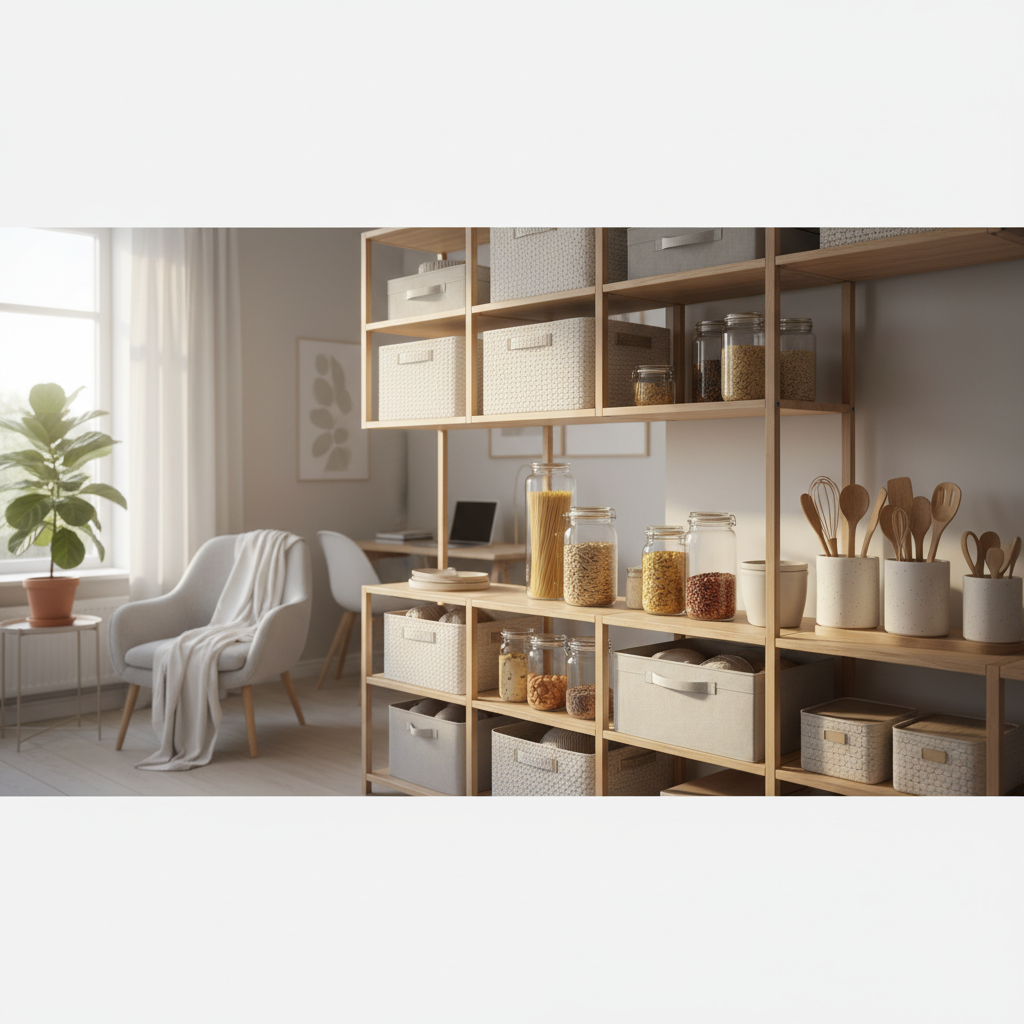
Pantry organization involves categorizing food items by type and expiry date. Adjustable shelving, clear containers, and tiered organizers are frequently utilized to maximize vertical space and ensure visibility of contents. Items used regularly are often placed at eye level, while less frequently accessed goods are stored on higher or lower shelves. Labeling containers helps maintain order and identify contents quickly.
Utensil and Cookware Management
Drawers with custom inserts or dividers are commonly employed for cutlery and small utensils. Pot and pan organizers, either pull-out systems or vertical racks, prevent stacking and facilitate easy access. Wall-mounted magnetic strips can hold knives, freeing up drawer space. Hooks can be used for frequently used spatulas and ladles.
Small Appliance Integration
Small appliances, such as blenders or toasters, are often stored in dedicated cabinets, appliance garages, or on open shelves if used frequently. Strategic placement near power outlets enhances convenience. Appliances used less often may be stored in deeper cabinets or less accessible areas, rotating them into primary access points when needed.
Bedroom Storage Strategies
Bedroom storage focuses on personal items, clothing, and accessories, with an emphasis on creating a tranquil and uncluttered environment conducive to rest.
Wardrobe and Clothing Systems
Wardrobes often incorporate a mix of hanging rods, shelves, and drawers to accommodate various clothing types. Seasonal clothing can be stored in less accessible areas, or in vacuum-sealed bags to save space. Drawer dividers for socks, underwear, and accessories maintain order. Custom closet systems can optimize space utilization, especially in smaller bedrooms.
Bedside and Under-Bed Solutions
Bedside tables with drawers offer immediate storage for personal items. Under-bed storage containers, either pull-out drawers or bins, are effective for linens, off-season clothing, or items accessed infrequently. Beds with integrated storage solutions provide a seamless and space-saving option.
Accessory Organization
Jewelry organizers, tie racks, belt hangers, and scarf hooks are specialized solutions that keep accessories visible and untangled. These can be integrated into wardrobe doors, drawers, or stand-alone units, preventing clutter on dressers and surfaces.
Bathroom Storage Considerations
Bathroom storage addresses toiletries, cleaning supplies, and linens, often in limited spaces. Moisture resistance and ease of cleaning are key considerations.
Vanity and Cabinet Organization
Under-sink cabinets benefit from pull-out organizers or small bins to manage bottles and cleaning supplies. Drawer dividers keep small items like makeup or dental hygiene products separated. Vertical drawer inserts can also be used for hair tools.
Linen and Supply Management
Towels and extra toilet paper can be stored on open shelving, in wall-mounted cabinets, or in decorative baskets. Cleaning supplies are frequently kept in a designated caddy for easy transport or in a lower cabinet, often with child-safety locks if applicable.
Vertical Storage Utilization
In bathrooms with limited floor space, vertical storage options like over-the-toilet shelving units, wall-mounted cabinets, or ladder shelves are effective for maximizing capacity without impeding movement. Shower caddies help keep bath products organized and accessible.
Living Area Storage Approaches
Living areas often balance functionality with aesthetics, requiring storage solutions that complement the interior design while managing entertainment items, books, and decorative objects.
Media and Entertainment Storage
Media consoles with closed cabinets conceal electronic devices, cables, and media collections, maintaining a tidy appearance. Open shelving can display decorative items or books. Integrated wall units provide extensive storage and a cohesive look.
Decorative and Display Solutions
Built-in shelves or freestanding bookcases offer space for books, art, and decorative objects. Display cabinets with glass doors protect items from dust while allowing them to be showcased. Careful curation of displayed items prevents visual clutter.
Multi-functional Furniture Integration
Ottomans with hidden storage, coffee tables with drawers, or benches with internal compartments serve dual purposes. They provide extra storage without requiring additional floor space, making them valuable in living areas where space is often at a premium.
Entryway and Mudroom Storage
Entryways and mudrooms are transition zones that benefit from organized storage for items frequently taken in and out of the home.
Coat and Shoe Organization
Hooks or coat racks provide immediate hanging space for outer garments. Shoe racks, benches with shoe storage, or cubbies keep footwear organized and off the floor. Designating a specific spot for each item aids in maintaining order.
Key and Mail Management
Small wall-mounted organizers, decorative bowls, or dedicated drawers near the entry are useful for keys, mail, and small personal items. This prevents misplacement and reduces surface clutter.
Seasonal Item Storage
Out-of-season items like heavy coats, umbrellas, or sports equipment can be stored in designated bins or on higher shelves in a mudroom or closet, rotating them as seasons change.
Home Office Storage Systems
Home office storage focuses on documents, supplies, and technology, aiming to create an efficient and focused workspace.
Document and Supply Management
Filing cabinets, desktop organizers, and drawer inserts are essential for managing paperwork, pens, and other office supplies. Digital document management systems also reduce the need for physical storage. Clearly labeled files facilitate quick retrieval.
Digital Device Integration
Charging stations for electronic devices can be integrated into desks or drawers, managing cables and keeping devices organized. Shelving for printers, external hard drives, and other peripherals maintains a tidy work surface.
Ergonomic Storage Placement
Frequently used items are placed within easy reach to minimize strain and maximize efficiency. Less frequently accessed items can be stored in overhead cabinets or lower drawers, maintaining an uncluttered primary workspace.
Utility and Laundry Room Storage
Utility and laundry rooms require robust storage for cleaning products, tools, and laundry essentials.
Cleaning Supply Organization
Tall cabinets or utility closets are common for storing mops, brooms, and vacuums. Wall-mounted shelving or caddies keep cleaning products organized and accessible. Containers with handles are useful for transporting supplies between rooms.
Laundry Essentials Management
Shelves above the washer and dryer can hold detergents, fabric softeners, and stain removers. Bins or hampers for sorting dirty laundry and drying racks for delicate items contribute to a systematic laundry process.
Tool and Repair Kit Storage
A dedicated space for tools, hardware, and small repair kits, often in a workbench area or a wall-mounted pegboard, ensures these items are readily available when needed. Clear containers or labeled drawers help organize smaller components.
General Principles for Effective Zoned Storage
Several overarching principles guide the successful implementation of zoned storage throughout a residence.
Assessment and Categorization
The initial step involves evaluating the items within each zone, categorizing them by function, frequency of use, and size. This assessment helps determine the most appropriate storage solutions for each category.
Vertical Space Maximization
Utilizing the full height of walls and cabinets with shelves, stackable bins, and wall-mounted organizers significantly increases storage capacity, especially in smaller rooms. This principle applies to all zones, from pantry shelves to wardrobe inserts.
Accessibility and Visibility
Storage systems are designed to make items easy to see and retrieve. Clear containers, open shelving for frequently used items, and pull-out drawers enhance accessibility, reducing the effort required to find and use belongings.
Containerization and Labeling
Using appropriate containers—bins, baskets, dividers—helps to contain items and prevent disarray. Labeling these containers provides clear identification of contents, making it easier to maintain order and locate specific items rapidly.
Regular Maintenance and Review
Effective zoned storage is not a one-time task. Regular review and maintenance are necessary to ensure the systems remain functional. This involves decluttering, reorganizing, and adjusting solutions as needs and possessions change over time.
Conclusion
Optimizing storage solutions across specific household zones represents a deliberate and strategic approach to home organization. By recognizing the distinct functions and requirements of each area, residents can implement tailored systems that enhance efficiency, reduce clutter, and contribute to an organized and harmonious living environment. This systematic organization supports daily activities and promotes a greater sense of order within the home, reflecting a commitment to functional design and thoughtful space management.
More from home living
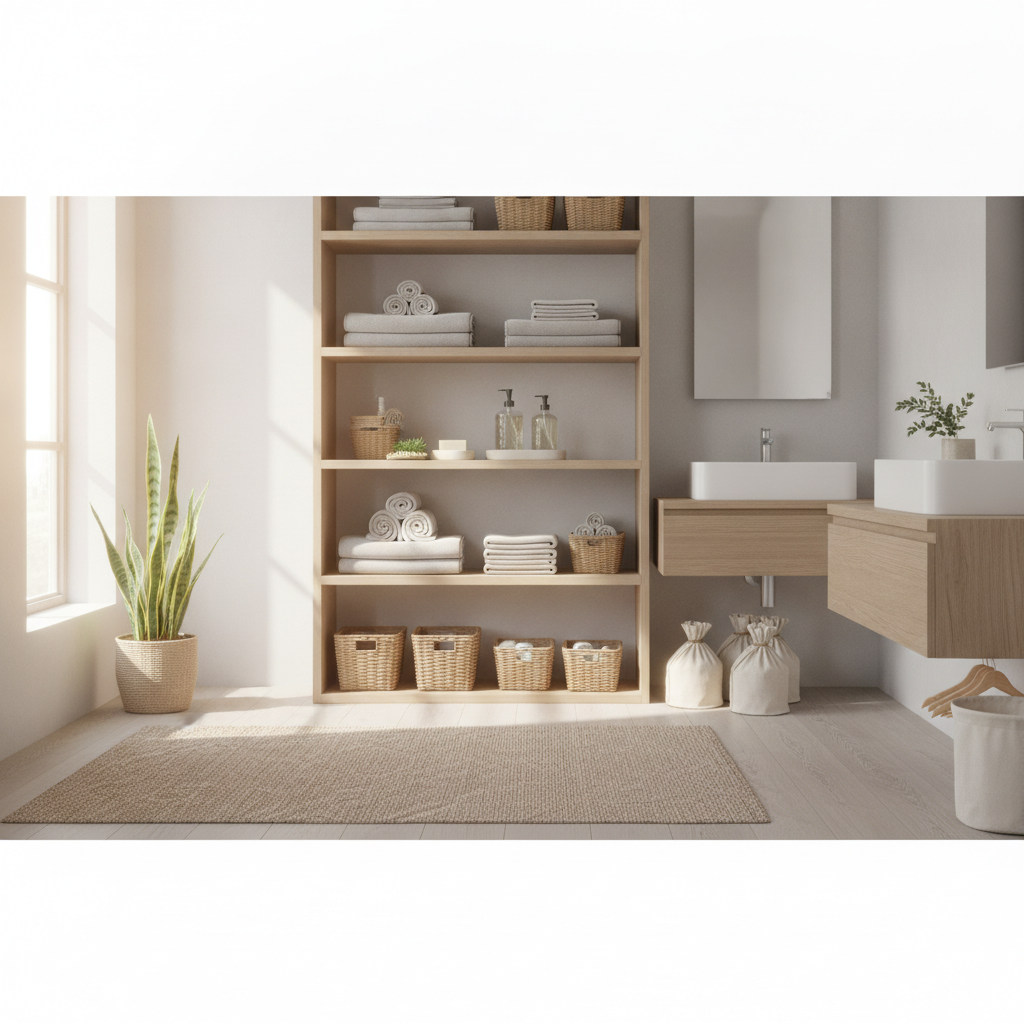
Smart Strategies for a Seamlessly Organized Bathroom Space
Transform your bathroom from cluttered chaos to a serene, functional space. Discover practical methods for organizing toiletries, linens, and cleaning supplies, enhancing daily routines and maintaining a tidy environment with ease.
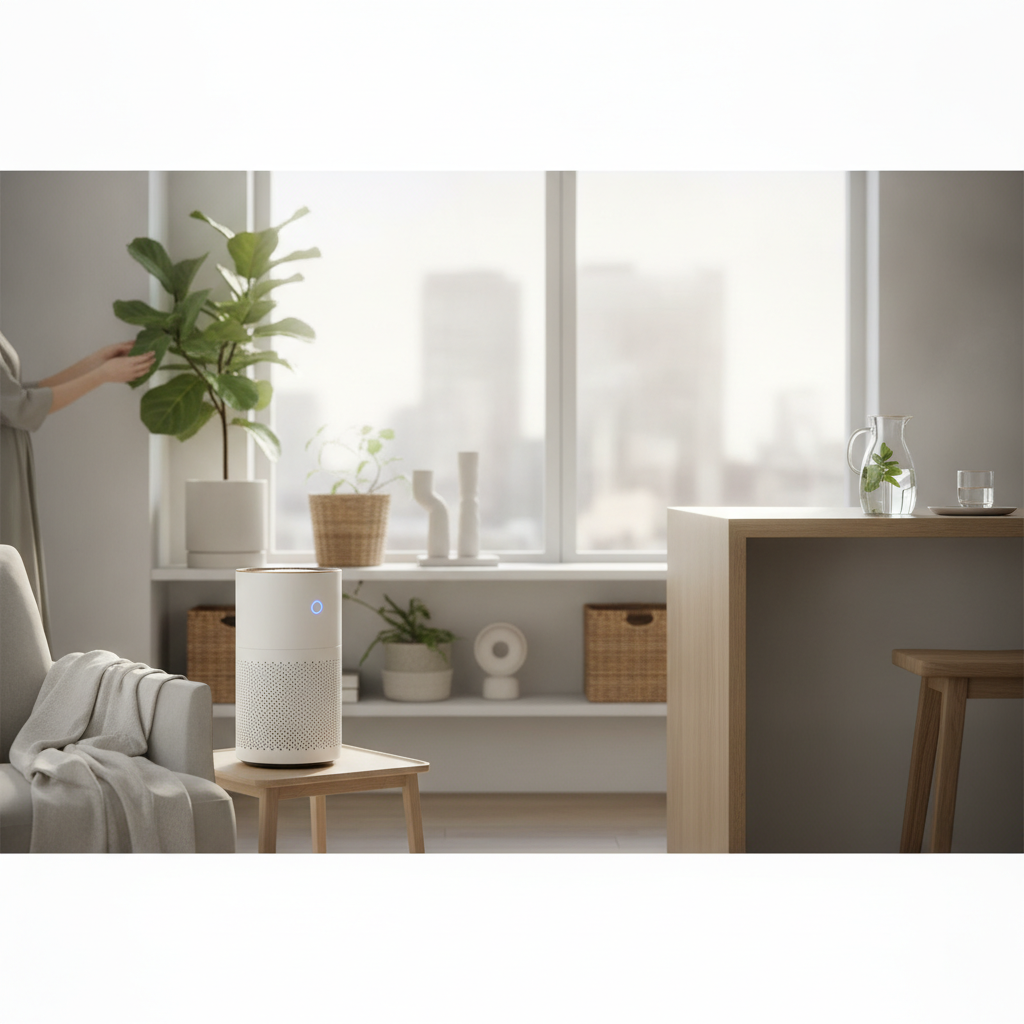
Selecting and Using Efficient Air Purifiers for Improved Indoor Air Quality
Discover how air purifiers can significantly enhance your home's indoor air quality. Learn about common pollutants, essential filtration technologies, and key factors for choosing the right device to create a healthier living environment.

Smart Home Solutions for Enhanced Accessibility and Independent Living
Discover how smart home technology can significantly enhance accessibility and foster independent living for individuals of all abilities. Explore practical solutions for greater comfort, safety, and convenience in your daily routines.
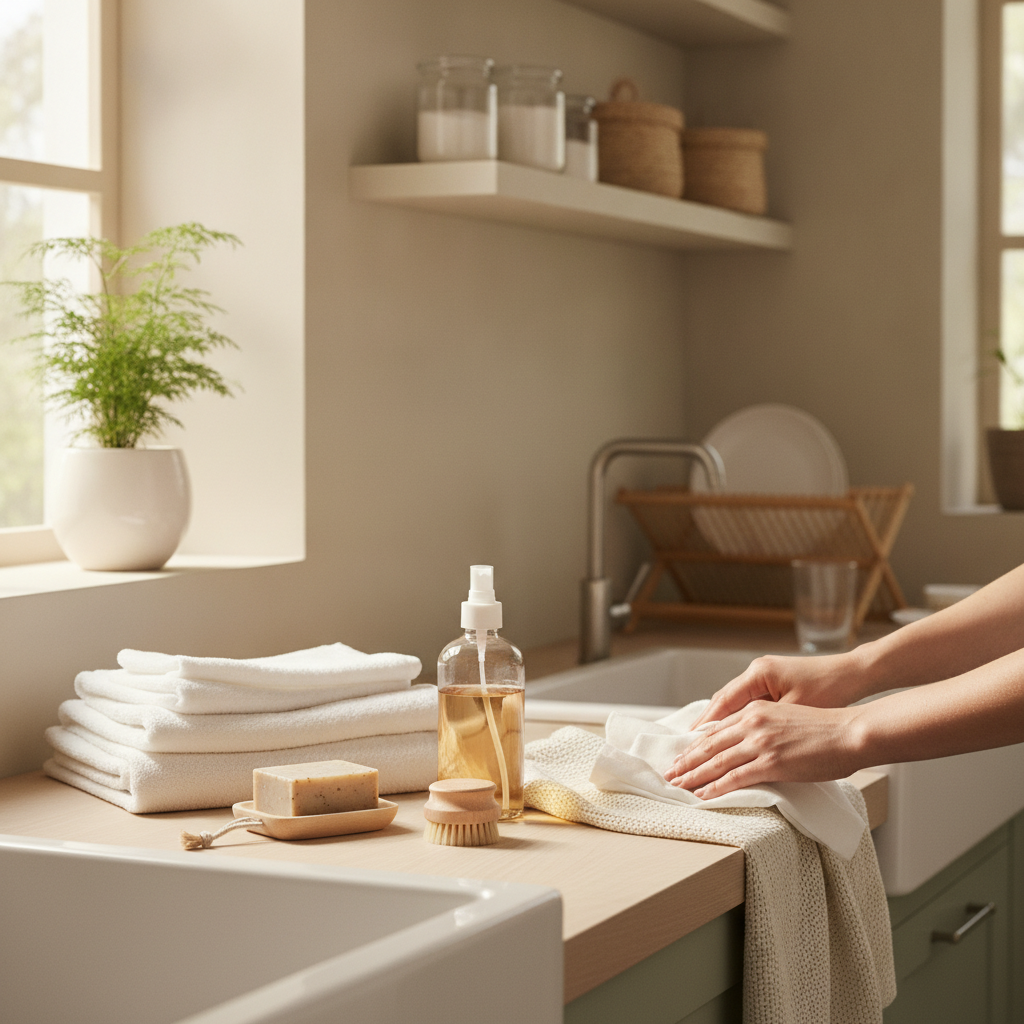
Mastering Stain Removal: A Guide to Restoring Household Fabrics and Surfaces
Discover practical strategies for tackling common household stains on various fabrics and surfaces. This comprehensive guide provides actionable advice to help maintain the cleanliness and appearance of your home effectively.