
Embracing Sustainable Materials in Modern Home Design: A Practical Guide to Eco-Conscious Interiors
The landscape of home design is continually evolving, with sustainability emerging as a foundational principle rather than a fleeting trend. Modern homeowners and designers are increasingly recognizing the profound impact of material choices on both indoor environments and the broader planet. This shift is driven by a desire to create spaces that are not only aesthetically pleasing and functional but also environmentally responsible, promoting health, conserving resources, and reducing waste. Integrating sustainable materials into contemporary home design involves a careful consideration of a material's entire lifecycle, from its origin and production methods to its eventual disposal or repurposing. This comprehensive approach moves beyond superficial greenwashing, encouraging a deeper understanding of how design decisions contribute to a more resilient and sustainable future for residential living.
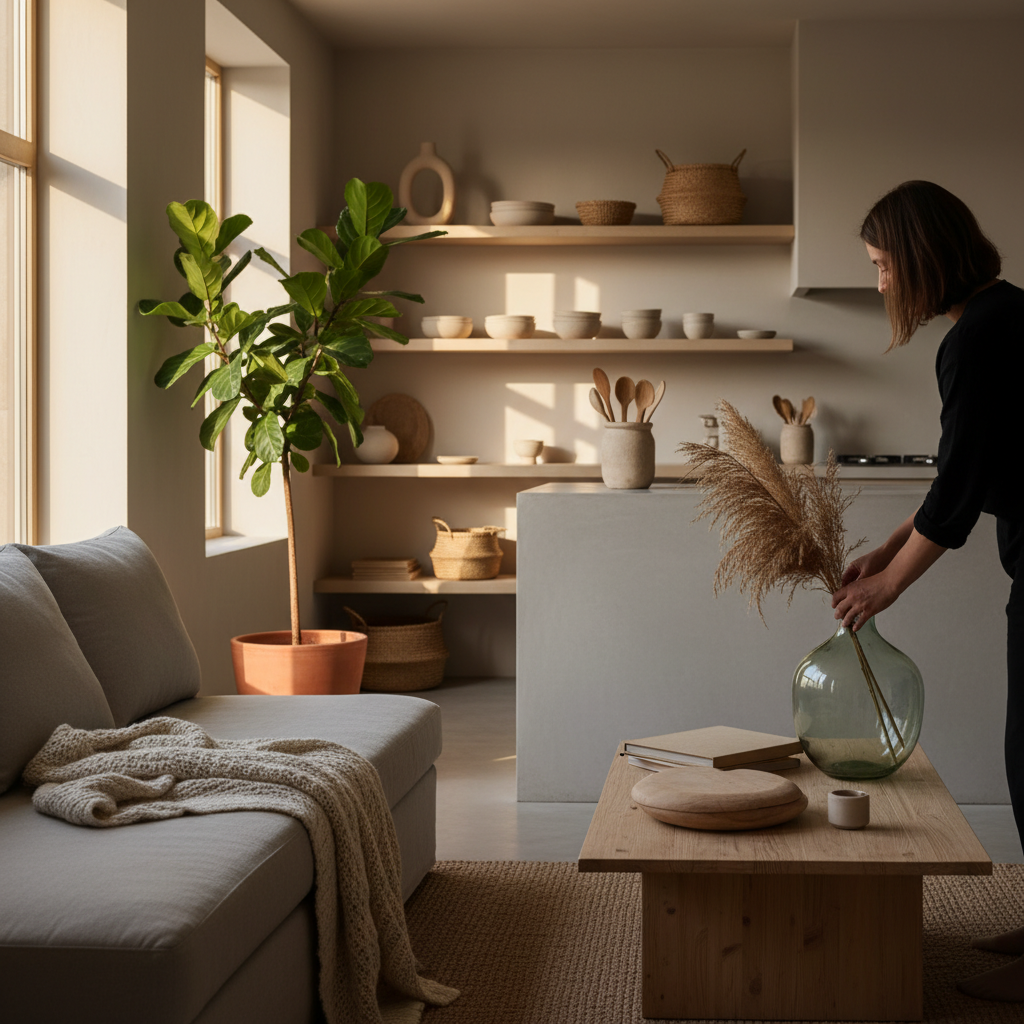
Understanding the Core Principles of Sustainable Materials
Identifying a truly sustainable material requires evaluating several key characteristics beyond its immediate appearance or function. These principles guide informed choices, ensuring that materials contribute positively to both the home and the environment.
What Defines Sustainability in Materials?
- Renewable Resources: Materials sourced from resources that can naturally replenish within a relatively short timeframe, such as bamboo or cork, are considered sustainable. The rate of replenishment should ideally exceed the rate of consumption.
- Recycled and Reclaimed Content: Utilizing materials that have been diverted from landfills, either post-consumer or post-industrial, significantly reduces demand for virgin resources and minimizes waste. This includes recycled glass, plastic, metal, and reclaimed wood.
- Low Environmental Impact: Sustainable materials should have minimal negative impacts throughout their lifecycle. This encompasses low energy consumption during extraction and manufacturing, reduced greenhouse gas emissions, minimal water usage, and responsible waste management.
- Non-Toxic Composition: Materials free from harmful chemicals, volatile organic compounds (VOCs), and other pollutants contribute to healthier indoor air quality and worker safety during production. This is crucial for creating healthy living spaces.
- Durability and Longevity: High-quality, long-lasting materials reduce the frequency of replacement, thereby conserving resources and minimizing waste over time. Investing in durable items is a cornerstone of sustainable design.
- Ethical Sourcing and Production: Beyond environmental considerations, sustainable materials often come from sources that uphold fair labor practices and support local economies, ensuring social responsibility in their supply chain.
Key Sustainable Materials for Contemporary Homes
Numerous materials offer sustainable alternatives without compromising on style or performance, allowing for diverse aesthetic expressions.
Wood: The Foundation of Natural Design
Wood remains a cornerstone of home design, and its sustainability depends heavily on its origin.
- FSC-Certified Wood: The Forest Stewardship Council (FSC) certification ensures that wood products come from responsibly managed forests that provide environmental, social, and economic benefits. This designation is vital for ensuring ethical forestry practices.
- Reclaimed and Salvaged Wood: Giving new life to wood from old barns, factories, or demolished buildings reduces the need for new timber and adds unique character and history to a space. Reclaimed wood is often denser and more stable due to its age.
- Engineered Wood Products: When responsibly sourced and manufactured with low-VOC adhesives, products like plywood and oriented strand board (OSB) can be efficient uses of wood fiber, minimizing waste from solid timber production.
Rapidly Renewable Resources: Bamboo and Cork
These materials offer unique textures and properties, making them versatile choices for modern interiors.
- Bamboo: A grass that grows incredibly quickly, bamboo is an excellent choice for flooring, cabinetry, furniture, and even textiles. Its strength, durability, and distinctive grain patterns make it both practical and aesthetically appealing.
- Cork: Harvested from the bark of cork oak trees without harming the tree, cork is a highly renewable resource. It offers excellent thermal and acoustic insulation, is naturally anti-microbial, and provides a soft, resilient surface ideal for flooring, wall coverings, and decorative items.
Recycled and Upcycled Content: Circular Economy in Action
Embracing recycled materials reduces landfill waste and fosters innovative design.
- Recycled Glass: Available in various forms, from countertops and tiles to decorative accents, recycled glass adds sparkle and sophistication. It is durable, non-porous, and comes in a wide array of colors.
- Recycled Plastics: Advances in technology have transformed recycled plastics into durable and attractive materials for innovative furniture, textiles, outdoor decking, and even insulation. This helps divert plastic waste from oceans and landfills.
- Recycled Metals: Salvaged and recycled metals like steel, aluminum, and copper are used in fixtures, hardware, and decorative elements, significantly reducing the energy required for virgin metal production.
- Upcycled Objects: Creative reuse of discarded items transforms them into new decor or functional pieces, injecting unique personality and reducing consumption.
Natural Fibers: Softness with a Conscience
Textiles made from natural, organic fibers contribute to healthier indoor environments and are often biodegradable.
- Organic Cotton, Linen, and Hemp: These fibers are cultivated without harmful pesticides or synthetic fertilizers, making them ideal for bedding, upholstery, curtains, and towels. They are breathable, durable, and offer a natural aesthetic.
- Jute, Sisal, and Seagrass: These robust plant fibers are excellent for rugs, baskets, and natural wall coverings, adding texture and warmth. They are renewable, biodegradable, and can withstand high traffic.
Low-Impact Finishes: Beyond the Surface
The coatings applied to materials also play a critical role in sustainability.
- Low-VOC Paints and Stains: Volatile Organic Compounds (VOCs) in traditional paints can off-gas harmful chemicals, impacting indoor air quality. Low-VOC or zero-VOC alternatives significantly improve the health of a living space.
- Natural Oils and Waxes: For wood surfaces, natural oils and waxes offer protection and enhance the wood's inherent beauty without the use of synthetic chemicals, allowing the wood to breathe and age gracefully.
Integrating Sustainable Materials Across the Home
Sustainable choices can be made for every room, contributing to a cohesive eco-conscious design.
Living and Dining Spaces
In communal areas, sustainable furniture and textiles can make a significant impact. Consider sofas with FSC-certified wood frames and upholstery made from organic cotton or hemp. Coffee tables and dining tables crafted from reclaimed wood or bamboo provide natural beauty and durability. Rugs made from jute, sisal, or recycled PET plastic add warmth and texture while being eco-friendly.
Bedrooms
Creating a healthy sleep environment is paramount. Opt for bed frames made from solid, sustainably sourced wood or bamboo. Mattress choices can include natural latex or organic cotton and wool fillings. Bedding made from organic cotton, linen, or hemp contributes to comfort and breathability, free from harmful dyes and chemicals.
Kitchens and Bathrooms
These areas require durable, water-resistant, and hygienic materials. Countertops can be made from recycled glass, recycled paper composite, or natural stone. Cabinetry constructed from FSC-certified wood or bamboo offers a sustainable foundation. Tiles made from recycled content or naturally abundant clay are suitable for backsplashes and flooring.
Flooring
Flooring covers a substantial surface area, making it a critical choice for sustainability. Options include FSC-certified hardwood, bamboo, cork, recycled content tiles, or natural linoleum (made from linseed oil, pine resins, wood flour, and jute backing). Each offers distinct aesthetic and performance benefits.
Beyond Materials: Holistic Sustainable Practices
Sustainable design extends beyond individual material choices to encompass broader practices that reduce environmental impact.
Durability and Longevity
Investing in well-made, durable items is a fundamental sustainable practice. Products designed to last for decades reduce the cycle of consumption and waste associated with frequent replacements. Prioritizing quality over fleeting trends contributes to a more sustainable lifestyle.
Local Sourcing
Procuring materials and products from local suppliers significantly reduces the carbon footprint associated with transportation. Supporting local artisans and businesses also strengthens regional economies and often provides unique, handcrafted items that embody quality and character.
Modular and Adaptable Design
Designing spaces and choosing furniture that can adapt to changing needs and tastes over time enhances longevity. Modular furniture, flexible layouts, and timeless aesthetics prevent premature obsolescence, reducing the need for complete overhauls.
Waste Reduction
Minimizing waste during construction, renovation, and everyday living is crucial. This includes careful planning to reduce material offcuts, choosing products with minimal packaging, and opting for items that can be repaired, repurposed, or recycled at the end of their life.
Navigating Challenges and Making Informed Choices
While the benefits of sustainable materials are clear, homeowners may encounter certain considerations.
Cost Considerations
Some sustainable materials may have a higher upfront cost compared to conventional alternatives. However, their durability, longevity, and potential for lower maintenance or energy costs can offer significant long-term value. Lifecycle cost analysis often reveals the economic benefits of sustainable investments.
Availability and Sourcing
Availability of specific sustainable materials can vary by region. Researching local suppliers, specialty retailers, and certified distributors is essential. Online resources and professional design associations can provide valuable guidance in sourcing reputable products.
Certification and Verification
Understanding labels and certifications is key to making genuinely sustainable choices. Certifications like FSC for wood, GOTS (Global Organic Textile Standard) for textiles, and Cradle to Cradle for product circularity provide assurance of environmental and ethical standards. Homeowners should look for transparent information about a product's composition and manufacturing process.
Balancing Aesthetics and Ethics
Sustainable design does not equate to sacrificing beauty or functionality. Contemporary designers are proving that eco-conscious materials can achieve sophisticated, modern, and inviting aesthetics. The unique textures, natural variations, and inherent stories of sustainable materials often enhance the overall design, creating spaces that are both responsible and visually captivating.
Integrating sustainable materials into modern home design is a multifaceted endeavor that offers substantial rewards for homeowners and the environment alike. By understanding the principles of sustainability, exploring the diverse range of available materials, and adopting holistic sustainable practices, individuals can create living spaces that are not only beautiful and functional but also embody a commitment to a healthier, more resilient future. The choices made today in home design contribute significantly to a collective path toward greater environmental stewardship and well-being for all.
More from home living
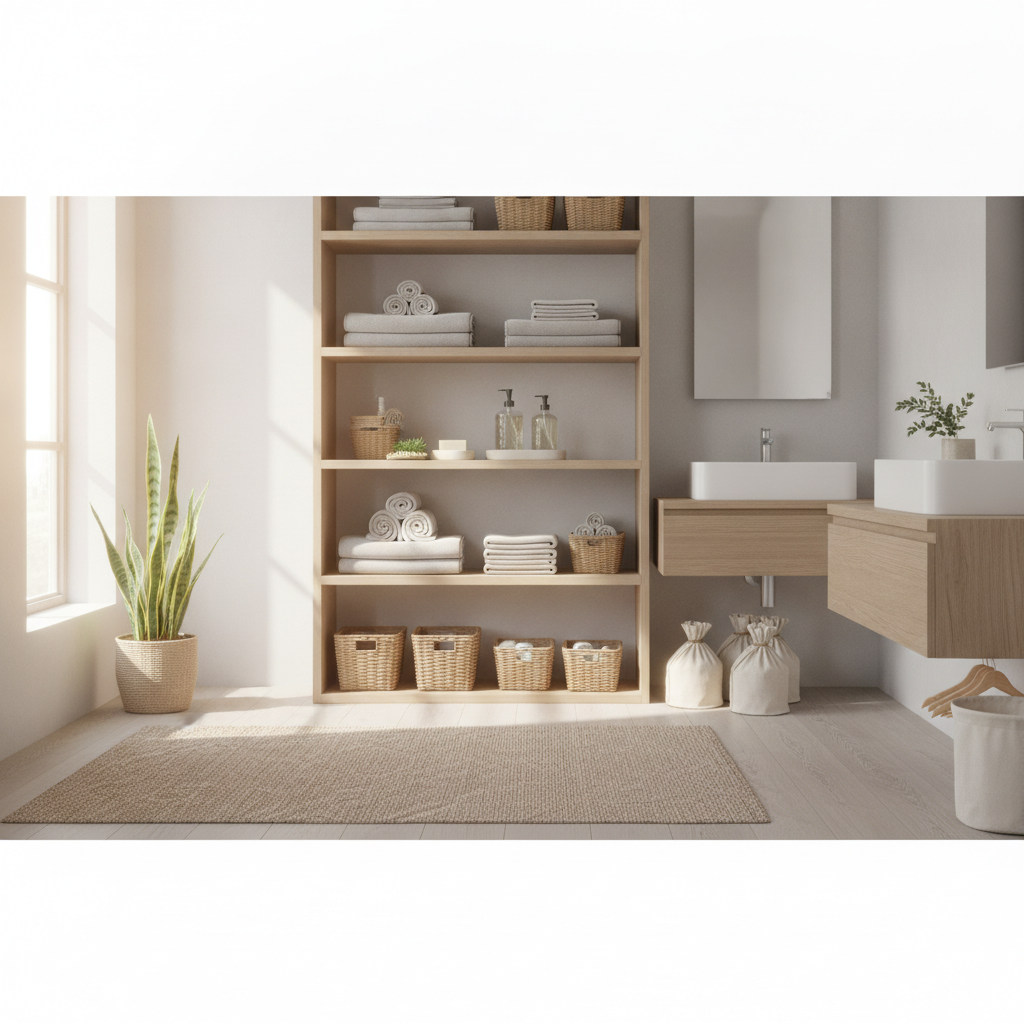
Smart Strategies for a Seamlessly Organized Bathroom Space
Transform your bathroom from cluttered chaos to a serene, functional space. Discover practical methods for organizing toiletries, linens, and cleaning supplies, enhancing daily routines and maintaining a tidy environment with ease.

Selecting and Using Efficient Air Purifiers for Improved Indoor Air Quality
Discover how air purifiers can significantly enhance your home's indoor air quality. Learn about common pollutants, essential filtration technologies, and key factors for choosing the right device to create a healthier living environment.

Smart Home Solutions for Enhanced Accessibility and Independent Living
Discover how smart home technology can significantly enhance accessibility and foster independent living for individuals of all abilities. Explore practical solutions for greater comfort, safety, and convenience in your daily routines.

Mastering Stain Removal: A Guide to Restoring Household Fabrics and Surfaces
Discover practical strategies for tackling common household stains on various fabrics and surfaces. This comprehensive guide provides actionable advice to help maintain the cleanliness and appearance of your home effectively.