
The Principles of Biophilic Design in Residential Interiors
Biophilic design is an innovative approach to architecture and interior design that seeks to connect building occupants more closely with the natural environment. The term "biophilia," coined by E.O. Wilson, refers to humanity's innate tendency to affiliate with nature and other living systems. This design philosophy translates this intrinsic connection into the built world by incorporating natural elements, processes, and patterns into residential spaces. The core aim is to enhance the health and well-being of inhabitants by reducing stress, improving cognitive function, and fostering positive emotions. This article explores the foundational principles of biophilic design and examines various methods for its integration into contemporary home interiors.
Understanding Biophilic Design
Biophilic design is fundamentally about recognizing and replicating the positive experiences humans derive from nature within indoor environments. It moves beyond merely adding potted plants to a room; it involves a holistic integration of natural elements and natural processes. This design strategy acknowledges that humans have evolved in natural settings and that prolonged disconnection from nature can have various impacts on mental and physical states. By reintroducing aspects of nature into residential settings, biophilic design aims to create spaces that are not only aesthetically pleasing but also restorative and conducive to human flourishing.
The Core Concept of Biophilia
The concept of biophilia posits that humans possess an innate desire to connect with other forms of life. This connection is believed to be rooted in humanity's evolutionary history, where survival was intimately linked with understanding and interacting with natural systems. In modern, increasingly urbanized environments, opportunities for direct interaction with nature can diminish. Biophilic design seeks to bridge this gap by consciously reintroducing natural cues and elements into the built environment, allowing for continued engagement with the natural world even indoors.
Key Principles of Biophilic Design
Biophilic design can be understood through several overarching principles that guide its application. These principles often overlap and are interconnected, forming a comprehensive framework for creating nature-integrated spaces.
Direct Connection to Nature
This principle involves the direct, physical presence of nature within a space. It refers to elements that are living, dynamic, and directly experienced through sight, sound, smell, and touch. Examples include:
- Natural Light: Maximizing access to daylight and views of the outdoors. This involves strategic placement of windows, skylights, and light shelves to distribute natural light effectively, reducing reliance on artificial lighting.
- Air and Ventilation: Incorporating natural ventilation systems that allow for the circulation of fresh air. This can include operable windows, passive ventilation strategies, and the use of air-purifying plants.
- Water Features: Introducing elements like indoor fountains, aquariums, or water walls. The visual and auditory presence of water can have a calming effect and contribute to a sense of tranquility.
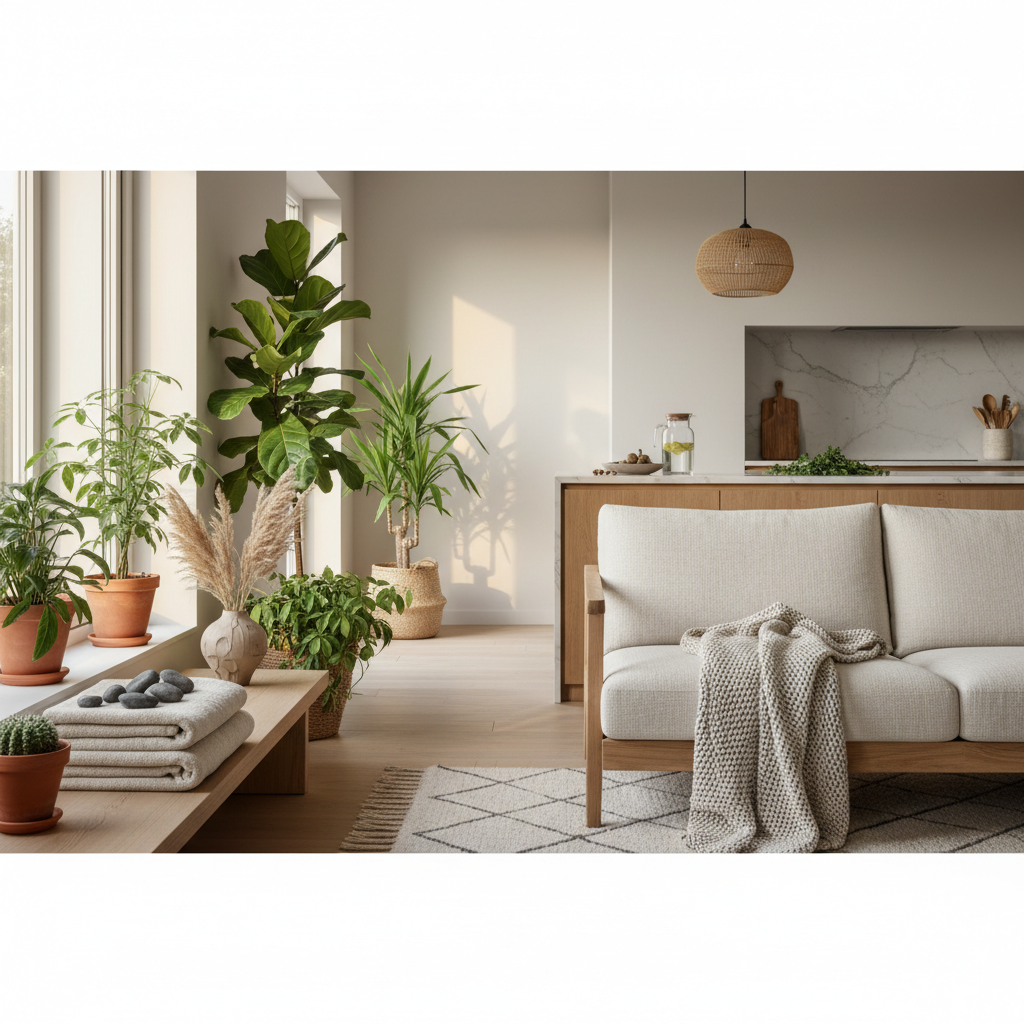
- Plants and Greenery: Integrating live plants, green walls, or indoor gardens. These elements not only enhance air quality but also provide visual interest, texture, and a direct connection to living systems.
Indirect Connection to Nature
Indirect connection refers to the incorporation of natural elements through non-living representations, patterns, and processes. These elements evoke nature without being directly from nature itself. Examples include:
- Natural Materials: Utilizing materials such as wood, stone, cork, and bamboo. The textures, colors, and inherent patterns of these materials contribute to a natural aesthetic.
- Natural Colors and Patterns: Employing color palettes and patterns derived from nature, such as earthy tones, shades of green and blue, and organic, non-linear motifs that mimic natural forms like fractals or leaf veins.
- Views of Nature: Framing outdoor views of landscapes, trees, or gardens. Even if direct access is limited, a visual connection to natural scenes can be impactful.
- Biomorphic Forms and Shapes: Designing with shapes and forms that resemble those found in nature, avoiding rigid, artificial geometries. This includes curved lines, organic outlines, and softened edges in furniture or architectural elements.
- Thermal and Airflow Variability: Creating subtle variations in temperature and air movement that mimic natural outdoor conditions, rather than maintaining a constant, uniform indoor climate.
- Presence of Nature in Materials: Incorporating natural imagery, such as art depicting landscapes, floral patterns on textiles, or photographs of natural scenes.
Place-Based Relationships
This principle focuses on establishing a connection to the local ecology, geography, and cultural context of a place. It emphasizes designs that are responsive to the specific environment and history of a site.
- Integration with Local Ecosystems: Designing outdoor spaces that utilize native plant species and support local biodiversity. This extends the biophilic experience beyond the interior.
- Cultural and Historical Context: Incorporating elements that reflect the cultural heritage and unique characteristics of a region, connecting occupants to their immediate surroundings.
- Prospect and Refuge: Creating spaces that offer both expansive views (prospect) and areas for retreat and enclosure (refuge). This mimics natural environments where vantage points offer safety and observation, while sheltered spots provide security.
- Mystery and Risk/Peril: Introducing elements that evoke curiosity or a sense of gentle intrigue, such as partially obscured views or subtle changes in elevation, which can stimulate exploration and engagement in a safe manner.
Integration into Residential Interiors
Applying biophilic design principles in a home involves thoughtful planning and consideration of how each element contributes to the overall connection with nature.
Living Spaces
In living rooms, biophilic design can manifest through large windows framing garden views, the strategic placement of indoor plants, and the use of natural wood flooring or stone accents. Furniture with organic shapes and textiles made from natural fibers like linen or cotton can further enhance the connection. Consider a balanced arrangement that allows for both open prospect and cozy refuge areas.
Bedrooms
Bedrooms can benefit from biophilic elements that promote rest and rejuvenation. This includes calming color palettes inspired by nature (e.g., soft blues and greens), filtered natural light, and the inclusion of subtle water features or air-purifying plants. Materials such as untreated wood for bed frames or wool rugs can add to the natural feel, creating a serene environment conducive to sleep.
Home Offices
For home offices, biophilic design aims to enhance focus and reduce mental fatigue. Positioning a desk to offer a view of the outdoors or a living wall can be beneficial. Incorporating natural light, ergonomic furniture made from sustainable materials, and a few small plants on the desk contributes to a more productive and less stressful workspace. The use of natural patterns in textiles or artwork can also stimulate cognitive engagement.
Kitchens and Bathrooms
In kitchens, durable natural materials like stone countertops and wooden cabinetry can be utilized. Access to fresh air and light, perhaps through a window herb garden, brings nature closer. Bathrooms can be transformed with natural stone tiles, wooden accents, and moisture-loving plants. The sound of running water from an efficient faucet can even contribute a subtle biophilic element.
Benefits and Considerations
The integration of biophilic design in residential spaces is associated with a range of observed benefits, including enhanced mood, reduced stress levels, and improved cognitive performance. These outcomes are attributed to the restorative qualities of nature, which the design principles aim to replicate indoors. From a practical standpoint, selecting durable natural materials can contribute to the longevity of interior elements. When integrating living plants, considerations for their maintenance, light requirements, and potential allergens are important. It is also important to ensure that any water features are properly installed and maintained to prevent issues.
Biophilic design represents a comprehensive approach to creating living environments that support human well-being by fostering a profound and continuous connection with the natural world. Its principles extend beyond mere aesthetics, aiming to cultivate spaces that are inherently restorative and harmonious, reflecting humanity's deep-seated affinity for nature.
More from home living
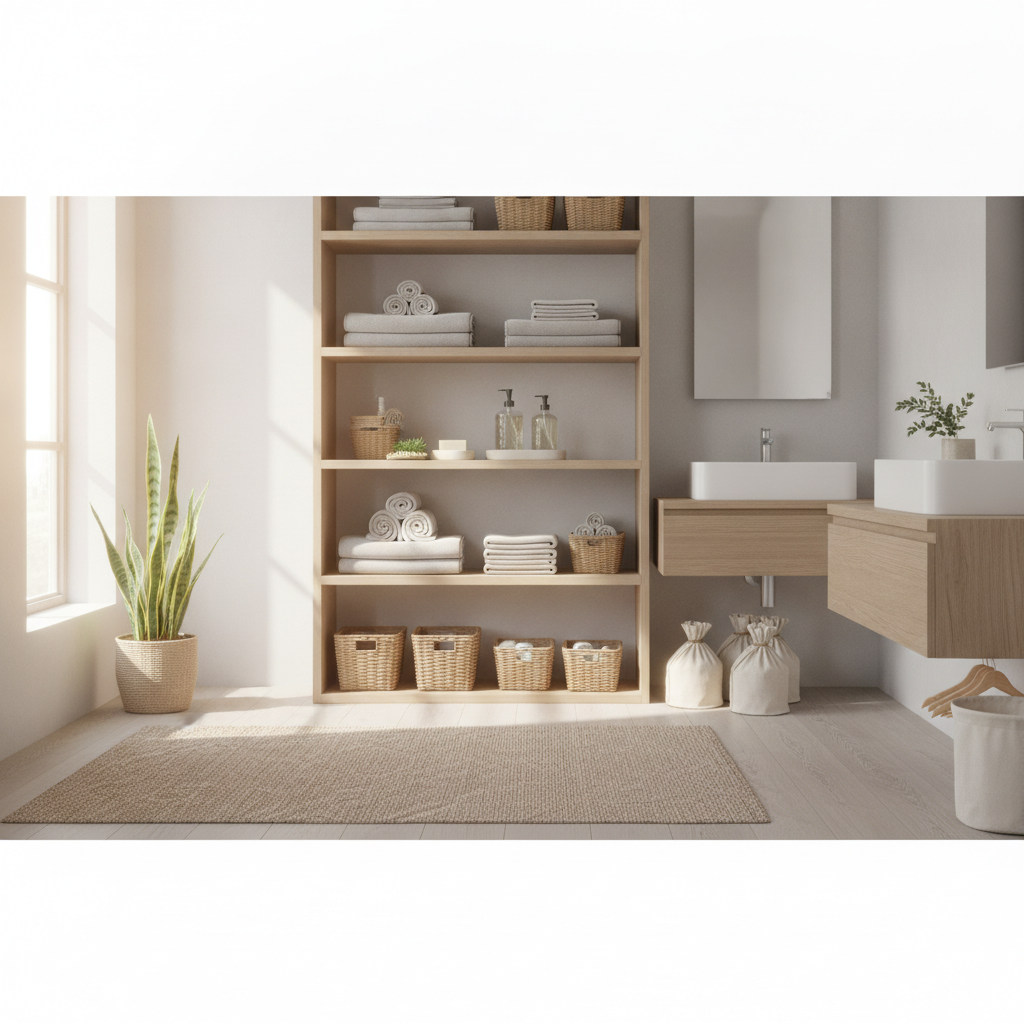
Smart Strategies for a Seamlessly Organized Bathroom Space
Transform your bathroom from cluttered chaos to a serene, functional space. Discover practical methods for organizing toiletries, linens, and cleaning supplies, enhancing daily routines and maintaining a tidy environment with ease.
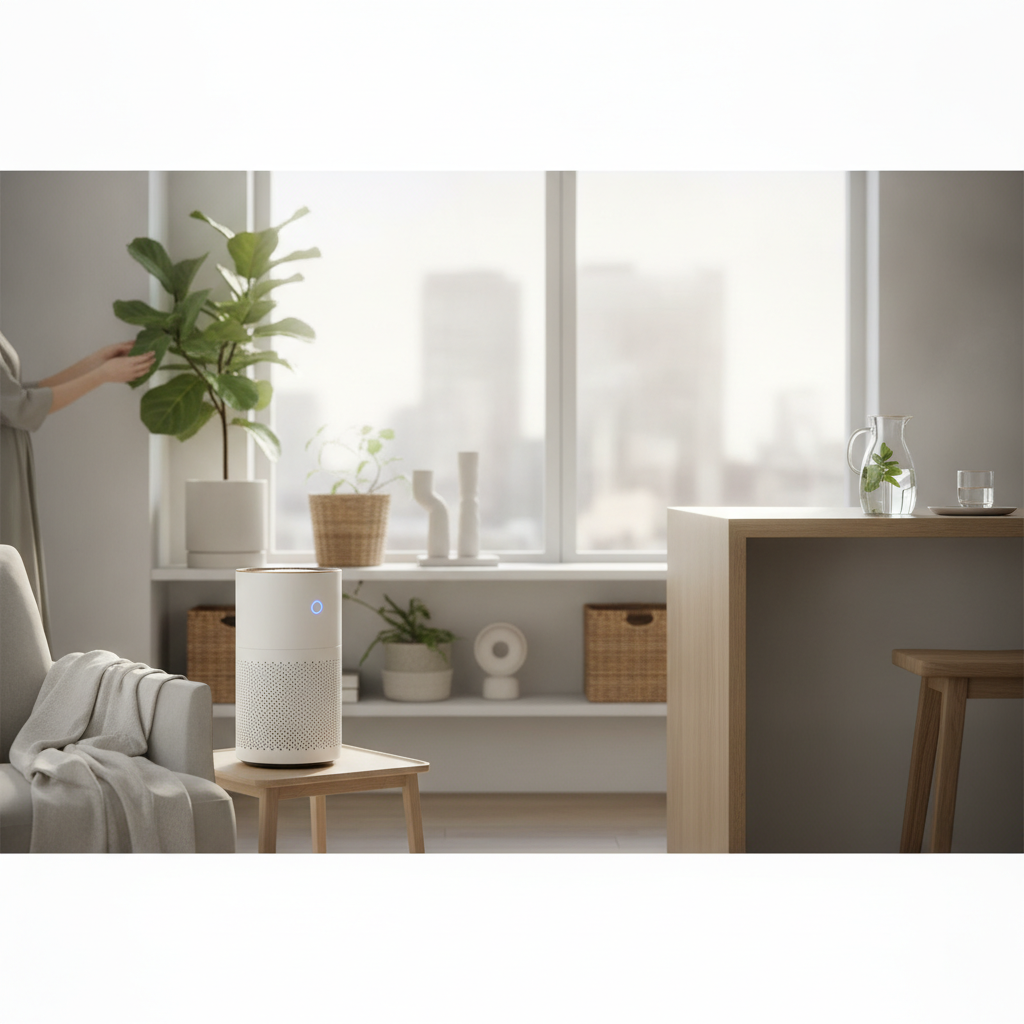
Selecting and Using Efficient Air Purifiers for Improved Indoor Air Quality
Discover how air purifiers can significantly enhance your home's indoor air quality. Learn about common pollutants, essential filtration technologies, and key factors for choosing the right device to create a healthier living environment.
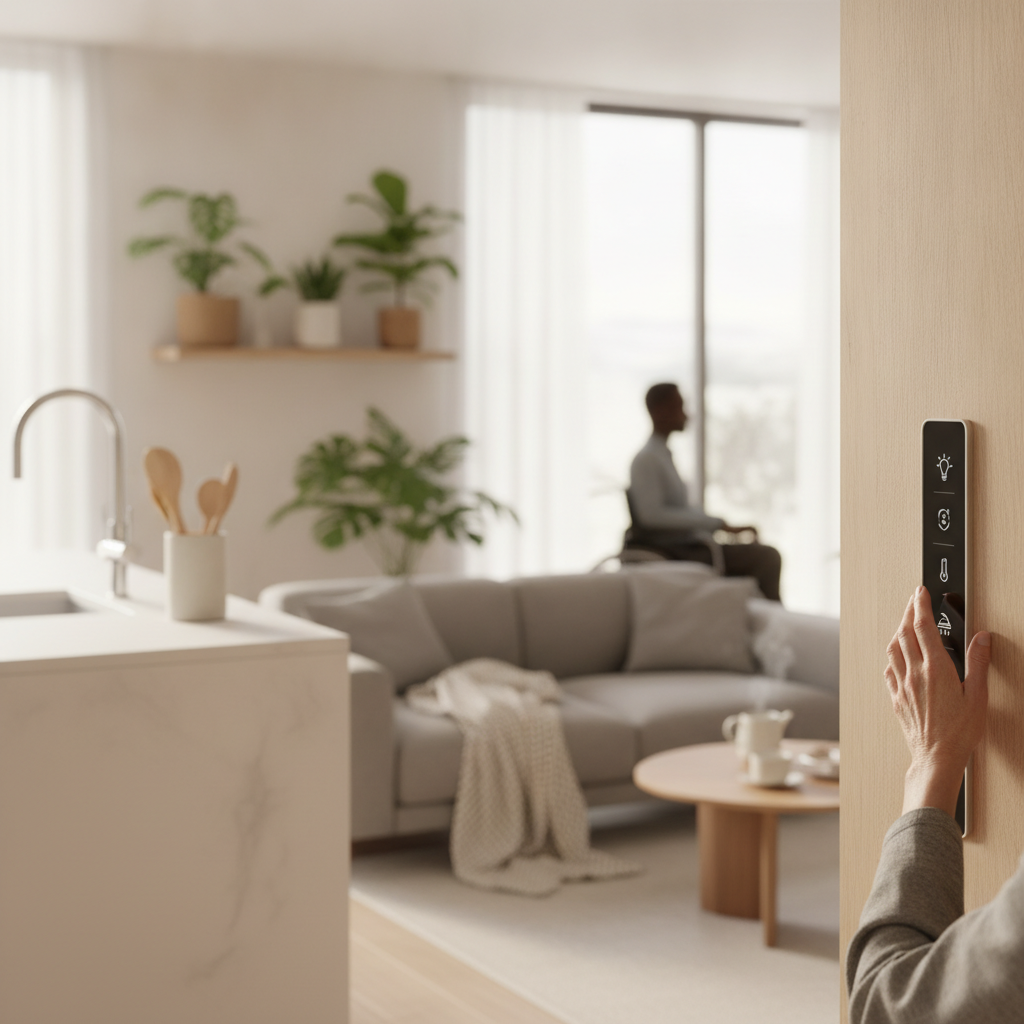
Smart Home Solutions for Enhanced Accessibility and Independent Living
Discover how smart home technology can significantly enhance accessibility and foster independent living for individuals of all abilities. Explore practical solutions for greater comfort, safety, and convenience in your daily routines.
Mastering Stain Removal: A Guide to Restoring Household Fabrics and Surfaces
Discover practical strategies for tackling common household stains on various fabrics and surfaces. This comprehensive guide provides actionable advice to help maintain the cleanliness and appearance of your home effectively.