
Maximizing Space: Principles of Vertical Storage Solutions for Compact Living
In residential environments, particularly those characterized by compact footprints or limited square footage, the efficient utilization of available space becomes a critical consideration for enhancing functionality and maintaining order. Vertical storage represents a strategic methodology that extends storage capacity upwards, transforming often-underutilized wall space and vertical dimensions into practical zones for containment and display. This approach is instrumental in decluttering horizontal surfaces and maximizing the overall utility of a room without necessitating an expansion of its physical boundaries. The subsequent discussion examines the foundational concepts, diverse typologies, and strategic implementation considerations associated with vertical storage systems, providing an overview of how these solutions contribute to more organized and adaptable living spaces.
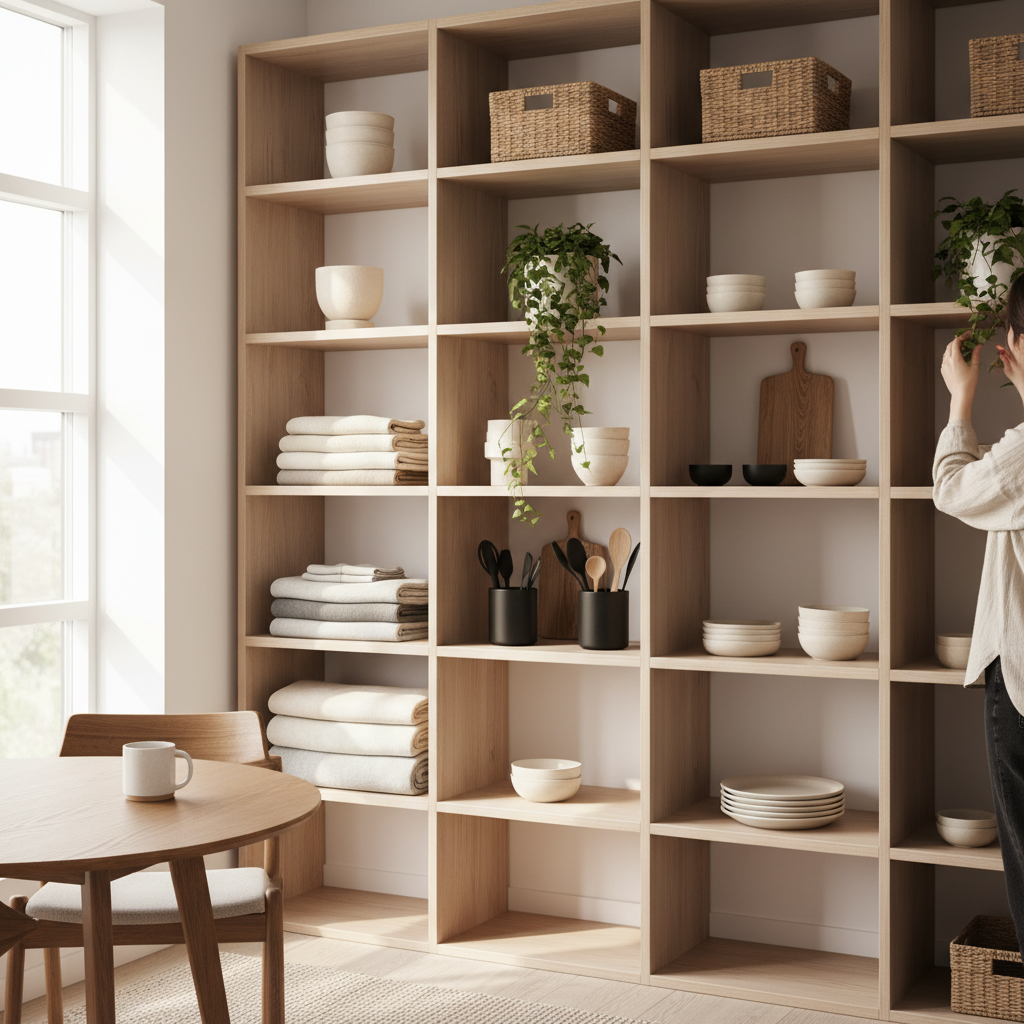
The Concept of Vertical Storage
Vertical storage operates on the principle of maximizing a room's cubic capacity rather than solely its floor area. Instead of spreading items horizontally, which can quickly consume valuable floor space, this method encourages the stacking or elevating of possessions along walls or within tall structures. This effectively reclaims floor space that might otherwise be occupied by storage units or scattered items, making rooms appear larger and more open. The philosophy behind vertical storage is not merely about increasing storage volume but also about creating systems that are ergonomically accessible and visually integrated into the living environment.
By leveraging the full height of a room, vertical storage can accommodate a substantial quantity of items, from books and decorative objects to clothing and kitchen essentials. This often involves employing units that are tall and narrow, or systems that attach directly to walls. The careful planning and installation of such solutions are essential to ensure stability, safety, and seamless integration with existing decor and functional requirements.
Benefits of Vertical Storage in Compact Residences
Implementing vertical storage solutions offers several distinct advantages for inhabitants of compact residences. These benefits extend beyond mere capacity, impacting the aesthetic, organizational, and functional aspects of a living space.
Enhanced Space Utilization
One of the primary benefits is the substantial increase in usable storage area without expanding the physical footprint of the home. By drawing items upwards, vertical systems free up precious floor space, which can then be dedicated to circulation, furniture, or other activities. This maximization of vertical real estate is particularly valuable in apartments, small homes, or rooms with unconventional layouts.
Improved Organization and Accessibility
Vertical storage facilitates structured organization. Items can be categorized and placed on specific shelves, in bins, or on hooks, making them easier to locate and retrieve. When storage is well-planned vertically, it can reduce clutter on horizontal surfaces, which often leads to a more orderly and less stressful environment. Accessibility can also be improved, especially when frequently used items are placed at eye level or within easy reach, while less used items are stored higher.
Aesthetic and Visual Impact
From an aesthetic perspective, vertical storage can contribute to a cleaner, more streamlined appearance. By consolidating items into designated vertical zones, visual clutter is minimized. Well-designed vertical units can also serve as architectural features, adding character and depth to a room. Open shelving, for instance, can be used to display curated collections, transforming storage into an element of interior design.
Flexibility and Adaptability
Many vertical storage systems are designed with modularity and flexibility in mind. Components like adjustable shelves, movable hooks, and stackable units allow for customization and adaptation to changing storage needs over time. This adaptability ensures that the storage solution remains functional and relevant as possessions evolve or as the space's use shifts.
Types of Vertical Storage Systems
A diverse array of vertical storage systems is available, each suited to different types of items, room configurations, and aesthetic preferences. Understanding these types is crucial for selecting the most appropriate solution for a given context.
Wall-Mounted Shelving
Wall-mounted shelves are a common and versatile vertical storage option. They can range from simple floating shelves that offer a minimalist look to more robust bracketed systems capable of holding heavier items. Corner shelves optimize typically unused corner spaces. The material and finish of wall-mounted shelving can be chosen to complement the existing interior design, offering both practical storage and decorative opportunities.
Tall Bookcases and Cabinets
Freestanding bookcases and cabinets are traditional vertical storage units that come in various heights and widths. Tall, narrow bookcases are particularly effective in small rooms, providing extensive storage for books, documents, and decorative objects without occupying significant floor space. Cabinets, especially those with doors, offer concealed storage, which helps maintain a tidy appearance, particularly in living areas or offices.
Over-the-Door Organizers
Over-the-door organizers are highly practical for maximizing space behind doors in bedrooms, bathrooms, or pantries. These systems typically feature pockets, hooks, or shelves and are ideal for storing smaller items such as shoes, toiletries, cleaning supplies, or pantry staples. They require no installation beyond hanging and are easily relocated, offering a flexible solution for immediate storage needs.
Stackable Bins and Drawers
Stackable bins, baskets, and drawer units are versatile components that can be arranged vertically on shelves, within cabinets, or directly on the floor. Their modular nature allows for custom configurations that can be adjusted as storage requirements change. These are particularly useful for organizing craft supplies, toys, linens, or items in a pantry or closet, facilitating clear categorization and containment.
Pegboards and Slatwalls
Pegboards and slatwalls offer highly customizable vertical storage solutions. These panels are installed on walls and feature a series of holes or grooves into which various hooks, shelves, and containers can be inserted. They are excellent for organizing tools in a workshop, kitchen utensils, craft supplies, or office accessories, allowing for a highly visible and easily changeable display of items.
Vertical Garden Systems
While not strictly for conventional household items, vertical garden systems represent an application of vertical space optimization for living elements. These systems allow for the cultivation of plants, herbs, or small vegetables on a vertical plane, often against a wall or freestanding structure. They are beneficial for integrating greenery into small living spaces, offering aesthetic appeal and, in some cases, practical uses like fresh produce.
Closet System Components
Within closets, vertical storage is critical. Systems that incorporate multiple hanging rods at different heights, tiered shelving units, and pull-out drawers or baskets maximize the interior volume of a closet. These components allow for the organized storage of diverse clothing types, accessories, and footwear, transforming a standard closet into a highly efficient storage hub.
Implementation Strategies for Vertical Storage
Effective implementation of vertical storage involves careful planning and consideration of several factors to ensure functionality, safety, and aesthetic integration.
Assessment of Needs and Space
Before implementing any vertical storage system, it is important to assess the specific items that require storage and the available vertical space. This includes measuring wall dimensions, considering ceiling height, and identifying any obstructions such as windows, doors, or electrical outlets. Understanding the weight and frequency of access for items will guide the choice of storage type and construction.
Planning and Design
Designing a vertical storage system involves mapping out where items will be placed, considering both accessibility and visual balance. Sketching potential layouts or using digital planning tools can help visualize the end result. Consideration of the room's overall aesthetic is also important; storage solutions should complement the existing decor and architectural style.
Installation and Safety Considerations
Proper installation is paramount for the safety and stability of vertical storage. Wall-mounted units, especially those holding significant weight, must be securely fastened to wall studs or appropriate anchors. Overloading shelves or units beyond their weight capacity can lead to structural failure. It is important for individuals to consult product specifications and, if necessary, seek professional assistance for installation to ensure all safety guidelines are met.
Considerations for Selecting Vertical Storage
When selecting vertical storage solutions, several factors influence their suitability and effectiveness.
Material and Durability
The materials used in vertical storage systems range from wood and metal to plastic and composites. The choice of material impacts durability, aesthetic appeal, and weight capacity. For heavy items, sturdy materials like solid wood or steel are generally more appropriate. For humid environments, materials resistant to moisture or rust may be preferred.
Aesthetic Integration
The visual impact of vertical storage on a room is significant. Solutions should ideally blend seamlessly with the existing interior design, either by matching colors and finishes or by providing a complementary contrast. Open shelving requires careful curation of its contents to maintain an organized and visually appealing display, contributing to the room's overall ambiance.
Accessibility and Ergonomics
Consideration for how easily items can be accessed is important. Frequently used items are typically placed at a comfortable height, while less used items can be stored higher or lower. The use of step stools or ladders may be necessary for very tall units, which influences the practical accessibility of certain storage zones.
Future Adaptability
As needs change over time, flexible vertical storage solutions can be adjusted or reconfigured. Modular systems or those with adjustable components offer greater longevity and utility. This forward-thinking approach helps ensure that the storage system remains effective even as household items or living arrangements evolve.
Maintenance and Adaptability
Maintaining vertical storage systems involves periodic review and adjustment. Regular cleaning of shelves and units helps to preserve their appearance and functionality. Periodically reassessing the contents of vertical storage allows for decluttering and reorganization, ensuring that the system continues to meet current needs efficiently. Items that are no longer needed can be removed, and the arrangement of items can be optimized for improved accessibility or visual appeal. This ongoing process supports the long-term effectiveness of vertical storage as an integral component of home organization.
More from home living
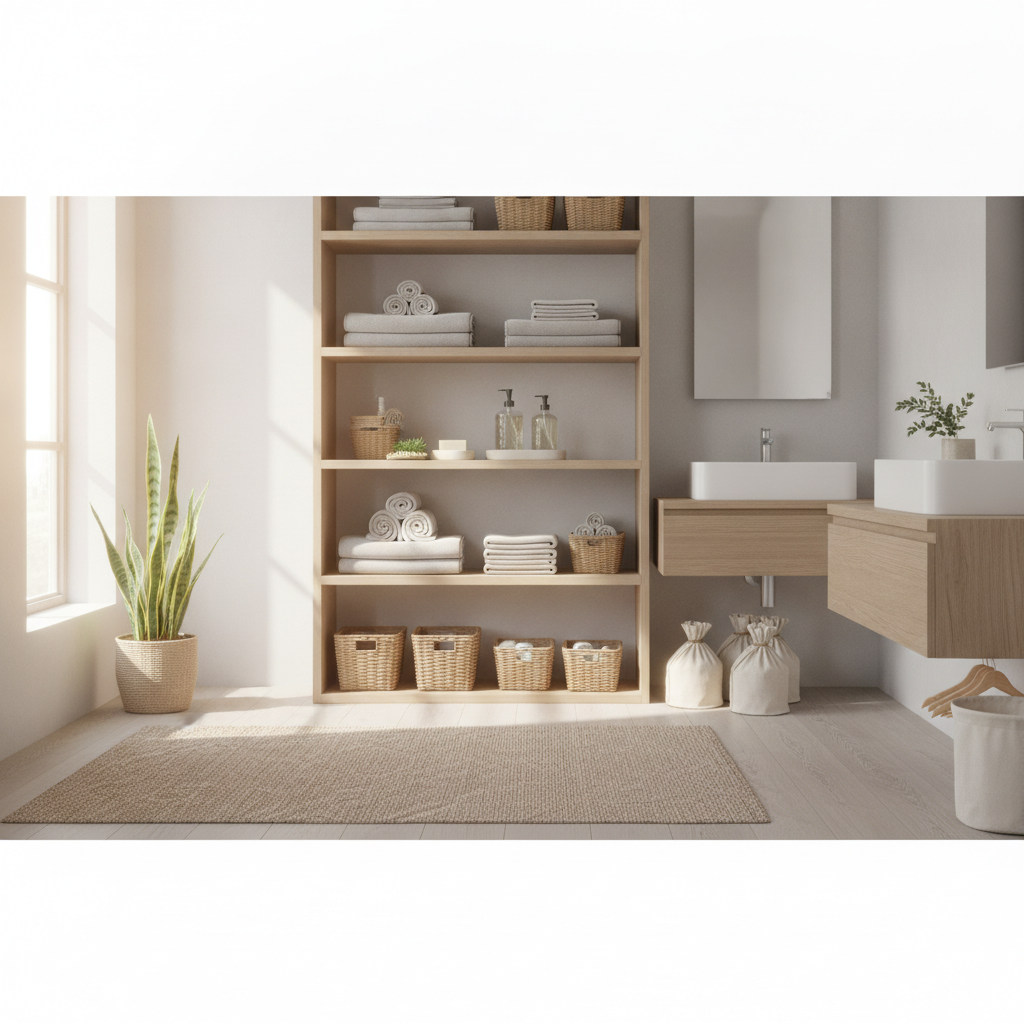
Smart Strategies for a Seamlessly Organized Bathroom Space
Transform your bathroom from cluttered chaos to a serene, functional space. Discover practical methods for organizing toiletries, linens, and cleaning supplies, enhancing daily routines and maintaining a tidy environment with ease.
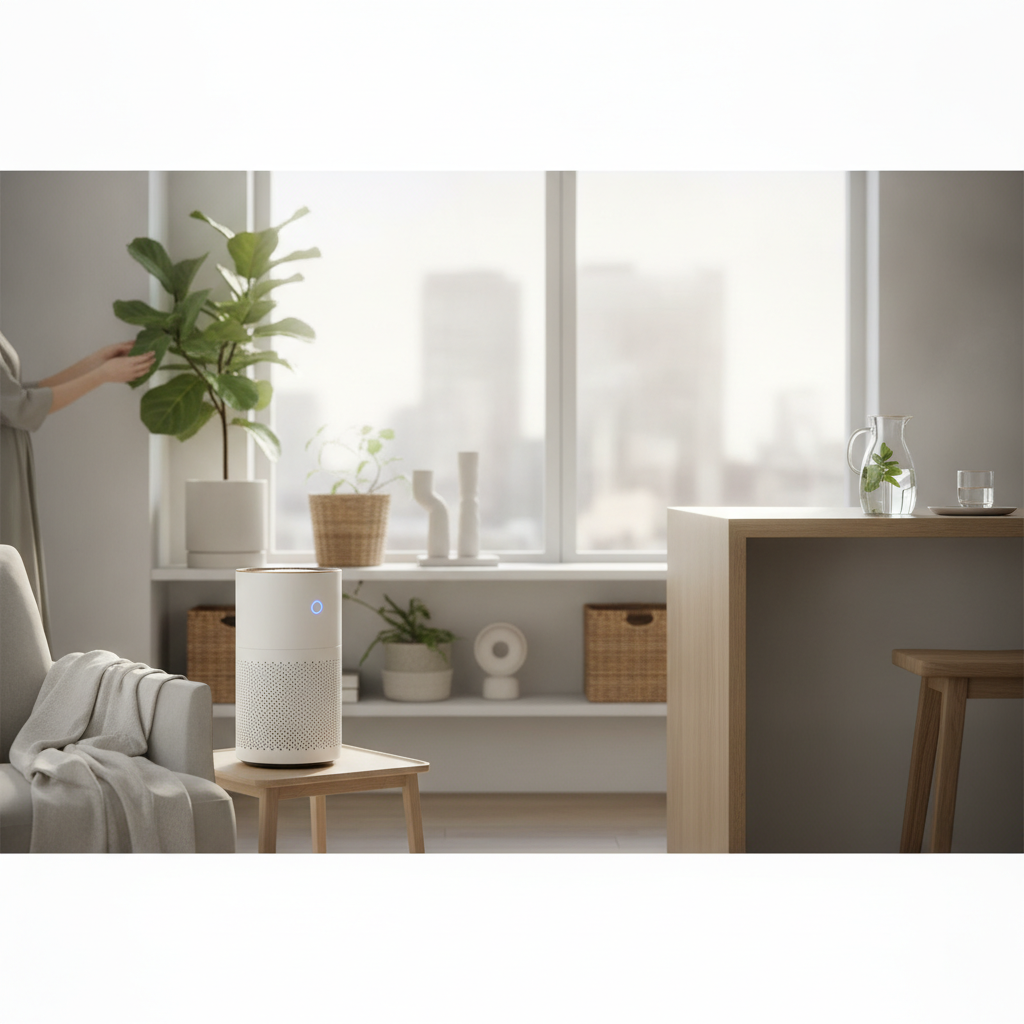
Selecting and Using Efficient Air Purifiers for Improved Indoor Air Quality
Discover how air purifiers can significantly enhance your home's indoor air quality. Learn about common pollutants, essential filtration technologies, and key factors for choosing the right device to create a healthier living environment.
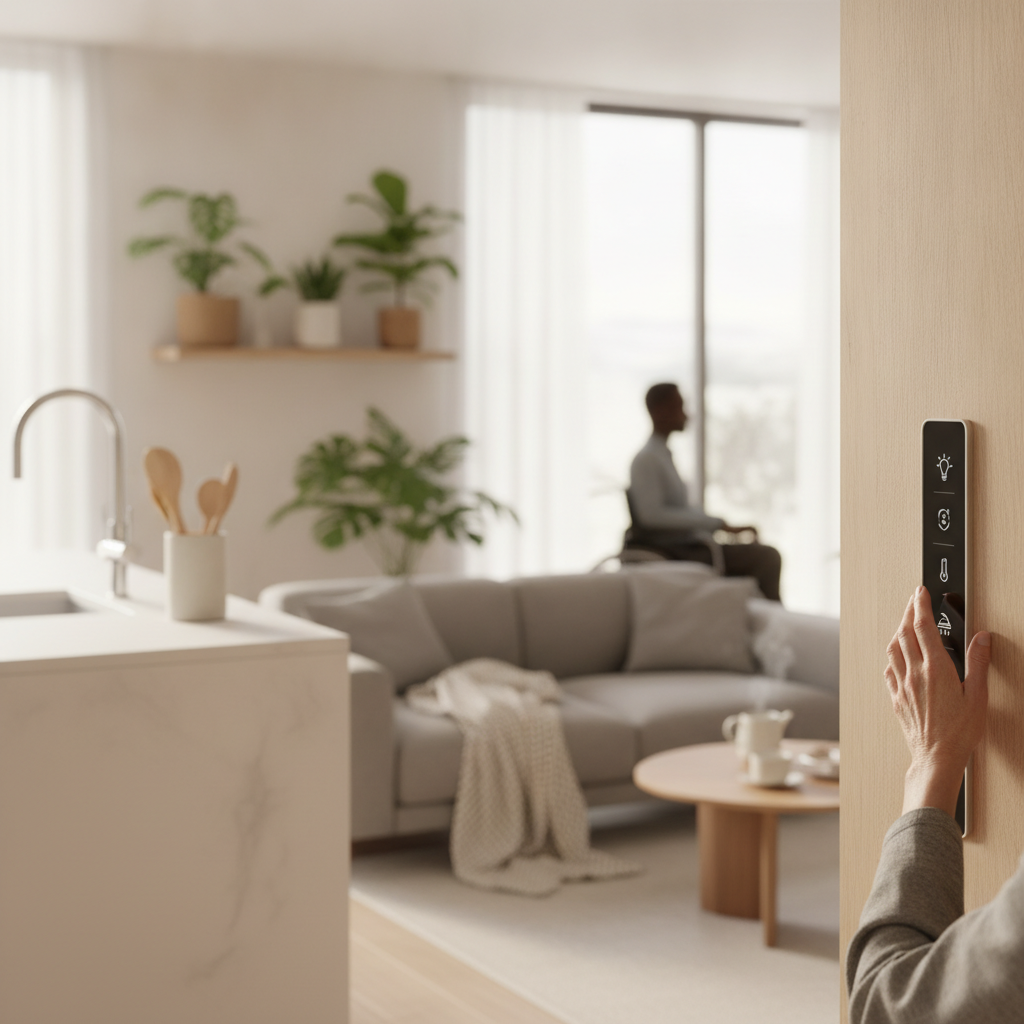
Smart Home Solutions for Enhanced Accessibility and Independent Living
Discover how smart home technology can significantly enhance accessibility and foster independent living for individuals of all abilities. Explore practical solutions for greater comfort, safety, and convenience in your daily routines.

Mastering Stain Removal: A Guide to Restoring Household Fabrics and Surfaces
Discover practical strategies for tackling common household stains on various fabrics and surfaces. This comprehensive guide provides actionable advice to help maintain the cleanliness and appearance of your home effectively.