
Cultivating Order: Foundational Principles for Proactive Clutter Management
The persistent challenge of maintaining an orderly living space often leads individuals to cycles of intense, reactive decluttering, followed by gradual re-accumulation of items. This pattern can be exhausting and perpetuate a sense of never-ending struggle against disorganization. A more sustainable and less stressful approach lies in the adoption of proactive clutter management. This methodology shifts the focus from merely reacting to existing clutter to establishing foundational principles and daily habits designed to prevent clutter from accumulating in the first place. By understanding the underlying reasons for disarray and implementing strategic systems, residents can cultivate environments that naturally resist chaos, fostering a sense of calm, efficiency, and well-being within their homes. This intentional shift transforms the relationship with personal belongings, promoting conscious consumption and thoughtful spatial organization.
Understanding the Roots of Clutter
Clutter often manifests as a symptom of deeper issues rather than simply an excess of physical items. Recognizing these root causes is the first step toward effective proactive management. Common contributors include a lack of designated storage, sentimental attachment to unused items, impulsive purchasing habits, and a general disengagement from the maintenance of one's living environment. Without addressing these foundational elements, any decluttering effort may only offer temporary relief. Proactive management seeks to build an infrastructure that anticipates and mitigates these contributing factors, promoting a sustained state of order.
The Problem of Undesignated Items
When items lack a specific, accessible "home," they tend to migrate to various surfaces, forming piles and contributing to visual noise. This lack of designated storage is a primary driver of household clutter. Every item, from mail to children's toys, benefits from having a clear, logical place where it belongs.
Sentimental Accumulation
Emotional attachment can make parting with items challenging, even if they no longer serve a practical purpose or hold significant aesthetic value. While sentimentality is a natural human trait, an unchecked accumulation of sentimental items can quickly overwhelm storage capacities and contribute to a cluttered environment. Developing strategies to honor memories without sacrificing functional space is crucial.
Mindless Consumption and Influx
The continuous acquisition of new items, often driven by marketing, social trends, or perceived needs, can easily outpace a household's capacity to absorb them. Without conscious purchasing decisions and a "one in, one out" philosophy, new items rapidly contribute to existing or nascent clutter problems.
Principle 1: Establish Designated Homes for Everything
The cornerstone of proactive clutter management is ensuring that every item within a residential space has a clear, accessible, and logical storage location. When an item has a designated home, the act of tidying becomes a simple matter of returning it to its place, rather than searching for an available spot. This principle reduces decision fatigue and streamlines daily maintenance.
Logical Grouping and Proximity
Organize items by category and store them in locations where they are most frequently used. Kitchen utensils belong in the kitchen, cleaning supplies near cleaning zones, and office documents near the workspace. This minimizes unnecessary movement and encourages items to be put away promptly after use. For example, charging cables can be stored in a small drawer or container near the primary charging station, rather than scattered across various surfaces.
Optimizing Storage Solutions
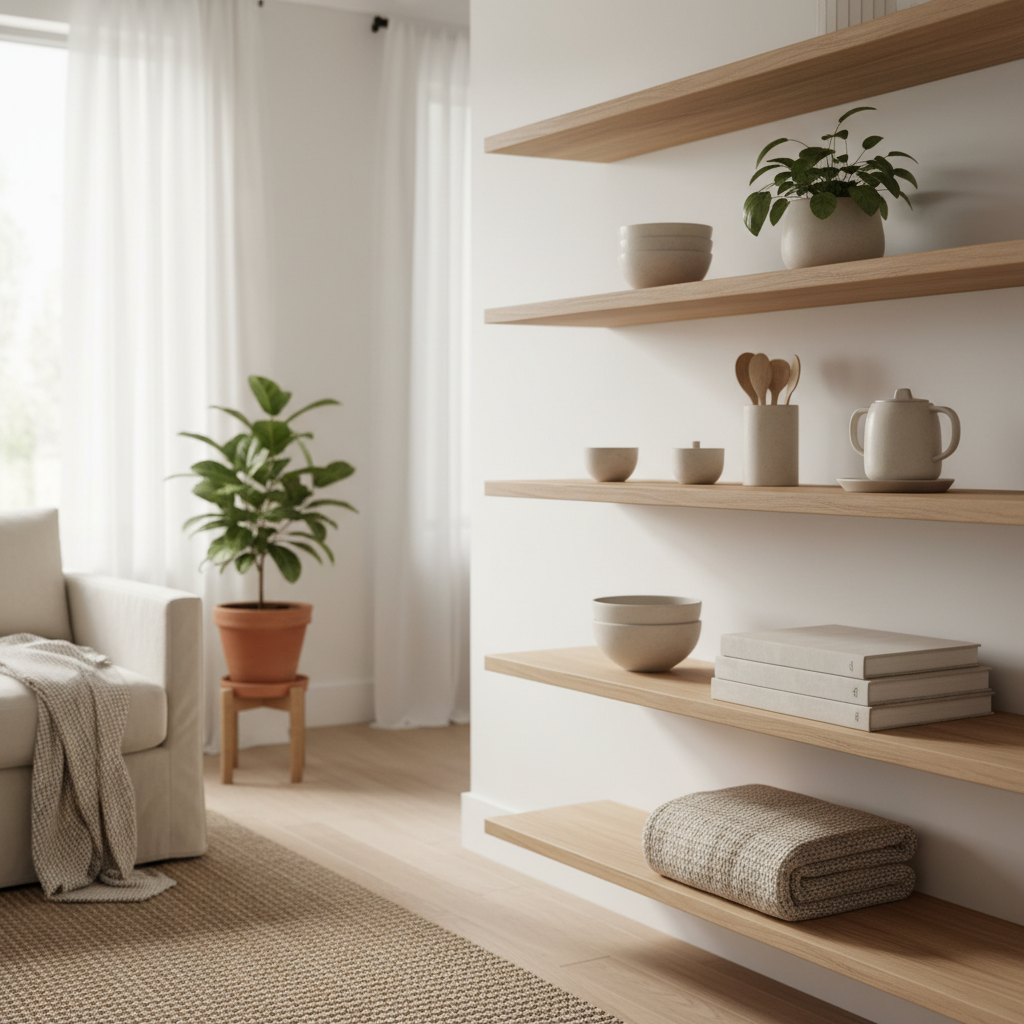
Investing in appropriate storage solutions, such as shelving units, drawers, baskets, and dividers, can significantly enhance the effectiveness of designated homes. These solutions help define boundaries and prevent items from spilling into undesignated areas. Clear containers can be particularly useful for visually identifying contents without needing to open each one, especially for less frequently accessed items. Vertical space, often underutilized, can be maximized with tall shelving or drawer systems, especially in smaller residences.
Labeling for Clarity
For shared spaces or less obvious storage, clear labeling can prevent confusion and ensure that all household members understand where items belong. Labels on bins, drawers, or shelves remove guesswork and reinforce the system, making it easier for everyone to participate in maintaining order.
Principle 2: Implement the "One In, One Out" Rule
To prevent the continuous accumulation of possessions, adopting a "one in, one out" policy is highly effective. This principle dictates that for every new item brought into the home, an existing, similar item must be removed. This creates a natural equilibrium, ensuring that the volume of possessions remains consistent or even decreases over time.
Applying the Rule Consistently
This rule is most powerful when applied consistently across various categories of items. When purchasing a new shirt, an old shirt is donated or discarded. When acquiring a new book, an existing book is passed on. This forces a conscious decision about the value and necessity of both the new and old item, promoting mindful consumption.
Adapting for Different Item Types
While straightforward for clothing or books, the "one in, one out" rule can be adapted for other categories. For example, if a new kitchen gadget is acquired, another less-used gadget might be considered for donation. For consumables or items that deplete, the rule might not apply directly, but the underlying philosophy of conscious intake remains relevant.
Principle 3: Cultivate Daily Micro-Decluttering Habits
Instead of waiting for clutter to become overwhelming before undertaking a major decluttering project, proactive management emphasizes regular, small-scale tidying efforts. These "micro-decluttering" habits integrate organization into daily routines, preventing large accumulations.
The "Five-Minute Tidy"
Designate short, consistent periods each day, perhaps five to ten minutes, to quickly put away items that are out of place. This might involve clearing kitchen counters after a meal, organizing papers on a desk before concluding work for the day, or gathering stray items in the living room before bedtime. The cumulative effect of these small efforts is significant.
The "Reset Routine"
At the end of each day, perform a quick "reset" of primary living areas. This involves returning items to their designated homes, wiping down surfaces, and preparing the space for the next day. This routine prevents the carryover of daily mess into subsequent days, maintaining a baseline level of order.
Habit Stacking for Efficiency
Integrate micro-decluttering into existing routines. For example, while waiting for coffee to brew, quickly wipe down kitchen counters. While talking on the phone, fold a load of laundry. Pairing a new organizational habit with an established one increases the likelihood of adherence.
Principle 4: Regular Evaluation and Purging
Even with robust proactive systems, items can accumulate or lose their utility over time. Scheduled, periodic evaluations are essential to ensure that possessions continue to serve a purpose and that storage spaces are not over capacity. This is a deliberate, scheduled form of decluttering that reinforces the proactive approach.
Seasonal Purges
Conducting a thorough purge at the change of seasons (e.g., spring cleaning, end-of-year review) allows for a systematic review of seasonal items, clothing, and general household goods. This is an opportune time to assess what was used, what wasn't, and what can be donated, sold, or discarded.
The "Four-Box Method" Revisited
When undertaking a periodic purge, the "four-box method" can be highly effective:
- Keep: Items that are regularly used, loved, and have a designated home.
- Donate/Sell: Items in good condition that are no longer needed or wanted.
- Relocate: Items that belong in another room or section of the house.
- Trash/Recycle: Items that are broken, expired, or beyond repair/use. This structured approach helps to categorize items efficiently and prevents decision paralysis.
Digital Decluttering
In the modern home, digital clutter can be as overwhelming as physical clutter. Regularly reviewing and organizing digital files, emails, photos, and applications on devices contributes to overall mental clarity and efficiency. This might involve deleting old files, unsubscribing from unwanted newsletters, or organizing digital documents into logical folders.
Principle 5: Mindful Consumption and Intentional Acquisition
The most effective way to manage clutter proactively is to prevent it from entering the home in the first place. This involves cultivating mindful consumption habits and making intentional choices about every item acquired.
Pausing Before Purchasing
Before making a purchase, take a moment to consider its necessity, utility, and whether a designated home for it already exists. Asking questions such as "Do I truly need this?" "Where will this live?" and "Do I already own something similar?" can prevent impulsive acquisitions. Waiting 24 or 48 hours before a non-essential purchase can also allow for a more rational decision.
Prioritizing Quality Over Quantity
Investing in fewer, higher-quality items that are durable and versatile can reduce the need for frequent replacements and prevent the accumulation of flimsy, disposable goods. This approach aligns with sustainable living principles and often results in a more curated and functional home environment.
Resisting Promotional Pressure
Be aware of marketing tactics and promotional offers that encourage unnecessary purchases. Differentiate between genuine needs and artificially created desires. Unsubscribing from marketing emails or limiting exposure to retail environments can help reduce temptation.
Principle 6: Involve All Household Members
For proactive clutter management to be truly effective and sustainable, it requires the participation and commitment of all individuals residing in the home. A shared understanding and collective effort amplify the impact of individual actions.
Clear Expectations and Responsibilities
Establish clear expectations for tidiness and organization for each household member. Assigning specific responsibilities, appropriate for age and capability, can foster a sense of ownership and accountability. For instance, children can be responsible for putting away their toys, while adults manage their personal belongings and shared communal areas.
Regular Family Meetings (Optional)
For some households, periodic family meetings can be beneficial for discussing organizational challenges, celebrating successes, and collaboratively developing solutions. This open communication ensures that the systems in place are working for everyone and can be adjusted as needed.
Leading by Example
Adults and primary caregivers can set a powerful example by consistently adhering to the established principles of proactive clutter management. When children and other household members observe consistent organizational habits, they are more likely to adopt similar practices themselves.
The Long-Term Benefits of a Proactive Approach
Embracing proactive clutter management is an ongoing journey, not a one-time event. It requires consistent effort, self-awareness, and a willingness to adapt systems as needs evolve. However, the benefits extend far beyond a visually appealing home. A clutter-free environment has been linked to reduced stress, improved focus, increased productivity, and a greater sense of control over one's surroundings. It liberates mental energy that might otherwise be spent on searching for lost items or feeling overwhelmed by disarray. By transforming the approach to possessions from reactive crisis management to systematic prevention, residents can cultivate spaces that genuinely support their well-being and daily lives. The true value lies not in merely having fewer items, but in creating a living environment that is intentionally designed for harmony and ease.
More from home living
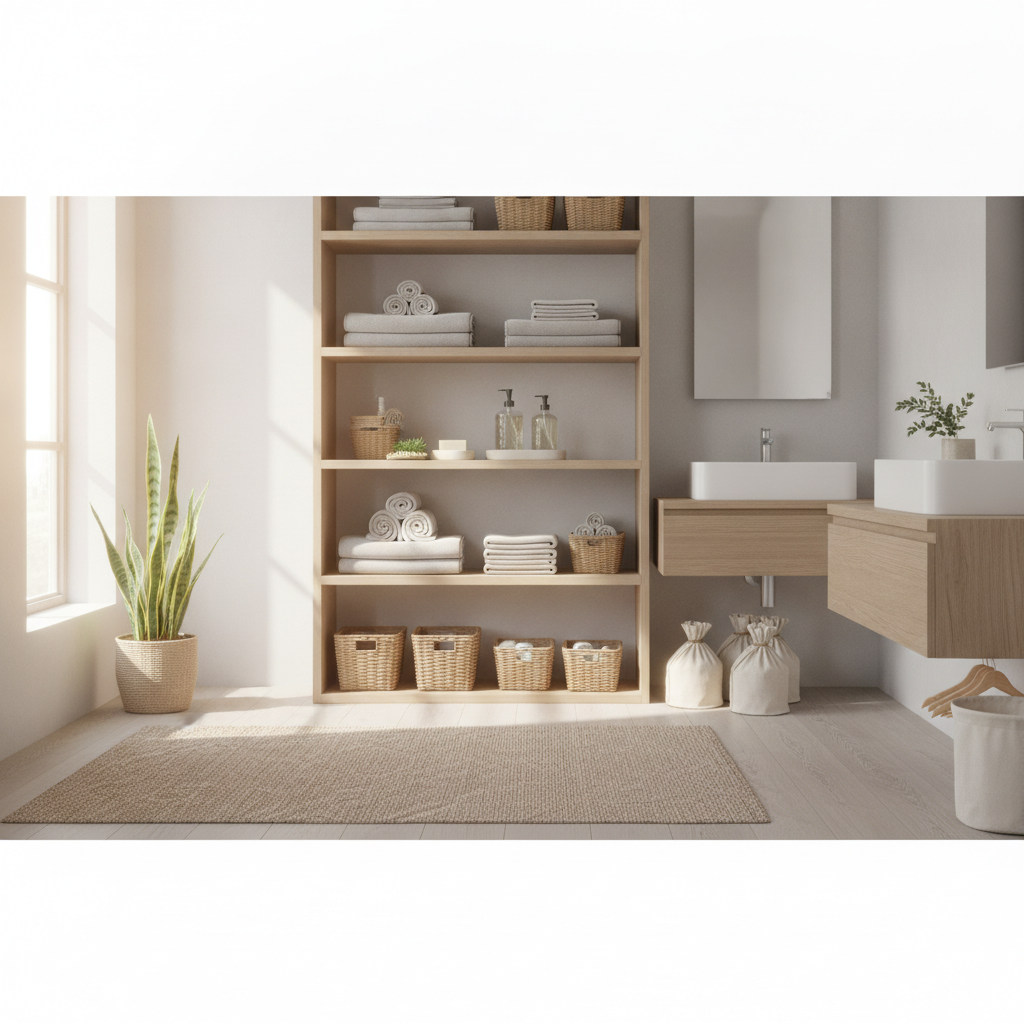
Smart Strategies for a Seamlessly Organized Bathroom Space
Transform your bathroom from cluttered chaos to a serene, functional space. Discover practical methods for organizing toiletries, linens, and cleaning supplies, enhancing daily routines and maintaining a tidy environment with ease.
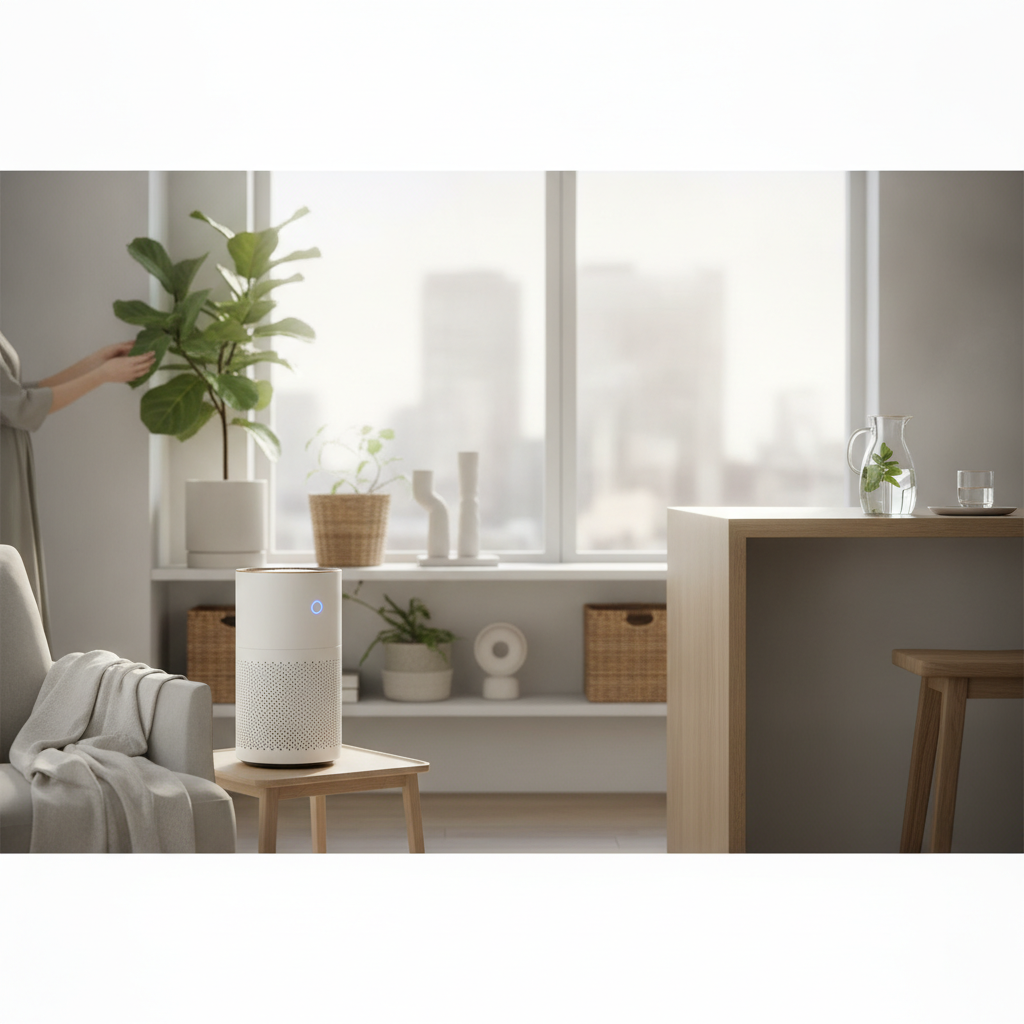
Selecting and Using Efficient Air Purifiers for Improved Indoor Air Quality
Discover how air purifiers can significantly enhance your home's indoor air quality. Learn about common pollutants, essential filtration technologies, and key factors for choosing the right device to create a healthier living environment.
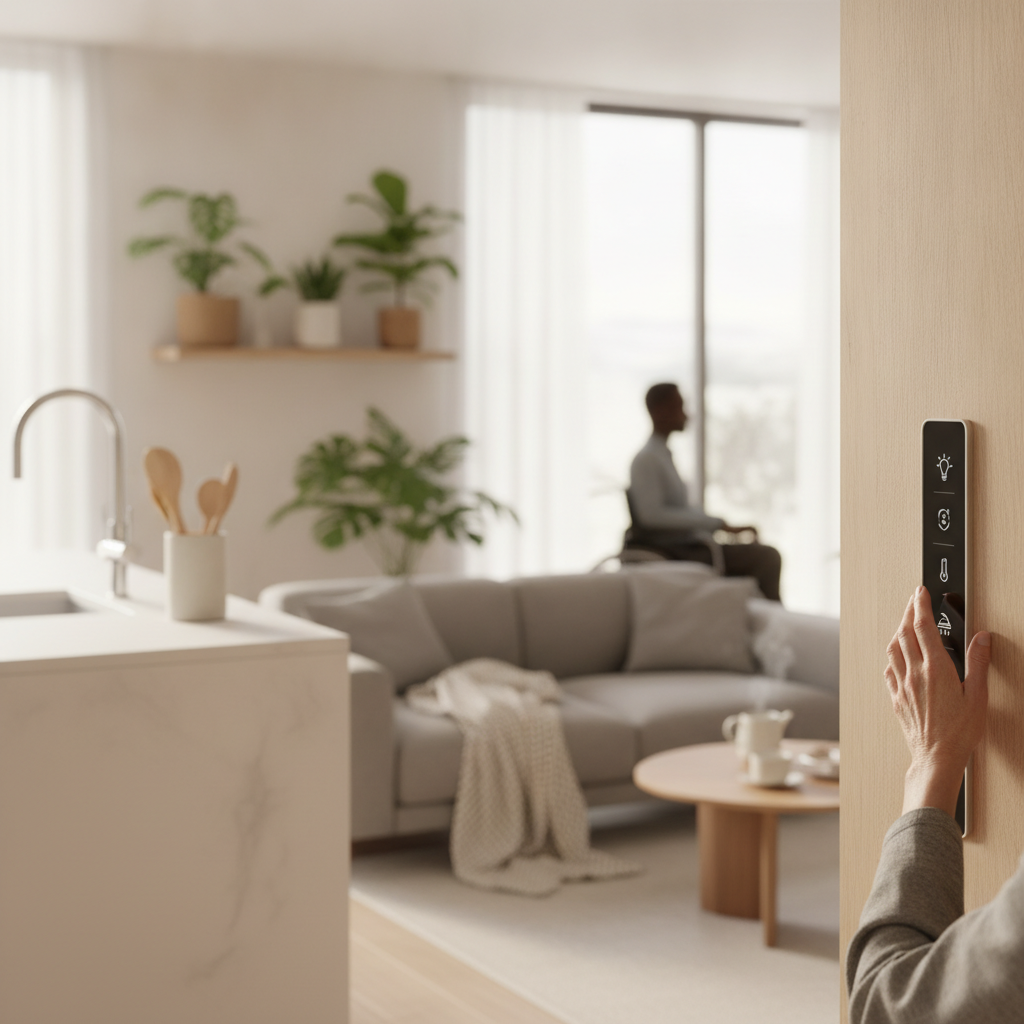
Smart Home Solutions for Enhanced Accessibility and Independent Living
Discover how smart home technology can significantly enhance accessibility and foster independent living for individuals of all abilities. Explore practical solutions for greater comfort, safety, and convenience in your daily routines.

Mastering Stain Removal: A Guide to Restoring Household Fabrics and Surfaces
Discover practical strategies for tackling common household stains on various fabrics and surfaces. This comprehensive guide provides actionable advice to help maintain the cleanliness and appearance of your home effectively.