
Deciphering Interior Design Styles: Essential Characteristics and Applications
The realm of interior design is a rich tapestry woven from diverse aesthetics, each offering a unique narrative for living spaces. Understanding these distinct styles is fundamental for anyone seeking to create a cohesive, functional, and aesthetically pleasing home environment. Beyond mere decoration, an interior design style encompasses a philosophy that dictates the choice of furniture, color palettes, materials, textures, and even the spatial arrangement within a room. This comprehensive guide aims to demystify the most prominent interior design styles, providing a clear exposition of their defining characteristics and offering practical insights into how these elements can be effectively applied to transform a house into a personalized sanctuary. By exploring the nuances of each style, individuals can cultivate a discerning eye, making informed decisions that align with their personal taste and functional needs, ultimately crafting spaces that resonate with comfort and beauty.
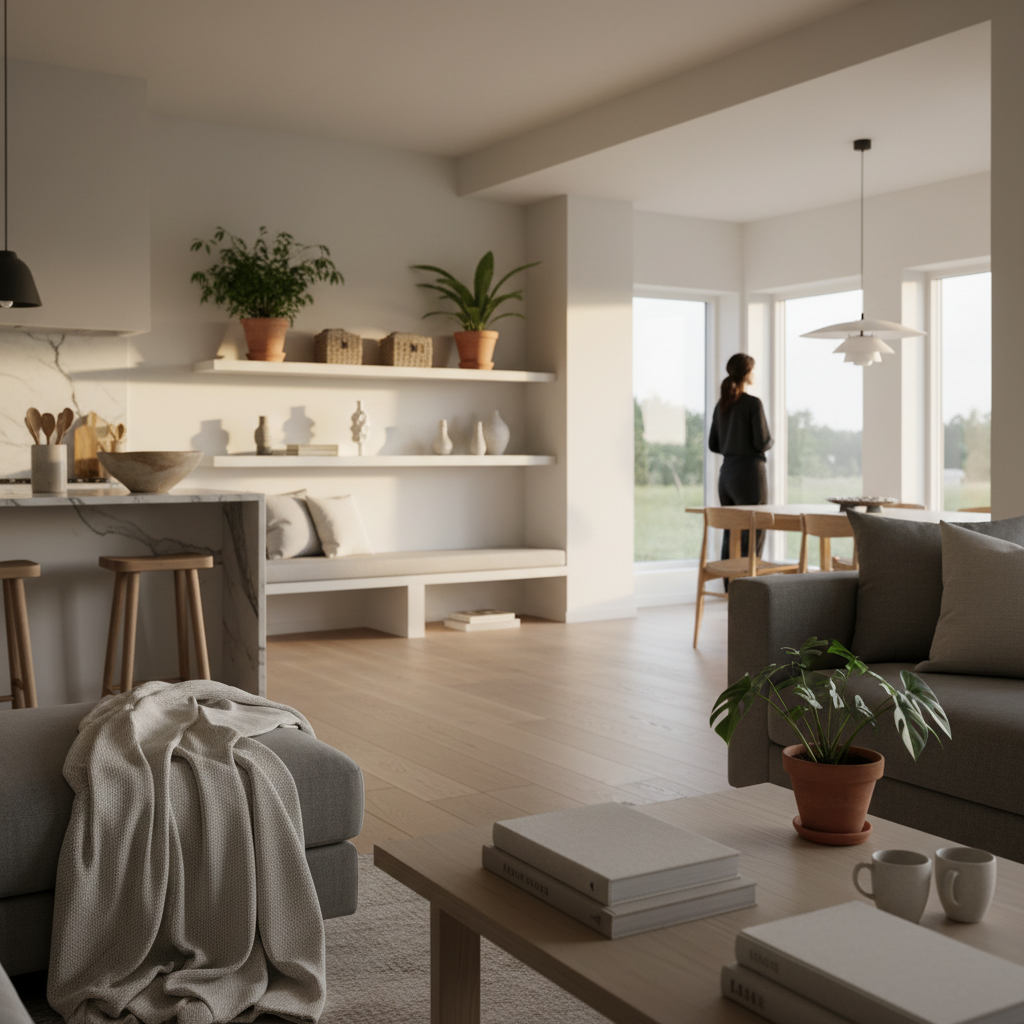
The Foundation of Interior Design Styles
Interior design styles emerge from historical periods, cultural influences, technological advancements, and shifts in societal values. They are not merely trends but rather established frameworks that guide the aesthetic development of a space. Each style possesses a distinct identity, expressed through a specific vocabulary of forms, finishes, and arrangements. Appreciating these foundations allows for a more intentional approach to design, moving beyond random selections to a curated vision.
Exploring Prominent Interior Design Styles
Modern
The Modern interior design style, emerging in the early to mid-20th century, is characterized by its clean lines, functional purpose, and a deliberate absence of ornate decoration. It embraces simplicity and order, often featuring a neutral color palette with occasional bold accents. Materials frequently include polished metals, glass, chrome, and unadorned wood, emphasizing sleek surfaces and geometric forms. Furniture in a modern setting is typically streamlined, elevated on legs, and designed for comfort without excessive bulk. The overall feel is one of spaciousness and understated elegance, prioritizing utility and a minimalist aesthetic.
Contemporary
Often confused with Modern, the Contemporary style is distinct in its fluidity and responsiveness to current trends. While it shares Modern's affinity for clean lines and open spaces, Contemporary design is less rigid and can incorporate a broader range of materials, textures, and curves. It frequently features a mix of old and new elements, bold architectural details, and a focus on luxurious comfort. Color palettes might lean into neutrals but are often punctuated by vibrant, on-trend hues. The style is dynamic, evolving, and reflective of present-day aesthetics, allowing for more personal expression and incorporating innovative materials and technologies.
Minimalist
Minimalism, a derivative of Modernism, takes the concept of "less is more" to its extreme. This style focuses on stripping away all non-essential elements to create a space that is serene, uncluttered, and highly functional. Color palettes are typically monochromatic, dominated by whites, grays, and blacks, with very subtle textural variations to add depth. Furniture is highly functional, often multi-purpose, and features simple, geometric forms. Storage is integrated and hidden to maintain clean surfaces. The emphasis is on quality over quantity, with each object serving a purpose and contributing to the overall sense of calm and spaciousness.
Scandinavian
Originating from the Nordic countries, Scandinavian design is renowned for its emphasis on functionality, simplicity, and natural light. It fosters a warm, inviting atmosphere, often referred to as "hygge." Key characteristics include light-colored wood (birch, pine, ash), white walls, and a muted color palette of grays, blues, and pastels. Natural materials like wool, cotton, and linen are prevalent, adding texture and comfort. Furniture is often minimalist, ergonomic, and highly practical. Large windows are left largely uncovered to maximize natural light, reflecting the long, dark winters of the region. The style creates bright, airy, and cozy spaces.
Industrial
The Industrial style draws inspiration from factories, warehouses, and urban lofts, celebrating raw, unfinished materials and utilitarian aesthetics. Exposed brick walls, concrete floors, visible ductwork, and structural beams are common features. The color palette typically consists of grays, browns, blacks, and whites, often accented by metallic tones. Furniture is robust and functional, often crafted from metal, distressed wood, and leather. Repurposed factory elements, vintage machinery, and Edison bulb lighting fixtures are frequently incorporated, creating a rugged yet sophisticated urban appeal.
Bohemian (Boho)
Bohemian design is an eclectic and free-spirited style characterized by a rich mix of patterns, textures, and global influences. It embraces a relaxed, unconventional atmosphere, often layering various elements from different cultures and eras. Key features include vibrant colors, handcrafted items, vintage furniture, and a profusion of textiles like macramé, rugs, and tapestries. Natural materials such as rattan, wicker, and wood are common, alongside an abundance of plants. Boho style encourages personalization, imperfection, and a sense of wanderlust, creating a comfortable and artistic environment that tells a story.
Farmhouse
The Farmhouse style evokes a sense of rustic charm, comfort, and nostalgia, reminiscent of traditional rural homes. It prioritizes practicality, durability, and a welcoming atmosphere. Key characteristics include distressed wood finishes, shiplap walls, oversized comfortable furniture, and vintage or antique accents. Color palettes are typically soft and neutral, featuring whites, creams, light grays, and natural wood tones, often with pops of subdued blues or greens. Materials like galvanized metal, cast iron, and natural fabrics (cotton, linen) are common. The style blends old-world charm with modern amenities, creating a cozy and inviting space.
Coastal/Hamptons
Coastal design, often associated with the Hamptons aesthetic, captures the serene and breezy feel of seaside living. It emphasizes light, airy spaces and a relaxed, casual elegance. The predominant color palette revolves around whites, creams, sandy beiges, and various shades of blue and green, evoking the ocean and sky. Natural materials such as rattan, wicker, linen, and weathered wood are frequently used for furniture and decor. Elements like seashells, coral, striped patterns, and maritime motifs are subtly incorporated. The goal is to create a bright, refreshing, and tranquil environment that feels like a permanent vacation.
Traditional
Traditional interior design is deeply rooted in classic European aesthetics, often drawing inspiration from 18th and 19th-century styles like Georgian, Victorian, or Neoclassical. It is characterized by formality, elegance, and order, featuring rich wood tones, ornate details, and symmetrical arrangements. Furniture is typically upholstered in luxurious fabrics like velvet or silk, with carved details and classic silhouettes. Color palettes are often deep and rich, including jewel tones, forest greens, and burgundy, alongside more muted neutrals. Traditional spaces feel grand, sophisticated, and timeless, emphasizing comfort and historical continuity.
Transitional
Transitional design strikes a balance between the classic elegance of Traditional style and the clean lines of Modern aesthetics. It offers a fresh interpretation of traditional forms, creating a sophisticated yet approachable look. This style often incorporates a neutral color palette (grays, beiges, creams) with occasional subtle pops of color. Furniture pieces feature simpler silhouettes than traditional styles but retain a sense of comfort and substantiality, often mixing wood and upholstered elements. Materials include polished wood, glass, and metal, often softened by plush fabrics. Transitional design provides a harmonious blend of old and new, offering versatility and timeless appeal without feeling overly formal or stark.
Identifying Your Preferred Style(s)
Understanding these distinct styles is merely the first step. The true art lies in recognizing which elements resonate most with individual preferences and practical needs. One effective method involves collecting visual inspiration through mood boards, either physical or digital, from magazines, websites, or social media platforms. Pay attention to recurring themes in colors, textures, furniture shapes, and overall ambiance. It is also common for individuals to be drawn to elements from multiple styles. Transitional design, by its very nature, encourages blending, but even other styles can be subtly combined to create a unique and personalized aesthetic, often referred to as eclectic. The key is to ensure that the chosen elements still contribute to a cohesive and harmonious environment, rather than a chaotic one.
Applying Design Principles Across Styles
Regardless of the chosen style or combination of styles, fundamental design principles remain crucial for creating a successful interior.
- Balance: Achieved through symmetrical or asymmetrical arrangements of furniture and decor to create visual equilibrium.
- Scale and Proportion: Ensuring that furniture and decor pieces are appropriately sized for the space and in relation to each other. An oversized sofa in a small room can overwhelm, just as tiny accents can get lost in a grand space.
- Rhythm and Repetition: Using repeating elements, colors, or textures to guide the eye through the room and create a sense of movement and continuity.
- Emphasis: Creating a focal point within a room, such as a fireplace, a piece of art, or a striking furniture item, to draw attention and anchor the design.
- Contrast: Incorporating differences in color, texture, shape, or size to add visual interest and prevent a space from appearing monotonous.
- Harmony and Unity: The overarching goal, where all elements work together cohesively to create a sense of completeness and a pleasant overall impression. This ensures that even when blending styles, the space feels thoughtfully curated.
The diverse world of interior design styles offers an expansive toolkit for shaping living environments. From the crisp simplicity of Minimalism to the rich narratives of Bohemian and Traditional aesthetics, each style provides a framework for expression. By understanding the defining characteristics of these prominent styles and applying core design principles, individuals can move beyond fleeting trends to cultivate spaces that are not only beautiful and functional but also deeply reflective of their personal comfort and aesthetic inclinations. The journey of deciphering these styles ultimately empowers homeowners to craft environments that truly feel like home, fostering well-being and personal connection.
More from home living
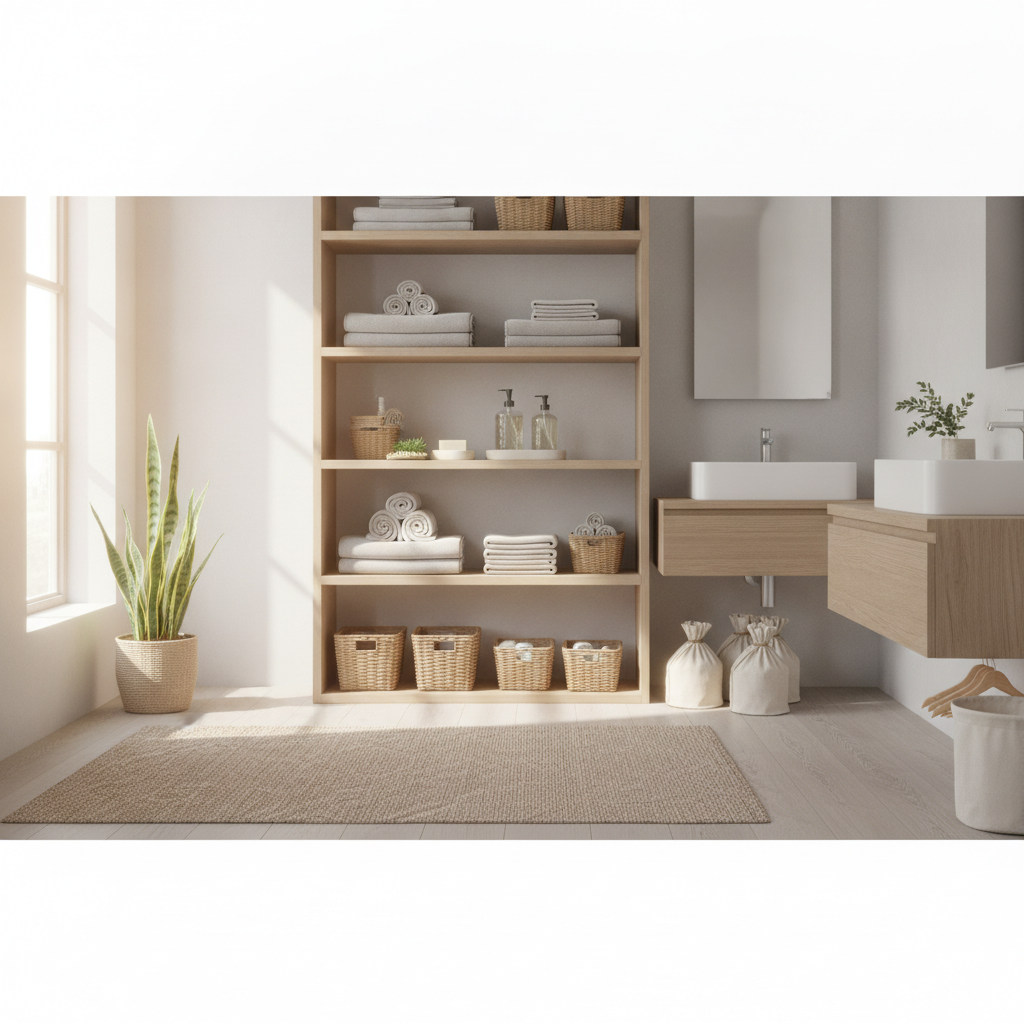
Smart Strategies for a Seamlessly Organized Bathroom Space
Transform your bathroom from cluttered chaos to a serene, functional space. Discover practical methods for organizing toiletries, linens, and cleaning supplies, enhancing daily routines and maintaining a tidy environment with ease.
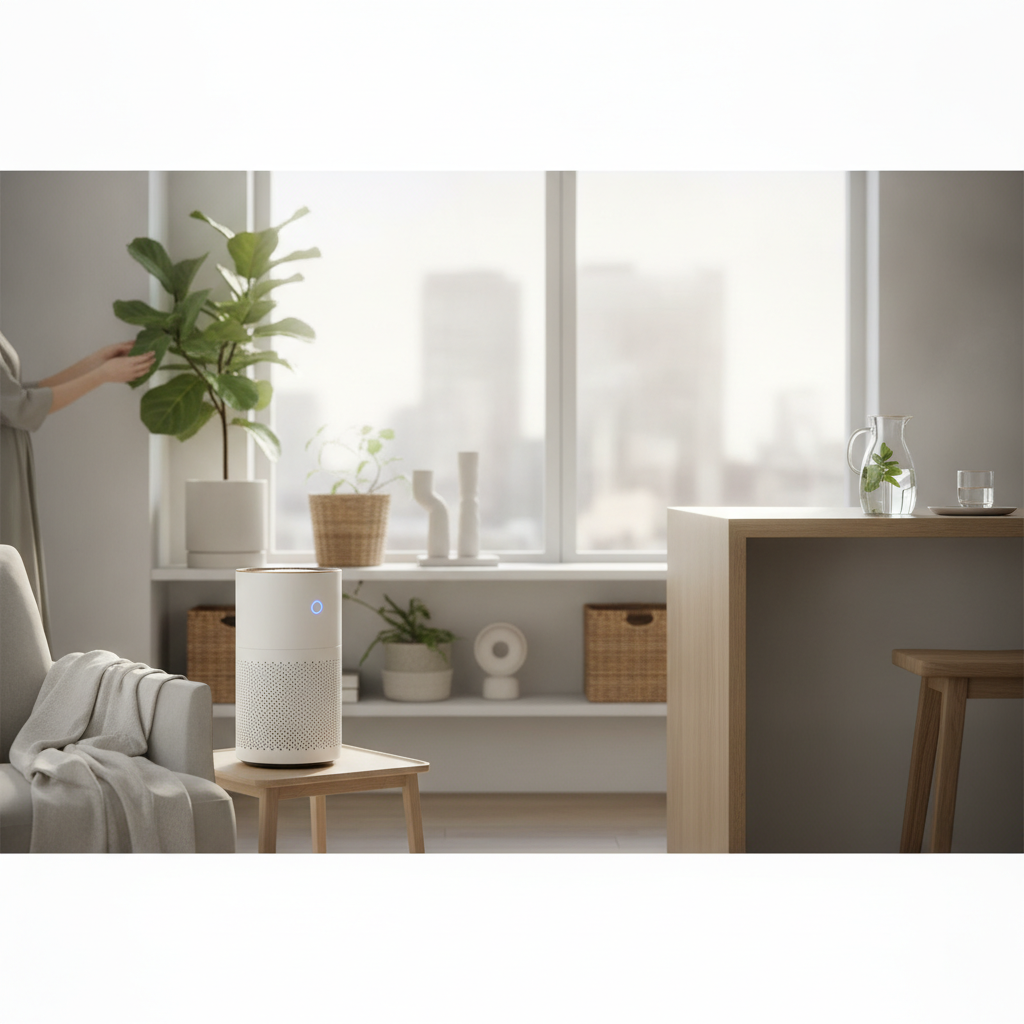
Selecting and Using Efficient Air Purifiers for Improved Indoor Air Quality
Discover how air purifiers can significantly enhance your home's indoor air quality. Learn about common pollutants, essential filtration technologies, and key factors for choosing the right device to create a healthier living environment.
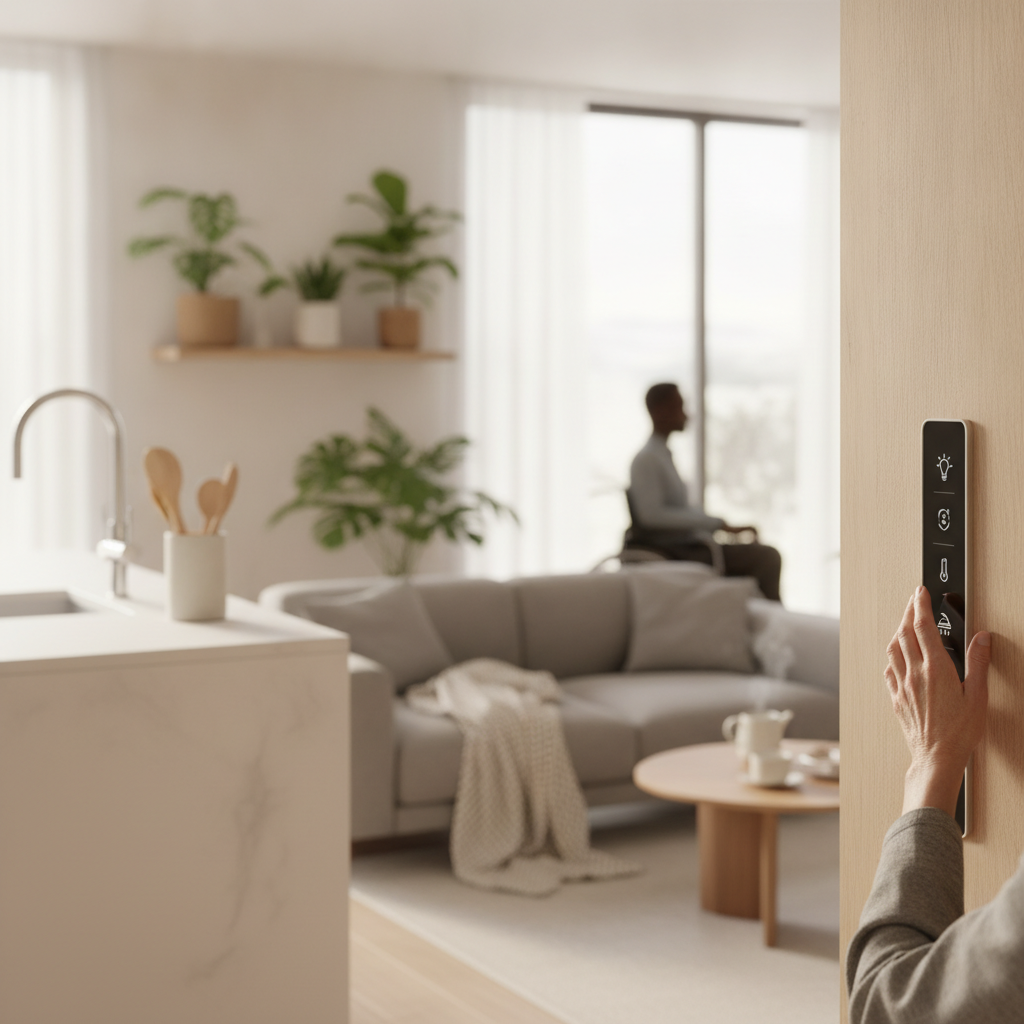
Smart Home Solutions for Enhanced Accessibility and Independent Living
Discover how smart home technology can significantly enhance accessibility and foster independent living for individuals of all abilities. Explore practical solutions for greater comfort, safety, and convenience in your daily routines.
Mastering Stain Removal: A Guide to Restoring Household Fabrics and Surfaces
Discover practical strategies for tackling common household stains on various fabrics and surfaces. This comprehensive guide provides actionable advice to help maintain the cleanliness and appearance of your home effectively.