
Effective Strategies for Organizing and Storing Household Linens
Household linens encompass a wide array of textile items essential to daily living within a residence. These include bed sheets, pillowcases, duvets, blankets, bath towels, hand towels, washcloths, tablecloths, napkins, kitchen towels, and various other fabric accessories. The systematic organization and proper storage of these items are fundamental for several reasons: they contribute significantly to the longevity and preservation of the textiles, ensure ease of access and retrieval when needed, and optimize the efficient utilization of available storage space, a particularly pertinent consideration in smaller living environments. This comprehensive approach to linen management transforms a potentially chaotic collection into an orderly system, fostering a more functional and aesthetically pleasing home environment. This article explores various methodologies and practical considerations for effectively organizing and storing household linens.
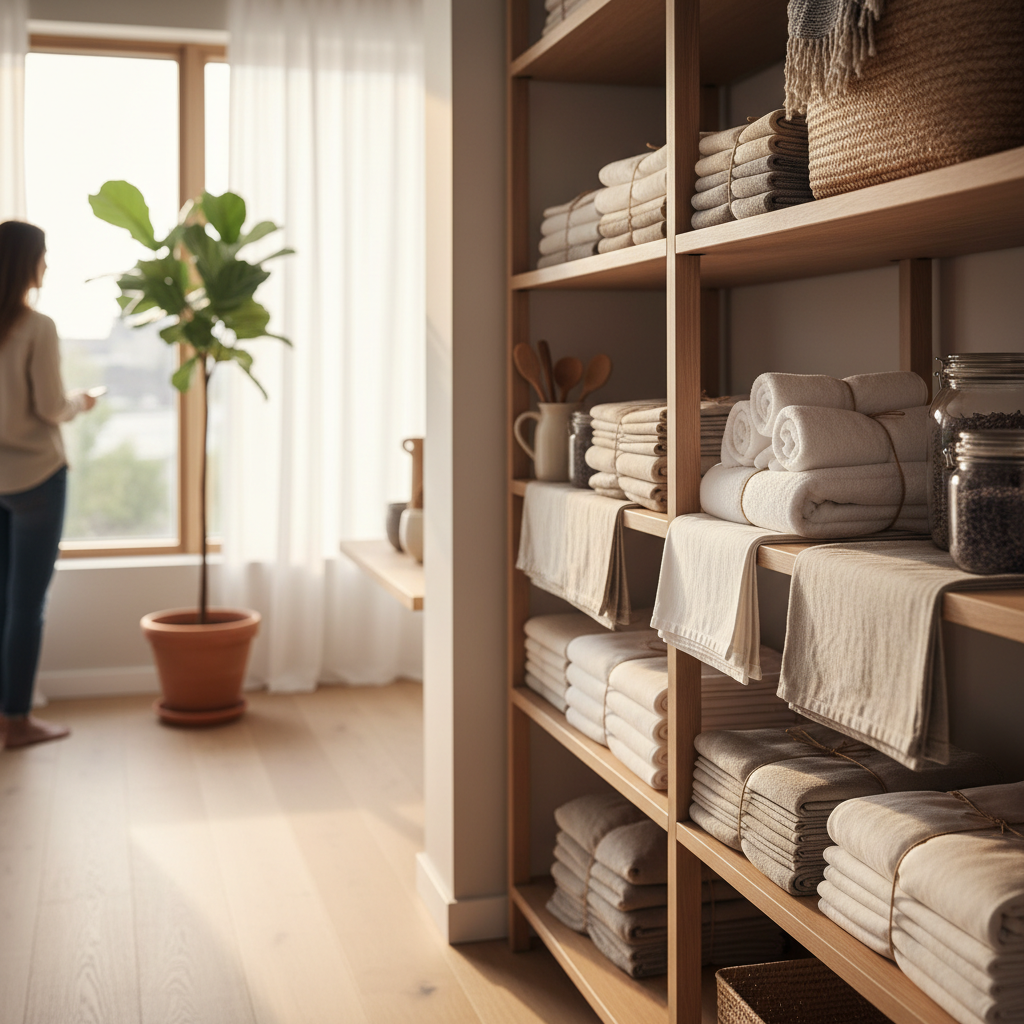
Understanding Different Types of Household Linens
Household linens are generally categorized by their primary function and location within a home. A clear understanding of these categories can inform organization strategies.
Bed Linens
Bed linens consist of sheets (flat and fitted), pillowcases, duvet covers, quilts, and blankets. These items vary widely in size, material, and thickness. Regular rotation and storage according to sets or seasonal use are common practices.
Bath Linens
Bath linens include bath towels, hand towels, washcloths, bath sheets, and bath mats. These textiles are typically designed for absorbency and are often stored near bathing areas. Organization often involves grouping by size, color, or individual user.
Table Linens
Table linens encompass tablecloths, placemats, cloth napkins, and table runners. These items are often used for dining occasions and may require specialized storage to prevent creases or damage to delicate fabrics or embroidered details.
Kitchen Linens
Kitchen linens include dish towels, tea towels, oven mitts, and pot holders. These are generally used for cleaning, drying, and handling hot items in the kitchen area. Their storage location is typically within the kitchen for convenience.
Core Principles of Linen Organization
Effective linen organization begins with a foundational set of principles that guide the process from assessment to ongoing maintenance.
Decluttering and Purging
The initial step involves evaluating the existing collection of linens. This process entails assessing the condition of each item, identifying duplicates, and determining if an item is still frequently used or required. Linens that are torn, stained beyond repair, excessively worn, or no longer serve a purpose can be designated for repurposing, donation, or disposal, depending on their state. Maintaining only the necessary quantity of linens prevents overcrowding and simplifies subsequent organization steps.
Washing and Preparation for Storage
Before any linen is stored, it is typically ensured that it is thoroughly clean and completely dry. Storing damp or soiled linens can lead to mildew, unpleasant odors, and textile damage. Following the care instructions specific to each fabric type is essential to maintain its quality and prolong its lifespan.
Folding and Stacking Techniques
Consistent folding methods are instrumental in maximizing storage space and presenting an orderly appearance. Techniques such as folding items into uniform rectangles or squares, and specific methods for fitted sheets, can significantly improve efficiency. Stacking similar items together also contributes to stability and ease of access.
Categorization and Grouping
Grouping linens by type, size, or intended use streamlines the retrieval process. For example, all bath towels might be stored together, or all queen-sized bed sheets. This categorization reduces the time spent searching for a specific item and helps to maintain order within the storage area.
Storage Solutions and Systems
Various storage solutions can be employed to effectively house household linens, each offering distinct advantages depending on the available space and type of linen.
Closet Shelving
Dedicated linen closets or sections of general closets with adjustable shelving provide a common and effective storage solution. Open shelves allow for easy visual access and airflow, which is beneficial for linen preservation. Adjustable shelves offer flexibility to accommodate items of varying heights.
Drawer Organizers
For smaller linens such as hand towels, washcloths, or napkins, drawer dividers or small bins within drawers can maintain order. This prevents items from shifting and becoming jumbled, ensuring that each piece has a designated place.
Under-Bed Storage
In residences with limited closet space, under-bed storage containers or drawers can be utilized for less frequently used or seasonal linens like extra blankets or guest bedding. Sealed containers can offer protection from dust and moisture.
Baskets and Bins
Decorative baskets or fabric bins can be used on shelves or in open storage units to contain smaller or less uniform items. They also provide an aesthetic element while keeping linens neatly organized and accessible.
Labeling
Labeling shelves, bins, or drawers with their contents can significantly enhance accessibility, especially when multiple types or sizes of linens are stored in close proximity. Labels can indicate items like “King Sheets,” “Guest Towels,” or “Tablecloths.”
Addressing Specific Linen Challenges
Certain situations present unique challenges in linen organization, requiring tailored approaches.
Small Spaces
For residences with limited storage capacity, vertical storage solutions can be beneficial. Stacking shelves, over-the-door organizers, or narrow rolling carts can create additional space. Compression bags, which remove air from bulkier items, are also an option for seasonal storage, though they may cause wrinkles in some fabrics.
Seasonal Linens
Linens used only during specific seasons, such as heavy winter blankets or festive holiday tablecloths, can be stored separately. Clear, breathable storage bags or containers in less accessible areas, such as the top shelves of a closet or in a designated storage unit, can protect them until needed. Ensuring they are thoroughly cleaned before long-term storage is crucial.
Delicate Linens
Delicate linens, including antique tablecloths, embroidered items, or those made from fine silks, require special care. Storing them flat and unfolded, if possible, or gently rolled can prevent creasing and stress on the fibers. Wrapping them in acid-free tissue paper or cotton sheets can protect them from dust and light, while allowing the fabric to breathe.
Maintenance and Rotation
Ongoing maintenance practices are important for preserving linens and the integrity of the organization system.
Regular Airing
Periodically airing out stored linens can help prevent musty odors and maintain freshness, particularly for items that are not used regularly. Ensuring good air circulation within storage areas is also beneficial.
Pest Deterrents
Natural pest deterrents, such as cedar blocks or lavender sachets, can be placed among linens. These options provide a pleasant scent while helping to protect textiles from common household pests. Direct contact between sachets and delicate fabrics may be avoided to prevent staining.
Rotation
Implementing a rotation system for frequently used linens helps to ensure even wear across all items in a set. This practice can extend the overall lifespan of the linen collection.
Environmental Considerations
Integrating sustainable practices into linen management can contribute to reducing environmental impact.
Extending Linen Lifespan
Proper care, cleaning, and storage methods directly contribute to extending the life of textiles. By maximizing the utility of each linen item, the frequency of replacements is reduced.
Responsible Disposal and Repurposing
When linens are no longer suitable for their original purpose, options for responsible disposal or repurposing can be considered. Items in good condition might be donated to charities. Severely worn items can be repurposed as cleaning rags or material for craft projects, minimizing waste.
More from home living
Smart Strategies for a Seamlessly Organized Bathroom Space
Transform your bathroom from cluttered chaos to a serene, functional space. Discover practical methods for organizing toiletries, linens, and cleaning supplies, enhancing daily routines and maintaining a tidy environment with ease.
Selecting and Using Efficient Air Purifiers for Improved Indoor Air Quality
Discover how air purifiers can significantly enhance your home's indoor air quality. Learn about common pollutants, essential filtration technologies, and key factors for choosing the right device to create a healthier living environment.

Smart Home Solutions for Enhanced Accessibility and Independent Living
Discover how smart home technology can significantly enhance accessibility and foster independent living for individuals of all abilities. Explore practical solutions for greater comfort, safety, and convenience in your daily routines.
Mastering Stain Removal: A Guide to Restoring Household Fabrics and Surfaces
Discover practical strategies for tackling common household stains on various fabrics and surfaces. This comprehensive guide provides actionable advice to help maintain the cleanliness and appearance of your home effectively.