
Principles of Effective Lighting Design in Residential Interiors
Effective lighting design in residential interiors is a multifaceted discipline that extends beyond merely illuminating a space; it fundamentally shapes the perception, functionality, and emotional atmosphere of a home. A well-considered lighting plan integrates diverse light sources and fixture types to support daily activities, highlight architectural features, and cultivate a desired mood. This systematic approach recognizes that light influences how colors are perceived, how textures are emphasized, and how comfortably occupants engage with their surroundings. Understanding the principles of lighting design allows for the creation of spaces that are both practical and aesthetically engaging, ensuring that each area of the home serves its intended purpose while contributing to an overarching design narrative.
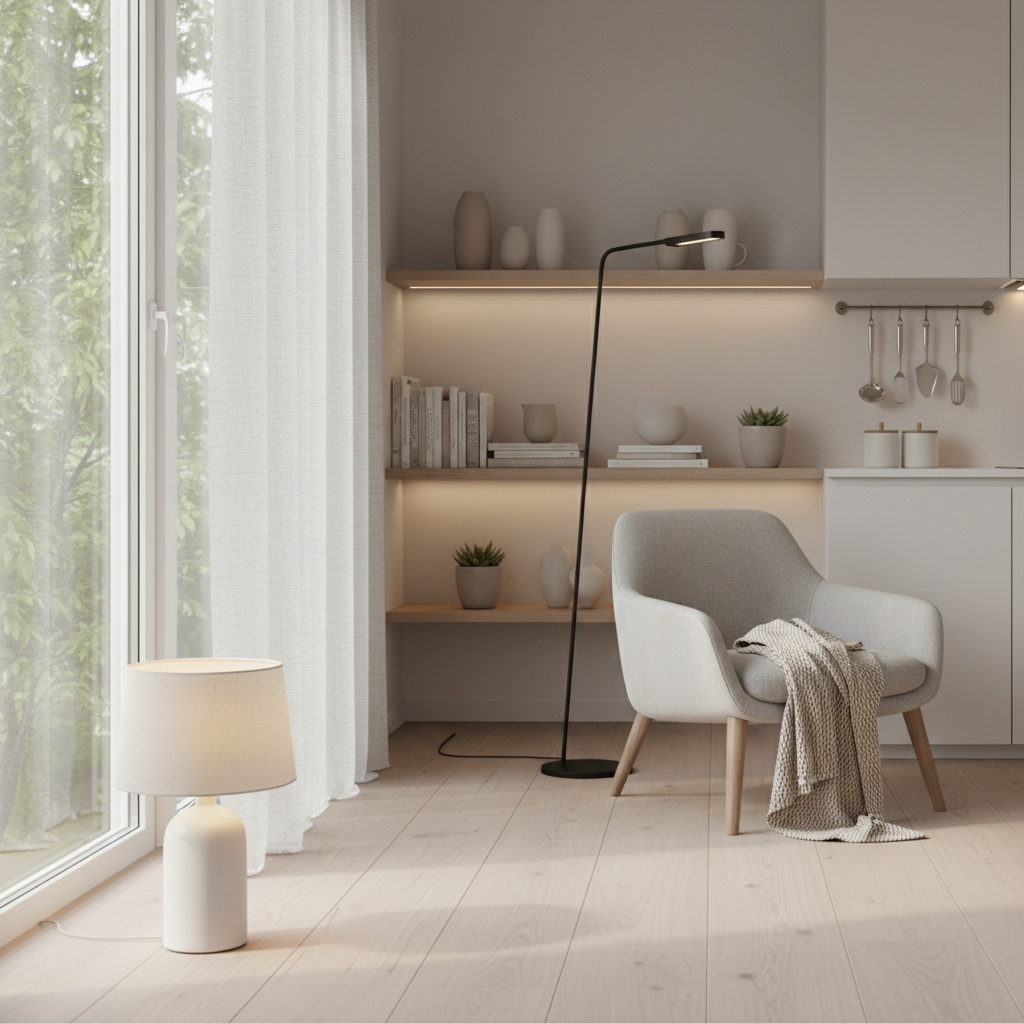
The Foundational Layers of Residential Lighting
Residential lighting design typically incorporates three primary layers, each serving a distinct purpose in creating a comprehensive and balanced illumination scheme. These layers—ambient, task, and accent lighting—work in conjunction to provide both general illumination and specific focal points, contributing to the overall functionality and aesthetic of an interior space.
Ambient Lighting
Ambient lighting, often referred to as general lighting, provides a uniform level of illumination throughout a room. Its primary function is to ensure basic visibility and create a comfortable overall brightness, preventing stark shadows and glare. This foundational layer allows for safe movement and general activities within the space. Common fixtures that contribute to ambient lighting include recessed lights, flush-mount or semi-flush mount fixtures, chandeliers, and ceiling fans with integrated lights. The placement and intensity of ambient lighting are crucial for establishing the initial impression of a room's brightness and spaciousness.
Task Lighting
Task lighting is specifically designed to provide focused illumination for particular activities that require concentrated light, such as reading, cooking, working, or grooming. This layer aims to reduce eye strain and enhance performance by directing light precisely where it is needed, often at a higher intensity than ambient light. Examples of task lighting fixtures include desk lamps, under-cabinet lights in kitchens, vanity lights in bathrooms, and reading lamps beside chairs or beds. Effective task lighting prevents shadows from the user's body or hands, ensuring optimal visibility for the activity at hand.
Accent Lighting
Accent lighting serves to draw attention to specific architectural features, artwork, plants, or decorative objects within a space. This layer creates visual interest and depth by highlighting elements and adding drama. Accent lighting is typically three times brighter than the ambient light in the surrounding area to achieve its highlighting effect. Fixtures used for accent lighting include spotlights, track lighting, picture lights, wall washers, and recessed adjustable fixtures. Strategic use of accent lighting can define pathways, emphasize textures, and enhance the overall aesthetic appeal of a room by creating focal points.
Key Considerations in Lighting Design
Effective lighting design involves more than just selecting fixtures; it requires a thoughtful approach to several interconnected factors that influence the quality and impact of light within a residential setting.
Functionality and Purpose
Each room in a home serves a unique purpose, and its lighting design should reflect this functionality. A kitchen requires bright, shadow-free task lighting for food preparation, while a bedroom may benefit from softer, more adjustable ambient lighting for relaxation, complemented by specific task lighting for reading. Understanding the primary activities in each space guides the selection and placement of lighting types.
Aesthetics and Mood
Lighting plays a significant role in establishing the mood and aesthetic of a room. Warm, dim light can create a cozy and inviting atmosphere, while bright, cool light may evoke a sense of energy and alertness. The style and finish of lighting fixtures also contribute to the overall decor, acting as decorative elements themselves. Cohesion between the lighting design and the room's interior design style is important for a harmonious environment.
Color Temperature
Color temperature, measured in Kelvin (K), describes the perceived warmth or coolness of a light source. Lower Kelvin values (e.g., 2700K-3000K) produce warm white light, often described as yellowish, similar to incandescent bulbs. Higher Kelvin values (e.g., 4000K-5000K) produce cool white or daylight-like light, appearing bluer. The chosen color temperature influences the perceived colors of surfaces and objects and can significantly impact the mood of a room. Warm light is often preferred for living areas and bedrooms to promote relaxation, while cooler light may be suitable for task-oriented spaces like offices or kitchens.
Brightness and Lumens
Brightness, or light output, is measured in lumens. Understanding appropriate lumen levels for different rooms and tasks is crucial for preventing under-illumination or over-illumination. A room that is too dim can feel unwelcoming, while one that is too bright can cause discomfort and glare. Modern LED lighting offers a wide range of lumen outputs, allowing for precise control over brightness levels.
Control Mechanisms
The ability to control lighting is fundamental to flexible and adaptable residential design. Dimmers allow for adjustable brightness, enabling occupants to change the mood of a room with ease. Separate switches for different lighting layers provide greater flexibility, allowing ambient, task, and accent lights to be used independently or in combination. Smart lighting systems offer advanced control options, including scheduling, remote operation, and integration with other home automation features, further enhancing convenience and customization.
Energy Efficiency
Energy-efficient lighting solutions contribute to reduced electricity consumption and environmental impact. LED (Light Emitting Diode) technology has become a standard in residential lighting due to its long lifespan, low energy use, and versatile design options. Incorporating energy-efficient practices, such as utilizing natural light where possible and employing smart controls, further optimizes energy use.
Placement and Layout
The strategic placement of lighting fixtures is critical to their effectiveness. Proper layout ensures even light distribution, minimizes shadows, and highlights desired features. For example, in kitchens, under-cabinet lighting is placed to illuminate countertops, while in bathrooms, fixtures are often placed at eye level on either side of a mirror to provide even illumination for grooming. Consideration of furniture placement and room dimensions informs the optimal positioning of all light sources.
Types of Lighting Fixtures and Their Applications
Various types of lighting fixtures are available, each suited for different functions and aesthetic preferences within residential spaces.
Recessed Lighting
Recessed lights are installed directly into the ceiling, providing a clean, unobtrusive look. They are versatile and can be used for ambient, task, or accent lighting, depending on their beam spread and adjustability. Often used in kitchens, hallways, and living rooms, they offer general illumination without visible fixtures protruding from the ceiling.
Track Lighting
Track lighting consists of multiple light heads mounted on a track, allowing for adjustable positioning and direction. This flexibility makes it suitable for accentuating artwork, providing task lighting, or offering general ambient light in areas where flexibility is desired, such as home offices or galleries.
Pendant Lights
Pendant lights hang from the ceiling by a rod or chain, often featuring decorative shades. They serve as both functional light sources and decorative elements. Commonly used over kitchen islands, dining tables, or as accent lighting in entryways, they can provide task lighting or ambient illumination depending on their design and placement.
Chandeliers
A chandelier is a decorative light fixture that hangs from the ceiling, often featuring multiple light sources and intricate designs. Primarily used for ambient lighting in dining rooms, living rooms, and entryways, chandeliers serve as a central decorative feature, adding elegance and grandeur to a space.
Floor Lamps and Table Lamps
Portable lamps, including floor lamps and table lamps, offer flexible lighting solutions. Floor lamps can provide ambient or task lighting for reading areas, while table lamps are essential for task lighting on desks or side tables and contribute to ambient light and mood. Their portability allows for easy rearrangement and adaptation to changing needs.
Wall Sconces
Wall sconces are fixtures mounted to the wall, casting light upwards, downwards, or both. They are often used for accent lighting in hallways, bedrooms, or dining rooms, providing soft ambient light or highlighting wall textures. Sconces contribute to a layered lighting scheme and can enhance architectural details.
Under-cabinet Lighting
Installed beneath wall-mounted cabinets, typically in kitchens or workspaces, under-cabinet lighting provides targeted task illumination for countertops. This reduces shadows created by overhead ambient lights, improving visibility for food preparation or other detailed tasks.
Integrating Natural Light
While artificial lighting is critical, effective residential lighting design also acknowledges and complements natural light sources. Windows, skylights, and glass doors provide daylight, which can significantly reduce the need for artificial illumination during daytime hours. Strategic placement of artificial lights ensures that they seamlessly transition with natural light, providing consistent brightness and mood as day turns to night. Maximizing natural light through window treatments that allow light filtration and thoughtful room layouts can enhance energy efficiency and overall well-being within the home.
Conclusion
Residential lighting design is a complex yet rewarding aspect of interior planning that profoundly impacts the comfort, utility, and aesthetic appeal of a home. By understanding the three fundamental layers of lighting—ambient, task, and accent—and considering key factors such as functionality, mood, color temperature, and control, a comprehensive and adaptive lighting scheme can be created. The strategic selection and placement of various fixture types, combined with an appreciation for natural light, allow for the transformation of spaces into environments that are both highly functional and visually captivating. A well-designed lighting plan elevates the living experience, contributing to a truly integrated and harmonious home.
More from home living
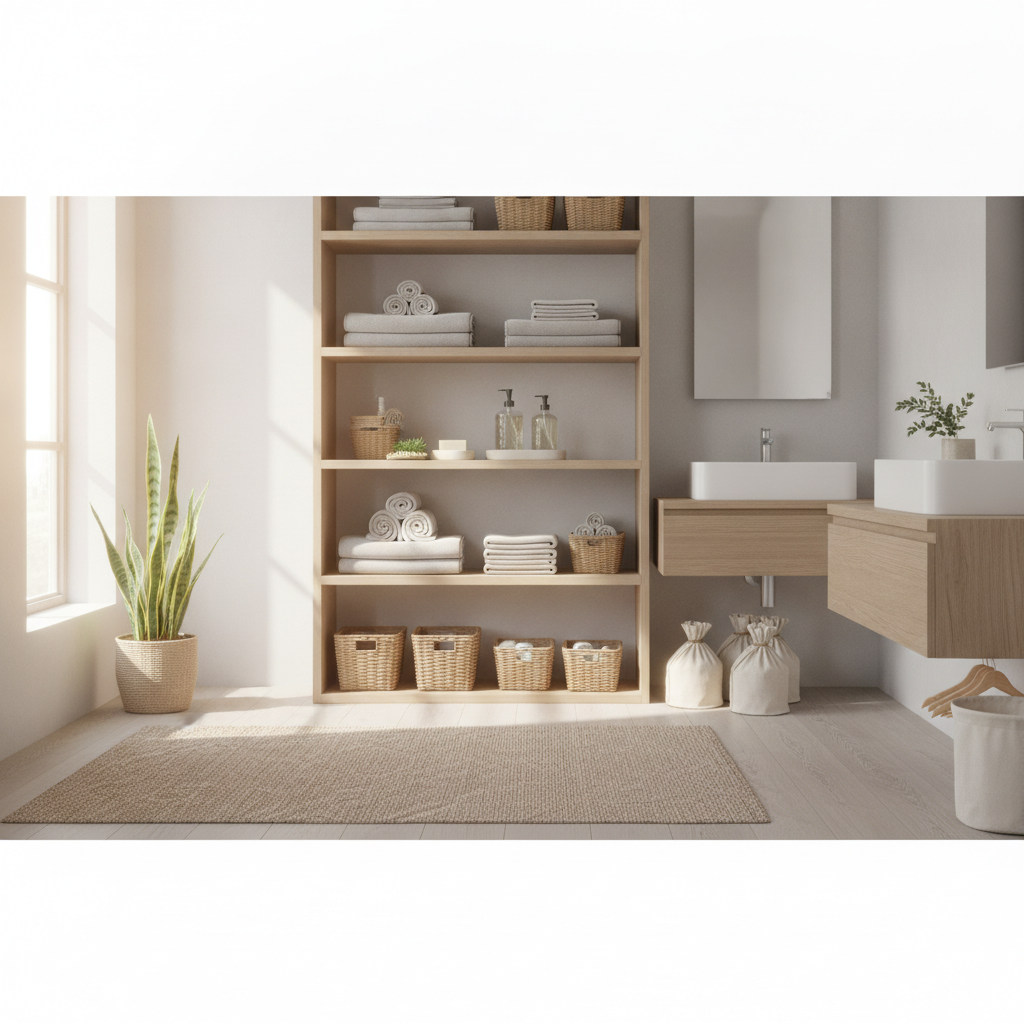
Smart Strategies for a Seamlessly Organized Bathroom Space
Transform your bathroom from cluttered chaos to a serene, functional space. Discover practical methods for organizing toiletries, linens, and cleaning supplies, enhancing daily routines and maintaining a tidy environment with ease.
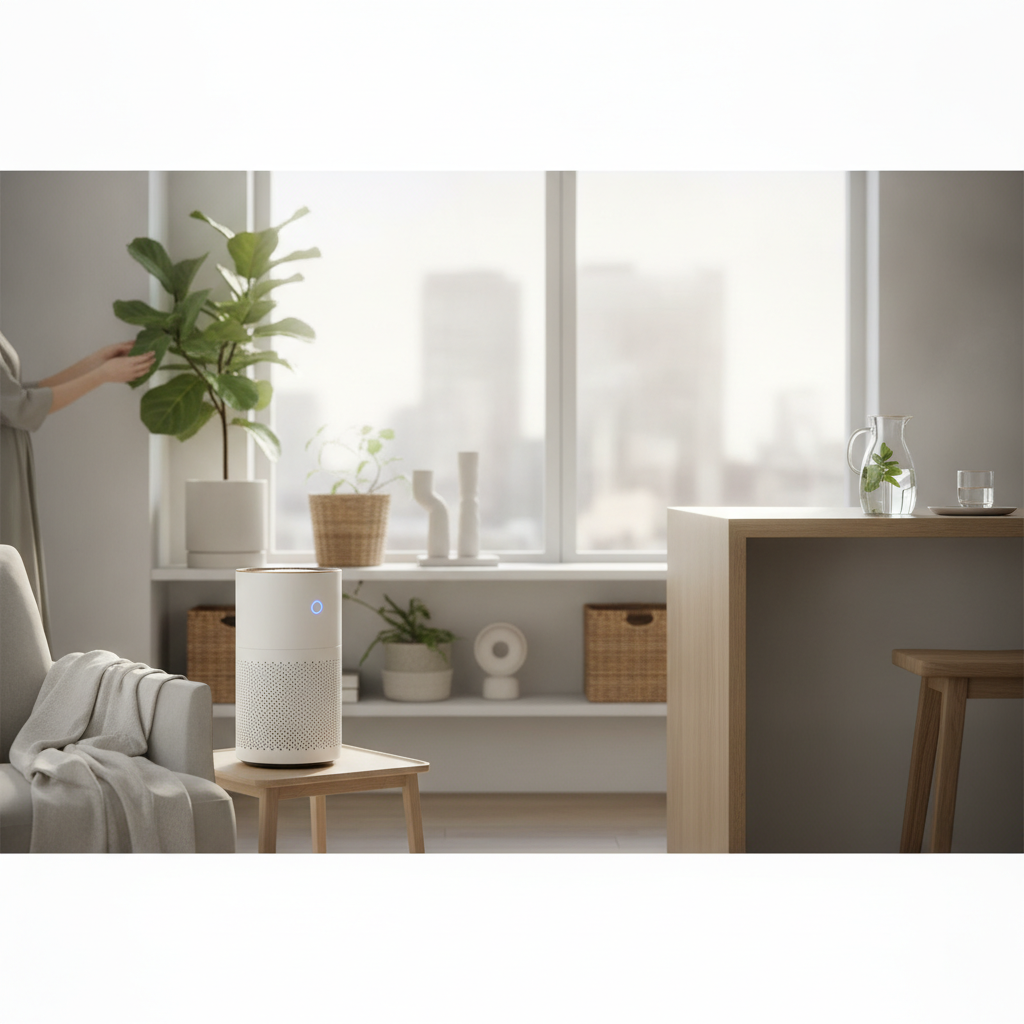
Selecting and Using Efficient Air Purifiers for Improved Indoor Air Quality
Discover how air purifiers can significantly enhance your home's indoor air quality. Learn about common pollutants, essential filtration technologies, and key factors for choosing the right device to create a healthier living environment.
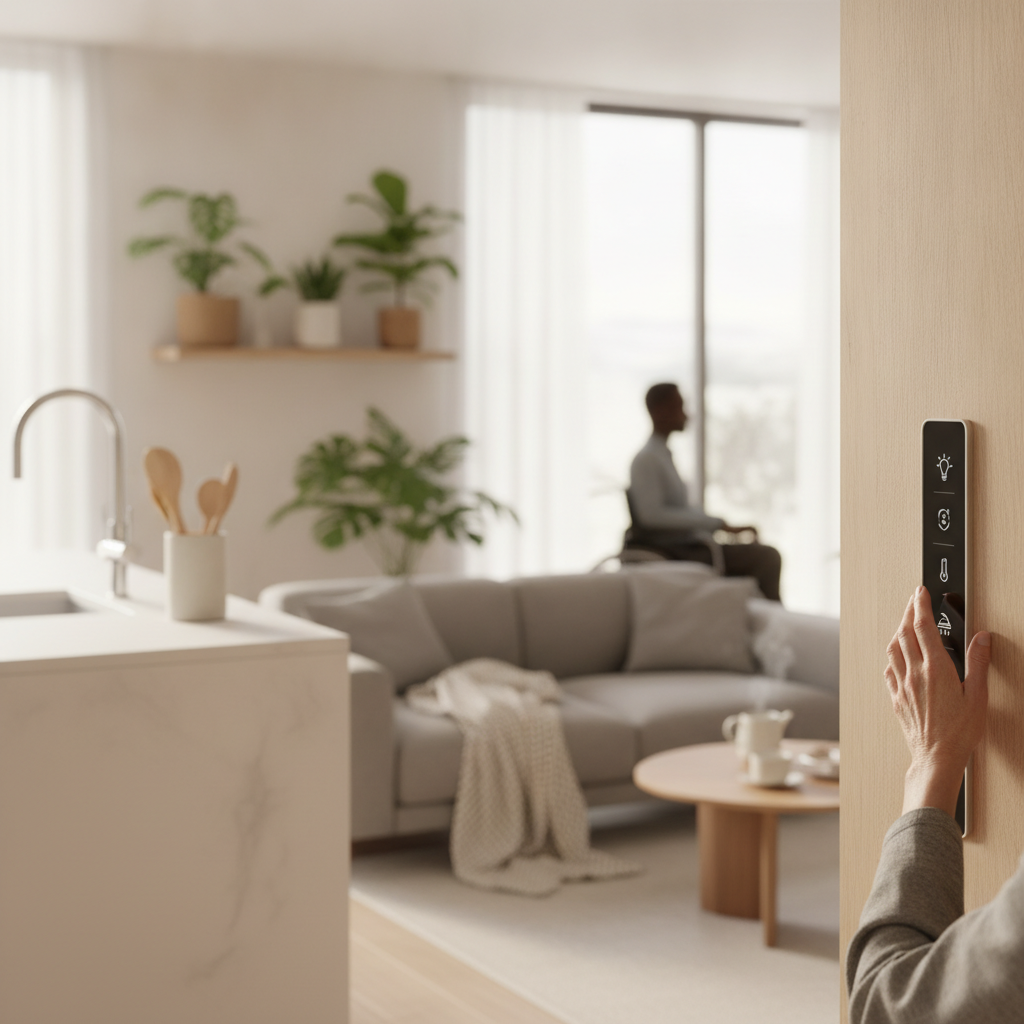
Smart Home Solutions for Enhanced Accessibility and Independent Living
Discover how smart home technology can significantly enhance accessibility and foster independent living for individuals of all abilities. Explore practical solutions for greater comfort, safety, and convenience in your daily routines.

Mastering Stain Removal: A Guide to Restoring Household Fabrics and Surfaces
Discover practical strategies for tackling common household stains on various fabrics and surfaces. This comprehensive guide provides actionable advice to help maintain the cleanliness and appearance of your home effectively.