
Exploring the Impact of Textiles on Interior Design Aesthetics
Textiles serve as foundational components within interior design, contributing significantly to both the aesthetic and sensory experience of a living space. Their influence extends beyond mere surface decoration, encompassing texture, color, and pattern to shape the overall atmosphere and character of a room. From the soft drape of curtains to the intricate weave of a rug, textiles interact with light, absorb sound, and introduce tactile qualities that define comfort and visual interest. Understanding the diverse applications and characteristics of various textile types provides insight into how these elements are utilized to achieve specific design objectives, from establishing a cohesive color scheme to enhancing thermal insulation and acoustic properties within residential environments.
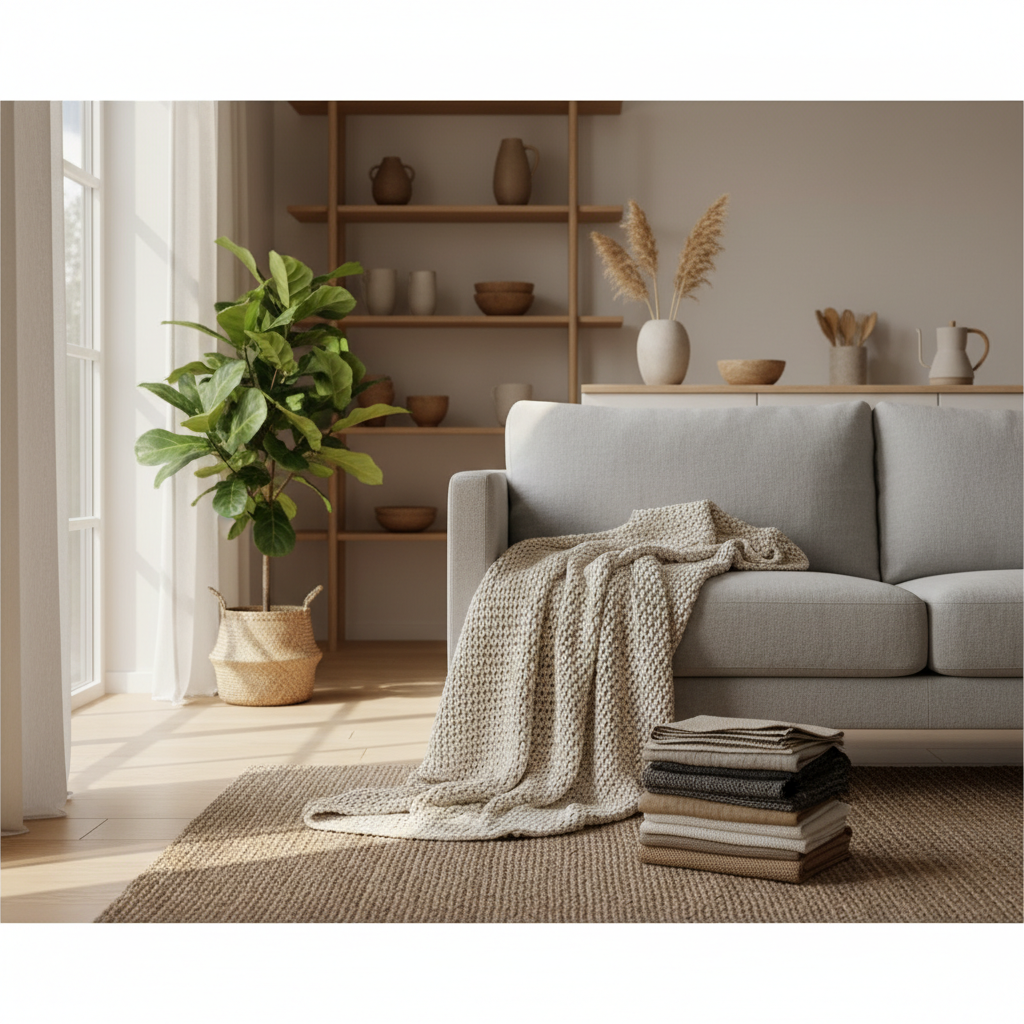
Understanding Textile Categories in Home Environments
Textiles in interior design are broadly categorized by their application and function, each type contributing unique properties to a space. These categories include soft furnishings, floor coverings, upholstery fabrics, and decorative textiles.
Soft Furnishings
Soft furnishings encompass items such as curtains, blinds, cushions, throws, and bedding. These elements are primarily chosen for their ability to add comfort, visual softness, and accent colors or patterns to a room. Curtains and blinds offer light control, privacy, and insulation, while also framing windows and contributing to the vertical dimension of a design. Cushions and throws provide opportunities to introduce layers of texture and color, enhancing the inviting nature of seating areas and beds. The selection of fabrics for soft furnishings often considers drape, durability, and ease of maintenance, depending on the specific item's purpose and placement.
Floor Coverings
Floor coverings, notably rugs and carpets, play a crucial role in defining spatial zones, adding warmth, and improving acoustics within a room. Area rugs can delineate conversation areas in an open-plan layout or anchor furniture arrangements, while carpets provide wall-to-wall comfort and sound absorption. The material, pile height, and weave of a rug or carpet influence its texture, durability, and insulative properties. Patterns and colors in floor coverings can introduce a central design theme or complement existing decor elements, adding depth and visual interest from the ground up.
Upholstery Fabrics
Upholstery fabrics are specialized textiles used to cover furniture, such as sofas, chairs, and ottomans. The selection of upholstery fabric is critical, balancing aesthetic appeal with functional requirements like durability, resistance to wear, and ease of cleaning. Fabric choices range from natural fibers like cotton, linen, and wool to synthetic options such as polyester and nylon, each offering distinct textures, finishes, and performance characteristics. The tactile quality of upholstery fabric directly influences the comfort level of a piece of furniture, while its color and pattern contribute significantly to the furniture's visual integration within the overall interior scheme.
Wall Hangings and Decorative Textiles
Beyond functional uses, textiles are also employed purely for decorative purposes, such as wall hangings, tapestries, and fabric art. These elements serve as focal points, adding artistic expression, texture, and color to vertical surfaces. They can introduce cultural motifs, intricate patterns, or abstract designs, contributing to the narrative and personality of a space. The use of decorative textiles allows for unique expressions of style, often providing a softer alternative to traditional artwork or painted surfaces.
The Influence of Texture
Texture, in the context of textiles, refers to the tactile and visual quality of a fabric's surface. It is a fundamental element that adds depth, interest, and a sensory dimension to interior spaces. Visual texture describes how a fabric appears to the eye, even without physical contact, while tactile texture is the sensation perceived upon touch. Incorporating a variety of textures within a single room creates a layered and sophisticated feel. For example, the rough weave of linen can contrast with the smooth sheen of silk or the plush pile of velvet. Chunky knits on throws can add a sense of cozy warmth, while finely woven cotton offers a crisp, clean aesthetic. Varying textures not only engage multiple senses but also prevent a space from appearing flat or monotonous, contributing to a richer, more dynamic environment.
Harnessing the Power of Color
The color of textiles exerts a profound influence on the mood and perception of a room. Warm tones, such as reds, oranges, and yellows, tend to evoke feelings of energy and comfort, often making a space feel more intimate. Conversely, cool tones like blues, greens, and purples can create a sense of calm and expansiveness, making a room appear larger and more serene. Textile colors can be strategically used to establish a room's primary color palette, introduce accent hues, or unify disparate elements. A cohesive design often involves repeating certain colors across different textile applications, while contrasting colors can be employed to create visual tension or highlight specific features. The saturation and brightness of textile colors also play a role, with muted shades promoting tranquility and vibrant hues injecting vitality.
Integrating Patterns and Motifs
Patterns and motifs on textiles introduce visual complexity, rhythm, and character into interior spaces. These designs can range from classic geometric shapes and intricate floral patterns to abstract forms and culturally inspired motifs. The strategic integration of patterns allows for the creation of focal points, the enhancement of thematic elements, and the addition of personality to a room. When mixing patterns, considerations typically include varying scales, ensuring a harmonious color palette, and maintaining a coherent style to avoid visual clutter. A large-scale pattern on a rug can be complemented by smaller, subtler patterns on cushions, all tied together by a common color thread. Patterns can also evoke specific eras or design styles, contributing to the overall narrative of the interior.
Functional Aspects of Textiles
Beyond their aesthetic contributions, textiles offer several practical benefits in home environments. Heavy drapes and thick carpets, for instance, contribute to thermal insulation, helping to regulate indoor temperatures and potentially reduce energy consumption. Similarly, dense fabrics and floor coverings are effective in acoustic dampening, absorbing sound waves and reducing echo within a room, thereby enhancing comfort and tranquility. The durability of textile materials is a key functional consideration, particularly for upholstery and floor coverings in high-traffic areas. Furthermore, different fabrics offer varying degrees of light control, from sheer curtains that diffuse sunlight to blackout blinds that provide complete darkness, catering to specific needs for privacy and ambiance.
Selecting Textiles for Different Spaces
The selection of textiles for a given space is often influenced by its intended use, environmental conditions, and the desired aesthetic. For high-traffic areas like living rooms or hallways, durable and easily maintainable fabrics are generally preferred. Materials with tight weaves and synthetic blends often offer enhanced resistance to wear and stains. In contrast, bedrooms or formal living areas may accommodate more delicate fabrics that prioritize softness, luxury, or intricate detailing. Environmental factors such as direct sunlight exposure can necessitate fade-resistant fabrics for curtains and upholstery. Similarly, spaces prone to moisture, such as bathrooms, require textiles that can withstand humidity and prevent mildew. Understanding the inherent properties of various materials, including natural fibers like cotton, linen, wool, and silk, versus synthetic alternatives such as polyester and rayon, informs appropriate selection for longevity and performance.
Textiles are indispensable elements in interior design, providing a comprehensive means to shape the character, comfort, and functionality of residential spaces. Through their diverse applications in soft furnishings, floor coverings, upholstery, and decorative accents, textiles contribute texture, color, and pattern, transforming environments into coherent and inviting settings. Their ability to influence sensory experiences, visual aesthetics, and practical aspects like insulation and acoustics underscores their multifaceted importance in crafting thoughtful and engaging interiors.
More from home living
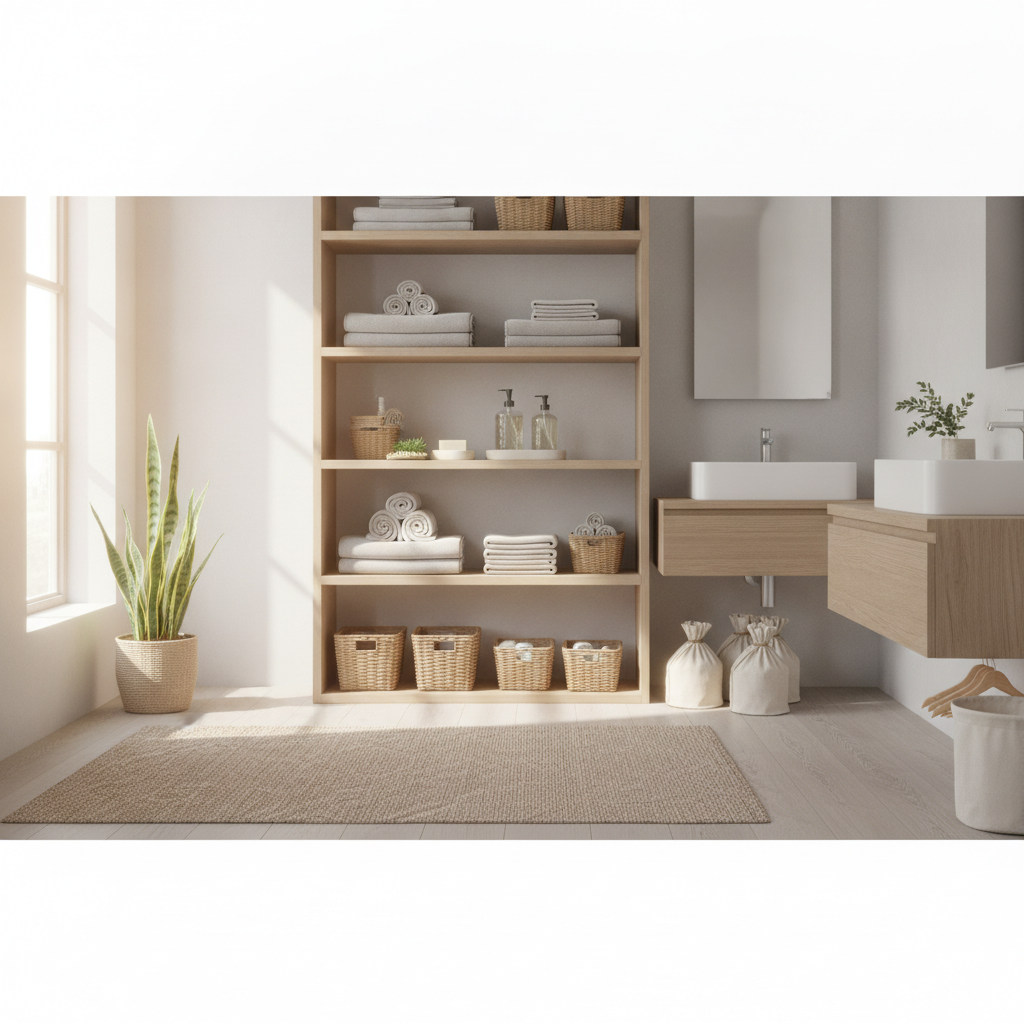
Smart Strategies for a Seamlessly Organized Bathroom Space
Transform your bathroom from cluttered chaos to a serene, functional space. Discover practical methods for organizing toiletries, linens, and cleaning supplies, enhancing daily routines and maintaining a tidy environment with ease.
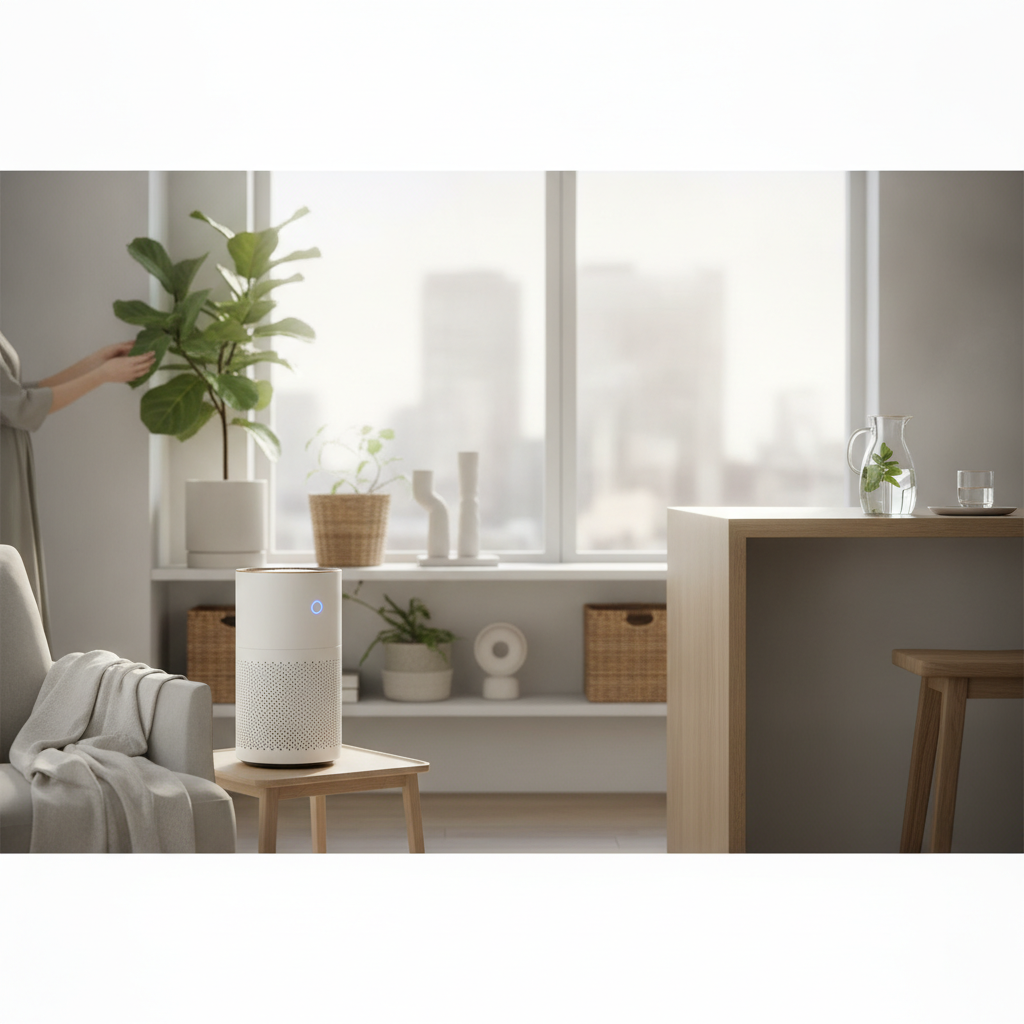
Selecting and Using Efficient Air Purifiers for Improved Indoor Air Quality
Discover how air purifiers can significantly enhance your home's indoor air quality. Learn about common pollutants, essential filtration technologies, and key factors for choosing the right device to create a healthier living environment.
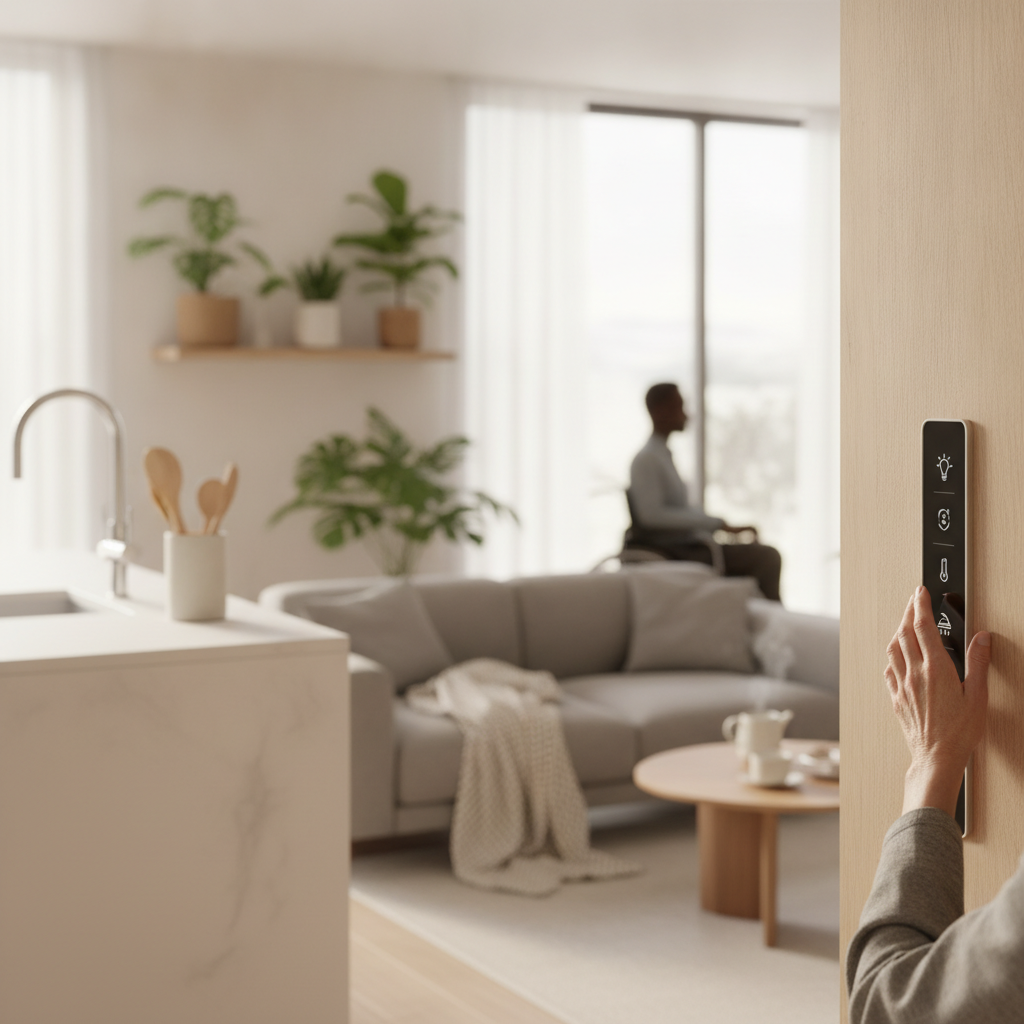
Smart Home Solutions for Enhanced Accessibility and Independent Living
Discover how smart home technology can significantly enhance accessibility and foster independent living for individuals of all abilities. Explore practical solutions for greater comfort, safety, and convenience in your daily routines.
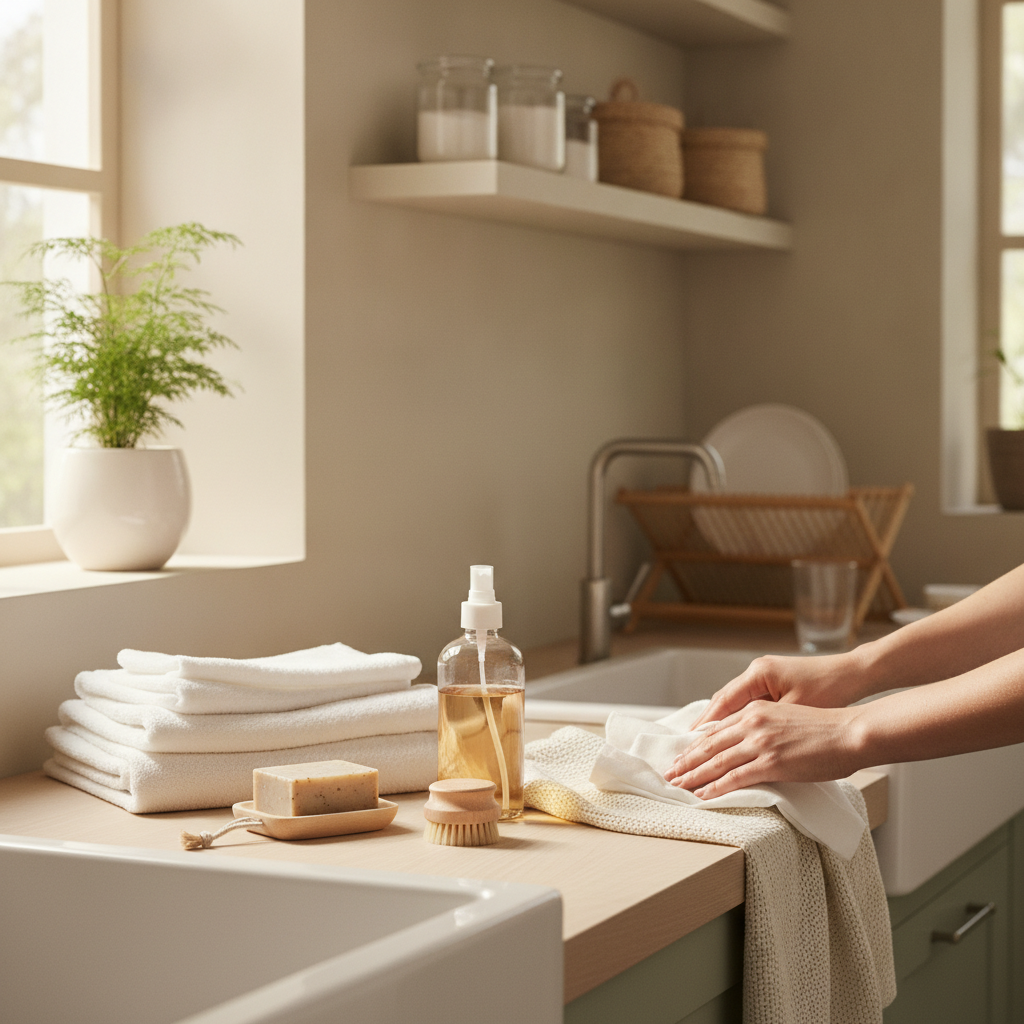
Mastering Stain Removal: A Guide to Restoring Household Fabrics and Surfaces
Discover practical strategies for tackling common household stains on various fabrics and surfaces. This comprehensive guide provides actionable advice to help maintain the cleanliness and appearance of your home effectively.