
Exploring the Principles of Thrifting and Upcycling for Home Decor
Thrifting and upcycling represent distinct yet complementary approaches to furnishing and decorating interior spaces, each offering unique avenues for personalization and sustainability. Thrifting involves the acquisition of pre-owned items from various sources, ranging from second-hand shops to estate sales, driven by the pursuit of affordability, distinctiveness, or historical significance. Upcycling, conversely, is the creative process of transforming discarded or unused materials and products into new items of higher quality or perceived value, often repurposing objects for functions entirely different from their original intent. These practices collectively enable individuals to curate home environments that reflect individual style, reduce waste, and contribute to a more circular economy, moving beyond conventional retail consumption patterns to embrace ingenuity and resourcefulness in design.
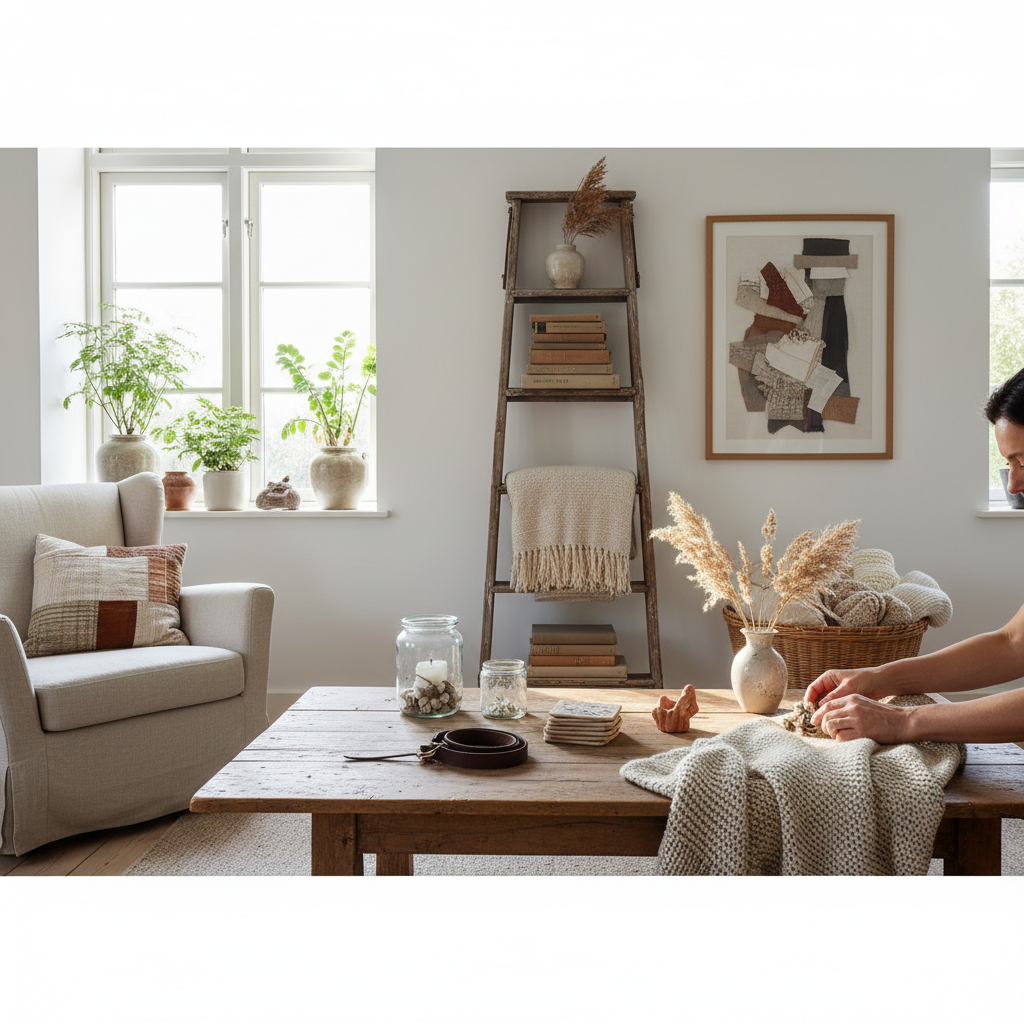
Understanding Thrifting in Home Decor
Thrifting, in the context of home decor, refers to the practice of seeking out and purchasing pre-owned items at a reduced cost. This often occurs at venues such as thrift stores, consignment shops, antique markets, flea markets, estate sales, or online marketplaces specializing in used goods. The appeal of thrifting is multifaceted, encompassing economic, aesthetic, and environmental considerations.
Benefits of Thrifting
One primary benefit of thrifting is the potential for significant cost savings compared to purchasing new retail items. Additionally, thrifting offers access to unique pieces that possess character, history, or design elements not commonly found in mass-produced goods. This uniqueness allows for the creation of highly individualized interior spaces. From an environmental perspective, acquiring pre-owned items extends their lifespan and reduces demand for new manufacturing, thereby conserving resources and minimizing waste.
Sourcing Thrifting Finds
Common places to find thrifted home decor include charity shops, which often have a rotating inventory of donated items. Antique malls and specialty vintage stores curate older pieces, often focusing on specific eras or styles. Flea markets and outdoor bazaars typically feature a diverse array of goods, ranging from furniture to small decorative objects, often from multiple vendors. Estate sales provide opportunities to purchase items directly from a home, offering a glimpse into a complete interior design aesthetic. Online platforms also facilitate the exchange of used goods, connecting buyers with sellers locally or across broader distances.
Selection Criteria for Thrifted Items
When evaluating items for thrifting, several factors are typically considered. The structural integrity of furniture pieces is paramount; loose joints, significant cracks, or unstable components can indicate costly repairs. Upholstered items are often scrutinized for signs of wear, stains, or odors. The potential for an item to be repurposed or integrated into an existing design scheme is also a key consideration. Decorative objects are assessed for their aesthetic appeal, historical value, or suitability for a specific design vision. Sometimes, an item's value lies not in its current state but in its potential for transformation through upcycling.
The Concept of Upcycling for Interior Spaces
Upcycling involves the transformation of existing items or materials into something new, typically with an enhanced function or aesthetic value. This process differs from recycling, where materials are broken down and reprocessed into raw components. Instead, upcycling retains the original form of the material or object while altering its purpose or appearance. This creative reuse serves to extend the lifecycle of products and diverts materials from landfills.
Creative Transformation in Upcycling
Upcycling projects often involve imaginative reinterpretations of objects. For instance, an old wooden ladder might be repurposed as a shelving unit, providing vertical storage and display space. Vintage suitcases can be stacked and stabilized to create a unique side table. Wooden pallets, frequently discarded, can be disassembled and reconfigured into coffee tables, headboards, or outdoor furniture. Discarded glass bottles or jars can become decorative vases, lighting fixtures, or storage containers. The core principle involves recognizing the inherent material value or structural potential of an item beyond its original function.
Material Considerations in Upcycling
Various materials lend themselves well to upcycling. Wood, due to its versatility and workability, is a common choice for furniture transformations. Metal items, such as old filing cabinets or industrial parts, can be cleaned, painted, and integrated into modern or industrial-themed interiors. Textiles, including old clothing, linens, or fabric scraps, can be sewn into new cushions, throws, or decorative wall hangings. Glass and ceramics, while requiring more careful handling, can be repurposed as decorative elements or functional containers after appropriate modifications.
Key Principles of Upcycling Projects
Successful upcycling projects typically follow a systematic approach, from initial assessment to final finishing.
Assessment and Planning
Before beginning any upcycling project, a thorough assessment of the item's condition is crucial. This includes checking for structural damage, material degradation, and identifying any necessary repairs. A clear vision for the item's new purpose and design aesthetic is also established during this phase. This planning stage helps in determining the required tools, materials, and techniques. Consideration is given to the item's dimensions, potential placement within a space, and its compatibility with the intended function.
Preparation Techniques
Preparation is a critical step in upcycling, ensuring the longevity and aesthetic quality of the transformed item. For wooden furniture, this often involves cleaning to remove dirt and grime, followed by sanding to smooth surfaces and prepare them for new finishes. Stripping old paint or varnish may be necessary if a different finish or a natural wood look is desired. Any structural repairs, such as tightening loose joints or replacing damaged components, are typically addressed at this stage. Metal items may require rust removal and priming to prevent corrosion and ensure paint adhesion.
Finishing and Embellishment
The finishing stage applies the desired aesthetic and protective layers. This can include painting with various types of paint (e.g., chalk paint, spray paint, latex), staining to enhance wood grain, or applying wax for a natural, protective finish. Embellishments such as new hardware (knobs, pulls, hinges) can significantly alter an item's appearance. Upholstery is another common technique, where new fabric is applied to chairs, sofas, or headboards. Adding decorative elements like stenciling, decoupage, or hand-painted details can further personalize the piece. Finally, applying sealants or topcoats helps to protect the finished surface from wear and tear.
Integrating Thrifting and Upcycling into a Cohesive Design
Integrating thrifted and upcycled items into a home decor scheme requires a thoughtful approach to ensure a cohesive and aesthetically pleasing outcome. The aim is to create a space that feels curated and intentional rather than disparate.
Balancing Old and New Elements
A common strategy involves balancing the character of older, repurposed pieces with newer, contemporary items. This juxtaposition can create visual interest and prevent a space from feeling overly themed or dated. For example, a vintage dresser might be paired with modern lighting fixtures and minimalist artwork. The contrast often highlights the unique qualities of both the old and new elements.
Developing a Consistent Aesthetic
Maintaining a consistent aesthetic is essential. This does not necessarily mean adhering to a single style, but rather ensuring that all elements, whether thrifted, upcycled, or new, contribute to a unified visual language. This can be achieved through a cohesive color palette, repetition of certain textures or materials, or adherence to a general design philosophy (e.g., bohemian, industrial, farmhouse, minimalist).
Using Color, Texture, and Proportion
Color plays a significant role in unifying disparate pieces. Repainting upcycled furniture in colors that complement the existing decor or selecting thrifted items within a similar color family can create harmony. Texture adds depth and interest; a rustic upcycled table might be softened by a smooth, modern vase. Proportion is also crucial, ensuring that the size and scale of thrifted and upcycled items are appropriate for the space and in relation to other furnishings.
Creating Focal Points
Often, a well-executed upcycled piece can serve as a striking focal point in a room. A creatively transformed cabinet or a uniquely reupholstered armchair naturally draws the eye. Thoughtful placement and surrounding decor can enhance the prominence of such pieces, turning them into conversation starters and central elements of the design.
Environmental and Economic Considerations
Thrifting and upcycling offer substantial benefits beyond mere aesthetics, contributing positively to both environmental sustainability and personal economics.
Reducing Waste and Extending Product Lifecycles
By acquiring pre-owned items and transforming them, these practices directly reduce the amount of waste sent to landfills. Extending the lifecycle of products means fewer items are discarded prematurely, conserving the energy and raw materials that would be required to manufacture new replacements. This aligns with principles of a circular economy, where resources are kept in use for as long as possible.
Minimizing Demand for New Production
Engaging in thrifting and upcycling decreases consumer demand for newly manufactured goods. This reduction in demand can lessen the environmental impact associated with industrial production, including resource extraction, energy consumption, and pollution generation. It represents a shift towards more conscious consumption patterns.
Cost-Effectiveness and Resourcefulness
From an economic standpoint, both thrifting and upcycling are generally more cost-effective than purchasing new items. The initial investment in a thrifted item is often significantly lower, and the cost of materials for upcycling projects can also be minimal, especially when utilizing existing supplies. This encourages resourcefulness and allows for the creation of stylish and functional spaces on a more constrained budget. The process also develops skills in assessment, repair, and creative problem-solving.
In summary, thrifting and upcycling provide powerful avenues for individuals to craft unique, personalized, and sustainable home environments. These practices extend beyond mere decoration, embodying principles of resource conservation, waste reduction, and economic prudence. By understanding the processes involved in acquiring, transforming, and integrating pre-owned and repurposed items, one can cultivate spaces that are both aesthetically rich and environmentally responsible.
More from home living
Smart Strategies for a Seamlessly Organized Bathroom Space
Transform your bathroom from cluttered chaos to a serene, functional space. Discover practical methods for organizing toiletries, linens, and cleaning supplies, enhancing daily routines and maintaining a tidy environment with ease.

Selecting and Using Efficient Air Purifiers for Improved Indoor Air Quality
Discover how air purifiers can significantly enhance your home's indoor air quality. Learn about common pollutants, essential filtration technologies, and key factors for choosing the right device to create a healthier living environment.

Smart Home Solutions for Enhanced Accessibility and Independent Living
Discover how smart home technology can significantly enhance accessibility and foster independent living for individuals of all abilities. Explore practical solutions for greater comfort, safety, and convenience in your daily routines.
Mastering Stain Removal: A Guide to Restoring Household Fabrics and Surfaces
Discover practical strategies for tackling common household stains on various fabrics and surfaces. This comprehensive guide provides actionable advice to help maintain the cleanliness and appearance of your home effectively.