
Exploring Vertical Storage Solutions for Maximizing Residential Space Efficiency
Vertical storage represents an organizational strategy focused on maximizing available space within a given area by utilizing its vertical dimensions. This approach is particularly relevant in residential environments where floor space is often a premium, or where maintaining an uncluttered aesthetic is desired. Instead of spreading items horizontally, vertical storage methods involve stacking, hanging, or elevating possessions, thereby freeing up valuable surface areas and enhancing the overall functionality of a room. This article explores the foundational principles of vertical storage, examines various applications across different home settings, describes common types of systems, and discusses the general benefits associated with implementing this space-saving technique. Understanding these aspects can provide insights into efficient home organization and spatial optimization.
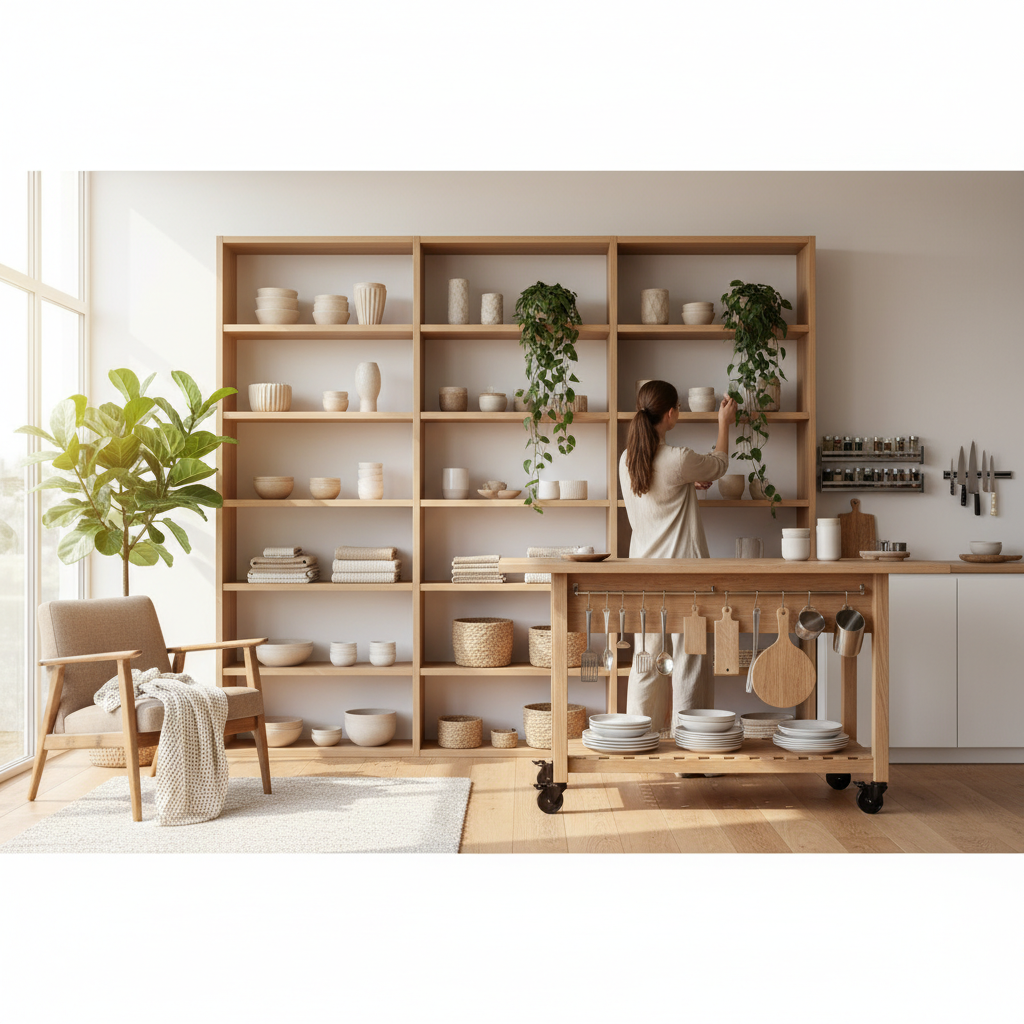
Understanding the Principles of Vertical Storage
The core principle of vertical storage involves extending storage capacity upwards rather than outwards. This method transforms underutilized wall spaces, corners, and areas above existing furniture into functional storage zones. Gravity plays a crucial role, allowing items to be stacked or suspended, thereby minimizing their footprint on the floor. Effective vertical storage systems often consider accessibility, ensuring that items stored at different heights remain retrievable, possibly through the use of steps, ladders, or pull-down mechanisms. Visual order is another key aspect, as well-designed vertical solutions can contribute to a more organized and aesthetically pleasing environment by concealing clutter or displaying items in an intentional manner.
Maximizing Volume and Minimizing Footprint
The primary benefit of vertical storage is its ability to maximize the total storage volume within a room while minimizing the occupied floor area. This is particularly advantageous in smaller homes, apartments, or rooms with limited square footage, such as entryways, bathrooms, or compact kitchens. By leveraging the vertical plane, residents can store a greater quantity of items without encroaching on essential pathways or functional zones, thus maintaining an open and breathable living space.
Common Vertical Storage Applications in the Home
Vertical storage strategies can be applied across nearly every room in a residence, adapting to the specific needs and types of items typically found in each area.
Kitchens and Pantries
In kitchens, vertical storage is instrumental for organizing cookware, dishes, food staples, and small appliances. Tall pantry cabinets with adjustable shelves, vertical spice racks mounted inside cabinet doors, or tiered shelving units for plates and bowls are common examples. Wall-mounted pot racks or magnetic knife strips also free up drawer and counter space, making essentials easily accessible while cooking.
Bathrooms
Bathrooms often benefit significantly from vertical solutions due to their typically compact size. Over-the-toilet shelving units, tall narrow linen cabinets, wall-mounted baskets for toiletries, or multi-tiered shower caddies are effective ways to store towels, hygiene products, and cleaning supplies without cluttering countertops or the floor.
Bedrooms and Closets
Bedrooms utilize vertical storage for clothing, accessories, and personal items. Tall wardrobes, dresser-drawer dividers, and hanging shoe organizers maximize closet space. Wall-mounted shelves for books and decorative items, or under-bed storage drawers that utilize vertical clearance, also contribute to an organized bedroom environment.
Living Areas and Home Offices
In living rooms, tall bookcases, display shelves, and media units often incorporate vertical design. In home offices, vertical file sorters, wall-mounted whiteboards, and tall storage cabinets for documents and office supplies help maintain a productive and clutter-free workspace. These solutions allow for the efficient storage of numerous items while preserving floor space for seating or movement.
Utility and Entryway Spaces
Entryways often feature vertical coat racks, shoe cubbies, or wall-mounted hooks to manage outerwear and accessories. Utility rooms can use tall shelving for cleaning supplies, tools, and laundry essentials. Garages and workshops employ vertical pegboards, tool cabinets, and overhead storage racks to keep equipment organized and off the floor.
Types of Vertical Storage Systems
A diverse range of products and built-in features facilitate vertical organization.
Shelving Units
Shelving units, whether freestanding, built-in, or wall-mounted, are fundamental vertical storage components. They can be fixed, adjustable, or modular, offering flexibility to accommodate items of varying sizes. Materials range from wood and metal to plastic, suiting different aesthetic and functional requirements.
Wall-Mounted Solutions
Wall-mounted options include hooks, pegboards, magnetic strips, and floating shelves. These systems affix directly to walls, utilizing otherwise unused surfaces for hanging items like coats, kitchen utensils, or tools. Pegboards, in particular, offer customizable arrangements for a variety of objects.
Over-the-Door Organizers
Over-the-door organizers capitalize on the vertical space behind doors, which is often overlooked. These can be fabric pockets for shoes, metal racks for pantry items, or towel bars for bathrooms, providing discreet storage without requiring wall installation.
Stackable Containers and Bins
Stackable containers, drawers, and bins are versatile solutions for creating vertical storage within cabinets, on shelves, or in open spaces. They help categorize and contain smaller items, preventing them from sprawling horizontally. Transparent options can enhance visibility, making it easier to locate contents.
Tall Cabinets and Wardrobes
Tall cabinets, armoires, and wardrobes are substantial furniture pieces designed for significant vertical storage. They often feature internal shelving, drawers, and hanging rods, providing comprehensive storage for clothing, linens, or general household items while presenting a cohesive exterior.
Integrating Vertical Storage into Home Design
Successful integration of vertical storage involves careful planning and consideration of both functionality and aesthetics. Before implementing any system, it is often useful to assess specific storage needs, identify underutilized vertical spaces, and measure dimensions accurately. The choice of materials and design should ideally complement the existing interior decor, contributing to a harmonious visual flow rather than introducing a disjointed element. For heavier items, structural considerations for wall-mounted solutions are important to ensure stability and safety. When selecting tall units, it is also important to consider the proportions of the room to avoid overwhelming the space.
Benefits of Embracing Vertical Storage
The adoption of vertical storage strategies offers several advantages beyond mere space-saving.
Enhanced Organization and Accessibility
By providing designated, visible locations for items, vertical storage systems can significantly improve overall home organization. When items are stored vertically, they are often easier to see and access, reducing the time spent searching for misplaced possessions. This systematic approach can contribute to a more efficient daily routine and a reduction in visual clutter.
Visual Decluttering and Aesthetic Appeal
An organized vertical arrangement of items can contribute to a cleaner, more spacious appearance in a room. When floor and counter surfaces are clear, the environment often feels less chaotic and more inviting. Well-designed vertical storage can also become an integral part of the room's aesthetic, serving as a display for decorative objects or blending seamlessly with the decor.
Adaptability and Flexibility
Many vertical storage systems, such as modular shelving or adjustable racks, offer a high degree of adaptability. This allows residents to reconfigure their storage as needs evolve, accommodating different item sizes or changing organizational requirements. This flexibility supports long-term home organization without requiring frequent overhauls of the entire storage infrastructure.
More from home living
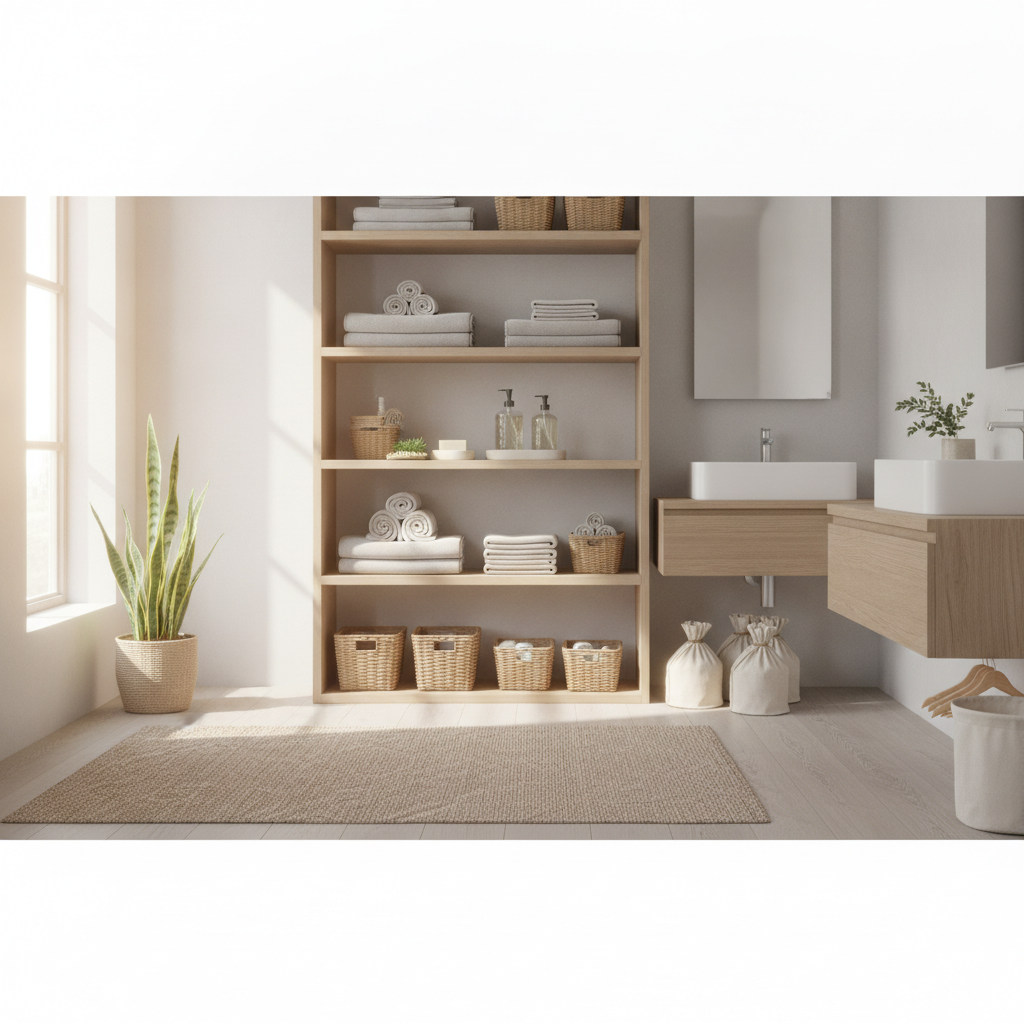
Smart Strategies for a Seamlessly Organized Bathroom Space
Transform your bathroom from cluttered chaos to a serene, functional space. Discover practical methods for organizing toiletries, linens, and cleaning supplies, enhancing daily routines and maintaining a tidy environment with ease.
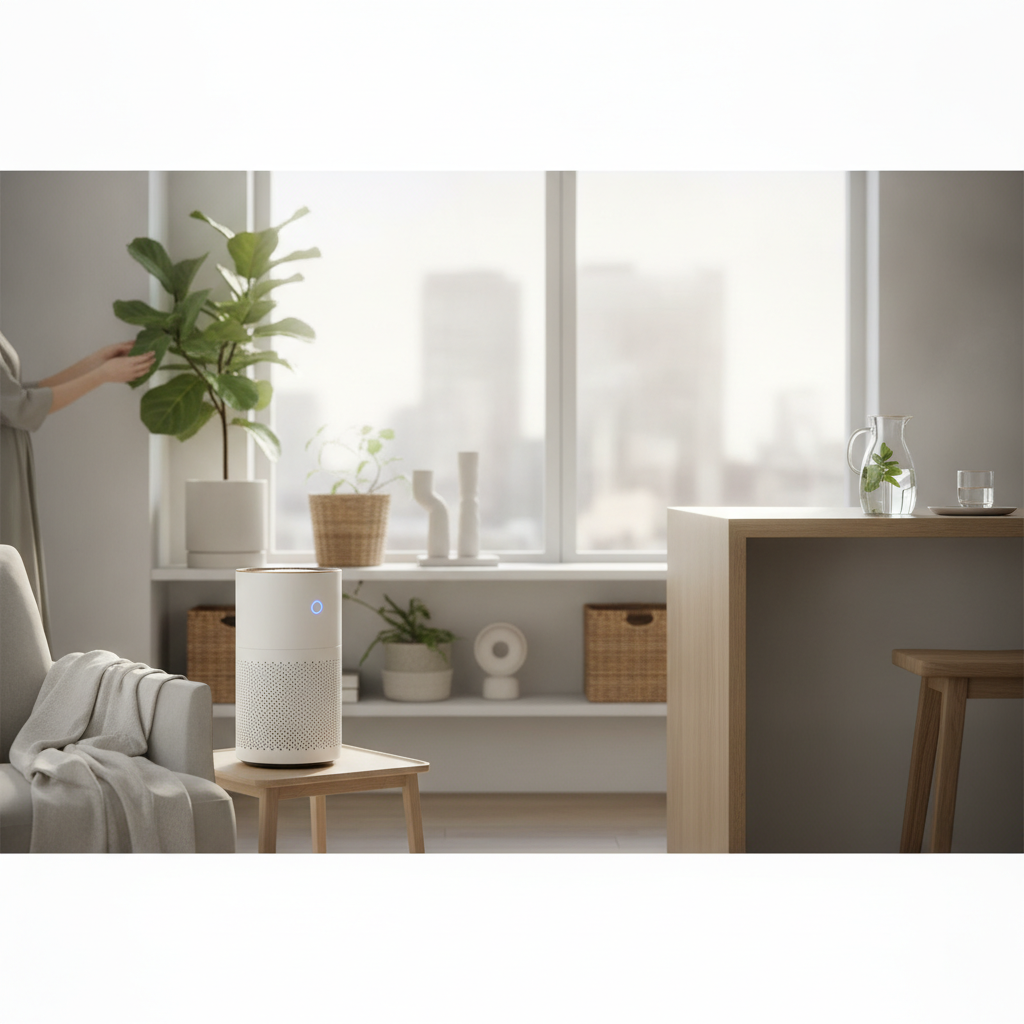
Selecting and Using Efficient Air Purifiers for Improved Indoor Air Quality
Discover how air purifiers can significantly enhance your home's indoor air quality. Learn about common pollutants, essential filtration technologies, and key factors for choosing the right device to create a healthier living environment.
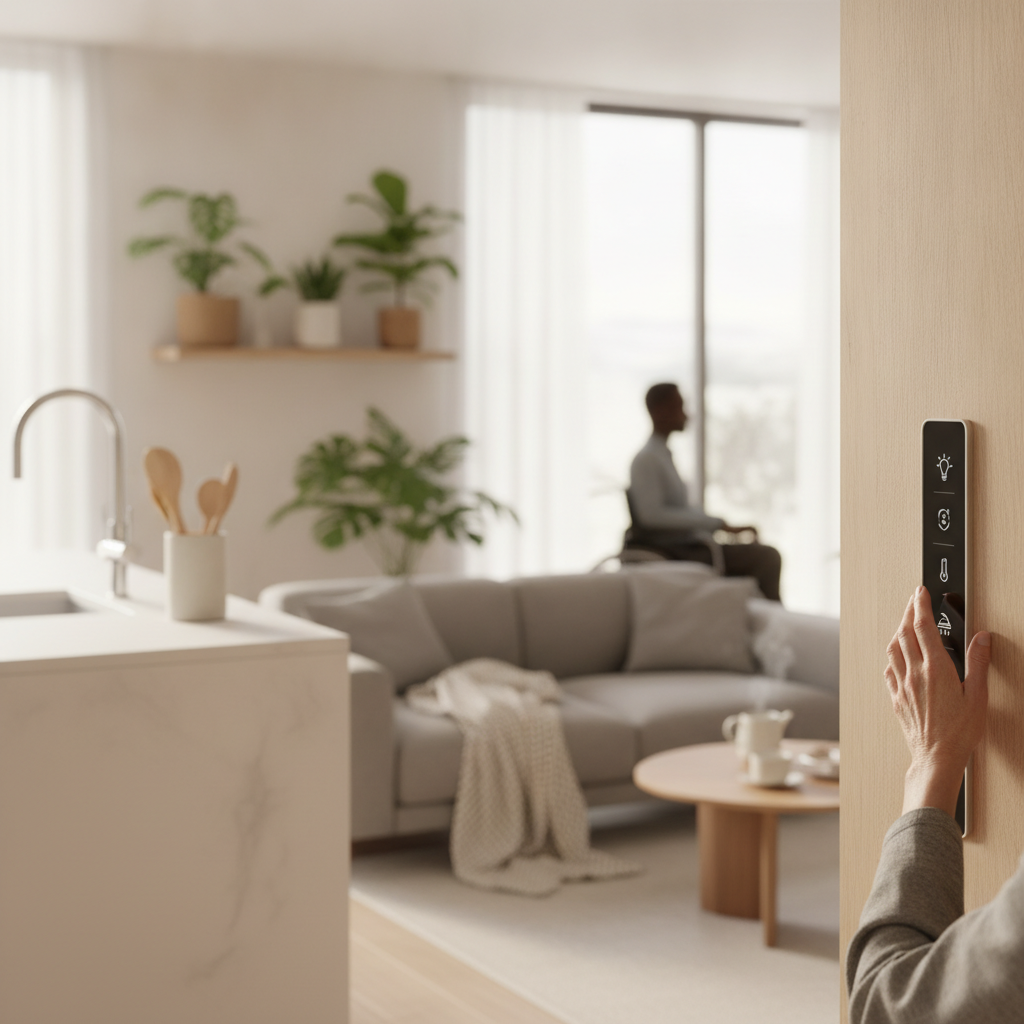
Smart Home Solutions for Enhanced Accessibility and Independent Living
Discover how smart home technology can significantly enhance accessibility and foster independent living for individuals of all abilities. Explore practical solutions for greater comfort, safety, and convenience in your daily routines.

Mastering Stain Removal: A Guide to Restoring Household Fabrics and Surfaces
Discover practical strategies for tackling common household stains on various fabrics and surfaces. This comprehensive guide provides actionable advice to help maintain the cleanliness and appearance of your home effectively.