
Smart Home Solutions for Enhanced Accessibility and Independent Living
Modern smart home technology is rapidly transforming residences into more adaptive and responsive environments, offering significant benefits for individuals seeking enhanced accessibility and greater independent living. Beyond mere convenience, these integrated systems provide practical solutions that address a wide range of daily challenges, from managing household tasks with limited mobility to ensuring personal safety and maintaining vital connections. By leveraging intuitive interfaces, automated controls, and remote monitoring capabilities, smart homes empower residents to navigate their living spaces with increased confidence and ease, reducing reliance on others and fostering a profound sense of autonomy. This thoughtful integration of technology can create supportive ecosystems that not only simplify routines but also open up new possibilities for personal engagement and well-being, proving invaluable for aging populations, individuals with disabilities, or anyone desiring a more adaptable and user-friendly home environment. Understanding the diverse applications and thoughtful implementation of these solutions is key to unlocking their full potential for a richer, more independent lifestyle.
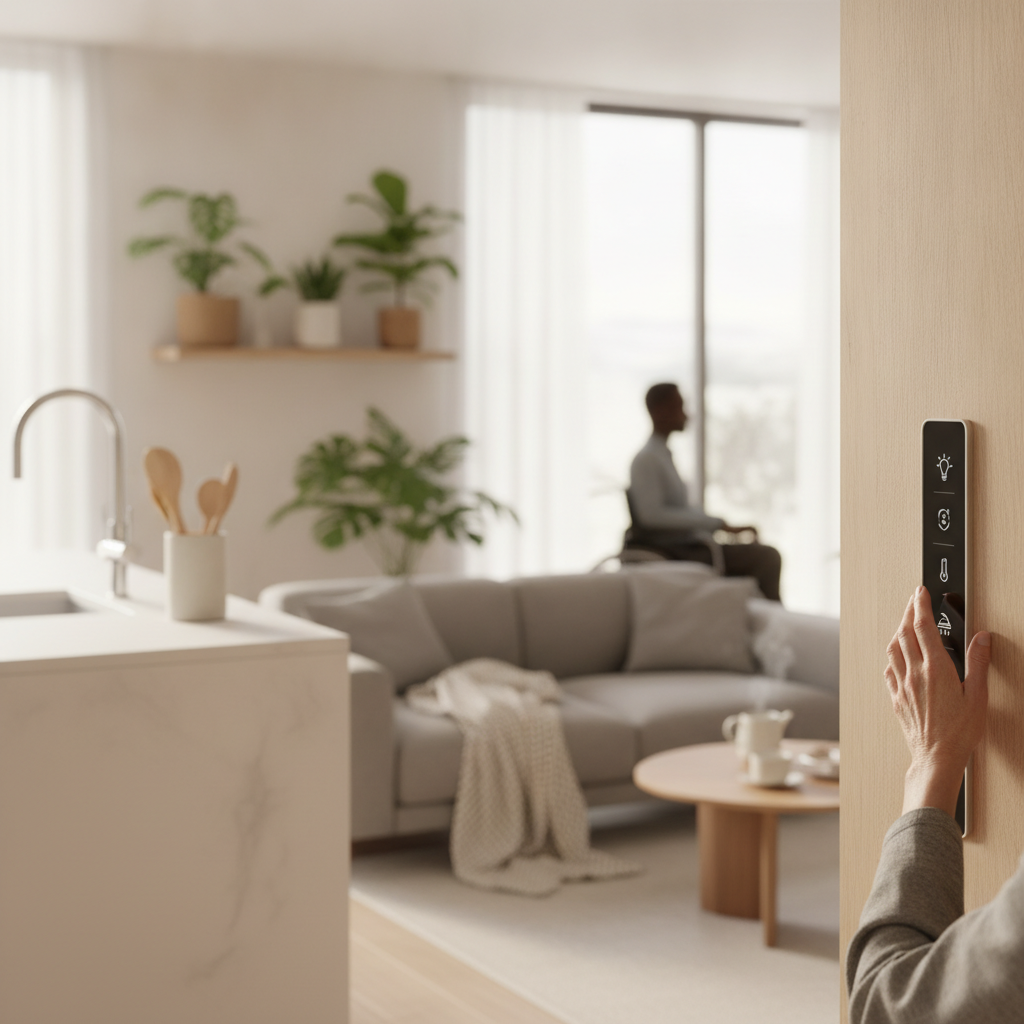
Understanding Smart Home Accessibility
Smart home accessibility refers to the strategic application of interconnected devices and systems to create a living environment that is more easily usable by individuals with varying abilities. This goes beyond simple automation; it's about designing a home that adapts to the specific needs of its occupants, offering solutions for those with mobility limitations, visual or hearing impairments, cognitive challenges, or age-related considerations. The core principle is to empower residents to perform daily tasks, manage their environment, and ensure their safety with minimal effort and maximum independence. By removing barriers and simplifying interactions, smart home technology transforms a standard residence into a truly inclusive space.
The benefits of integrating smart home solutions for accessibility are extensive. Primarily, they foster greater independence, allowing individuals to maintain control over their surroundings and daily routines without constant assistance. This contributes significantly to mental well-being and a sense of dignity. Enhanced safety is another paramount advantage, with systems designed to prevent accidents, detect emergencies, and provide immediate alerts. Convenience is also a key factor, as routine tasks can be automated or managed remotely, freeing up time and energy. Furthermore, smart homes can offer peace of mind not only to the residents themselves but also to their family members and caregivers, knowing that a supportive system is in place.
Key Areas of Smart Home Accessibility
The range of smart home technologies applicable to accessibility is broad, touching almost every aspect of daily living. Each area offers unique advantages, contributing to a holistic accessible environment.
Lighting Control
Automated lighting systems are fundamental for accessibility. These systems allow lights to be controlled via voice commands, smartphone apps, motion sensors, or pre-set schedules. For individuals with mobility challenges, this eliminates the need to physically reach switches. Motion-activated lighting in hallways and bathrooms can prevent falls, especially during nighttime hours. Remote control or voice activation is also beneficial for those with dexterity issues. Additionally, adjustable brightness and color temperature settings can cater to visual impairments, providing optimal illumination for specific tasks or reducing glare.
Climate and Environment Management
Managing indoor temperature and air quality is crucial for comfort and health. Smart thermostats allow residents to adjust heating and cooling settings using voice commands or an app, even when away from home. This is particularly helpful for individuals who find traditional thermostat controls difficult to manipulate. Integrating smart blinds or shades further enhances environmental control, allowing natural light to be managed remotely, which can conserve energy and provide comfort. Air quality monitors can track pollutants and allergens, alerting residents to potential issues and helping to maintain a healthier indoor atmosphere, especially for those with respiratory sensitivities.
Smart Door Locks and Access Control
Keyless entry systems, such as smart door locks, offer significant advantages. Residents can unlock doors using a keypad code, a smartphone app, or even biometrics like fingerprints, eliminating the need to fumble with physical keys. This is invaluable for individuals with arthritis or other hand mobility issues. Remote unlocking features allow family members or caregivers to grant access to visitors without needing to be physically present, which can be crucial in emergency situations or for scheduled care. Video doorbells integrated with these systems provide visual verification of who is at the door, enhancing security and communication for all residents.
Communication and Entertainment Systems
Smart speakers and displays serve as central hubs for communication and entertainment. Voice assistants enable hands-free control over calling contacts, sending messages, accessing information, or playing music and audiobooks. This is particularly beneficial for individuals who may have difficulty operating traditional phones or entertainment systems. Smart TVs and streaming devices can be integrated, allowing for simplified control of channels, volume, and content through voice commands or universal remotes with large, easy-to-press buttons. Intercom systems within the home can also facilitate communication between different rooms, reducing the need for movement.
Safety and Security Monitoring
Safety and security are paramount in any home, and smart systems offer robust solutions. Indoor and outdoor smart cameras provide visual monitoring, which can be accessed remotely for peace of mind. Smart smoke and carbon monoxide detectors not only sound an alarm but also send alerts to connected devices, ensuring prompt notification even if the resident is hard of hearing or not home. Water leak sensors can detect plumbing issues early, preventing costly damage. Advanced fall detection systems, which can be passive (using radar or thermal imaging) or integrated into wearables, can automatically alert caregivers or emergency services in the event of a fall, providing a critical layer of protection for vulnerable individuals.
Appliance Control
Integrating appliances into a smart home system can simplify daily chores. Smart plugs can turn traditional appliances like lamps, fans, or coffee makers into smart devices, allowing them to be controlled remotely or scheduled. Dedicated smart appliances, such as ovens that can be preheated via an app or washing machines that can be started remotely, offer further convenience. This level of control is particularly helpful for individuals who may find it challenging to operate physical controls or those who prefer to manage tasks from a comfortable seating position.
Voice Assistants and Central Hubs
At the heart of many accessible smart home systems are voice assistants and central control hubs. Devices like smart speakers (e.g., those found in major technology ecosystems) provide a universal interface for interacting with various smart devices using natural language commands. This hands-free operation is incredibly enabling for individuals with limited mobility or dexterity. Centralized apps on smartphones or tablets also offer a unified control panel for all connected devices, simplifying management and customization. The ability to create routines, where a single command or event triggers a sequence of actions (e.g.,
More from home living
Smart Strategies for a Seamlessly Organized Bathroom Space
Transform your bathroom from cluttered chaos to a serene, functional space. Discover practical methods for organizing toiletries, linens, and cleaning supplies, enhancing daily routines and maintaining a tidy environment with ease.
Selecting and Using Efficient Air Purifiers for Improved Indoor Air Quality
Discover how air purifiers can significantly enhance your home's indoor air quality. Learn about common pollutants, essential filtration technologies, and key factors for choosing the right device to create a healthier living environment.

Mastering Stain Removal: A Guide to Restoring Household Fabrics and Surfaces
Discover practical strategies for tackling common household stains on various fabrics and surfaces. This comprehensive guide provides actionable advice to help maintain the cleanliness and appearance of your home effectively.
Optimizing Your Home Office for Peak Productivity and Comfort
Discover how to transform your home office into a highly productive and ergonomically comfortable space. This guide covers essential setup considerations, organization tips, and environmental enhancements for modern remote work.