
Smart Strategies for a Seamlessly Organized Bathroom Space
A well-organized bathroom contributes significantly to a harmonious home environment, transforming a potentially chaotic space into a sanctuary of order and efficiency. Far too often, bathrooms become collection points for an assortment of items, from daily essentials and backup supplies to cleaning products and an ever-growing pile of linens, leading to clutter that can impede daily routines and create unnecessary stress. Addressing this common challenge involves more than just tidying up; it requires a thoughtful, strategic approach to decluttering, categorizing, and implementing storage solutions that are both practical and sustainable. By dedicating time to streamline how toiletries, towels, and cleaning supplies are managed, individuals can reclaim valuable counter space, make finding items effortless, and foster a cleaner, more visually appealing area. This comprehensive guide aims to provide actionable insights and adaptable techniques, ensuring that every item has its designated place, thereby enhancing both the aesthetics and functionality of one of the most frequently used rooms in any household, ultimately promoting a sense of calm and control in daily life.
The Foundation of Bathroom Organization: Decluttering
Before any new storage solutions can be effectively implemented, the crucial first step in streamlining bathroom organization is a thorough decluttering process. This initial phase is not merely about tidying; it's about making informed decisions about what truly belongs in your bathroom and what can be removed to create a more functional and less overwhelming space. Without this foundational step, any organizational efforts will likely be temporary, as new items will simply accumulate around the existing clutter.
Initial Assessment and Categorization
Begin by removing everything from your cabinets, drawers, shower, and countertops. Lay all items out on a clean surface, such as a large towel on the floor or a bed. This visual inventory allows you to see the full scope of what you possess. As you go through each item, categorize it into logical groups: skincare, hair care, oral hygiene, makeup, first aid, cleaning supplies, linens, and miscellaneous. This categorization helps to identify duplicates and assess true usage patterns.
The "Keep, Donate, Discard" Method
With everything categorized, apply the "Keep, Donate, Discard" method. "Keep" items are those you use regularly, genuinely love, or are essential for daily life. "Donate" applies to new or gently used, unexpired items like unopened soaps or lotions that you no longer need but someone else could use (check local shelters or charities for their specific donation guidelines). "Discard" includes anything expired, broken, nearly empty, or items you haven't used in a significant amount of time and are unlikely to use. Be honest with yourself; if you haven't touched a product in over a year, it's likely time for it to go.
Addressing Expired and Unused Items
Pay particular attention to expiration dates on cosmetics, medications, and skincare products. Many people are unaware that these items have a shelf life, and using them past their prime can be ineffective or even harmful. For unused items, consider the principle of "one in, one out" for future purchases to prevent re-accumulation. If you have multiple half-used bottles of the same product, consolidate them if safe and practical, or commit to finishing one before opening another.
Strategic Storage for Toiletries
Once your bathroom is decluttered, the next step is to implement smart storage solutions for the items you've decided to keep. Toiletries, being numerous and varied in size, often present the biggest organizational challenge. Effective storage means making the most of available space while keeping frequently used items accessible and less-used items neatly stowed away.
Maximizing Drawer and Cabinet Space
Drawers and under-sink cabinets are prime locations for storing a multitude of toiletries. To prevent them from becoming catch-all zones, invest in drawer dividers, small bins, or stackable containers. These tools help create compartments for different categories (e.g., one section for dental hygiene, another for hair accessories, one for daily makeup). For under-sink cabinets, pull-out organizers, tiered shelves, or clear plastic bins can dramatically improve accessibility and visibility, making it easier to find items without rummaging.
Shower and Bathtub Organization
The shower area often becomes cluttered with various bottles. To maintain order, consider installing a tension rod caddy, corner shelves, or wall-mounted dispensers for shampoo, conditioner, and body wash. Suction cup organizers can hold smaller items like razors and sponges. The goal here is to keep only the items actively used in the shower, minimizing visual clutter and making cleaning easier. Consider decanting larger bottles into smaller, uniform pump bottles for a more cohesive look and easier dispensing.
Countertop Management
Ideally, countertops should be kept as clear as possible to facilitate easy cleaning and create a sense of calm. Reserve this space for truly essential daily items, such as hand soap, a toothbrush holder, and perhaps a small tray for frequently used skincare products. Use decorative trays or small, elegant containers to group these items, preventing them from scattering and adding a touch of style. Anything not used daily should be stored away in drawers or cabinets.
Vertical Space Utilization
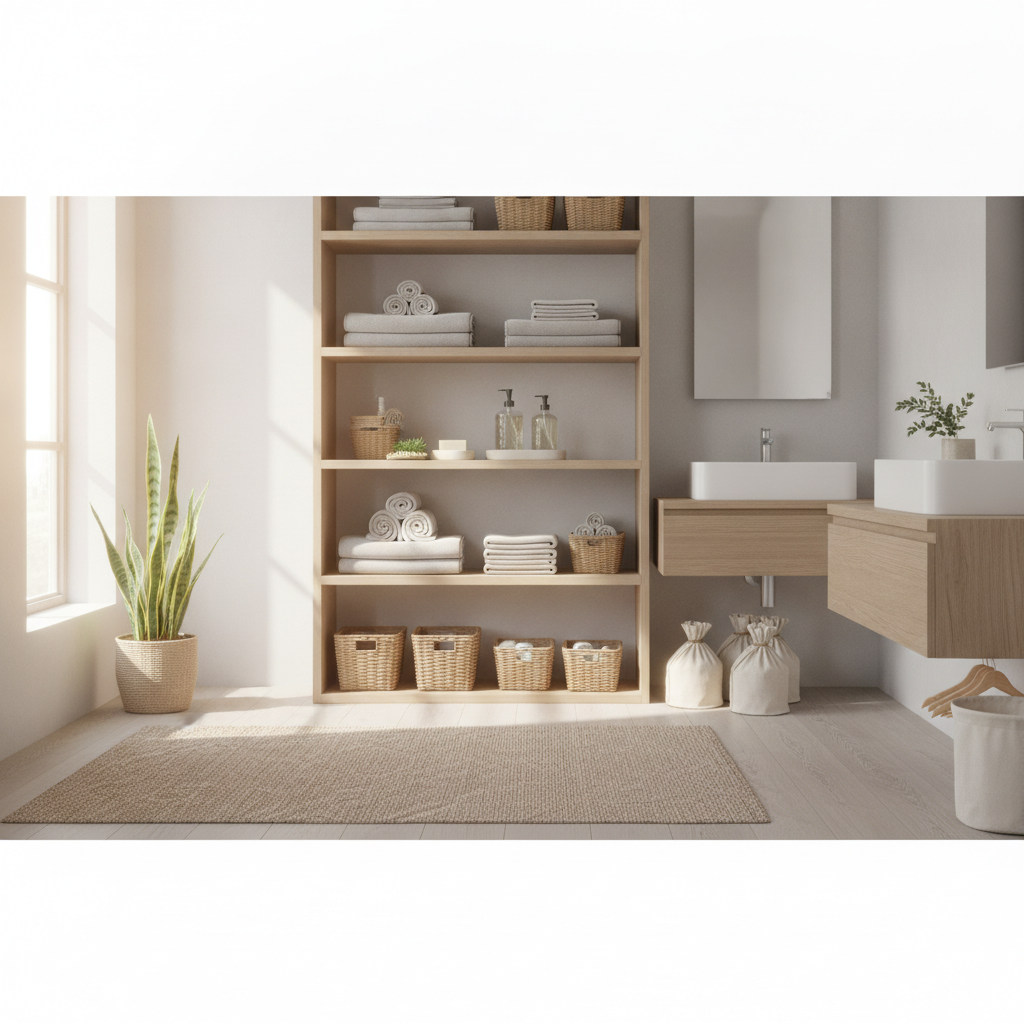
Bathrooms, especially smaller ones, often benefit from utilizing vertical space. Over-the-toilet shelving units, wall-mounted floating shelves, or tall, narrow cabinets can provide significant storage for backup supplies, extra towels, or less frequently used items. Ensure shelves are sturdy and securely mounted. Consider clear jars or containers on open shelves to store cotton balls, Q-tips, or bath salts, adding both functionality and aesthetic appeal.
Efficient Management of Linens
Linens, including bath towels, hand towels, and washcloths, can take up considerable space. Proper organization of these items ensures they are fresh, easily accessible, and contribute to a tidy bathroom aesthetic.
Designating a Home for Towels
Whether you have a dedicated linen closet, open shelving, or simply a drawer, assign a specific home for your clean towels. For larger quantities, folding techniques like the KonMari method or rolling towels can save space and make them look more appealing. Store towels neatly stacked or rolled, ensuring they are completely dry before putting them away to prevent mildew. Consider organizing by size or color for added visual order.
Washcloths and Hand Towels
Keep washcloths and hand towels separate from larger bath towels for easier access. A small basket in a drawer, a dedicated shelf compartment, or a decorative container on the counter (for clean hand towels) can keep these smaller items contained and readily available. Rotate them regularly to ensure even usage.
Laundry Hamper Placement and Type
An often-overlooked aspect of linen management is the dirty laundry. A stylish and functional laundry hamper or basket placed conveniently in the bathroom or a nearby closet can prevent used towels and clothes from accumulating on the floor. Choose a hamper that fits your space and aesthetic, perhaps with a lid for a cleaner look or with multiple compartments for sorting.
Organizing Cleaning Supplies
Cleaning supplies are essential for maintaining a hygienic bathroom, but they can quickly become disorganized and even hazardous if not stored properly. Centralizing and securing these items is key.
Centralizing Cleaning Products
Designate a specific area for all bathroom cleaning supplies, typically under the sink or in a high cabinet if you have young children or pets. A portable caddy is an excellent investment, allowing you to carry all necessary cleaning products from one spot to another easily. Group similar items together: glass cleaners, surface sprays, toilet bowl cleaners, and disinfectants.
Tools and Equipment Storage
Alongside the liquids, cleaning tools like brushes, sponges, cloths, and gloves also need a home. Hooks on the inside of cabinet doors can hold gloves or small brushes. Small, labeled bins can contain sponges and scrubbing pads. Ensure that items like toilet brushes are stored in their own self-contained caddies to prevent contamination.
Eco-Friendly and Minimalist Approaches
Consider adopting a more minimalist approach to cleaning supplies. Many multi-purpose cleaners can effectively tackle various bathroom surfaces, reducing the need for numerous specialized products. Similarly, reusable microfiber cloths can replace disposable wipes, reducing waste and clutter. Opting for concentrated formulas or refillable bottles can also streamline your collection.
Implementing and Maintaining Your System
Establishing an organized bathroom system is a significant achievement, but true success lies in its long-term maintenance. An effective system is one that can be easily upheld and adapted as needs change.
Regular Reviews and Adjustments
Schedule periodic reviews of your bathroom organization, perhaps quarterly or bi-annually. This allows you to reassess what's working, what's not, and whether new items have accumulated. During these reviews, repeat the decluttering process on a smaller scale, checking expiration dates and removing items that are no longer used or needed. Be flexible; if a storage solution isn't practical for your daily routine, don't hesitate to adjust it.
The "One In, One Out" Rule
To prevent future clutter, adopt the "one in, one out" rule, particularly for toiletries. When you purchase a new shampoo, body lotion, or makeup item, commit to finishing an existing one before opening the new product, or consider donating/discarding an old, similar item. This simple rule helps control the influx of new items and maintains the balance you've worked to achieve.
Labeling and Transparency
For opaque bins or cabinet shelves, clear labeling can be incredibly helpful, especially in multi-person households. Labels ensure everyone knows where to find items and, more importantly, where to return them. For open shelving, clear containers or jars offer transparency, making it easy to see contents at a glance while maintaining a clean aesthetic.
Involving Household Members
If you share your bathroom, involve all household members in the organizational process. Explain the new system and why it's beneficial. Assign specific areas for each person's items if practical. Consistency from everyone is crucial for the long-term success of the organizational strategy.
Transforming a cluttered bathroom into an organized, functional space is a journey that begins with intentional decluttering and continues with strategic storage solutions and consistent maintenance. By thoughtfully addressing toiletries, linens, and cleaning supplies, you create an environment that not only looks better but also operates more efficiently, contributing to a more relaxed and productive daily routine. The effort invested in streamlining your bathroom organization pays dividends in peace of mind and enhanced daily living, making your home a more enjoyable place for everyone.
More from home living
Selecting and Using Efficient Air Purifiers for Improved Indoor Air Quality
Discover how air purifiers can significantly enhance your home's indoor air quality. Learn about common pollutants, essential filtration technologies, and key factors for choosing the right device to create a healthier living environment.

Smart Home Solutions for Enhanced Accessibility and Independent Living
Discover how smart home technology can significantly enhance accessibility and foster independent living for individuals of all abilities. Explore practical solutions for greater comfort, safety, and convenience in your daily routines.
Mastering Stain Removal: A Guide to Restoring Household Fabrics and Surfaces
Discover practical strategies for tackling common household stains on various fabrics and surfaces. This comprehensive guide provides actionable advice to help maintain the cleanliness and appearance of your home effectively.
Optimizing Your Home Office for Peak Productivity and Comfort
Discover how to transform your home office into a highly productive and ergonomically comfortable space. This guide covers essential setup considerations, organization tips, and environmental enhancements for modern remote work.