
Mastering Stain Removal: A Guide to Restoring Household Fabrics and Surfaces
Accidental spills and everyday mishaps are an inevitable part of modern living, often leaving behind unwelcome stains on our cherished household fabrics and surfaces. From a dropped coffee cup on the carpet to an ink smudge on upholstery or a cooking oil splatter on a countertop, these marks can seem daunting, potentially leading to premature wear or disfigurement of our belongings. However, understanding the science behind different types of stains and mastering a few fundamental removal techniques can transform a frustrating challenge into a manageable task. The key lies not just in having the right cleaning agents, but in knowing when and how to apply them, acting promptly, and employing methods tailored to the specific material and stain type. This comprehensive guide aims to equip you with the knowledge and practical steps necessary to effectively combat common household stains, helping to preserve the beauty and longevity of your home interiors, ensuring a cleaner, more inviting living space for everyone.
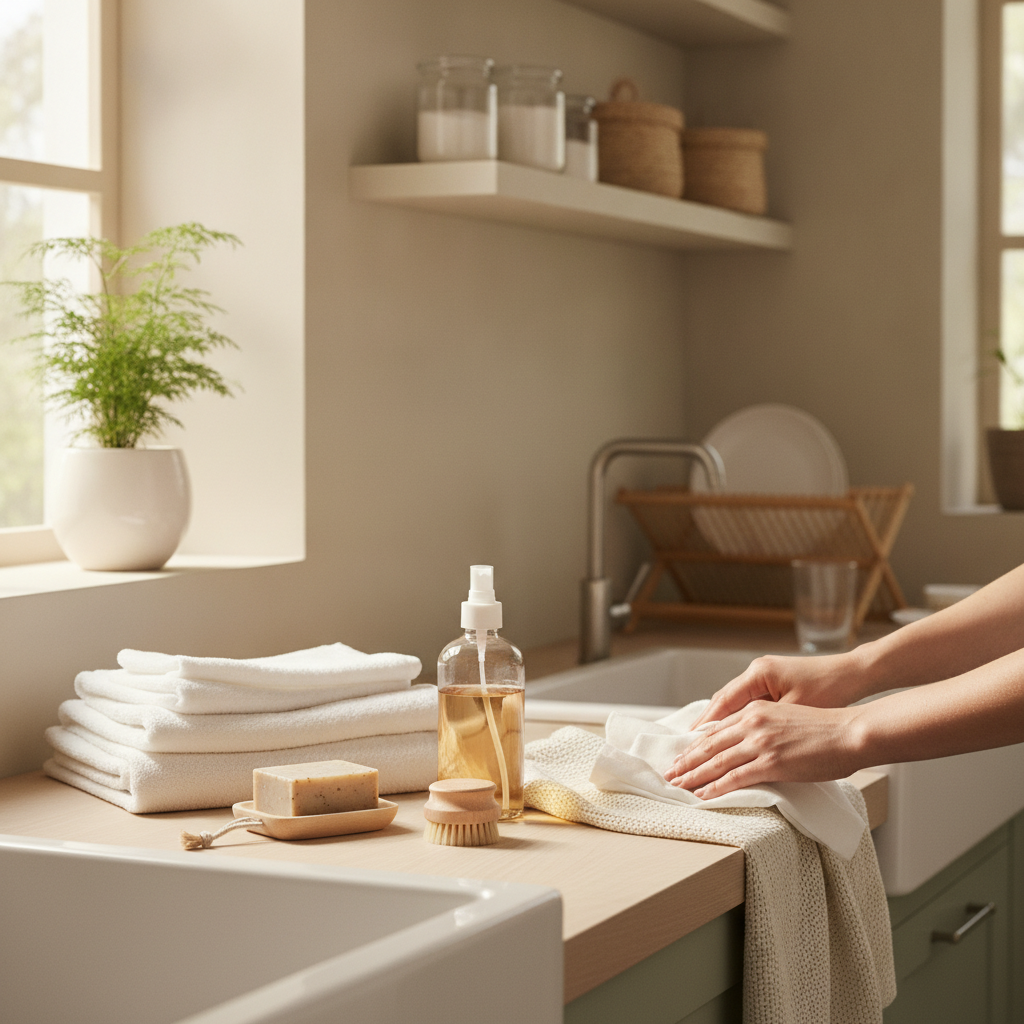
Understanding Stain Types and Their Characteristics
Effective stain removal begins with identifying the type of stain you are dealing with. Different stains react to different treatments, and using the wrong method can sometimes set a stain, making it harder or impossible to remove. Categorizing stains helps in selecting the most appropriate action.
Water-Based Stains
These are stains caused by substances that are primarily water-soluble. Common examples include coffee, tea, juice, soda, some food dyes, and most alcoholic beverages. They often leave a ring or halo if not treated promptly. Water-based stains are generally among the easiest to remove, especially when fresh, often responding well to cold water and mild detergent.
Oil-Based Stains
Oil-based stains are characterized by their greasy or slick texture and are typically resistant to water alone. These include cooking oil, butter, grease, lotions, makeup, crayons, and some paints. They require a solvent or an absorbent material to break down or lift the oily residue. Immediate action with absorbents like cornstarch or talcum powder is crucial to prevent the oil from penetrating deeper into fibers.
Protein Stains
Protein stains originate from biological sources. Blood, milk, eggs, bodily fluids, and some food items fall into this category. The protein in these stains can coagulate and set when exposed to heat, making them much harder to remove. Therefore, cold water is essential for the initial treatment of protein stains to prevent them from bonding with the fabric fibers.
Tannin Stains
Found in plant-based substances, tannin stains are often dark and can be challenging. Examples include red wine, coffee, tea (especially if allowed to sit), fruit juices, and some inks. These stains are caused by the natural dyes present in these materials. They can sometimes react with certain cleaning agents, changing color or becoming more stubborn, so careful treatment is advised.
Pigment Stains
Pigment stains are caused by solid color particles that adhere to surfaces or fibers. Grass, mud, dirt, some inks, and certain food colorings are examples. These stains often require both physical removal of the pigment particles and chemical treatment to lift any remaining discoloration. They can be particularly challenging due to the strong bonding of the pigment to the material.
Essential Principles of Stain Removal
Regardless of the stain type, a few universal principles can significantly improve your chances of successful removal and prevent further damage to your belongings.
Act Quickly
Time is often the most critical factor in stain removal. The fresher a stain is, the easier it typically is to remove. As stains dry and set, they bond more strongly with the material fibers or surface, making them more resistant to treatment. Always attend to a spill or stain as soon as it occurs.
Identify the Stain and Material
Knowing what caused the stain helps in choosing the right removal method. Equally important is identifying the material that has been stained. Different fabrics (e.g., cotton, silk, wool, synthetics) and surfaces (e.g., wood, laminate, natural stone) react differently to various cleaning agents. Always check care labels on garments and upholstery, and consider the finish of hard surfaces.
Test in an Inconspicuous Area
Before applying any stain removal solution to a visible area, always test it on a small, hidden spot of the fabric or surface. This step helps ensure that the solution will not cause discoloration, damage, or alter the texture of the material. Wait a few minutes to observe any adverse reactions before proceeding.
Blot, Don't Rub
Rubbing a stain, especially on fabrics, can spread the stain, push it deeper into the fibers, and even damage the material by abrading it. Instead, use a clean white cloth or paper towel to gently blot the stain. Blotting helps to lift the stain out of the material rather than driving it further in. Always use clean sections of the cloth as you blot.
Work from the Outside In
When treating a stain, always start at the outer edge and work your way towards the center. This technique helps prevent the stain from spreading outwards and creating a larger discolored area or a noticeable ring around the original spot.
Rinse Thoroughly
After treating a stain with a cleaning solution, it is crucial to rinse the area thoroughly. Residual cleaning agents can attract dirt, leave a sticky residue, or even damage the material over time. For fabrics, this often means flushing with water or washing as directed. For hard surfaces, wipe clean with a damp cloth.
Avoid Heat Until Stain is Gone
Heat, whether from a dryer, hot water, or an iron, can permanently set many types of stains, particularly protein and tannin stains. Always ensure a stain is completely removed before exposing the item to heat. If a stain remains, continue treatment or air dry the item.
Common Stain Removal Agents and Their Uses
A well-stocked cleaning cabinet can be your best ally against stains. Many effective agents are common household items.
Water and Mild Detergent
For most fresh, water-soluble stains on washable fabrics, a simple solution of cold water and a small amount of liquid laundry detergent or dish soap is often sufficient. Apply the solution, gently blot, and rinse. The detergent helps to emulsify and lift the stain.
White Vinegar
Distilled white vinegar is a versatile, mild acid that can be effective on many stains, including some tannin stains, pet urine, and mildew. Its deodorizing properties are also a bonus. Mix with water for a diluted solution, or use undiluted for tougher spots, always testing first.
Baking Soda
Baking soda is an excellent mild abrasive and absorbent. It can be used as a paste with water to scrub away light stains on surfaces or as a dry powder to absorb fresh oil or grease stains from fabrics and carpets. It also helps to neutralize odors.
Hydrogen Peroxide
A mild bleach, hydrogen peroxide (3%) can be effective on protein stains like blood, or on some pigment stains, especially on light-colored fabrics. It should always be tested first in an inconspicuous area as it can lighten or bleach certain dyes. It's best used on white or colorfast items.
Rubbing Alcohol
Isopropyl alcohol is a solvent that works well on ink stains, permanent marker, sap, and some greasy stains. Apply with a clean cloth, dabbing the stain, and then blot with a clean, damp cloth. Exercise caution on delicate fabrics or finished surfaces as it can be strong.
Cornstarch or Talcum Powder
These powders are highly absorbent and ideal for fresh oil or grease stains on fabrics, carpets, or upholstery. Sprinkle generously over the stain, let it sit for several hours to absorb the oil, then brush or vacuum away the powder. Repeat if necessary.
Enzyme Cleaners
Specifically formulated to break down organic matter, enzyme cleaners are highly effective on protein-based stains like blood, urine, feces, food, and grass. They contain enzymes that digest the proteins, starches, and fats in the stain. These are particularly useful for pet stains and odors.
Stain Removal Techniques for Specific Fabrics
Different fabrics require different levels of care and specific approaches to stain removal to avoid damage.
Cotton and Linens
These durable natural fibers are generally quite resilient. For most stains, a pre-treatment with a mild detergent or stain remover, followed by a wash in the hottest water safe for the fabric (as per the care label), is effective. For white cotton, a mild bleach solution can be used for stubborn stains, but always test first.
Synthetics (Polyester, Nylon)
Synthetic fabrics are generally colorfast and resistant to wrinkles and shrinking. They are less absorbent than natural fibers, often making stains easier to remove if treated quickly. Use cold or lukewarm water with a mild detergent. Avoid high heat, as it can melt or damage synthetic fibers.
Wool and Silk (Delicate Care)
These natural protein fibers are delicate and require gentle treatment. Avoid harsh chemicals, hot water, and vigorous rubbing, which can damage the fibers, cause shrinkage, or dull their luster. Use cold water and a specialized mild detergent for delicates. Blot gently, and consider professional cleaning for significant stains.
Upholstery
For upholstered furniture, always check the cleaning code (W for water-based, S for solvent-based, WS for both, X for professional only). For water-safe upholstery, use a mild detergent solution, blotting carefully to avoid oversaturating the fabric, which can lead to mold or mildew. For solvent-based cleaning, a dry-cleaning solvent is necessary. Always test in an inconspicuous area and allow to dry completely.
Carpets and Rugs
Similar to upholstery, carpet stain removal requires careful blotting and avoiding oversaturation. For most fresh spills, blot with a clean cloth, then apply a mixture of water and mild dish soap. For protein stains, use cold water. For oil stains, absorb with cornstarch or baking soda first, then treat with a mild detergent. Enzyme cleaners are excellent for pet stains.
Stain Removal Techniques for Specific Surfaces
Hard surfaces also present unique challenges, and the right approach ensures they remain undamaged.
Countertops (Laminate, Granite, Quartz)
- Laminate: Generally non-porous and easy to clean. Wipe spills immediately. For stubborn stains, a paste of baking soda and water or a mild non-abrasive cleaner can be effective. Avoid abrasive scrubbers that can scratch the surface.
- Granite and Quartz: These natural and engineered stone surfaces are durable but can be porous (especially granite without proper sealing). Wipe spills immediately. For most stains, warm water and mild dish soap are sufficient. For tougher stains, a poultice of baking soda and water can draw out stains from granite. Avoid acidic cleaners on natural stone, as they can etch the surface.
Wood Surfaces (Sealed vs. Unsealed)
- Sealed Wood: Finished wood surfaces are protected by a sealant. Wipe spills promptly with a soft, damp cloth. For water rings, a paste of mayonnaise or non-gel toothpaste can sometimes lift the mark. For oil-based stains, a gentle wipe with a cloth dampened with mineral spirits (test first) may work. Always re-polish after cleaning.
- Unsealed Wood: Unfinished wood is highly absorbent. Stains penetrate deeply and are very difficult to remove without sanding. Prevention is key here. For minor fresh stains, immediate blotting and gentle cleaning with minimal moisture is critical.
Tile and Grout
Ceramic and porcelain tiles are generally non-porous and easy to clean. Grout, however, is porous and can trap dirt and stains easily. For tile, a general all-purpose cleaner works well. For grout, a paste of baking soda and hydrogen peroxide, applied with a brush, can effectively lift grime and mildew. For very stubborn grout stains, a specialized grout cleaner may be needed. Ensure proper ventilation.
Glass and Mirrors
Water-based stains, fingerprints, and smudges are common on glass. A solution of white vinegar and water (50/50) applied with a microfiber cloth works effectively without leaving streaks. For tougher spots, a bit of rubbing alcohol can cut through grease or sticky residues. Avoid abrasive cleaners or scrubbers that can scratch the glass surface.
Tackling Stubborn and Set-In Stains
Even with prompt action, some stains can be particularly stubborn or may have gone unnoticed for a period, becoming set-in. These often require a more persistent approach.
Layering Treatments
Sometimes a single agent isn't enough. For complex stains, you might need to apply a sequence of treatments. For instance, an oil stain on fabric might first need an absorbent powder, then a mild detergent wash, and perhaps a solvent treatment if residue remains. Always rinse thoroughly between different chemical applications to prevent unintended reactions.
Soaking Methods
For set-in stains on washable fabrics, an extended soak can be beneficial. Fill a basin with appropriate water temperature and a suitable stain remover (e.g., enzyme cleaner for protein, oxygen bleach for many stains on whites/colorfast items). Allow the item to soak for several hours or overnight before washing as usual. This gives the agents more time to break down the stain.
Professional Assistance Considerations
For delicate items like silk, wool, antique textiles, or expensive upholstery and carpets with significant or unknown stains, consulting a professional cleaner is often the safest and most effective option. They have specialized knowledge, equipment, and cleaning agents that may be too harsh or complex for home use, minimizing the risk of irreparable damage.
Prevention and Maintenance
The best stain removal technique is often prevention. Incorporating preventative measures and good cleaning habits can significantly reduce the frequency and severity of stains.
Protective Measures
Use coasters under drinks, placemats for meals, and tablecloths for dining tables. Apply fabric protectors to new upholstery, carpets, and rugs. These treatments create a barrier that makes fibers more resistant to spills and easier to clean. For porous stone countertops, ensure they are properly sealed and re-sealed periodically according to manufacturer recommendations.
Regular Cleaning Habits
Routine cleaning helps to remove dirt and grime before it can become embedded and contribute to staining. Vacuuming carpets regularly prevents dry soil from building up. Wiping down kitchen and bathroom surfaces daily minimizes the chance for food or soap scum to set in.
Immediate Spill Response
Reinforcing the
More from home living

Smart Strategies for a Seamlessly Organized Bathroom Space
Transform your bathroom from cluttered chaos to a serene, functional space. Discover practical methods for organizing toiletries, linens, and cleaning supplies, enhancing daily routines and maintaining a tidy environment with ease.
Selecting and Using Efficient Air Purifiers for Improved Indoor Air Quality
Discover how air purifiers can significantly enhance your home's indoor air quality. Learn about common pollutants, essential filtration technologies, and key factors for choosing the right device to create a healthier living environment.

Smart Home Solutions for Enhanced Accessibility and Independent Living
Discover how smart home technology can significantly enhance accessibility and foster independent living for individuals of all abilities. Explore practical solutions for greater comfort, safety, and convenience in your daily routines.

Optimizing Your Home Office for Peak Productivity and Comfort
Discover how to transform your home office into a highly productive and ergonomically comfortable space. This guide covers essential setup considerations, organization tips, and environmental enhancements for modern remote work.