
Selecting and Using Efficient Air Purifiers for Improved Indoor Air Quality
In an increasingly conscious world, the quality of the air we breathe indoors is gaining significant attention, and for good reason. Given that many individuals spend a substantial portion of their lives within enclosed spaces, the composition of indoor air directly influences overall comfort and well-being. From microscopic dust particles and pollen to pet dander, mold spores, and volatile organic compounds (VOCs) emitted by common household products, our homes can harbor a variety of airborne contaminants. Understanding these potential challenges is the first step toward creating a healthier living environment. Air purifiers offer a practical and effective solution by actively filtering out many of these unwanted elements, working to reduce allergens, odors, and pollutants, thereby contributing to a fresher, cleaner atmosphere. Making an informed choice when selecting an air purifier involves considering various factors such as room size, filtration technology, and maintenance requirements, ensuring that the chosen device aligns with specific household needs and contributes meaningfully to improved indoor air quality. This guide aims to demystify the process, offering insights into how these devices function and what to look for to make a smart everyday choice for modern living.
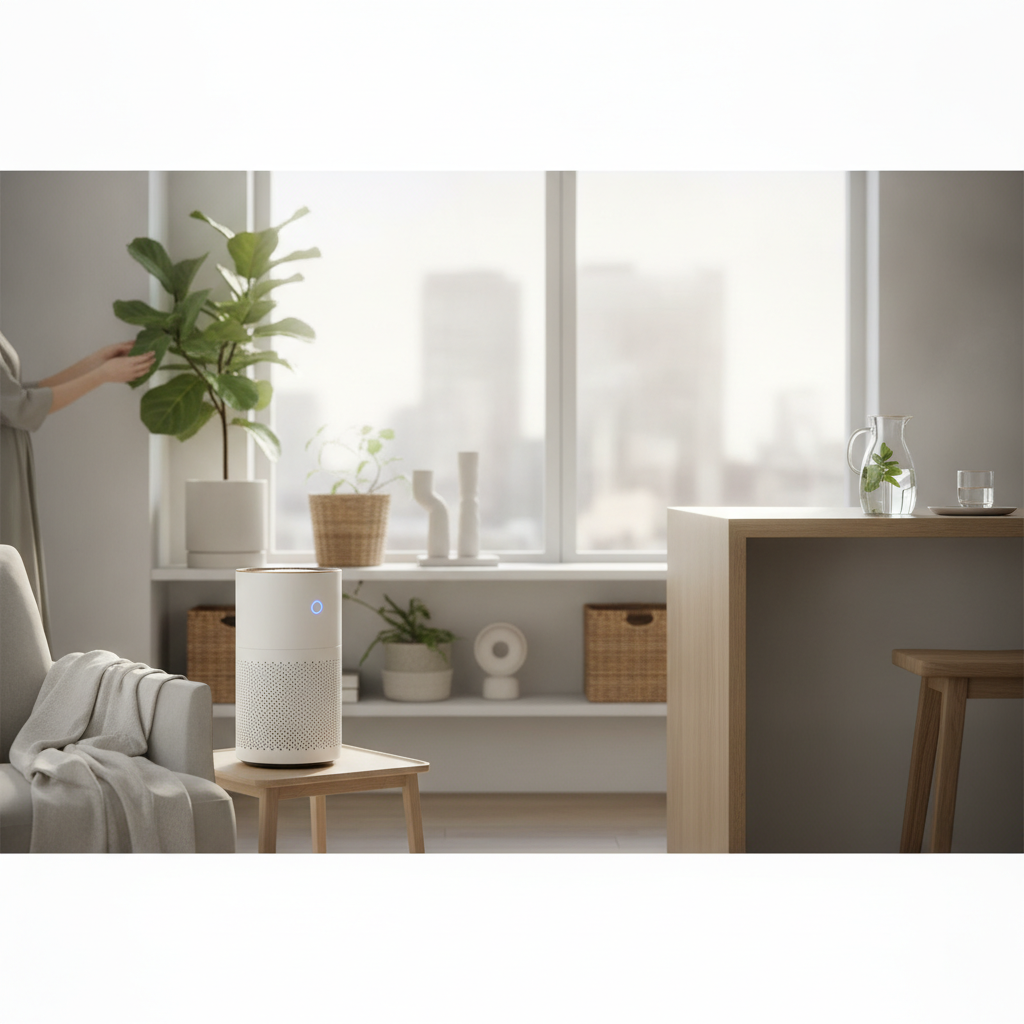
Understanding Indoor Air Quality Challenges
The air inside our homes can often be more polluted than the air outdoors, largely due to a combination of external pollutants seeping in and internal sources generating contaminants. Recognizing these challenges is crucial for addressing them effectively.
Common Indoor Air Pollutants
Indoor air can contain a diverse range of particles and gases, each with its own characteristics and potential impact on your environment. Common culprits include:
- Dust and Dust Mites: These ubiquitous particles are a mixture of skin flakes, fabric fibers, soil particles, and more. Dust mites, microscopic creatures that feed on organic detritus, thrive in dusty environments and can trigger allergic reactions.
- Pollen: Especially during certain seasons, pollen from trees, grasses, and weeds can easily enter homes through open windows or attach to clothing, becoming a significant allergen for many.
- Pet Dander: Tiny flakes of skin shed by pets, along with their fur, can become airborne and are a common cause of allergic symptoms.
- Mold Spores: Mold grows in damp areas and releases microscopic spores into the air. Inhaling these spores can cause respiratory issues and allergic reactions.
- Volatile Organic Compounds (VOCs): These are gases emitted from certain solids or liquids, including paints, varnishes, cleaning supplies, air fresheners, building materials, and furnishings. Exposure to VOCs can sometimes lead to short-term and long-term effects.
- Smoke and Odors: Tobacco smoke, cooking fumes, and other household odors can linger in the air, impacting freshness and potentially carrying particulate matter.
Impact of Poor Air Quality on Well-being
While the effects of poor indoor air quality can vary greatly among individuals, prolonged exposure to pollutants can contribute to a range of issues. These might include respiratory irritation, allergy symptoms like sneezing and coughing, and a general feeling of stuffiness or discomfort within the home. Addressing these concerns is a proactive step toward supporting a more comfortable and potentially healthier living space for everyone.
How Air Purifiers Work
Air purifiers function by drawing in ambient air, passing it through various filtration stages, and then releasing cleaner air back into the room. The effectiveness of an air purifier largely depends on the type and quality of its filtration system.
Filtration Technologies Explained
Different air purifiers utilize distinct technologies, often in combination, to target specific types of pollutants:
- HEPA Filtration: High-Efficiency Particulate Air (HEPA) filters are considered the gold standard for removing airborne particles. They are designed to capture at least 99.97% of airborne particles 0.3 micrometers in size, including dust, pollen, pet dander, and mold spores. They achieve this by physically trapping particles as air passes through a dense mat of fibers.
- Activated Carbon Filters: These filters are made from highly porous carbon material that excels at adsorbing gases, odors, and volatile organic compounds (VOCs). Unlike HEPA filters that trap particles, activated carbon chemically binds gas molecules to its surface, effectively neutralizing smells from cooking, pets, smoke, and chemicals.
- Pre-filters: Many air purifiers include a pre-filter as the first line of defense. This filter captures larger particles like hair, lint, and large dust chunks, protecting the more delicate HEPA filter and extending its lifespan.
- UV-C Light: Some purifiers incorporate UV-C lamps, which emit ultraviolet light. This technology is often included with the aim of reducing airborne microorganisms. It's important to understand that UV-C light's effectiveness in typical air purifier applications can vary and is often limited by exposure time and intensity. UV-C light is generally not effective against particulate matter or gases.
- Ionizers/Electrostatic Precipitators: These systems work by releasing charged ions into the air, which attach to airborne particles, causing them to become negatively charged. These charged particles are then attracted to an oppositely charged collector plate within the purifier or to nearby surfaces. While effective at removing particles, some ionizers can produce ozone, a lung irritant, as a byproduct. It is important to choose models that produce minimal or no ozone if considering this technology.
Mechanical vs. Electronic Filtration
Most effective air purifiers rely on mechanical filtration, primarily through HEPA and pre-filters, which physically trap particles. This method is generally considered safe and highly effective for particulate removal. Electronic filtration, such as ionizers, uses electrical charges. While electronic methods can be efficient, potential ozone production is a factor to consider for some models, making it important to research specific product specifications carefully.
Key Factors in Selecting an Efficient Air Purifier
Choosing the right air purifier involves more than just picking a model off the shelf. Several critical factors should guide your decision to ensure the device meets your specific needs and provides optimal performance.
Room Size and CADR (Clean Air Delivery Rate)
One of the most important metrics for an air purifier is its Clean Air Delivery Rate (CADR). Measured in cubic feet per minute (CFM), CADR indicates how quickly the purifier can remove specific pollutants (smoke, pollen, dust) from a room. A higher CADR means faster cleaning. It's essential to match the purifier's CADR to the size of the room where it will be used. Manufacturers typically provide recommended room sizes; aim for a model that can clean the air in your designated space several times per hour, ideally 4-5 air changes per hour (ACH), for optimal results.
Filter Type and Maintenance Costs
As discussed, HEPA and activated carbon filters are highly effective. When selecting a purifier, consider the types of filters it uses and their replacement schedule. Filters are consumable items, and their replacement costs can add up over time. Check the expected lifespan of each filter type (pre-filters might be washable, while HEPA and carbon filters typically need replacement every 6-12 months) and factor these ongoing expenses into your budget.
Noise Level Considerations
Air purifiers contain fans, and fans make noise. The noise level, usually measured in decibels (dB), can be a significant factor, especially if the purifier is intended for a bedroom or a quiet living area. Look for models with lower dB ratings, particularly on their lowest fan settings, or those with a
More from home living
Smart Strategies for a Seamlessly Organized Bathroom Space
Transform your bathroom from cluttered chaos to a serene, functional space. Discover practical methods for organizing toiletries, linens, and cleaning supplies, enhancing daily routines and maintaining a tidy environment with ease.
Smart Home Solutions for Enhanced Accessibility and Independent Living
Discover how smart home technology can significantly enhance accessibility and foster independent living for individuals of all abilities. Explore practical solutions for greater comfort, safety, and convenience in your daily routines.
Mastering Stain Removal: A Guide to Restoring Household Fabrics and Surfaces
Discover practical strategies for tackling common household stains on various fabrics and surfaces. This comprehensive guide provides actionable advice to help maintain the cleanliness and appearance of your home effectively.
Optimizing Your Home Office for Peak Productivity and Comfort
Discover how to transform your home office into a highly productive and ergonomically comfortable space. This guide covers essential setup considerations, organization tips, and environmental enhancements for modern remote work.