
Integrating Multi-functional Furniture for Enhanced Small Space Living
In contemporary residential design, particularly within urban environments where living spaces are often characterized by their compact dimensions, the strategic integration of multi-functional furniture presents a significant opportunity for optimizing utility and enhancing livability. This design approach centers on the selection and arrangement of furniture items that are engineered to serve more than one purpose, thereby allowing a single piece to adapt to various needs throughout the day or across different contexts. The inherent value of such pieces lies in their capacity to minimize clutter, conserve valuable floor area, and contribute to a more flexible and adaptable interior environment. This article delves into the foundational concepts of multi-functional furniture, explores its diverse forms, and outlines the key principles for its effective incorporation into small living spaces, considering both practical utility and aesthetic cohesion.
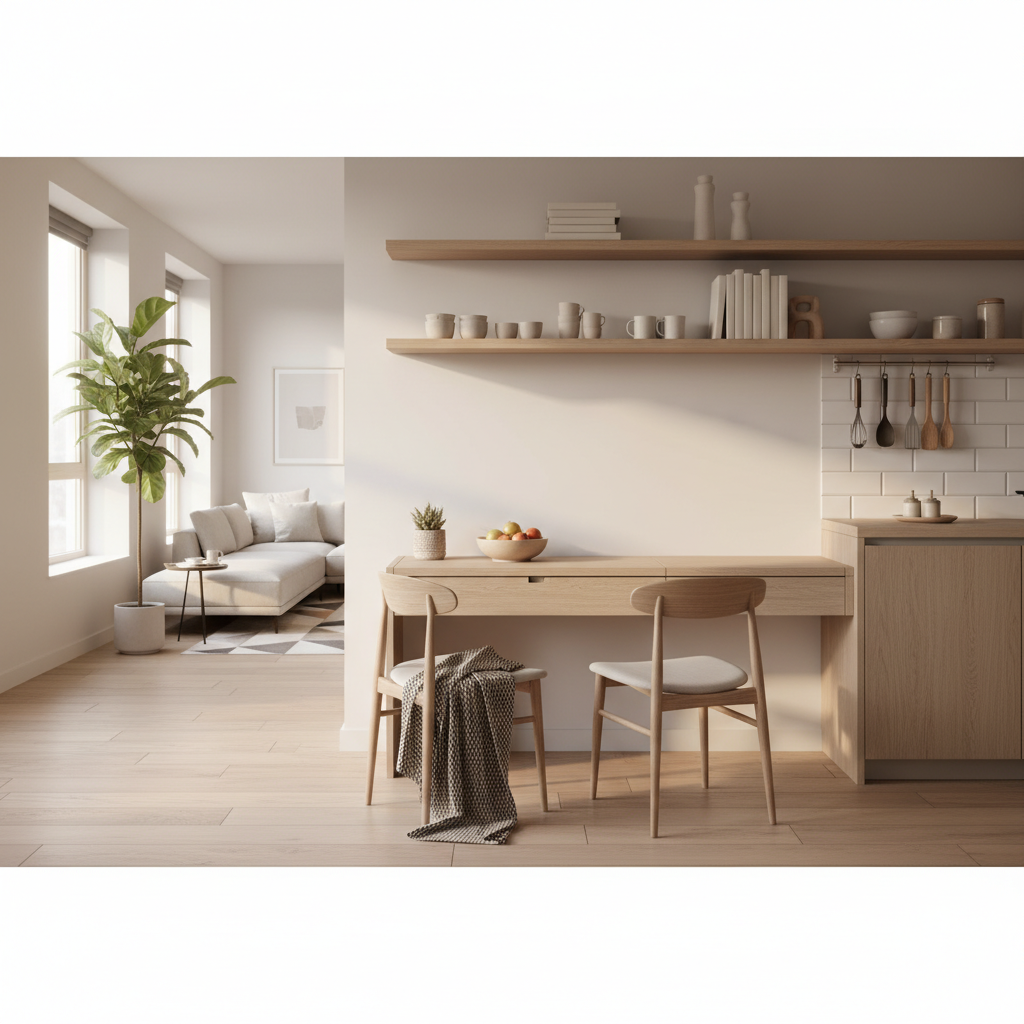
The Concept of Multi-functional Furniture
Multi-functional furniture, also known as convertible or adaptable furniture, refers to pieces designed with dual or multiple purposes, allowing them to transform or offer different functionalities as needed. This concept is distinct from simple storage solutions by virtue of its ability to change its primary function or offer a secondary, active use beyond mere containment. The evolution of multi-functional furniture is rooted in historical necessities, where space constraints in dwellings led to ingenious solutions for maximizing the utility of every item. Modern interpretations build upon these principles, integrating advanced mechanisms, lightweight materials, and contemporary aesthetics to meet the demands of diverse lifestyles.
The core principle behind multi-functional furniture is maximizing the utility derived from a single footprint. Instead of requiring separate pieces for distinct functions like sleeping, working, and dining, one item can often fulfill several roles. This approach is particularly valuable in studio apartments, micro-homes, or rooms with limited square footage, where every inch of space holds significance. The design often involves concealed components, retractable elements, or modular units that can be rearranged.
Benefits in Compact Living Environments
The strategic deployment of multi-functional furniture offers several advantages, especially within homes characterized by limited space.
Space Optimization
One of the most immediate benefits is the significant optimization of floor area. By consolidating multiple functions into a single piece, the need for numerous, dedicated items is reduced. For example, a sofa that converts into a bed eliminates the requirement for a separate guest room, freeing up that space for other uses such as a home office or a dining area. This consolidation contributes to a more open and less cluttered environment, which can enhance the perception of spaciousness.
Enhanced Versatility and Adaptability
Multi-functional pieces introduce a dynamic element into interior design, allowing a space to adapt to varying demands throughout the day or night. A living room can seamlessly transition into a workspace, a dining area, or a bedroom with minimal effort. This adaptability supports flexible living, accommodating spontaneous social gatherings, remote work needs, or temporary overnight guests without requiring significant structural changes or the introduction of additional furniture.
Aesthetic Cohesion and Reduced Clutter
By minimizing the total number of furniture items, multi-functional designs inherently contribute to a cleaner, more streamlined aesthetic. A reduced volume of furnishings can prevent a room from feeling visually overwhelmed or cramped. Furthermore, many multi-functional pieces incorporate hidden storage, which aids in decluttering and maintaining an organized appearance, promoting a sense of calm and order within the living environment.
Potential Cost Efficiency
While some highly specialized multi-functional furniture can be an investment, the approach can also lead to cost savings by reducing the overall quantity of furniture purchased. Acquiring one high-quality, adaptable piece that serves two or three functions may be more economical than buying multiple individual items, especially when considering the long-term value and durability of well-designed convertible furnishings.
Types of Multi-functional Furniture
Various categories of multi-functional furniture exist, each offering unique solutions for space efficiency.
Sofa Beds and Daybeds
Sofa beds are perhaps one of the most widely recognized forms of multi-functional furniture. They serve as comfortable seating during the day and can be converted into a sleeping surface for night-time use. Variations include pull-out mechanisms, futons, and click-clack models, each with distinct transformation processes. Daybeds typically feature a twin-sized mattress that functions as both a sofa and a bed, often accompanied by trundle beds or storage drawers underneath.
Storage Ottomans and Benches
Ottomans and benches with integrated storage compartments provide a convenient solution for stowing away blankets, magazines, or other household items. Beyond storage, these pieces can serve as extra seating, footrests, or even informal coffee tables when topped with a tray. Their versatility makes them suitable for living rooms, bedrooms, or entryways.
Nesting Tables and Expandable Dining Tables
Nesting tables consist of a set of tables of varying sizes that fit neatly within one another when not in use. They can be pulled out individually to serve as side tables or grouped together for a larger surface area. Expandable dining tables feature leaves or extension mechanisms that allow them to transform from a compact size suitable for daily meals to a larger table capable of accommodating guests, offering flexibility for entertaining in small dining areas.
Wall-Mounted Desks and Fold-Down Tables
For areas requiring a temporary workspace or dining surface, wall-mounted or fold-down desks and tables are effective solutions. These pieces attach to the wall and can be folded up when not in use, freeing up floor space. Some designs incorporate shelving or storage compartments, further enhancing their utility. They are particularly beneficial in studio apartments or kitchens where permanent fixtures would impede movement.
Storage Beds and Platform Beds with Drawers
Storage beds are designed with integrated drawers or lift-up mechanisms that reveal substantial storage space beneath the mattress. This eliminates the need for bulky dressers or under-bed storage containers, providing a discreet and efficient way to store linens, clothing, or other personal items directly within the bedroom furniture. Platform beds often feature built-in drawers, combining the sleeping surface with practical storage solutions.
Modular Shelving and Cabinet Systems
Modular systems consist of individual units that can be arranged and rearranged to create customized storage and display solutions. These systems can be adapted to serve as bookshelves, entertainment units, room dividers, or even integrated desk spaces. Their reconfigurable nature allows them to evolve with changing needs or be adapted to new living spaces, offering significant long-term flexibility.
Design Principles for Integrating Multi-functional Pieces
Effective integration of multi-functional furniture requires careful consideration of several design principles to ensure both practicality and aesthetic appeal.
Scale and Proportion
The size of multi-functional furniture relative to the room's dimensions is crucial. Pieces that are too large can overwhelm a small space, making it feel more cramped. Conversely, items that are too small might not adequately fulfill their intended functions. Careful measurement of both the furniture and the designated area, including consideration of its fully extended or transformed state, is essential to ensure proper fit and balance. The visual weight of a piece also plays a role; lighter colors or designs with visible legs can contribute to a sense of openness.
Flow and Accessibility
Ensuring unobstructed movement within the room is paramount. Multi-functional furniture should be positioned so that its transformation mechanisms are easily accessible and do not block pathways or doors when deployed. For instance, a sofa bed should have sufficient clearance to extend into a bed without clashing with other furniture. Planning the layout to facilitate smooth transitions between different functions is key to a harmonious living environment.
Aesthetic Cohesion
While functionality is a primary driver, the aesthetic integration of multi-functional furniture is equally important. Pieces should complement the existing decor and architectural style of the space. Considerations include matching or harmonizing colors, materials, and overall design language. A cohesive aesthetic contributes to a unified and sophisticated look, preventing the space from appearing disjointed or utilitarian.
Material and Durability Considerations
Given that multi-functional furniture undergoes frequent transformations and serves varied purposes, the choice of materials is critical for durability and longevity. Robust frames, high-quality upholstery, and reliable mechanical components are essential to withstand repeated use. Materials should also be easy to clean and maintain, supporting the demands of a versatile piece that may serve as seating, sleeping, or dining surfaces. Examining the quality of hinges, glides, and locking mechanisms ensures the furniture functions reliably over time.
Considerations for Selection and Placement
When selecting and placing multi-functional furniture, a thorough assessment of individual needs and the specific characteristics of the living space is necessary. Evaluating daily routines helps determine which functions are most critical and how frequently transformations will occur. Precise measurements, including doorways and hallways for delivery, are fundamental. It is also beneficial to understand the various transformation mechanisms available for each furniture type, considering ease of use and the physical effort required. Planning for long-term flexibility, anticipating future changes in lifestyle or living arrangements, can also guide the selection process, ensuring the chosen pieces remain relevant and useful over time. The successful integration of multi-functional furniture hinges on a balance between practical necessity and thoughtful design, creating adaptable and inviting living environments.
More from home living
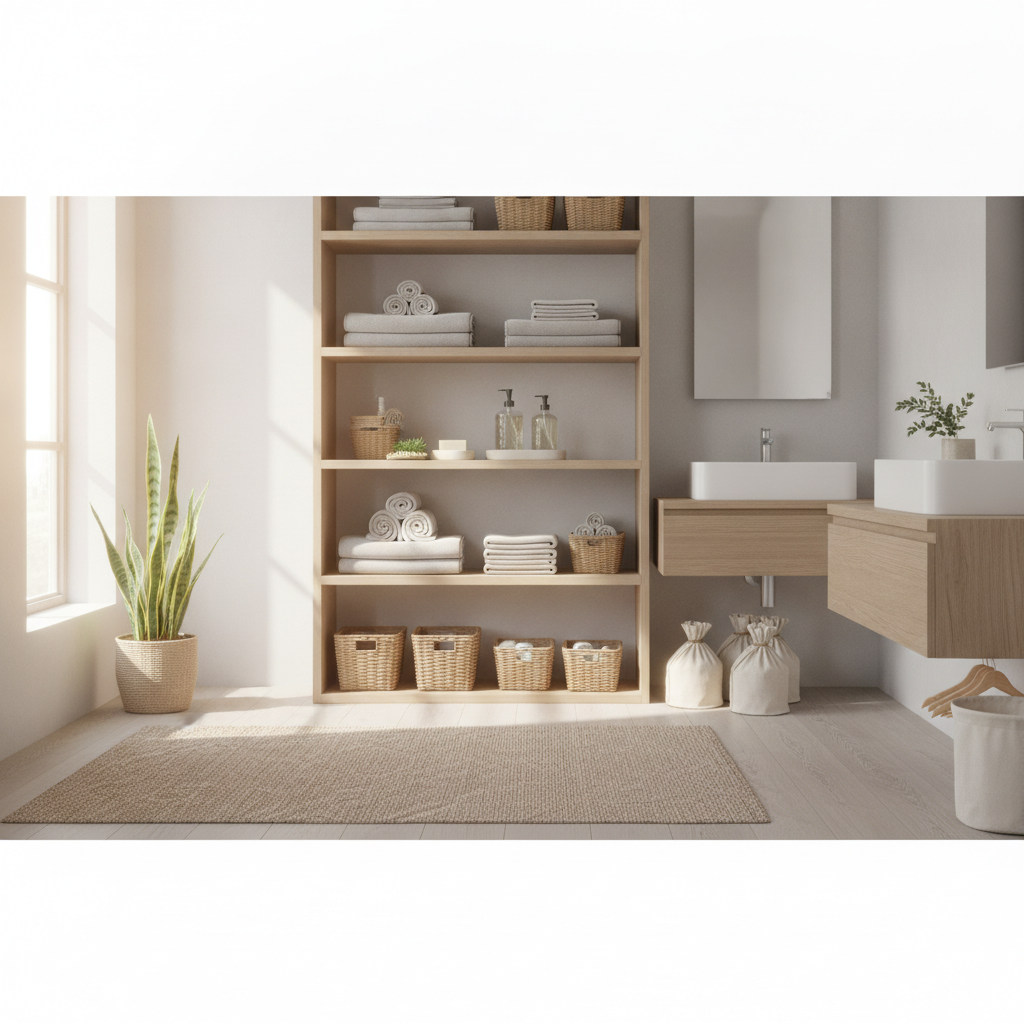
Smart Strategies for a Seamlessly Organized Bathroom Space
Transform your bathroom from cluttered chaos to a serene, functional space. Discover practical methods for organizing toiletries, linens, and cleaning supplies, enhancing daily routines and maintaining a tidy environment with ease.
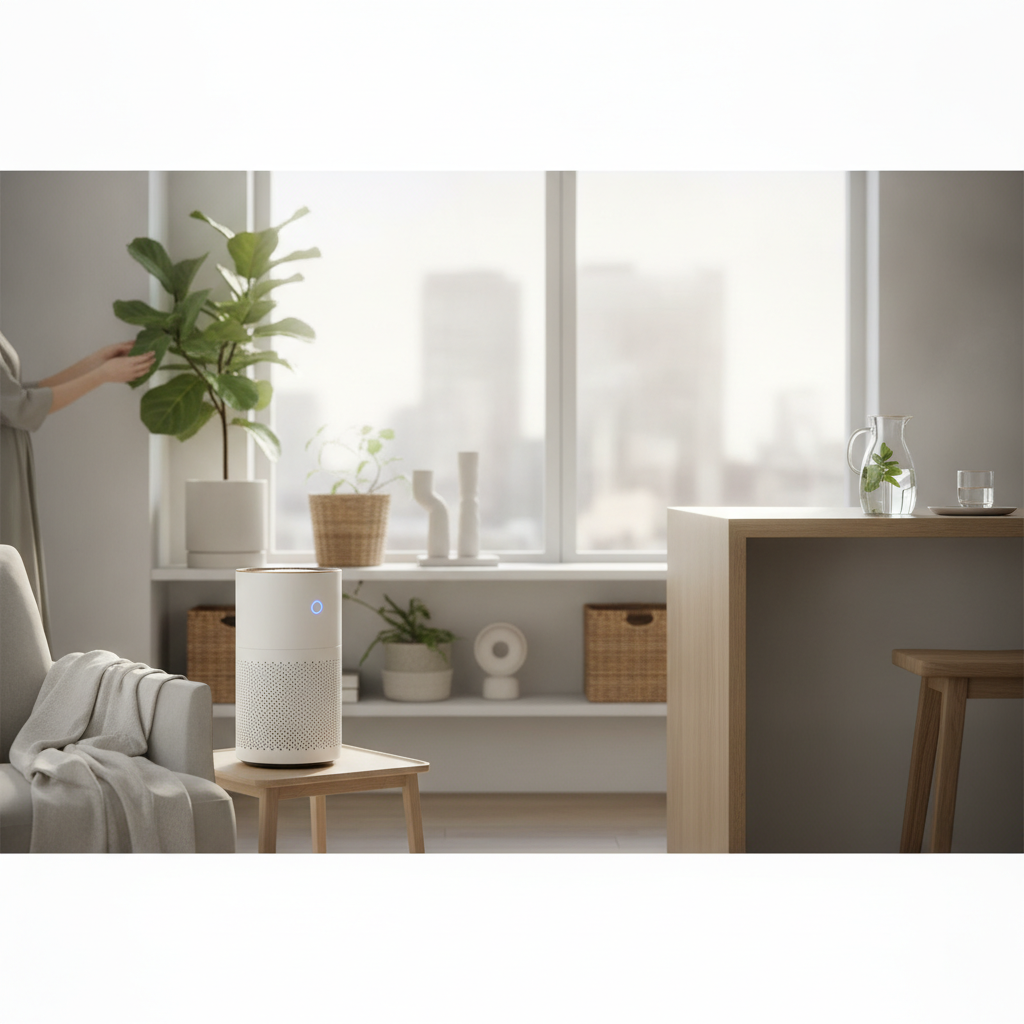
Selecting and Using Efficient Air Purifiers for Improved Indoor Air Quality
Discover how air purifiers can significantly enhance your home's indoor air quality. Learn about common pollutants, essential filtration technologies, and key factors for choosing the right device to create a healthier living environment.
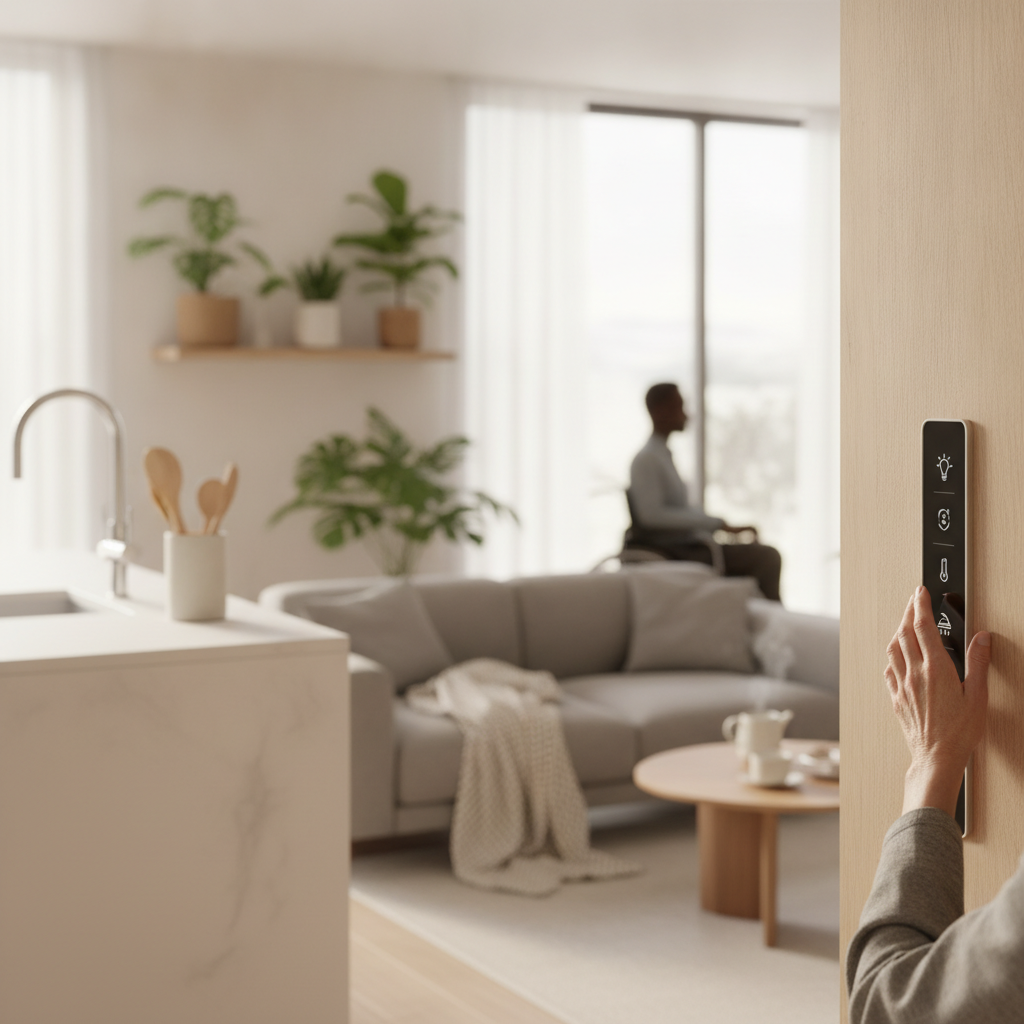
Smart Home Solutions for Enhanced Accessibility and Independent Living
Discover how smart home technology can significantly enhance accessibility and foster independent living for individuals of all abilities. Explore practical solutions for greater comfort, safety, and convenience in your daily routines.

Mastering Stain Removal: A Guide to Restoring Household Fabrics and Surfaces
Discover practical strategies for tackling common household stains on various fabrics and surfaces. This comprehensive guide provides actionable advice to help maintain the cleanliness and appearance of your home effectively.