
Integrating Sustainable Practices into Home Organization Systems
Sustainable home organization involves the systematic arrangement of living spaces while prioritizing ecological responsibility and long-term environmental impact. This approach moves beyond mere tidiness, integrating principles that reduce waste, conserve resources, and promote mindful consumption. It considers the entire lifecycle of possessions, from acquisition to disposal, aiming to minimize environmental footprints. Understanding the foundations of sustainable organization provides individuals with frameworks for creating functional, aesthetically pleasing, and environmentally conscious living environments. This article explores the core tenets, practical methods, and overarching benefits associated with adopting sustainable organizational strategies within a household context, detailing how various principles contribute to both environmental stewardship and an orderly living space.
Understanding Sustainable Home Organization
Sustainable home organization is a methodology that applies environmental principles to the practice of managing household items and spaces. It is distinct from conventional organization methods primarily through its emphasis on the ecological impact of consumption, storage, and disposal choices. The objective is not only to create an efficient and clutter-free environment but also to do so in a manner that supports ecological health and reduces resource depletion. This involves making informed decisions about what enters the home, how it is maintained, and how it exits, fostering a cycle of responsibility.
This approach often aligns with broader concepts of minimalism and conscious living, advocating for a reduction in overall possessions to decrease demand for new goods and the associated production waste. It encourages a shift from a disposable mindset to one that values durability, repair, and circular economy principles. Implementing sustainable organization can lead to a more streamlined home that functions effectively with a reduced environmental footprint, benefiting both the occupants and the planet.
Core Principles of Sustainable Practices in the Home
The foundation of sustainable home organization rests on several interconnected principles that guide decision-making regarding possessions. These principles are designed to minimize waste and maximize the utility of existing resources.
Reducing Consumption
Reducing consumption is a fundamental tenet. It involves consciously limiting the acquisition of new items, especially those that are non-essential, have short lifespans, or are produced with significant environmental costs. This principle encourages thoughtful purchasing, where items are acquired based on genuine need, durability, and multi-functionality rather than impulsive desires. Evaluating existing resources before considering new purchases helps prevent accumulation and reduces demand on raw materials.
Reusing and Repurposing Items
Before discarding an item, its potential for reuse or repurposing is considered. Reusing involves finding alternative applications for an item in its current form, such as using glass jars for food storage or old t-shirts as cleaning rags. Repurposing, on the other hand, entails transforming an item into something new with a different function, like converting a dresser into a workbench or using discarded wood pallets for furniture construction. These practices extend the life cycle of materials and divert waste from landfills.
Repairing and Maintaining Possessions
Repairing broken or damaged items rather than replacing them is a key sustainable practice. This approach applies to clothing, electronics, furniture, and appliances. Regular maintenance, such as cleaning, oiling, or sharpening, also contributes to extending the lifespan of possessions, thereby reducing the need for new purchases and conserving the resources that would be expended in manufacturing replacements. Access to repair services or the development of personal repair skills supports this principle.
Recycling and Responsible Disposal
When items can no longer be reused, repurposed, or repaired, responsible disposal becomes the next consideration. This involves adhering to local recycling guidelines for materials such as paper, plastic, glass, and metal. For items that cannot be recycled through conventional means, such as electronics (e-waste), batteries, or hazardous chemicals, specialized recycling programs or disposal facilities are utilized. The goal is to minimize waste sent to landfills and ensure that materials are processed in an environmentally sound manner.
Decluttering with Environmental Consciousness
Decluttering is an integral part of home organization, and when approached with environmental consciousness, it transforms into a process of mindful resource management. This involves evaluating items for their continued utility and environmental impact.
Assessing Item Lifecycles
Before an item is removed from a living space, an assessment of its lifecycle is often conducted. This involves considering how long an item has been used, its current condition, and its potential for future use by the current owner or others. Items that are broken beyond repair or have served their purpose are evaluated for their material composition to determine the most responsible disposal method.
Donation and Gifting Strategies
Items that are still functional and in good condition but are no longer needed can be donated to charitable organizations, thrift stores, or shared within community networks. Gifting items to friends or family members who can use them also extends their lifecycle. This method ensures that items continue to serve a purpose, preventing them from being discarded prematurely and reducing demand for new products.
Selling and Swapping Networks
For items of value that are no longer desired, selling them through online marketplaces, consignment shops, or garage sales offers another sustainable option. Participating in clothing swaps or other item exchange events provides opportunities to acquire needed items without new purchases, fostering a circular flow of goods within a community. These methods allow items to find new homes and users, supporting a more resource-efficient economy.
Composting and Specialized Recycling
Organic waste, such as food scraps and garden trimmings, can be composted, returning nutrients to the soil and reducing landfill waste. For items with specific material compositions, such as certain textiles or complex electronics, specialized recycling programs are sought out. These programs ensure that materials are broken down and reused in industrial processes, rather than contributing to pollution or resource depletion.
Sustainable Storage Solutions
Effective storage is crucial for maintaining an organized home, and sustainable solutions prioritize materials, durability, and adaptability.
Utilizing Natural Materials
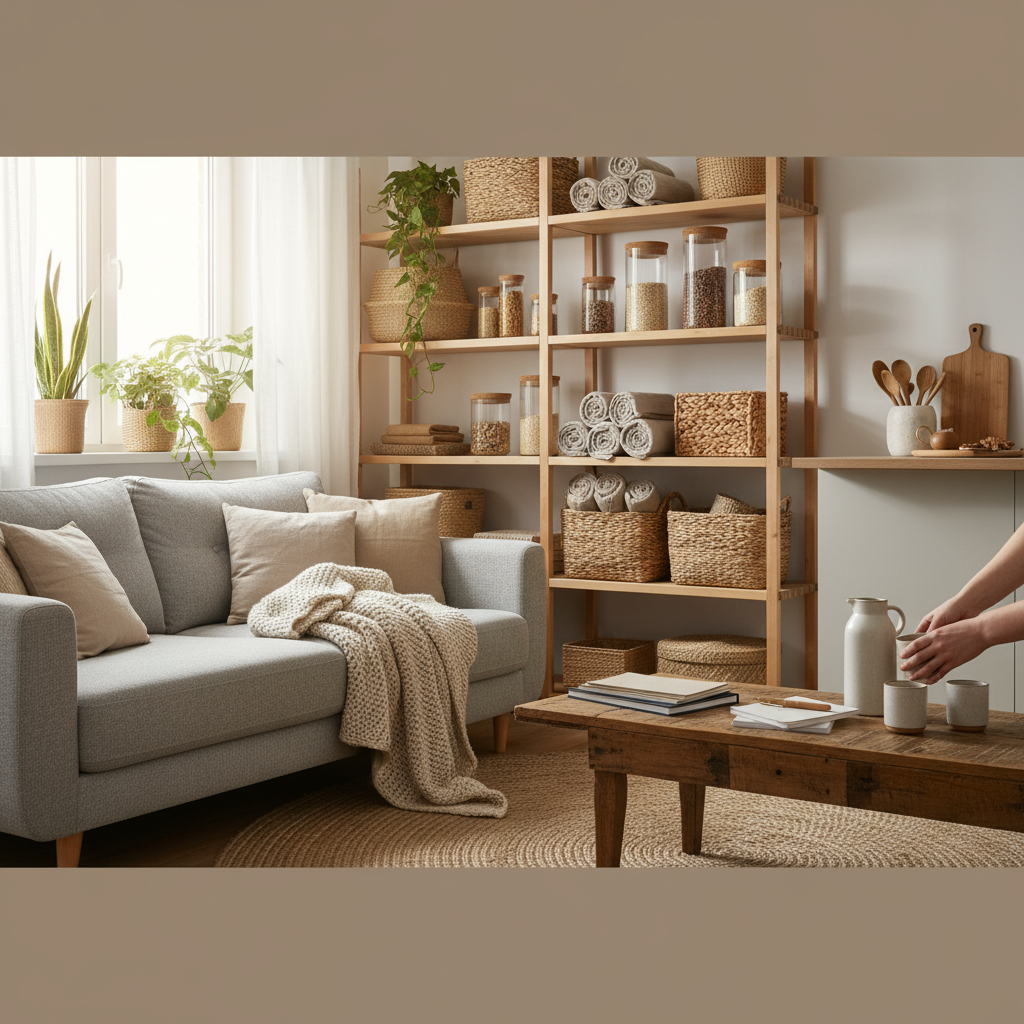
Storage containers and furniture made from natural, renewable, or recycled materials are favored. Options include wood, bamboo, wicker, natural fibers like cotton or jute, and recycled metal or glass. These materials often have lower environmental footprints in their production and are typically biodegradable or easily recyclable at the end of their useful life. Avoiding plastic where possible, especially single-use varieties, aligns with this principle.
Choosing Durable and Versatile Items
Investing in storage solutions that are built to last reduces the frequency of replacement. Durable furniture and containers minimize waste associated with frequent breakage or obsolescence. Versatile items that can serve multiple functions or adapt to changing needs also contribute to sustainability, as they prevent the need for additional specialized purchases. For example, a bench with integrated storage offers both seating and concealment.
Vertical and Modular Systems
Optimizing space utilization reduces the need for larger homes or excessive storage units, which can have environmental impacts related to construction and energy consumption. Vertical storage, such as tall shelving units or wall-mounted organizers, maximizes cubic footage. Modular systems allow for flexible configuration and expansion, adapting to evolving storage requirements without needing entirely new units, thus promoting longevity and efficiency.
Maintaining a Sustainable Organized Home
Sustaining an organized and environmentally conscious home requires ongoing effort and mindful habits.
Regular Audits and Review
Periodically reviewing possessions and storage systems helps to prevent re-accumulation and ensures that the organizational framework remains effective. These audits allow for the re-evaluation of items that may have become obsolete or are no longer serving a purpose, prompting decisions about their responsible reintegration into the lifecycle of goods through donation, sale, or recycling. This proactive approach helps maintain equilibrium in the home's contents.
Mindful Purchasing Habits
Maintaining a sustainably organized home is significantly supported by the adoption of mindful purchasing habits. This involves thoughtful consideration before acquiring any new item, asking questions about its necessity, durability, environmental impact, and end-of-life plan. Prioritizing quality over quantity, choosing items with minimal packaging, and opting for second-hand items whenever possible are all practices that reinforce sustainable home organization principles. This ongoing vigilance at the point of entry into the home is critical for preventing clutter and minimizing ecological burdens.
Benefits of Sustainable Home Organization
The adoption of sustainable home organization practices yields a range of benefits that extend beyond mere tidiness.
Environmental Impact Reduction
Perhaps the most direct benefit is the reduction in environmental impact. By minimizing consumption, extending product lifecycles, and ensuring responsible disposal, individuals contribute to conserving natural resources, reducing landfill waste, and lowering carbon footprints associated with manufacturing and transportation. This collective action supports broader ecological health and sustainability goals.
Financial Considerations
Sustainable practices often lead to financial savings. Reducing new purchases, repairing items instead of replacing them, and utilizing existing resources more effectively can decrease household expenditures over time. Selling unwanted items also generates income, while the longevity of durable goods means less frequent investment in replacements, contributing to a more economical lifestyle.
Improved Well-being and Mental Clarity
Living in an organized and clutter-free environment can positively impact an individual's well-being and mental state. A home that is sustainably organized often feels calmer and more intentional, fostering a sense of control and reducing stress. Knowing that one's living choices are also environmentally responsible can contribute to a sense of purpose and peace, enhancing overall quality of life by aligning daily practices with personal values.
More from home living
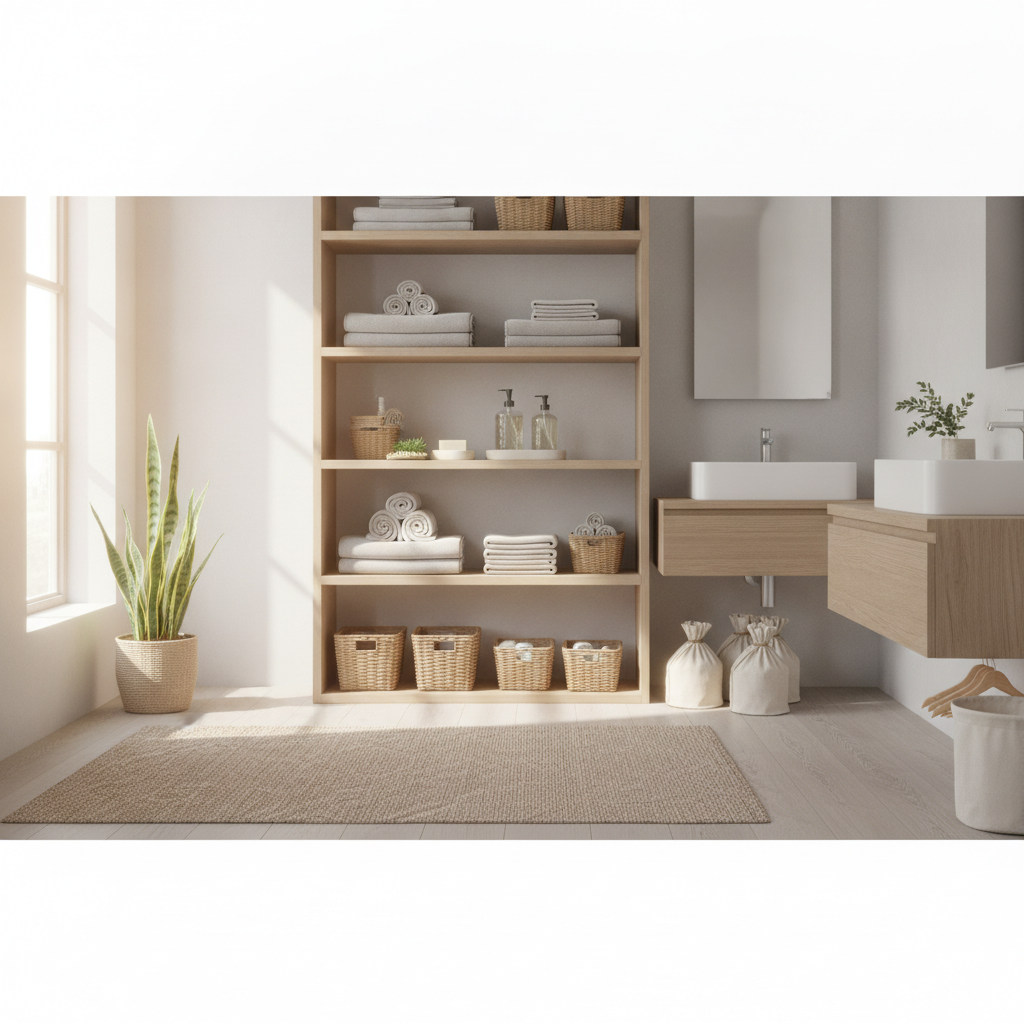
Smart Strategies for a Seamlessly Organized Bathroom Space
Transform your bathroom from cluttered chaos to a serene, functional space. Discover practical methods for organizing toiletries, linens, and cleaning supplies, enhancing daily routines and maintaining a tidy environment with ease.
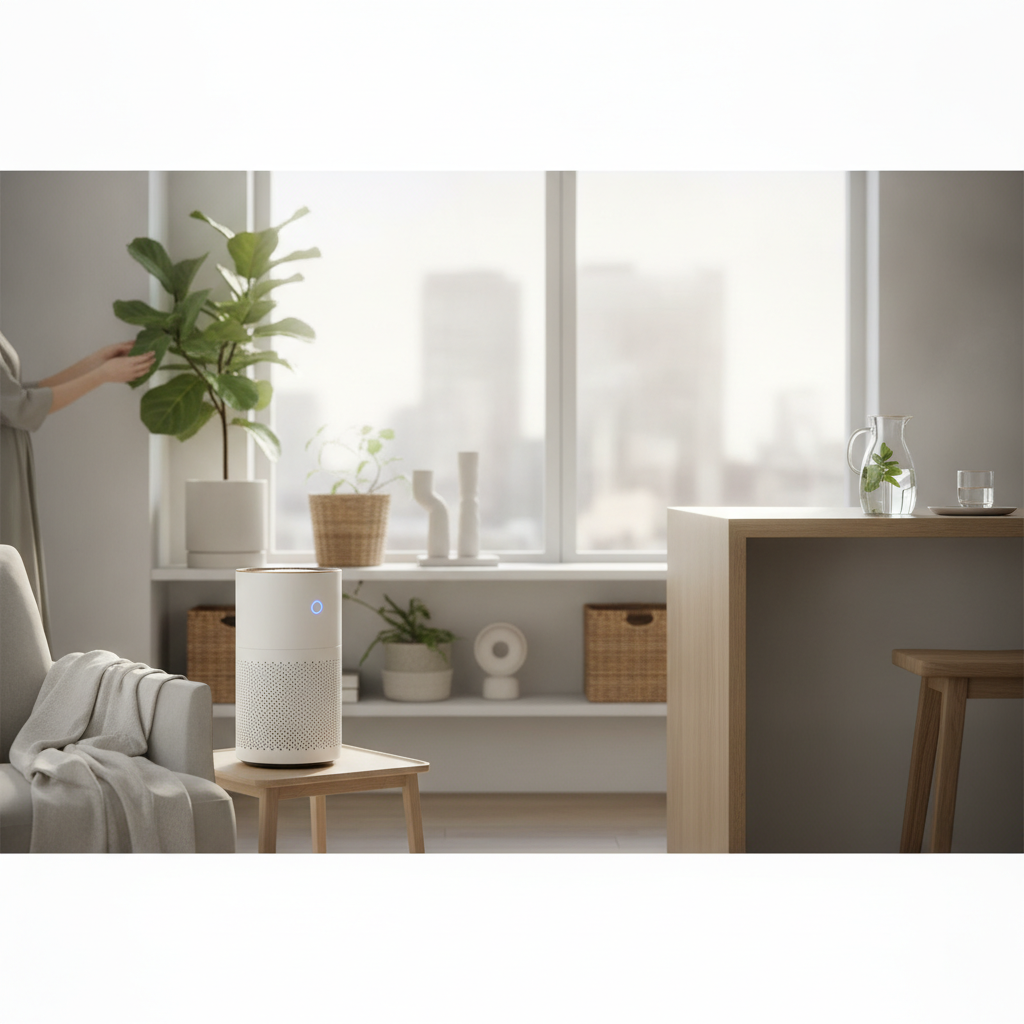
Selecting and Using Efficient Air Purifiers for Improved Indoor Air Quality
Discover how air purifiers can significantly enhance your home's indoor air quality. Learn about common pollutants, essential filtration technologies, and key factors for choosing the right device to create a healthier living environment.

Smart Home Solutions for Enhanced Accessibility and Independent Living
Discover how smart home technology can significantly enhance accessibility and foster independent living for individuals of all abilities. Explore practical solutions for greater comfort, safety, and convenience in your daily routines.
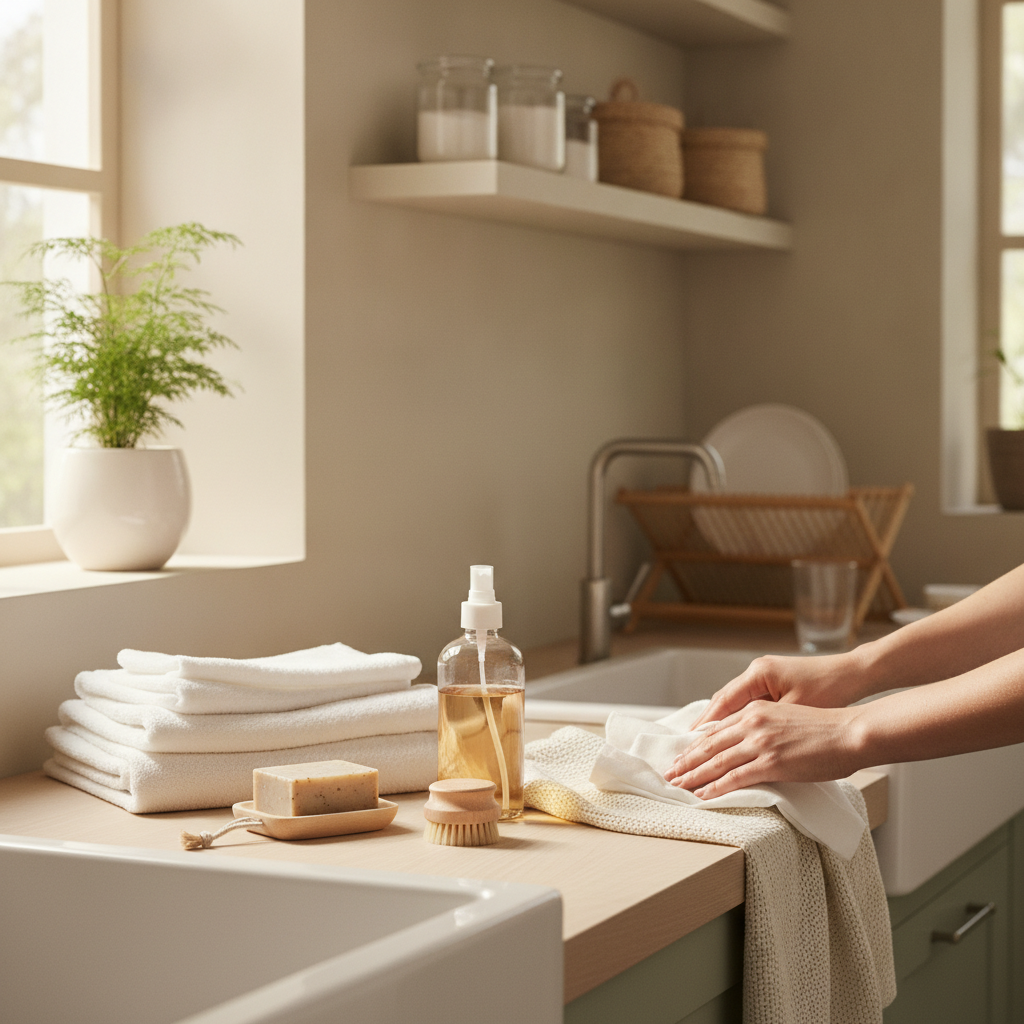
Mastering Stain Removal: A Guide to Restoring Household Fabrics and Surfaces
Discover practical strategies for tackling common household stains on various fabrics and surfaces. This comprehensive guide provides actionable advice to help maintain the cleanliness and appearance of your home effectively.