
Integrating Vintage and Antique Elements into Contemporary Home Interiors
The practice of integrating vintage and antique elements into contemporary home interiors represents a sophisticated approach to interior design, allowing for the creation of spaces that possess unique character, historical depth, and a curated aesthetic. This method moves beyond purely modern or traditional styles by intentionally juxtaposing items from different periods, resulting in an environment that reflects a layered sensibility rather than a singular design era. Understanding the nuances of this integration, from identifying suitable pieces to balancing diverse aesthetics, is essential for achieving a cohesive and visually appealing outcome. This article delves into the underlying appeal of this design philosophy, clarifies the distinctions between vintage and antique items, and outlines effective strategies for their seamless incorporation into modern living spaces.
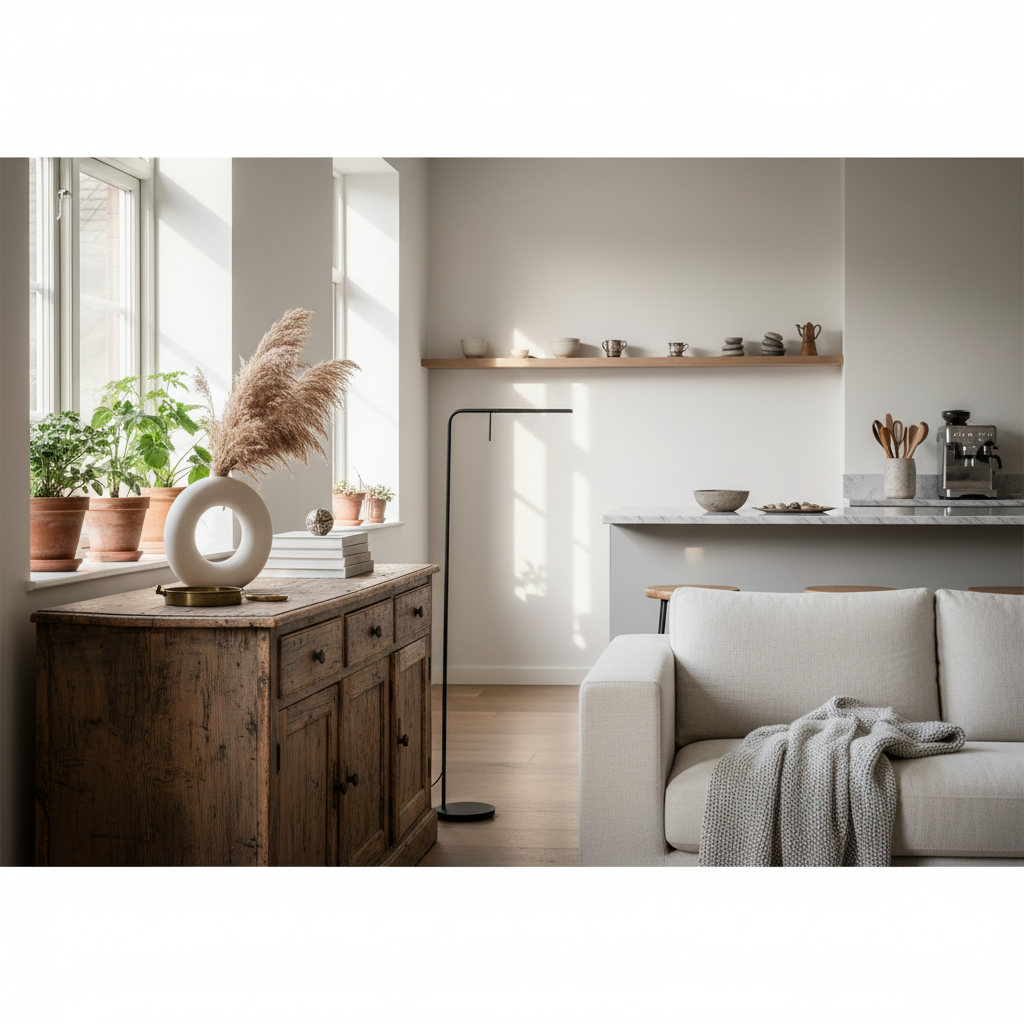
The Appeal of Blending Eras
Blending items from different historical periods with contemporary design offers several distinct advantages. It introduces a sense of individuality and storytelling into a space, as each vintage or antique piece often carries its own history and craftsmanship that is distinct from mass-produced modern items. This approach can prevent a room from feeling overly sterile or predictable, injecting personality and warmth. Furthermore, integrating older pieces promotes a degree of sustainability by giving new life to existing objects, reducing the demand for new manufacturing. The contrast between old and new can also highlight the unique qualities of each item, making both the vintage and the modern elements stand out in a complementary manner.
Distinguishing Vintage from Antique
For effective integration, it is helpful to understand the commonly accepted classifications of older items. Vintage items are generally considered to be objects that are at least 20 years old but less than 100 years old. These can encompass a wide range of styles from the early to late 20th century, reflecting trends such as Mid-Century Modern, Art Deco, or Retro. Antique items, on the other hand, are typically defined as objects that are 100 years old or older. This category includes pieces from eras like Victorian, Georgian, or Colonial. The distinction is not merely semantic; it often influences the item's material, construction, potential value, and the level of care or restoration it might require. Both vintage and antique pieces can contribute significantly to a blended interior, each bringing a different historical weight and aesthetic.
Foundational Principles for Integration
Successful integration of vintage and antique elements relies on adherence to several core design principles that ensure harmony and balance within a space.
Achieving Balance and Harmony
Maintaining balance is paramount when combining different eras. This involves considering the scale and proportion of items in relation to the overall space and other furnishings. A single large antique armoire, for example, might be balanced by sleek, low-profile modern seating. Overloading a room with too many dominant pieces, regardless of their origin, can create visual clutter. The goal is to achieve a visual dialogue where neither the vintage nor the modern elements overpower the other, but rather complement and enhance the overall aesthetic.
Establishing a Cohesive Color Palette
A unifying color palette serves as a powerful tool for tying together disparate elements from various time periods. Even if individual pieces have different historical styles, a consistent or complementary color scheme across the room can create a sense of cohesion. This can involve using a neutral base color for walls and larger furniture items, then introducing accent colors through vintage accessories, textiles, or art. Alternatively, selecting vintage pieces that already align with or can be adapted to a modern color scheme can streamline the integration process.
Considering Texture and Material Contrast
Texture and material play a significant role in creating a rich and interesting interior. The interplay between the smooth, often industrial finishes of modern items and the aged patinas of vintage wood, ornate metals, or classic upholstery fabrics can add depth. Contrasting materials, such as a weathered antique wooden chest placed alongside a contemporary glass and metal coffee table, can highlight the unique qualities of each piece, contributing to a dynamic and visually engaging environment. The strategic use of textiles, from vintage rugs to modern throws, also contributes to this textural richness.
Strategies for Incorporating Vintage Elements
Various strategies can be employed to effectively weave vintage and antique pieces into a contemporary setting, ranging from subtle accents to prominent focal points.
Statement Pieces as Focal Points
Utilizing a singular, significant vintage or antique item as a focal point in a room is an effective strategy. This could be a grand antique chandelier, a beautifully carved wooden dresser, or a distinctive mid-century armchair. When such a piece is surrounded by otherwise modern furnishings, its unique character is amplified, drawing the eye and anchoring the room. The surrounding modern elements then serve to highlight the vintage item, creating a sense of deliberate contrast and emphasis.
Accessorizing with Smaller Items
For a less committal approach, smaller vintage or antique accessories can be dispersed throughout a modern space. This includes items such as vintage mirrors, lamps, pottery, glassware, art prints, or decorative boxes. These smaller pieces add layers of personality and historical nuance without requiring a major design overhaul. They can be particularly effective in styling shelves, coffee tables, or sideboards, offering subtle nods to the past.
Repurposing and Upcycling
Repurposing involves giving a vintage item a new function that differs from its original intent. For instance, an old wooden trunk can be transformed into a coffee table or storage unit, or vintage suitcases can be stacked to create a unique side table. Upcycling, a related concept, refers to modifying an item to update its aesthetic while retaining its original form. This might involve repainting an antique cabinet in a modern color, reupholstering a vintage chair with contemporary fabric, or polishing an old brass lamp to restore its luster. These methods allow for customization and ensure the vintage piece aligns with current design sensibilities.
Mixing Furniture Styles
Thoughtfully combining furniture from different periods within the same space can create a dynamic and eclectic interior. A modern sofa paired with antique side tables, or contemporary dining chairs around a vintage farmhouse table, exemplify this approach. The key to success lies in identifying commonalities—perhaps a shared material like wood, a similar line or form, or a consistent color—that help to bridge the stylistic gaps and create an overarching sense of design continuity.
Practical Considerations for Vintage Finds
When sourcing and integrating vintage or antique items, several practical aspects warrant attention to ensure longevity and suitability.
Condition and Restoration
Before acquiring any vintage or antique piece, a thorough inspection of its condition is advisable. This includes checking for structural integrity, significant damage, wear and tear, and functionality. Some items may require minor repairs, cleaning, or professional restoration to bring them to a usable or aesthetically pleasing state. Understanding the potential costs and effort involved in restoration is crucial for making informed decisions.
Authenticity and Value
For those interested in items with historical significance or potential investment value, understanding the authenticity and provenance of an antique is important. While not always necessary for aesthetic integration, knowledge of an item's history can enhance its appreciation and provide richer context within a design scheme. Consulting with experts or conducting research can offer insights into these aspects.
Sourcing and Selection
Vintage and antique items can be sourced from a variety of locations, including dedicated antique shops, flea markets, estate sales, online marketplaces, and specialized auctions. The selection process should focus on identifying pieces that resonate with the desired aesthetic, are in suitable condition, and fit the functional and spatial requirements of the contemporary interior. Careful consideration of an item's size, style, and potential for integration is essential.
The Impact on Interior Ambiance
The deliberate integration of vintage and antique elements into modern decor ultimately shapes the ambiance of a residential space. It moves beyond transient trends, fostering an environment that feels lived-in, thoughtfully assembled, and deeply personal. This approach yields interiors that exude a sense of permanence and cultivated taste, offering a unique blend of historical narrative and contemporary living. The result is often a warm, inviting, and visually stimulating home that tells a story and offers timeless appeal.
More from home living
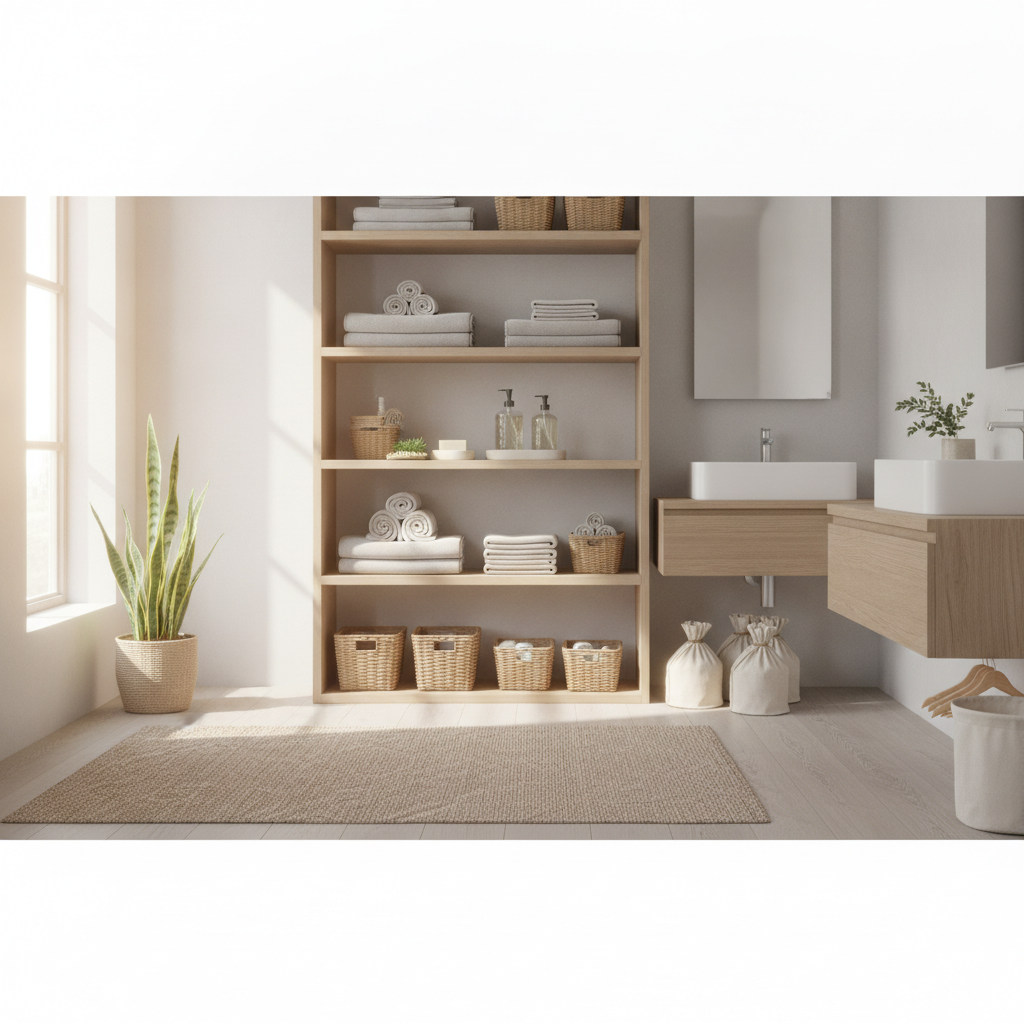
Smart Strategies for a Seamlessly Organized Bathroom Space
Transform your bathroom from cluttered chaos to a serene, functional space. Discover practical methods for organizing toiletries, linens, and cleaning supplies, enhancing daily routines and maintaining a tidy environment with ease.
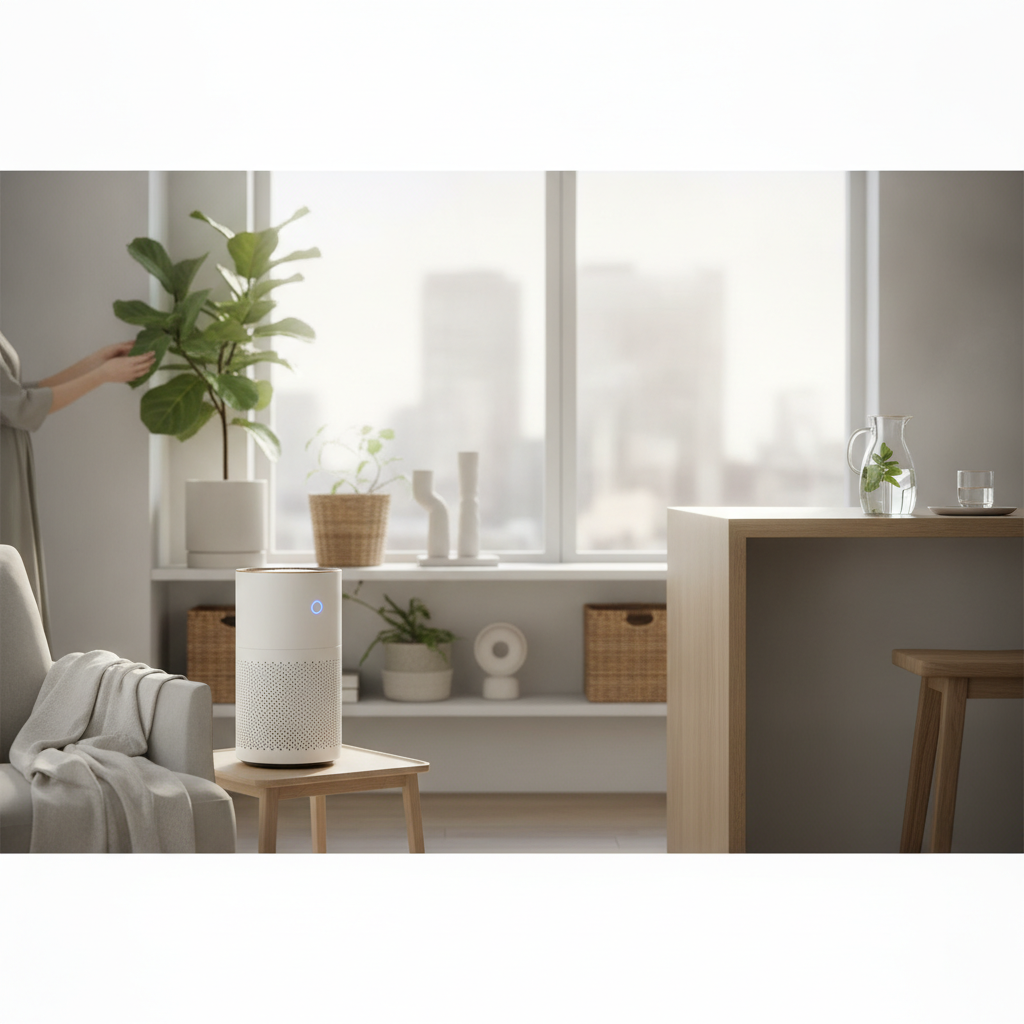
Selecting and Using Efficient Air Purifiers for Improved Indoor Air Quality
Discover how air purifiers can significantly enhance your home's indoor air quality. Learn about common pollutants, essential filtration technologies, and key factors for choosing the right device to create a healthier living environment.
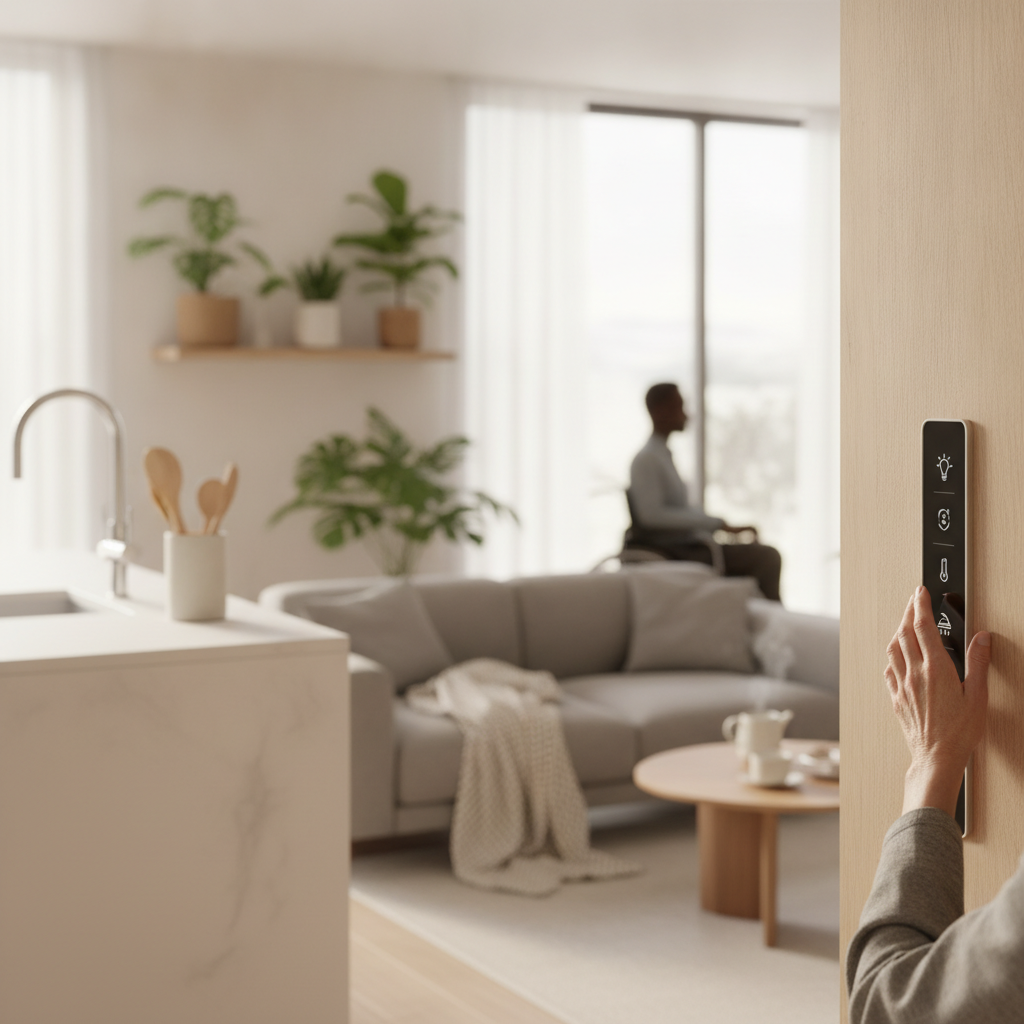
Smart Home Solutions for Enhanced Accessibility and Independent Living
Discover how smart home technology can significantly enhance accessibility and foster independent living for individuals of all abilities. Explore practical solutions for greater comfort, safety, and convenience in your daily routines.
Mastering Stain Removal: A Guide to Restoring Household Fabrics and Surfaces
Discover practical strategies for tackling common household stains on various fabrics and surfaces. This comprehensive guide provides actionable advice to help maintain the cleanliness and appearance of your home effectively.