
Maximizing Utility: Principles for Efficient Laundry Room Design and Organization
The laundry room, often considered a purely utilitarian space, holds significant potential for enhancing household efficiency and reducing domestic friction. Far from being merely a repository for washing machines and dryers, a thoughtfully designed laundry area can streamline the entire process of fabric care, from sorting and washing to drying, folding, and temporary storage. Optimizing this space involves a strategic approach to layout, appliance selection, storage solutions, and ergonomic considerations, transforming a mundane chore into a more manageable and even pleasant task. This article explores fundamental principles and practical strategies for designing and organizing laundry rooms to maximize their utility, regardless of their size or location within a home. The goal is to create a functional environment that supports an efficient workflow, minimizes wasted effort, and contributes positively to the overall order and tranquility of a household.
Understanding Workflow Zones
An efficient laundry room design is predicated on establishing clear workflow zones that mimic the natural progression of laundry tasks. By segmenting the space, each step of the process becomes more intuitive and less prone to disruption.
Sorting and Pre-treatment Zone
This initial zone typically requires space for hampers or bins to separate clothes by color, fabric type, or care instructions. Integration of a countertop or a small utility sink in this area allows for immediate pre-treatment of stains, minimizing the need to transfer soiled items to another location. Adequate lighting is crucial here to accurately identify and address stains before washing.
Washing and Drying Zone
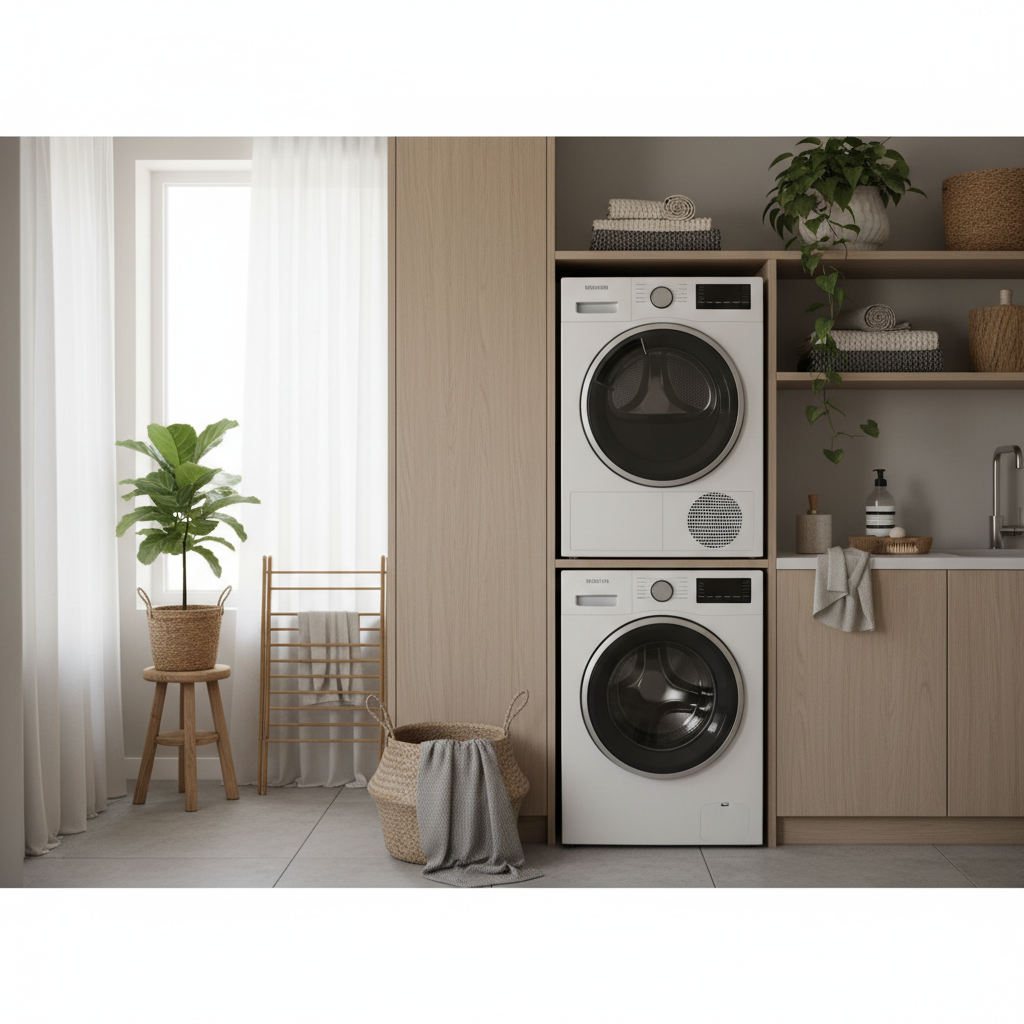
This is the core of the laundry room, housing the washing machine and dryer. The placement of these appliances should consider utility connections (water, drainage, electrical, venting) and ease of access. For optimal efficiency, the machines should be positioned side-by-side or stacked to facilitate easy transfer of laundry from one to the other, reducing bending and lifting.
Folding and Hanging Zone
Once clothes are dry, a dedicated area for folding and hanging can significantly reduce clutter elsewhere in the home. A spacious countertop, a pull-out folding surface, or even a wall-mounted collapsible table provides a convenient platform. Incorporating a hanging rod above the counter or sink allows garments to be immediately hung to prevent wrinkles, especially for items that cannot be machine-dried or require air-drying.
Storage and Supplies Zone
Every laundry room requires storage for detergents, softeners, stain removers, and other essentials. This zone should be easily accessible but also keep chemicals safely away from children and pets. Consider shelving, wall-mounted cabinets, or a utility cart to keep supplies organized and within reach.
Strategic Layouts for Every Space
The optimal layout depends heavily on the available space, but several common configurations can be adapted to maximize efficiency.
Galley Layout
Ideal for narrow rooms, the galley layout places appliances and countertops along two parallel walls. This design creates a highly efficient workflow, as all necessary stations are typically within a few steps of each other. It maximizes linear counter space and storage, making it suitable for compact areas.
L-Shaped Layout
An L-shaped design utilizes two adjacent walls, offering more open floor space than a galley layout. This configuration works well in square or rectangular rooms, providing ample counter space for folding and sorting, often with a corner sink. It allows for a more open feel while maintaining functional zones.
U-Shaped Layout
The U-shaped layout employs three walls, providing the most extensive counter and storage space. This design is best suited for larger laundry rooms and allows for distinct zones for washing, drying, and folding, often with a central island for additional workspace or storage. It offers maximum efficiency and comfort, particularly for households with high laundry volumes.
Closet Laundry
For homes with limited dedicated space, a laundry closet can be highly effective. This typically involves stacking a washer and dryer within a standard closet, often concealed by bifold or sliding doors. Integrating compact folding surfaces and clever vertical storage solutions is essential to make these small spaces functional.
Appliance Selection and Placement
The choice and arrangement of appliances are central to an efficient laundry room.
Efficiency and Capacity
Modern washing machines and dryers offer significant advancements in water and energy efficiency. High-efficiency (HE) models consume less water and electricity, leading to long-term savings. Selecting appliances with adequate capacity for the household's needs prevents multiple small loads, further optimizing resource use and time.
Front-Load vs. Top-Load
Front-load machines are generally more water and energy-efficient and can often be stacked, saving floor space. They also tend to offer higher spin speeds, reducing drying time. Top-load machines, particularly those without a central agitator, can accommodate larger, bulkier items and some users find them more convenient for loading and unloading, though they cannot be stacked.
Stackable Units
Stackable washer and dryer units are an excellent solution for maximizing vertical space, particularly in smaller rooms or laundry closets. They free up floor space for other functions like folding stations or storage, making the room feel larger and more organized.
Pedestals and Ergonomics
For front-load machines, pedestals can elevate the appliances, reducing the need to bend down for loading and unloading. Many pedestals also include built-in drawers, providing additional storage for laundry essentials, combining ergonomic benefits with practical storage.
Smart Storage Solutions
Effective storage is paramount to maintaining an organized and clutter-free laundry room.
Vertical Storage
Utilizing vertical space is a fundamental principle in small and large laundry rooms alike. Tall cabinets, open shelving, and wall-mounted units can store detergents, cleaning supplies, and folded linens, keeping countertops clear and maximizing the room's footprint.
Built-in Cabinetry and Shelving
Custom or semi-custom cabinetry can seamlessly integrate with the room's design, providing concealed storage for a tidy appearance. Adjustable shelving offers flexibility for items of varying heights. Open shelving can be used for frequently accessed items or decorative elements, adding visual interest.
Pull-Outs and Bins
Pull-out hampers or laundry bins hidden within cabinets can keep dirty clothes out of sight. Similarly, pull-out shelves or drawers for supplies allow for easy access while maintaining a streamlined look. Clear bins or baskets can categorize items on open shelves, improving organization and visual appeal.
Drying Racks and Ironing Boards
Integrating retractable or wall-mounted drying racks saves space and provides a dedicated area for air-drying delicate garments. Collapsible or built-in ironing boards that fold into a drawer or cabinet are also excellent space-saving solutions, eliminating the need for a freestanding board.
Hampers and Baskets
Designated hampers for sorting dirty laundry are essential. Consider multi-compartment hampers or a system of separate baskets for different load types (e.g., whites, darks, delicates) to streamline the washing process.
Ergonomics and Comfort
An efficient laundry room is also a comfortable one, designed with the user's ease in mind.
Countertop Height
Standard counter height is often around 36 inches, which is suitable for many tasks. However, custom heights can be considered to minimize bending or reaching, particularly if the space is used extensively for folding or other tasks. Ensuring adequate clearance above appliances is also important.
Adequate Lighting
Good lighting is crucial for performing tasks like stain removal and folding accurately. A combination of ambient lighting (ceiling fixtures) and task lighting (under-cabinet lights or adjustable spotlights) can illuminate work surfaces effectively, reducing eye strain and improving overall functionality.
Ventilation and Air Quality
Proper ventilation is essential to prevent moisture buildup, mold, and mildew, especially in rooms without windows. An exhaust fan connected to an external vent helps remove humid air and lint, improving air quality and protecting the structural integrity of the home. Ensuring the dryer vent is clean and unobstructed is also vital for both efficiency and safety.
Sound Dampening
Laundry appliances can generate considerable noise. Incorporating sound-dampening materials in the walls, floor, or even selecting quieter appliance models can significantly improve the comfort level, particularly if the laundry room is located near living areas or bedrooms.
Material Choices and Finishes
Selecting appropriate materials contributes to both the functionality and longevity of the laundry room.
Durability and Easy Cleaning
Surfaces should be durable and easy to clean, given the potential for spills and moisture. Quartz, laminate, or solid surface countertops are practical choices. For flooring, ceramic tile, vinyl, or concrete offer water resistance and resilience.
Moisture Resistance
All materials, especially around sinks and appliances, should be resistant to moisture. Using mildew-resistant paint and ensuring proper sealing of grout lines helps prevent water damage and microbial growth.
Aesthetics
While functionality is key, the aesthetic appeal of a laundry room should not be overlooked. Choosing finishes, colors, and fixtures that complement the home's overall design can transform it from a purely utilitarian space into a pleasant and inviting one. Incorporating open shelving with decorative baskets or a small plant can add a touch of personal style.
Integrating Technology and Sustainability
Modern laundry rooms can leverage technology for greater efficiency and incorporate sustainable practices.
Smart Appliances
Smart washers and dryers can be controlled remotely via smartphone apps, allowing users to start or pause cycles, receive notifications, and monitor energy usage. Some models can even reorder detergent or diagnose issues, adding a layer of convenience and efficiency.
Water and Energy Conservation
Beyond high-efficiency appliances, consider systems that capture and reuse greywater for gardening or toilet flushing, significantly reducing water consumption. Utilizing natural light during the day minimizes the need for artificial lighting, and air-drying clothes whenever possible reduces reliance on the dryer, saving energy. Proper insulation and window treatments can also help regulate temperature, reducing heating and cooling costs.
Designing and organizing an efficient laundry room involves a holistic approach, considering workflow, space utilization, appliance choices, storage solutions, ergonomics, and material selection. By applying these principles, homeowners can transform a frequently used and often overlooked space into a highly functional, comfortable, and aesthetically pleasing area that streamlines daily routines and enhances the overall livability of their home. A well-optimized laundry room ultimately contributes to a more organized household and a reduction in the time and effort dedicated to fabric care.
More from home living
Smart Strategies for a Seamlessly Organized Bathroom Space
Transform your bathroom from cluttered chaos to a serene, functional space. Discover practical methods for organizing toiletries, linens, and cleaning supplies, enhancing daily routines and maintaining a tidy environment with ease.
Selecting and Using Efficient Air Purifiers for Improved Indoor Air Quality
Discover how air purifiers can significantly enhance your home's indoor air quality. Learn about common pollutants, essential filtration technologies, and key factors for choosing the right device to create a healthier living environment.

Smart Home Solutions for Enhanced Accessibility and Independent Living
Discover how smart home technology can significantly enhance accessibility and foster independent living for individuals of all abilities. Explore practical solutions for greater comfort, safety, and convenience in your daily routines.

Mastering Stain Removal: A Guide to Restoring Household Fabrics and Surfaces
Discover practical strategies for tackling common household stains on various fabrics and surfaces. This comprehensive guide provides actionable advice to help maintain the cleanliness and appearance of your home effectively.