
Modular Storage Systems: Enhancing Home Organization and Space Efficiency
Modular storage systems represent a systematic approach to home organization that emphasizes flexibility, adaptability, and efficient utilization of available space. These systems are characterized by their ability to be reconfigured, expanded, or modified over time, allowing them to adjust to changing organizational demands and evolving spatial requirements. Unlike fixed or built-in solutions, modular units consist of individual components that can be assembled in various configurations, providing a versatile framework for managing belongings and maintaining order. The concept is particularly relevant in residential settings where space is at a premium or where residents require dynamic organizational solutions that can evolve with their lifestyle, offering a structured yet adaptable method for maintaining a well-organized environment.
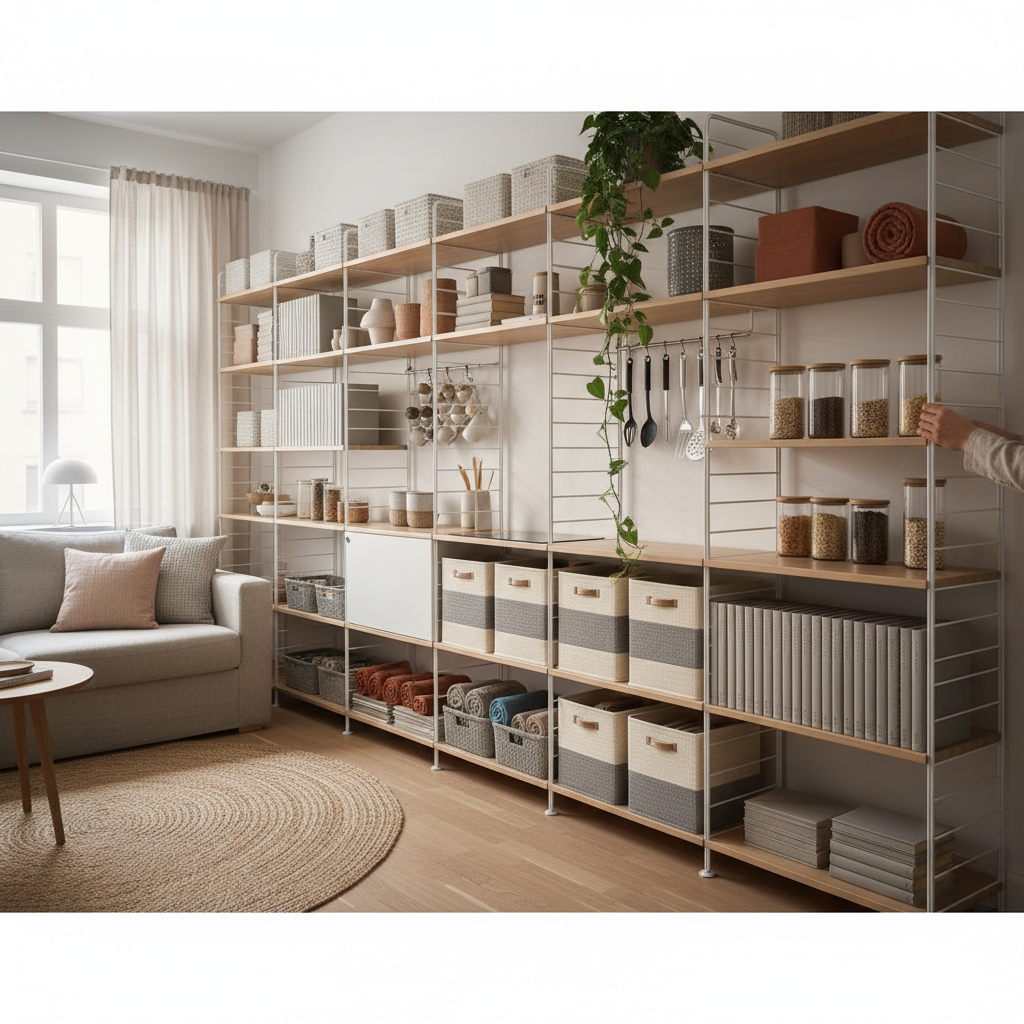
Understanding Modular Storage
Modular storage is predicated on the principle of using interchangeable units or components that can be combined in multiple ways. This design philosophy enables users to construct storage solutions tailored to specific areas and purposes, rather than being limited by pre-designed, rigid furniture pieces. The core idea involves a set of standardized elements that fit together seamlessly, much like building blocks, to form a cohesive and functional storage unit.
The genesis of modular design can be traced to industrial applications, where standardized parts facilitated efficient assembly and repair. This concept transitioned into home furnishings, where it addresses the need for adaptable and customizable interior solutions. Modular systems typically offer a range of components such as shelves, drawers, cabinets, rods, and bins, all designed to integrate within a common framework.
Core Principles of Modular Design
Several foundational principles underpin the effectiveness of modular storage systems in home organization:
Adaptability
One of the primary tenets of modular design is its inherent adaptability. Components can be rearranged, added, or removed as storage needs change. This flexibility is crucial in dynamic living environments where the quantity or type of stored items may fluctuate. For instance, a system initially configured for children's toys can be reconfigured later to accommodate school supplies or clothing.
Customization
Modular systems allow for a high degree of customization. Users can select specific components and arrange them to create a storage solution that precisely matches their requirements, space limitations, and aesthetic preferences. This personalization ensures that every inch of available space is utilized effectively and that the system aligns with the user's organizational style.
Scalability
As needs grow or shrink, modular storage systems can be easily scaled up or down. Expansion involves simply adding more compatible units or components, while reducing capacity means removing unnecessary elements. This scalability provides a long-term solution that can evolve with a household over many years, avoiding the need to replace entire storage units.
Benefits of Implementing Modular Storage Systems
Integrating modular storage into a home offers several tangible advantages beyond mere organization:
Optimized Space Utilization
Modular systems excel at making the most of available space, particularly in challenging areas like small rooms, alcoves, or oddly shaped corners. Their ability to fit precisely allows for vertical and horizontal expansion, maximizing storage capacity without cluttering the floor plan. This is especially beneficial in urban dwellings or compact living spaces where every square foot is valuable.
Enhanced Organization and Accessibility
By providing designated places for various items, modular storage systems promote a more organized environment. Clear categories and accessible compartments reduce time spent searching for belongings. This systematic approach can contribute to a calmer and more efficient household routine.
Cost-Effectiveness Over Time
While initial investment in high-quality modular components might seem substantial, their longevity and adaptability can offer long-term cost savings. The ability to reconfigure and expand the system rather than replacing it entirely as needs change reduces future expenses. Furthermore, individual components can often be replaced if damaged, extending the life of the overall system.
Aesthetic Integration
Modern modular storage systems are available in a wide range of materials, finishes, and designs, allowing them to integrate seamlessly with various interior aesthetics. From minimalist designs to more traditional looks, these systems can enhance the visual appeal of a room while providing functional storage.
Key Components and Types of Modular Storage
Modular storage systems comprise a variety of elements designed for specific functions and spatial arrangements.
Common Components
- Shelving Units: These form the backbone of many systems, providing flat surfaces for items. They can be adjustable in height to accommodate different object sizes.
- Drawers and Bins: Enclosed compartments are useful for smaller items, clothing, or anything requiring concealment. They maintain a tidy appearance and protect contents from dust.
- Cabinets: Offering more substantial enclosure, cabinets can include doors for a cleaner look or to secure contents. They are often used for bulkier items or sensitive materials.
- Hanging Rods: Essential for wardrobe organization, these allow garments to be hung, preventing wrinkles and maximizing vertical space in closets.
- Dividers and Inserts: These smaller components fit within drawers or shelves to further compartmentalize and organize items, such as cutlery, office supplies, or jewelry.
Types of Modular Systems
- Freestanding Systems: These units stand independently and can be moved. They are often found in living rooms, bedrooms, or garages and offer flexibility in room layout.
- Wall-Mounted Systems: Utilizing wall space, these systems can maximize floor area, making them ideal for small rooms. They typically involve a track or panel system to which shelves, cabinets, and other components are attached.
- Built-in/Closet Systems: Designed to fit specific architectural spaces, such as closets or alcoves, these systems are often highly customized to the dimensions of the area. They can create a tailored look and maximize often-underutilized spaces.
Considerations for Implementation
When considering modular storage, several factors influence the selection and installation process.
Assessment of Needs
Before selecting a system, a thorough assessment of current and future storage needs is essential. This includes identifying what items need to be stored, their quantity, size, and frequency of use. Understanding these factors helps in determining the necessary types and quantities of components.
Space Planning
Accurate measurements of the available space are critical. This includes height, width, and depth. Considering the room's layout, existing furniture, and potential traffic flow ensures that the modular system enhances functionality rather than impeding it. Visualizing the arrangement of components beforehand can prevent costly adjustments.
Material Choices and Durability
Modular systems are available in various materials, including wood, metal, plastic, and composites. Each material offers different aesthetic qualities, durability levels, and price points. The choice of material should align with the intended use, the room's decor, and the desired lifespan of the system.
Ease of Assembly and Reconfiguration
The complexity of assembly and the ease with which a system can be reconfigured are practical considerations. Some systems are designed for quick, tool-free assembly, while others may require more effort. Understanding the mechanism for reconfiguring components is important for long-term adaptability.
Integrating Modular Storage into Various Home Areas
Modular storage systems can be effectively integrated into almost any area of a home, providing tailored organizational solutions.
Living Rooms
In living rooms, modular units can serve as media centers, bookshelves, or display cases. Configurations might include open shelving for decor, closed cabinets for electronics, and drawers for remote controls or small items. This allows for a clean aesthetic while keeping essentials within reach.
Kitchens
Kitchens benefit from modular pantries, cabinet inserts, and drawer organizers. These systems can optimize storage for dry goods, cookware, utensils, and small appliances, making food preparation more efficient and keeping countertops clear. Pull-out drawers and rotating shelves are common modular components in this area.
Bedrooms and Closets
Modular closet systems are highly popular, offering customizable solutions for clothing, shoes, and accessories. They can include combinations of hanging rods, shelves, shoe racks, and specialized drawers for jewelry or ties. In bedrooms, freestanding modular units can serve as dressers, nightstands, or vanity tables.
Home Offices
For home offices, modular systems provide solutions for books, documents, office supplies, and electronic equipment. Desks can be integrated with shelving units, creating a cohesive workspace that supports productivity by keeping everything organized and accessible. File drawers and cubbies are particularly useful here.
Garages and Utility Areas
In utility spaces, robust modular shelving and cabinet systems can organize tools, sporting equipment, cleaning supplies, and seasonal items. These systems often feature heavy-duty materials to withstand demanding environments, helping to maintain order in areas prone to clutter.
Maintenance and Adaptability Over Time
The long-term utility of modular storage systems depends on their maintenance and continued adaptability. Regular cleaning according to the material specifications helps preserve their appearance and integrity. Furthermore, periodically reassessing storage needs and reconfiguring the system allows it to remain relevant and effective as household dynamics change. This proactive approach ensures that the investment in a modular system continues to provide organizational benefits for years.
Modular storage systems offer a flexible and efficient solution for managing belongings and maximizing space in residential settings. Their inherent adaptability, customization options, and scalability make them a valuable tool for maintaining order and enhancing the functionality of various home areas. By understanding the principles and components of these systems, individuals can create personalized storage solutions that evolve with their lifestyle and contribute to a well-organized living environment.
More from home living
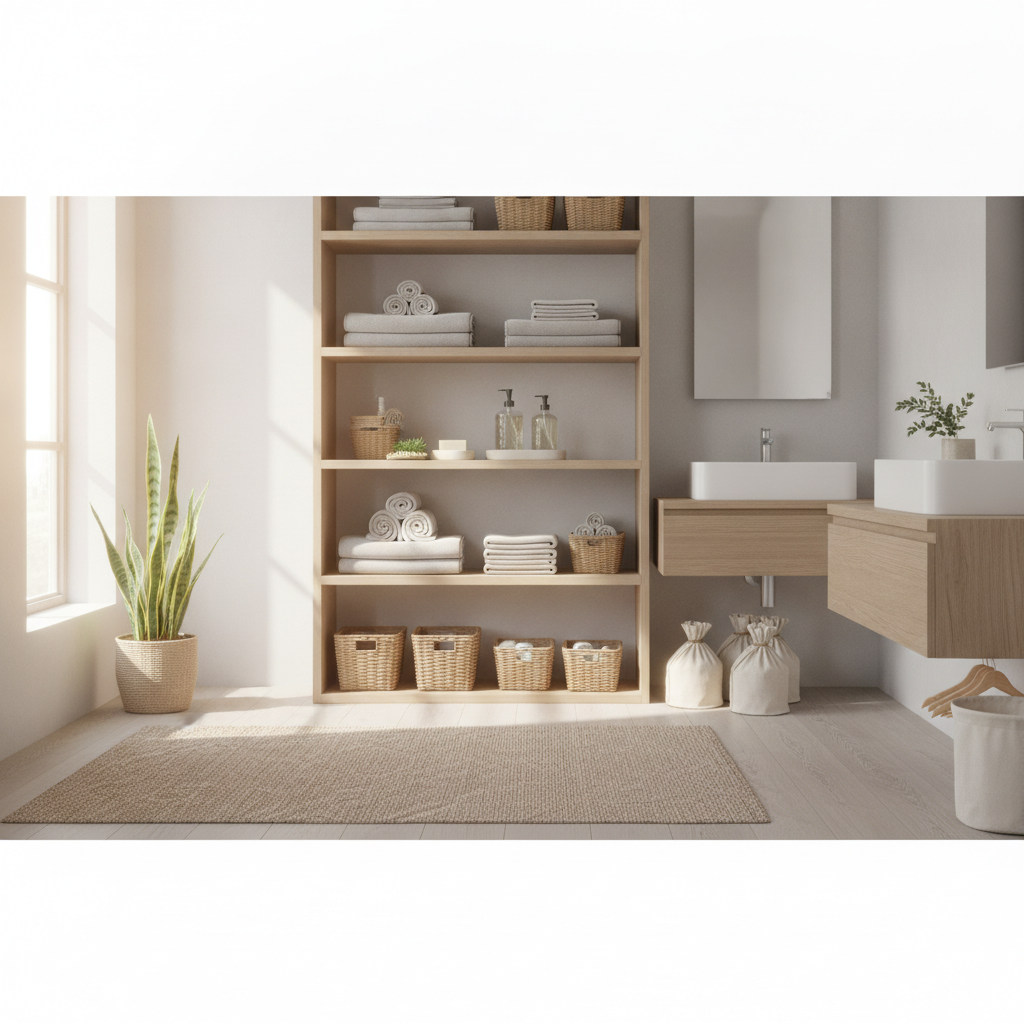
Smart Strategies for a Seamlessly Organized Bathroom Space
Transform your bathroom from cluttered chaos to a serene, functional space. Discover practical methods for organizing toiletries, linens, and cleaning supplies, enhancing daily routines and maintaining a tidy environment with ease.
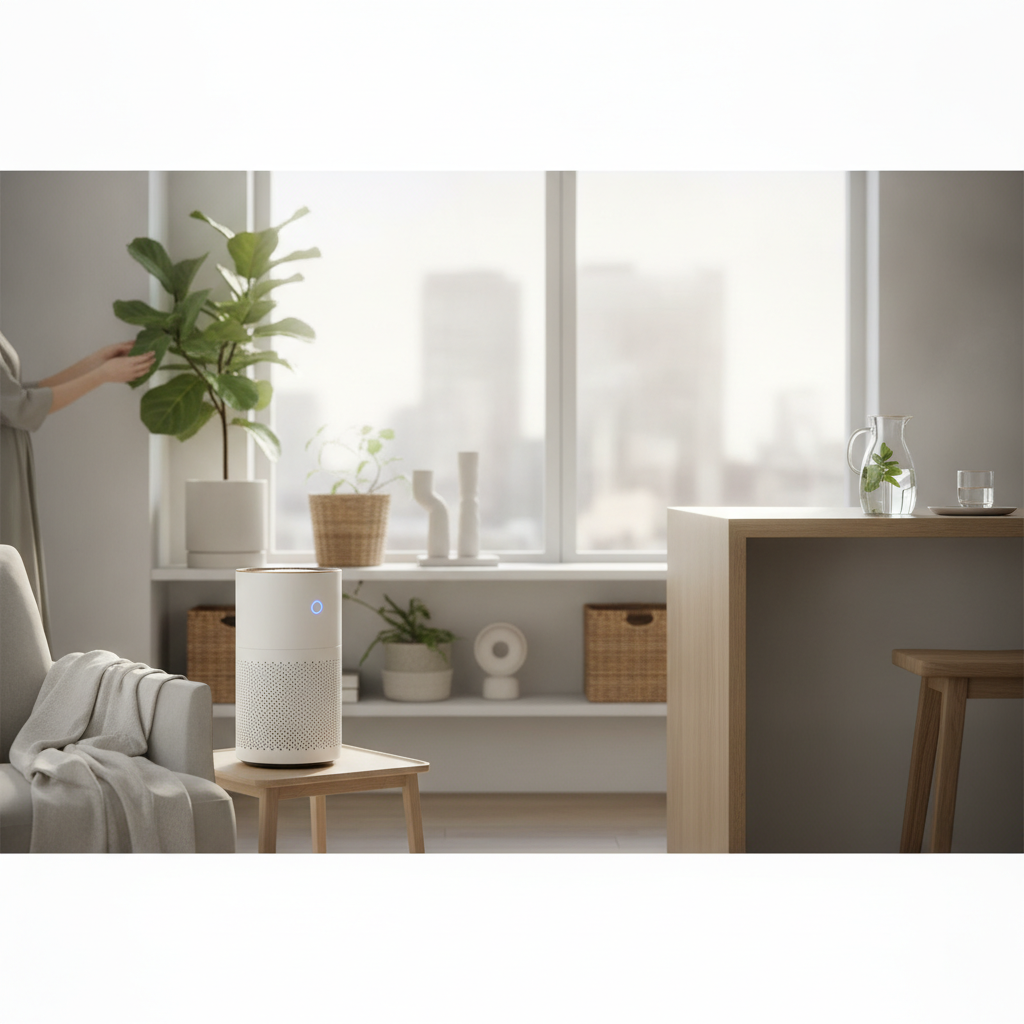
Selecting and Using Efficient Air Purifiers for Improved Indoor Air Quality
Discover how air purifiers can significantly enhance your home's indoor air quality. Learn about common pollutants, essential filtration technologies, and key factors for choosing the right device to create a healthier living environment.
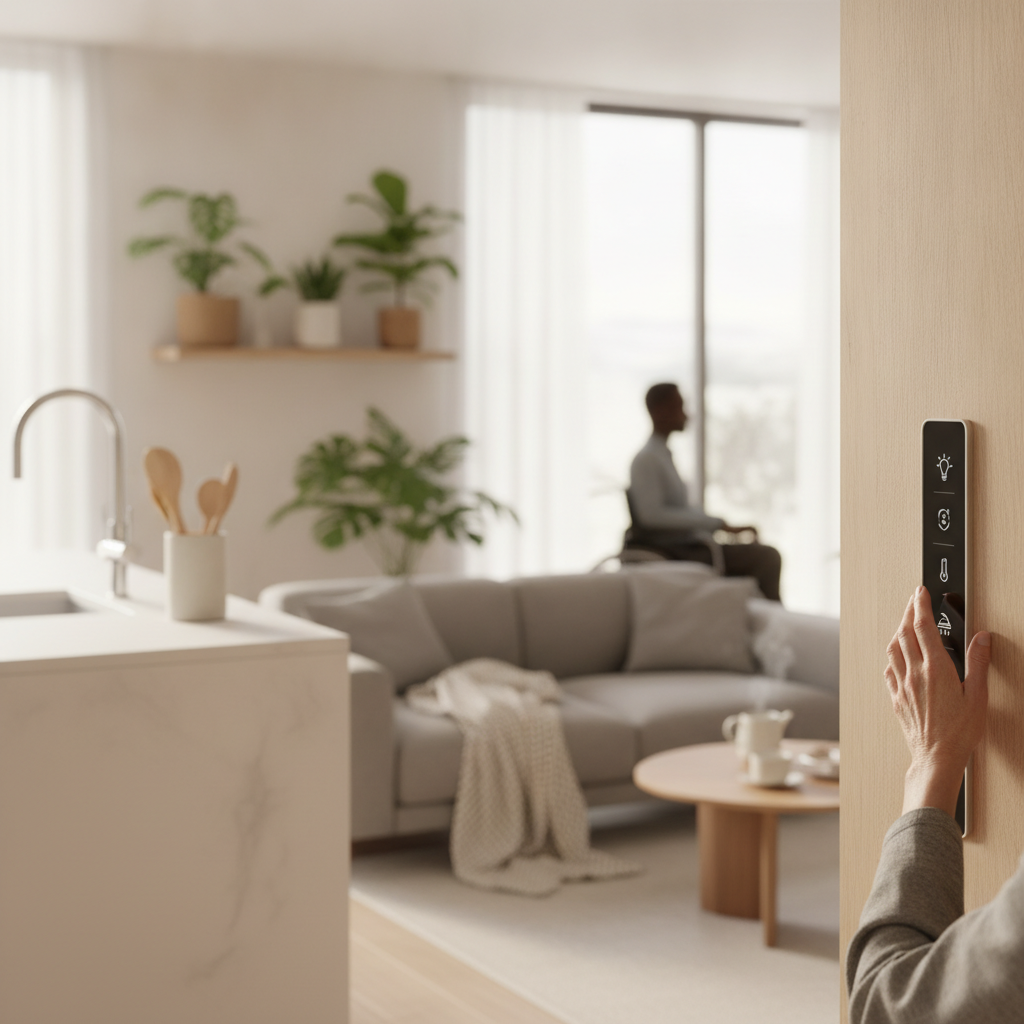
Smart Home Solutions for Enhanced Accessibility and Independent Living
Discover how smart home technology can significantly enhance accessibility and foster independent living for individuals of all abilities. Explore practical solutions for greater comfort, safety, and convenience in your daily routines.

Mastering Stain Removal: A Guide to Restoring Household Fabrics and Surfaces
Discover practical strategies for tackling common household stains on various fabrics and surfaces. This comprehensive guide provides actionable advice to help maintain the cleanliness and appearance of your home effectively.