
Optimizing Closet Systems for Diverse Wardrobe Needs
A well-organized closet system extends beyond mere aesthetics, serving as a fundamental component of an efficient and harmonious living environment. It involves the methodical arrangement of clothing, footwear, and accessories, contributing significantly to daily routines by streamlining the process of selection and storage. The strategic implementation of a tailored closet system can optimize available space, prevent clutter accumulation, and enhance the longevity of garments. This article explores various facets of closet optimization, detailing the principles of effective design, different types of systems, essential components, and strategies for maximizing both space and functionality within residential settings.
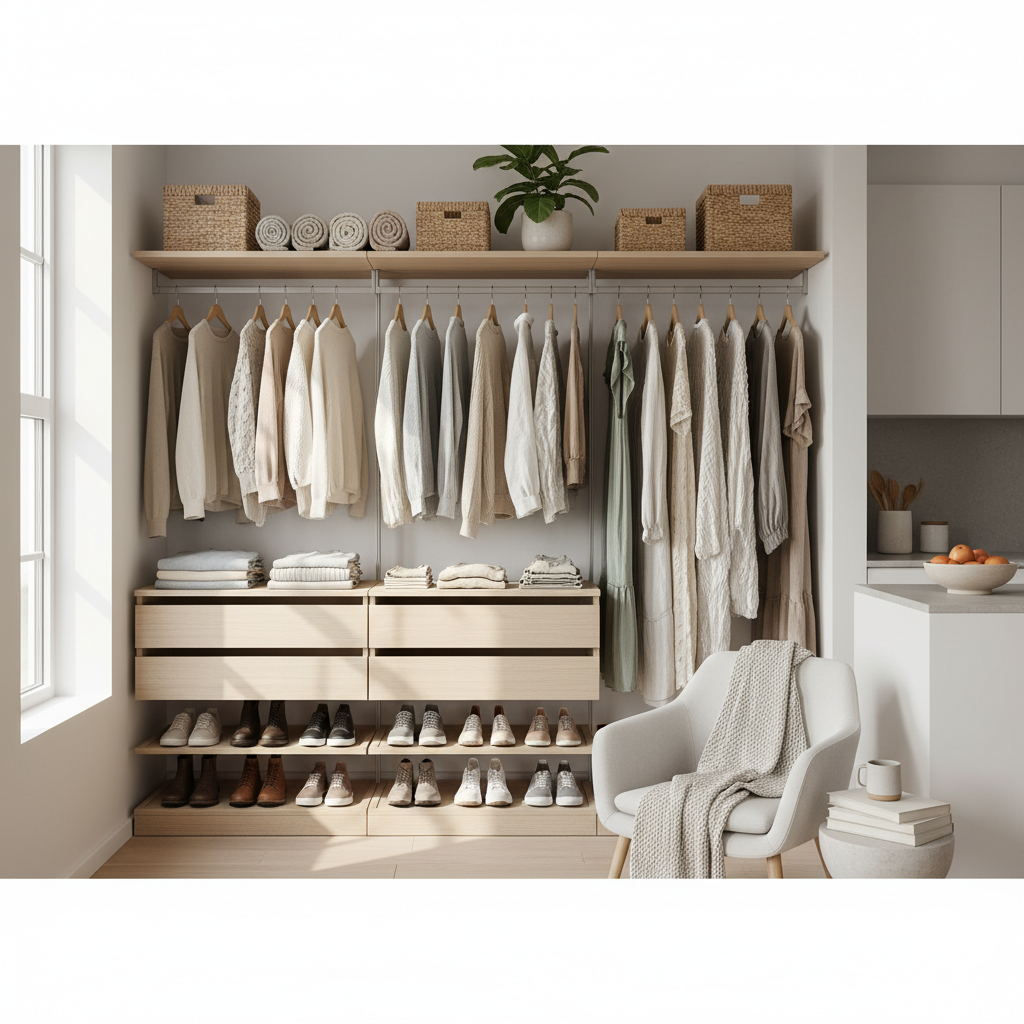
Principles of Effective Closet Design
Effective closet design begins with a comprehensive understanding of both the physical space and the user's requirements. This foundational phase involves several key considerations that inform the subsequent structural and organizational choices.
Space Assessment
The initial step in designing an optimized closet system involves a thorough assessment of the available physical space. This includes accurate measurements of the width, height, and depth of the closet area. Consideration is also given to any architectural features such as slanted ceilings, windows, existing structural elements, or obstructions that might influence the design. Understanding the limitations and opportunities presented by the space is crucial for developing a practical and efficient layout.
Wardrobe Analysis
Analyzing the contents of a wardrobe is essential for determining specific storage needs. This involves inventorying all clothing, shoes, and accessories, categorizing them by type, frequency of use, and volume. For instance, garments requiring hanging space, folded items, delicate accessories, and specialized gear each present unique storage demands. A detailed wardrobe analysis helps in allocating appropriate space and selecting suitable organizational components.
User Habits and Preferences
Individual user habits and preferences play a significant role in effective closet design. Factors such as a preference for hanging versus folding, the typical sequence of dressing, and the ease of access to frequently used items influence the ergonomic layout of the closet. A system that aligns with daily routines is more likely to be maintained and proves more functional over time, contributing to an enhanced user experience.
Types of Closet Systems
Closet systems manifest in various forms, each suited to different spatial configurations and storage requirements. Understanding these distinctions aids in selecting or designing the most appropriate solution for a given environment.
Reach-in Closets
Reach-in closets are typically integrated into a wall, featuring a single opening that may be fitted with bi-fold, sliding, or hinged doors. These systems are common in bedrooms and hallways, characterized by their compact nature. Optimization strategies for reach-in closets often focus on maximizing vertical space and employing efficient internal components to accommodate items within a limited horizontal footprint.
Walk-in Closets
Walk-in closets offer a more expansive storage area, allowing individuals to physically enter and move within the space. These systems provide greater flexibility for incorporating diverse storage solutions, including multiple hanging zones, extensive shelving, and specialized drawers. The larger footprint often permits the inclusion of seating or dressing areas, enhancing the overall functionality and luxury of the space.
Wardrobes and Armoires
Wardrobes and armoires are freestanding furniture pieces that provide enclosed storage. They are particularly useful in rooms without built-in closets or for adding supplementary storage capacity. These units vary widely in size, style, and internal configuration, offering options for hanging, shelving, and drawer storage. Their portability allows for flexible placement and rearrangement within a room.
Custom Built-in Systems
Custom built-in closet systems are tailored specifically to the dimensions and architectural nuances of a particular space. These systems can incorporate intricate designs, specialized materials, and unique features to address specific storage challenges or aesthetic preferences. While often requiring professional installation, custom built-ins offer the highest degree of personalization and integration with the home's design.
Components of a Functional Closet System
A well-designed closet system integrates various components to address the diverse storage needs of a wardrobe. Each element serves a specific purpose in organizing different types of items.
Hanging Rods
Hanging rods are fundamental for garments that require vertical storage to prevent wrinkles and maintain shape. Single rods are suitable for longer items like dresses and coats, while double rods maximize space for shorter garments such as shirts and skirts. Adjustable rods offer flexibility to reconfigure hanging space as wardrobe needs change.
Shelving
Shelving provides flat surfaces for folded items like sweaters, jeans, and linens. Fixed shelves offer stability, while adjustable shelves allow for reconfiguring heights to accommodate various item sizes. Pull-out shelves can improve accessibility to items stored deeper within the closet, minimizing the need to disturb other contents.
Drawers
Drawers are essential for smaller or delicate items that benefit from enclosed storage, such as underwear, socks, accessories, and activewear. They protect items from dust and maintain a tidy appearance. Drawers come in various depths, allowing for organization of different item types, and can be fitted with dividers for further compartmentalization.
Baskets and Bins
Baskets and bins serve as versatile containment solutions for miscellaneous items that might otherwise create clutter. They are useful for storing scarves, hats, seasonal accessories, or small sports equipment. These containers can be placed on shelves or floors, offering flexibility and improving the visual order of the closet.
Shoe Storage
Dedicated shoe storage solutions help protect footwear and keep it organized. Options include angled shelves, cubbies, shoe racks, and clear boxes. Vertical shoe trees or over-the-door organizers can maximize space in smaller closets, ensuring shoes are easily accessible and well-preserved.
Accessory Organizers
Specialized accessory organizers address specific items like belts, ties, jewelry, and handbags. Belt racks and tie racks can be mounted on walls or pull-out mechanisms. Jewelry trays or drawer inserts keep smaller items protected and untangled. Handbag cubbies or hanging organizers maintain the shape of bags and make them visible.
Strategies for Maximizing Space and Efficiency
Optimizing closet space involves strategic approaches that extend the utility of every available inch and enhance the ease of use.
Vertical Space Utilization
Employing the full height of a closet is a key strategy for maximizing storage capacity. This involves installing shelves or hanging rods at varying levels, from floor to ceiling. Tiered hanging systems, where multiple garments are hung one above another, also contribute to vertical efficiency. Items used less frequently can be stored on higher shelves, accessible with a step stool.
Categorization and Grouping
Organizing items by category, such as formal wear, casual attire, work clothes, or seasonal items, simplifies the process of finding specific garments. Grouping similar items together, such as all shirts or all pants, also enhances visual order and efficiency. This systematic approach reduces decision fatigue and saves time during daily routines.
Seasonal Rotation
Implementing a system of seasonal rotation involves storing off-season clothing and accessories in less accessible areas, such as under-bed storage, attic bins, or high shelves. This practice frees up prime closet space for current wardrobe needs, preventing overcrowding and making current selections more visible and accessible.
Utilizing Door Space
The interior side of a closet door represents valuable, often underutilized, storage real estate. Over-the-door organizers can be installed to hold shoes, accessories, scarves, or small bags. Hooks can also be placed for frequently worn items or those to be prepared for the next day, providing immediate access without taking up internal closet space.
Lighting and Ventilation
Adequate lighting within a closet enhances visibility, making it easier to select garments and maintain organization. LED strip lights, puck lights, or strategically placed fixtures can illuminate dark corners. Proper ventilation is also important to prevent mustiness, particularly in enclosed spaces, helping to preserve the freshness and longevity of stored items.
Maintenance and Adaptability
A closet system's long-term effectiveness depends on ongoing maintenance and its capacity to adapt to evolving needs.
Regular Review and Decluttering
Periodically reviewing the contents of a closet and decluttering unnecessary items are essential practices. Regularly assessing what is still worn, fits, and serves a purpose helps prevent the accumulation of unused items that can lead to an overflowing and disorganized space. This process maintains the efficiency and functionality of the system.
Adjustments for Evolving Needs
Life circumstances and wardrobe preferences can change over time, necessitating adjustments to the closet system. This might involve reconfiguring adjustable shelves, adding or removing hanging rods, or integrating new types of organizers. A flexible system that can be modified to accommodate changes in clothing volume, lifestyle, or family needs ensures its continued relevance and utility.
Optimizing a closet system is a dynamic process that significantly influences the functionality and aesthetic appeal of a home. By applying principles of thoughtful design, selecting appropriate components, and adopting strategic organizational methods, individuals can create storage solutions that support daily living and contribute to an organized environment.
More from home living
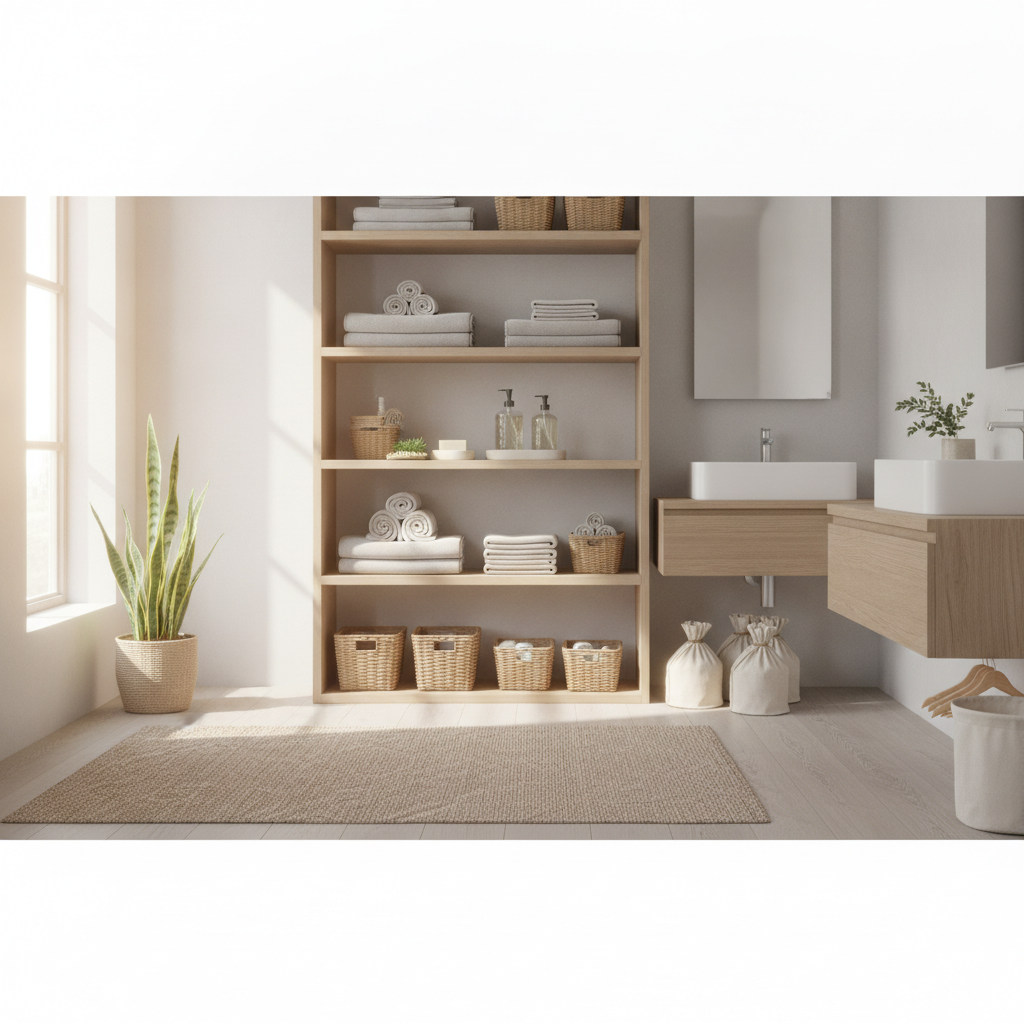
Smart Strategies for a Seamlessly Organized Bathroom Space
Transform your bathroom from cluttered chaos to a serene, functional space. Discover practical methods for organizing toiletries, linens, and cleaning supplies, enhancing daily routines and maintaining a tidy environment with ease.
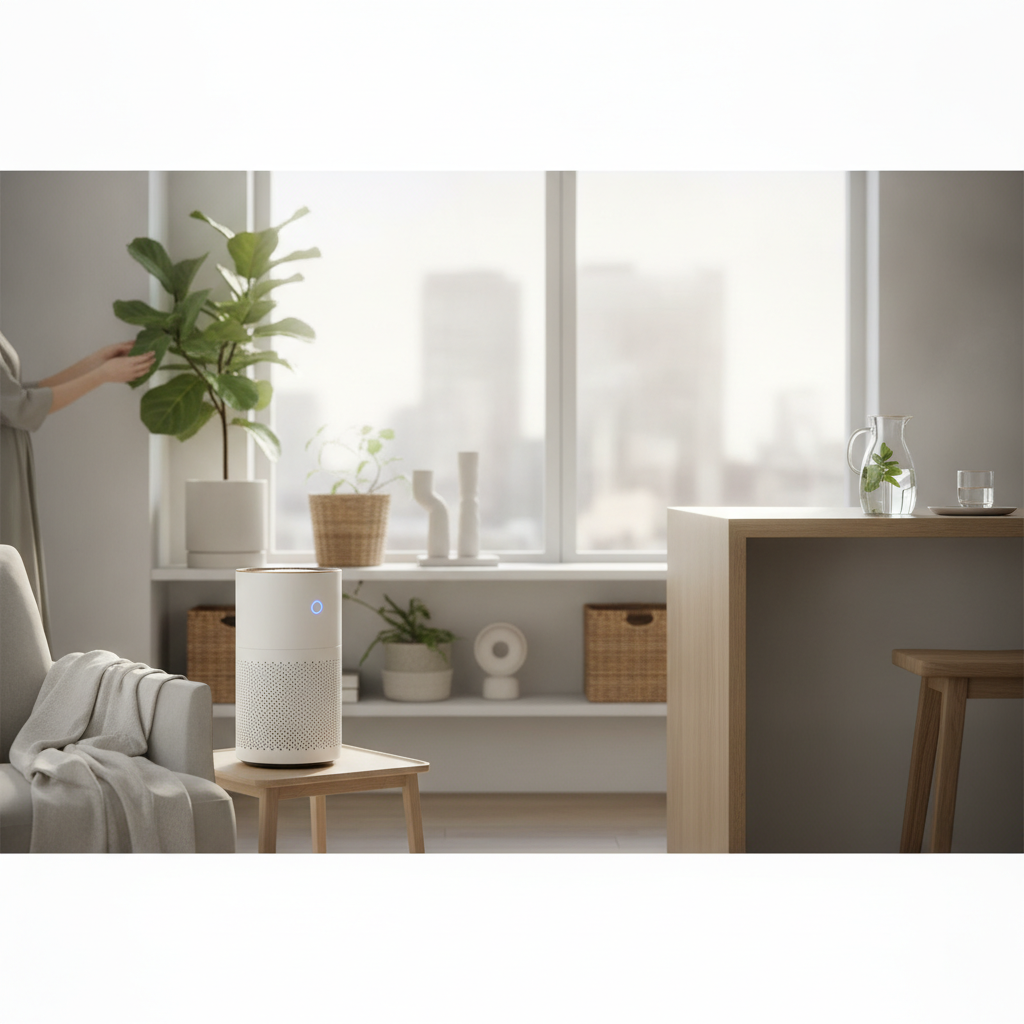
Selecting and Using Efficient Air Purifiers for Improved Indoor Air Quality
Discover how air purifiers can significantly enhance your home's indoor air quality. Learn about common pollutants, essential filtration technologies, and key factors for choosing the right device to create a healthier living environment.
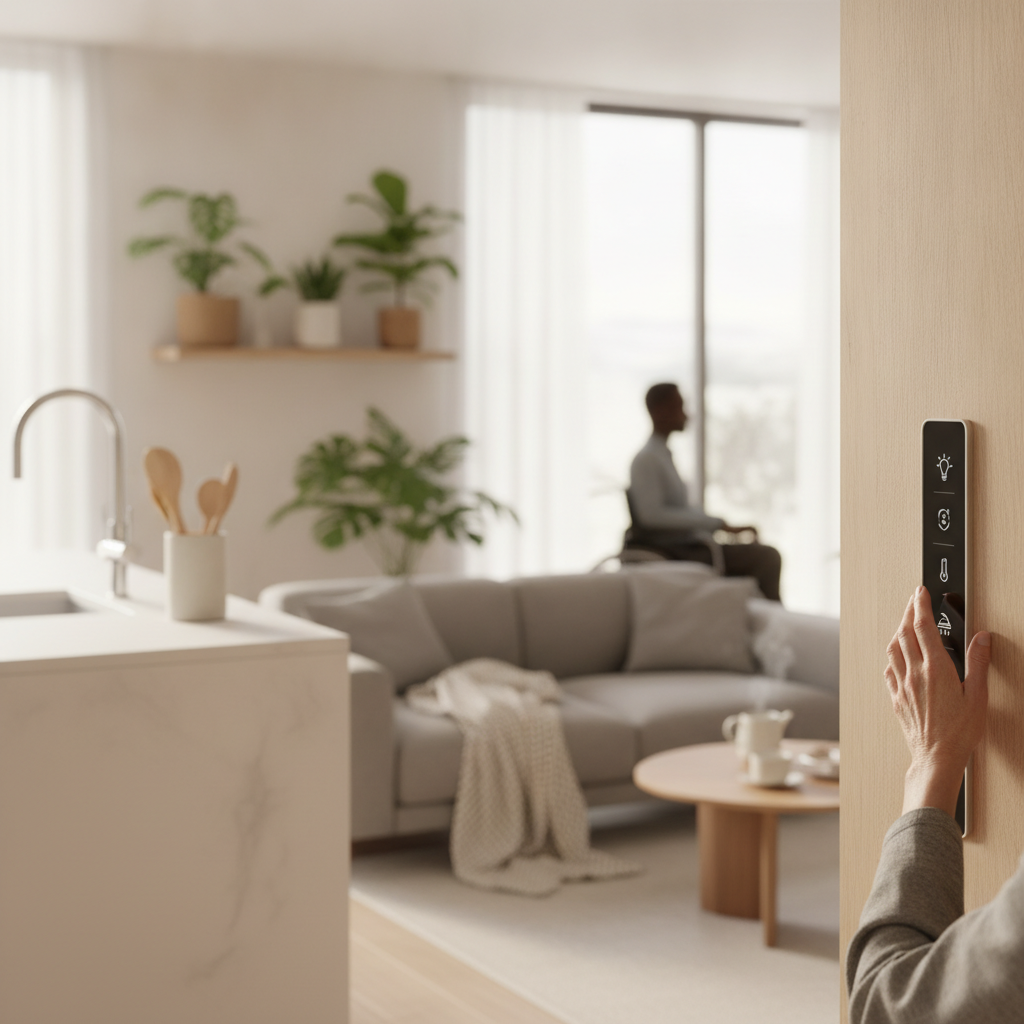
Smart Home Solutions for Enhanced Accessibility and Independent Living
Discover how smart home technology can significantly enhance accessibility and foster independent living for individuals of all abilities. Explore practical solutions for greater comfort, safety, and convenience in your daily routines.

Mastering Stain Removal: A Guide to Restoring Household Fabrics and Surfaces
Discover practical strategies for tackling common household stains on various fabrics and surfaces. This comprehensive guide provides actionable advice to help maintain the cleanliness and appearance of your home effectively.