
Optimizing Kitchen Pantry Organization for Enhanced Efficiency and Waste Reduction
Pantry organization involves the systematic arrangement and storage of food items, cooking ingredients, and kitchen staples within a designated area. This practice extends beyond mere tidiness; it is a fundamental aspect of efficient household management, directly impacting daily meal preparation, food inventory control, and overall resource utilization. A well-organized pantry supports a more functional kitchen by making ingredients readily accessible and visible, which in turn minimizes the time spent searching for items and reduces the likelihood of purchasing duplicates. Furthermore, it serves as a critical tool in mitigating food waste, allowing for better tracking of expiration dates and promoting the consumption of older items first. Understanding the principles and implementation of effective pantry organization can transform a chaotic storage space into an orderly system that contributes to both convenience and sustainability in a residential setting.
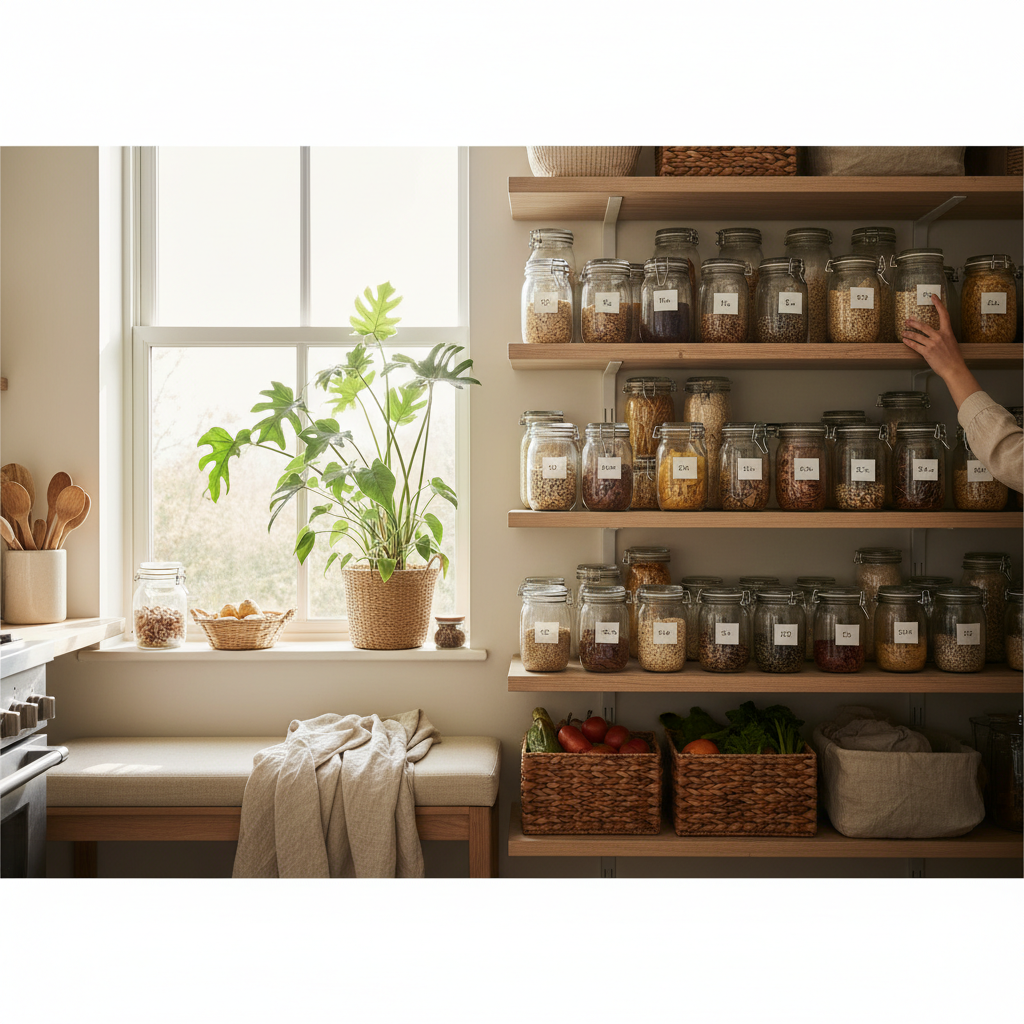
Benefits of an Organized Pantry
An organized kitchen pantry offers several advantages that contribute to a more efficient and harmonious household environment. These benefits span various aspects of daily living, from financial considerations to personal well-being.
Reduced Food Waste
One of the most significant advantages of an organized pantry is its role in minimizing food waste. When items are clearly visible and systematically arranged, it becomes easier to track what is available and to monitor expiration dates. This visibility helps prevent food from being forgotten at the back of shelves until it spoils, ensuring that ingredients are utilized before they become unusable. An organized system encourages a "first-in, first-out" approach, where older items are rotated to the front for earlier consumption.
Enhanced Meal Preparation Efficiency
Streamlined meal preparation is a direct outcome of an orderly pantry. When ingredients are categorized and stored logically, cooks can quickly locate necessary items without extensive searching. This efficiency reduces the overall time spent in the kitchen, making cooking a more enjoyable and less stressful activity. It also supports consistent meal planning, as the availability of ingredients is clear and predictable.
Cost Savings
Pantry organization can lead to considerable financial savings. By maintaining a clear inventory of existing food items, households can avoid purchasing duplicate products, which often happens when items are hidden or overlooked. Additionally, the reduction in food waste directly translates to less money spent on groceries that are ultimately discarded. This approach promotes more mindful shopping habits and budget adherence.
Improved Visibility and Accessibility
Accessibility is a cornerstone of effective pantry management. An organized pantry ensures that all items are easily seen and reached, eliminating the need to move multiple items to find a single ingredient. This is particularly beneficial for individuals with limited mobility or those who prefer not to strain to access items stored on high or low shelves. Clear visibility also encourages the use of a wider variety of stored ingredients.
Stress Reduction
A tidy and functional pantry contributes to a sense of calm and order within the home. The absence of clutter and the ease of finding items can significantly reduce daily stress associated with meal planning, grocery shopping, and cooking. This contributes to a more positive and efficient household atmosphere.
Key Principles of Pantry Organization
Establishing an organized pantry relies on several foundational principles that guide the arrangement and maintenance of food storage areas.
Decluttering and Inventory
The initial step in any organization process involves decluttering. This means removing all items from the pantry, inspecting them for expiration dates, spoilage, or damage, and discarding or donating anything that is no longer usable or desired. Concurrently, creating a comprehensive inventory of all remaining items provides a clear understanding of current stock, aiding in future meal planning and grocery shopping.
Categorization
Categorization involves grouping similar items together. Examples include grouping baking supplies, breakfast foods, canned goods, snacks, pasta, or spices. This principle makes it intuitive to locate items, as specific categories are assigned to distinct areas within the pantry.
Zoning
Zoning refers to the practice of assigning specific sections or shelves within the pantry to particular categories of items. For instance, frequently used items might be placed at eye level, while bulkier or less frequently accessed items are stored on lower or higher shelves. This creates a logical flow and maximizes convenience.
Containerization
Utilizing appropriate storage containers is essential for maintaining order and preserving food freshness. Airtight containers protect dry goods from moisture and pests, while clear containers allow for easy identification of contents. Bins, baskets, and drawer dividers can further organize loose items and prevent them from scattering.
Vertical Space Utilization
Maximizing vertical space is crucial, especially in smaller pantries. This can be achieved through the use of stackable shelves, tiered risers for spices, and over-the-door organizers. Employing the full height of the pantry space increases storage capacity without expanding the footprint.
Labeling
Clear and consistent labeling of containers, shelves, and bins is vital for maintaining an organized system. Labels should accurately reflect the contents, especially for items stored in opaque containers or those that look similar. Dating labels can also be used for homemade items or opened packages to track freshness.
First-In, First-Out (FIFO) System
The FIFO system is a method of stock rotation where the oldest items are moved to the front or top of a shelf so they are used before newer items. This practice is particularly effective in reducing waste and ensuring that food is consumed within its optimal freshness window.
Implementing an Organized Pantry System
Implementing an effective pantry organization system typically involves several distinct phases.
Assessment Phase
This initial phase involves a thorough assessment of the current pantry situation. All items are removed, and the shelves and interior are cleaned. This provides an opportunity to evaluate the existing storage solutions, identify any challenges with the current setup, and determine the spatial requirements for various food categories.
Planning Phase
During the planning phase, decisions are made regarding the layout and specific organization strategies. This includes designing distinct zones for different categories of food, selecting appropriate containers (e.g., airtight canisters for dry goods, clear bins for snacks, tiered racks for spices), and considering any additional shelving or storage accessories that might be needed to optimize the space.
Execution Phase
Once planning is complete, the execution phase involves arranging all items back into the pantry according to the established plan. This includes placing items into their designated categories and zones, transferring bulk goods into containers, and applying clear labels to ensure easy identification. The FIFO principle is applied during this stage to arrange items by freshness.
Maintenance Phase
Maintaining an organized pantry is an ongoing process. This phase involves regular brief check-ins to ensure items are returned to their designated places, restocking supplies in an organized manner, and periodically decluttering expired or unused items. Consistent maintenance prevents the pantry from reverting to disarray.
Considerations for Different Pantry Types
The approach to pantry organization can vary depending on the specific type of pantry available in a home.
Walk-in Pantries
Walk-in pantries typically offer ample space, allowing for more extensive categorization and the potential for dedicated zones for small appliances or bulk storage. Incorporating shelving at various heights, deep drawers, and even freestanding units can maximize their capacity. Clear pathways and easy accessibility to all shelves are important considerations.
Cabinet Pantries
Cabinet pantries, often integrated into kitchen cabinetry, require efficient use of limited space. Solutions often include pull-out shelves, lazy Susans for corner cabinets, and door-mounted organizers. Vertical dividers can help separate baking sheets or cutting boards, and stackable containers are essential for maximizing shelf height.
Drawer Pantries
Drawer pantries consist of deep, pull-out drawers, which are excellent for storing items that can be viewed from above. Drawer dividers, small bins, and clear containers are particularly useful for keeping items from shifting and for categorizing goods like spices, small packaged foods, or linens. Maximizing the vertical space within each drawer, where appropriate, can also be beneficial.
Sustainable Practices in Pantry Management
Integrating sustainable practices into pantry management can further enhance its benefits, contributing to environmental responsibility and reduced household waste.
Bulk Buying and Storage
Purchasing staple items in bulk quantities can reduce packaging waste over time. Storing these bulk items in large, reusable, airtight containers in the pantry minimizes the need for frequently buying smaller, individually packaged versions. This approach also often results in cost savings.
Reusable Containers
Transitioning from disposable packaging to reusable containers is a key sustainable practice. Glass jars, stainless steel containers, and BPA-free plastic containers can be used for storing dry goods, leftovers, and homemade items, reducing reliance on single-use plastic bags and wraps.
Reducing Single-Use Packaging
Consciously choosing products with minimal or recyclable packaging directly impacts the waste generated by the pantry. Opting for items sold in cardboard, glass, or recyclable plastic, and avoiding excessive individual wrapping, contributes to a more sustainable consumption pattern.
Composting Organic Waste
Implementing a system for composting organic food waste, such as vegetable scraps or spoiled produce, complements an organized pantry's goal of waste reduction. This diverts biodegradable materials from landfills, turning them into valuable soil amendments rather than contributing to greenhouse gas emissions.
A thoughtfully organized kitchen pantry transcends mere aesthetics; it functions as a central component of an efficient and sustainable home. By embracing principles of categorization, strategic storage, and mindful consumption, households can achieve a system that not only simplifies daily routines but also significantly reduces food waste and promotes responsible resource management. The sustained application of these organizational strategies ultimately contributes to a more harmonious and economically conscious living environment.
More from home living
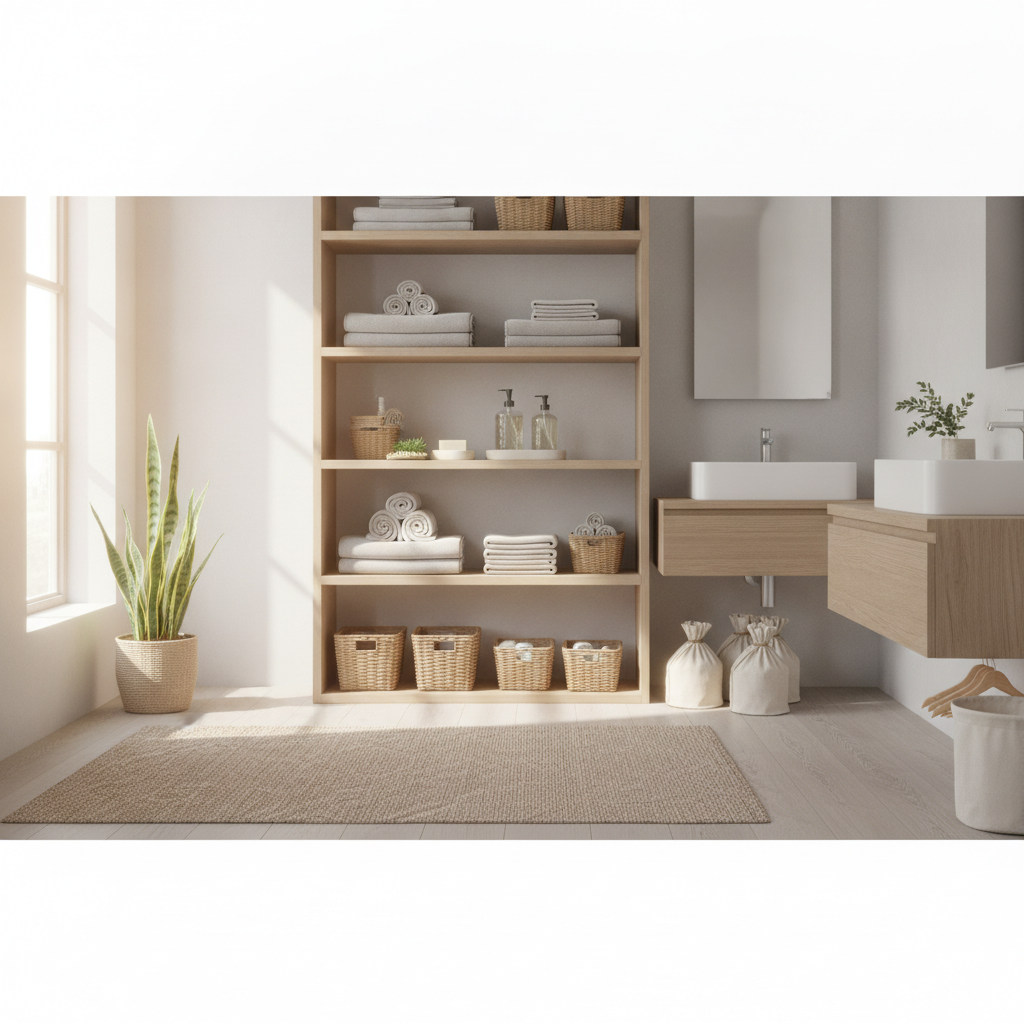
Smart Strategies for a Seamlessly Organized Bathroom Space
Transform your bathroom from cluttered chaos to a serene, functional space. Discover practical methods for organizing toiletries, linens, and cleaning supplies, enhancing daily routines and maintaining a tidy environment with ease.

Selecting and Using Efficient Air Purifiers for Improved Indoor Air Quality
Discover how air purifiers can significantly enhance your home's indoor air quality. Learn about common pollutants, essential filtration technologies, and key factors for choosing the right device to create a healthier living environment.

Smart Home Solutions for Enhanced Accessibility and Independent Living
Discover how smart home technology can significantly enhance accessibility and foster independent living for individuals of all abilities. Explore practical solutions for greater comfort, safety, and convenience in your daily routines.

Mastering Stain Removal: A Guide to Restoring Household Fabrics and Surfaces
Discover practical strategies for tackling common household stains on various fabrics and surfaces. This comprehensive guide provides actionable advice to help maintain the cleanliness and appearance of your home effectively.