
The Principles of Decluttering for Enhanced Living in Small Spaces
Navigating the complexities of home organization often presents unique challenges, particularly within smaller living environments where space is a premium. Decluttering in these contexts involves more than simply removing unwanted items; it requires a systematic approach to evaluating possessions, optimizing available storage, and fostering habits that prevent accumulation. The objective extends beyond aesthetic appeal, aiming to enhance functionality, reduce stress, and create a more serene and efficient living experience. This exploration delves into the foundational principles and practical methodologies for effective decluttering, specifically tailored to the nuances of compact homes, elucidating how these practices contribute to a well-ordered and purposeful residential setting.
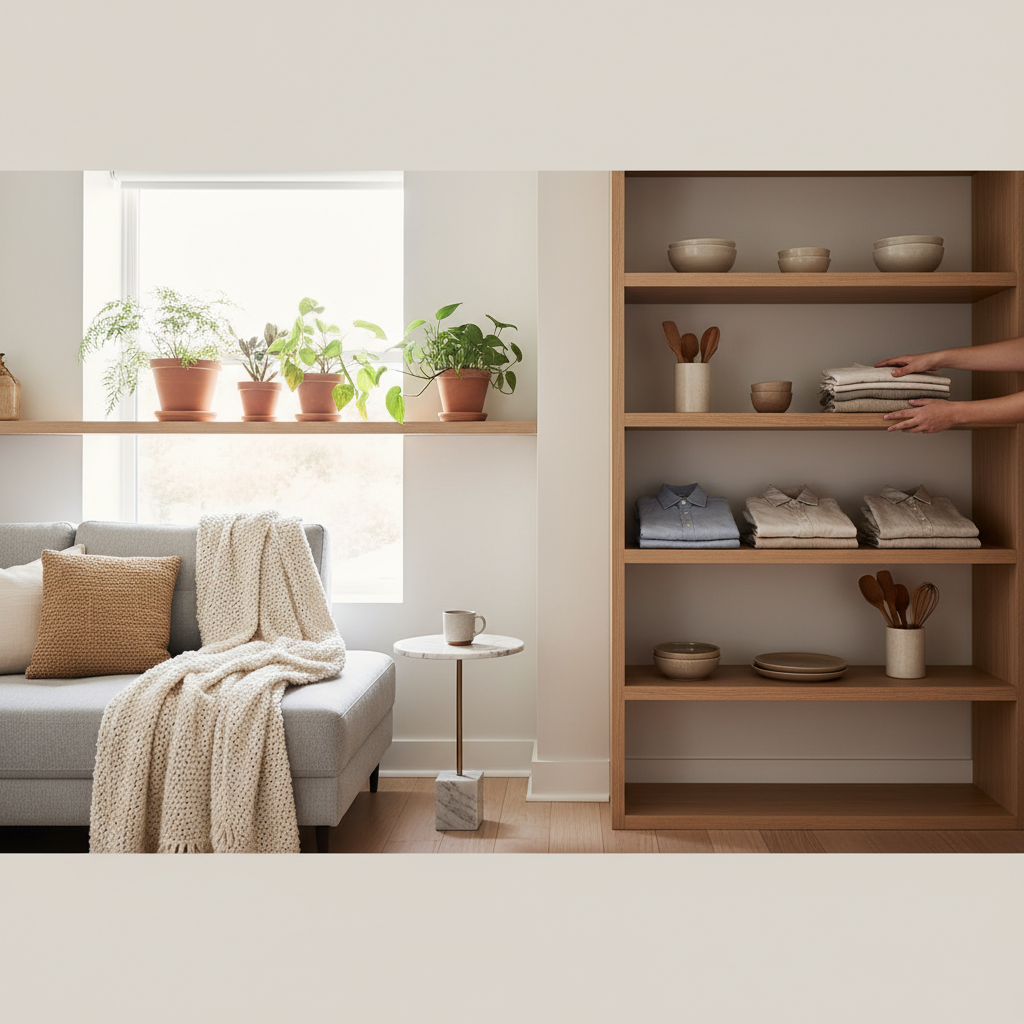
Understanding the Challenges of Small Space Decluttering
Small spaces inherently impose physical limitations that larger homes may not encounter. These constraints necessitate a more deliberate and thoughtful approach to what is kept and how it is stored. The perceived scarcity of room can amplify the impact of clutter, making even a few misplaced items feel overwhelming.
Limited Physical Storage Capacity
One of the most apparent challenges is the finite amount of storage available. Closets, cupboards, and shelves often reach their capacity quickly, forcing residents to confront decisions about what can genuinely be accommodated. This limitation underscores the importance of a rigorous selection process, where each item must justify its presence in the home.
The Illusion of Necessity
Many individuals harbor an attachment to possessions, often rationalizing their retention with phrases like "I might need this someday." In a small space, this mindset can rapidly lead to excessive accumulation. Distinguishing between items that are genuinely necessary or frequently used and those that are merely held onto out of habit or sentiment becomes crucial for effective decluttering.
Visual Clutter Impact
Beyond physical space, visual clutter significantly affects the perception of a small room. An abundance of items, even if neatly arranged, can make a space feel cramped, chaotic, and visually overwhelming. Decluttering in small environments therefore also focuses on simplifying visual landscapes to promote a sense of openness and calm.
Core Principles of Effective Decluttering
Successful decluttering in any space relies on several universal principles. When applied to smaller homes, these principles gain heightened importance, guiding decisions toward a more streamlined existence.
Assessing Value and Utility
The fundamental step in decluttering involves a critical evaluation of each item. This assessment typically centers on two main criteria: its practical utility and its intrinsic value.
Practicality and Frequency of Use
An item's practical utility refers to how often it is used and its functional contribution to daily life. Possessions that serve a clear purpose and are regularly accessed are generally candidates for retention. Items used infrequently, or those with redundant functions, warrant closer scrutiny. A common approach involves considering when an item was last used; if it has not been utilized within a specific timeframe (e.g., six months to a year), its practical necessity may be questioned.
Sentimental Value Considerations
Sentimental items hold emotional significance rather than practical utility. While their retention can be enriching, their quantity must be managed, especially in small spaces. Strategies for sentimental items include designating a specific, limited storage area for them, photographing them for digital preservation, or selecting only a few most cherished pieces to display or keep.
The One-In, One-Out Rule
This principle is particularly effective for preventing re-cluttering in small spaces. It dictates that for every new item brought into the home, an existing item of a similar type or function must be removed. This practice maintains a consistent volume of possessions, preventing gradual accumulation and upholding the integrity of the decluttered environment.
Categorization and Batch Processing
Approaching decluttering by categories rather than by location can be highly efficient. This method involves gathering all similar items from across the home (e.g., all books, all clothing, all kitchen utensils) and processing them together. This provides a clear overview of the total quantity, making it easier to identify duplicates, redundancies, and items that can be released.
Vertical and Multi-functional Solutions
In small spaces, maximizing vertical storage is a key strategy. This involves utilizing walls with shelves, wall-mounted organizers, and tall storage units. Additionally, incorporating multi-functional furniture, such as ottomans with storage, beds with built-in drawers, or tables that convert into desks, can significantly enhance a room's utility without increasing its footprint.
Strategic Approaches to Decluttering
Various methodologies can be employed to tackle decluttering tasks, each offering a structured path towards an organized home.
Room-by-Room Methodology
A common approach is to address one room at a time. This method allows for focused attention on a specific area, preventing the overwhelming feeling that can arise from attempting to declutter the entire home simultaneously. Within each room, a systematic process of emptying, sorting, and returning items often proves effective.
Time-Based Decluttering
Setting aside dedicated periods for decluttering can transform it into a regular habit rather than an infrequent, monumental task. This can involve daily micro-decluttering sessions (e.g., 10-15 minutes), weekly tidying, or seasonal purges. Consistent, smaller efforts often yield more sustainable results than sporadic, intense endeavors.
Digital Decluttering
While not directly affecting physical space, digital clutter can impact mental clarity and efficiency. Organizing digital files, emails, and photos can contribute to an overall sense of order and reduce mental overhead, complementing physical decluttering efforts in fostering a streamlined lifestyle.
Maintaining a Decluttered Small Space
Decluttering is not a one-time event but an ongoing process. Sustaining an organized small space requires establishing mindful habits and periodic reviews.
Establishing Daily Habits
Integrating small organizational practices into daily routines is fundamental. This includes returning items to their designated places immediately after use, tidying surfaces before bedtime, and regularly processing mail or paperwork. These micro-habits prevent accumulation and keep the home consistently orderly.
Regular Review and Purge Cycles
Periodically revisiting storage areas and re-evaluating possessions helps ensure that only necessary and valued items remain. Annual or semi-annual review cycles allow for adjustments as needs and preferences evolve, preventing the gradual reintroduction of clutter.
Mindful Consumption Practices
Perhaps the most impactful long-term strategy for maintaining a decluttered small space is adopting mindful consumption habits. This involves making conscious purchasing decisions, considering an item's necessity, durability, and eventual disposal before acquiring it. Prioritizing experiences over material possessions and opting for quality over quantity can significantly reduce the influx of new items, thereby supporting a perpetually organized and minimalist living environment.
In conclusion, effective decluttering in small spaces is an ongoing commitment that involves strategic evaluation, thoughtful organization, and the cultivation of sustainable habits. By understanding the unique challenges and applying core principles, residents can transform compact areas into highly functional, visually appealing, and peaceful homes. The benefits extend beyond mere tidiness, fostering an environment that supports clarity, efficiency, and overall well-being.
More from home living
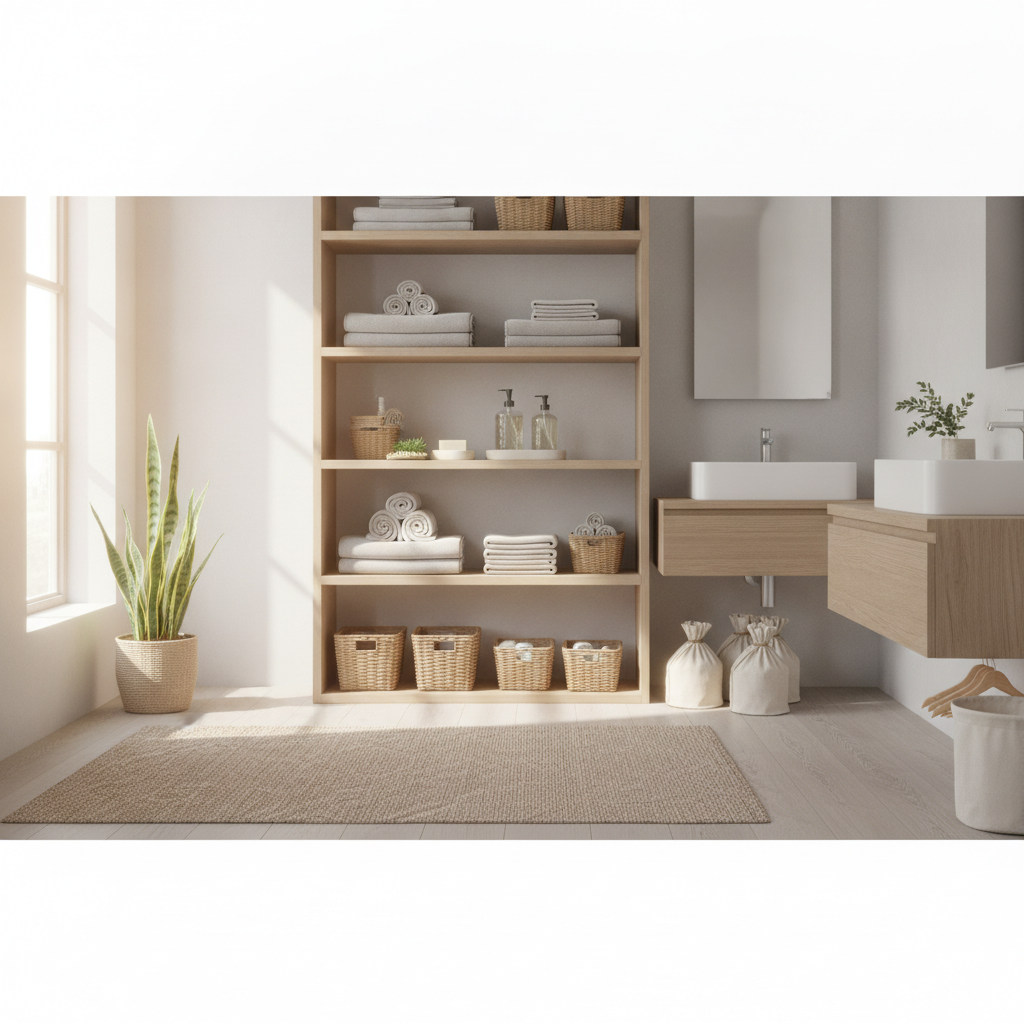
Smart Strategies for a Seamlessly Organized Bathroom Space
Transform your bathroom from cluttered chaos to a serene, functional space. Discover practical methods for organizing toiletries, linens, and cleaning supplies, enhancing daily routines and maintaining a tidy environment with ease.
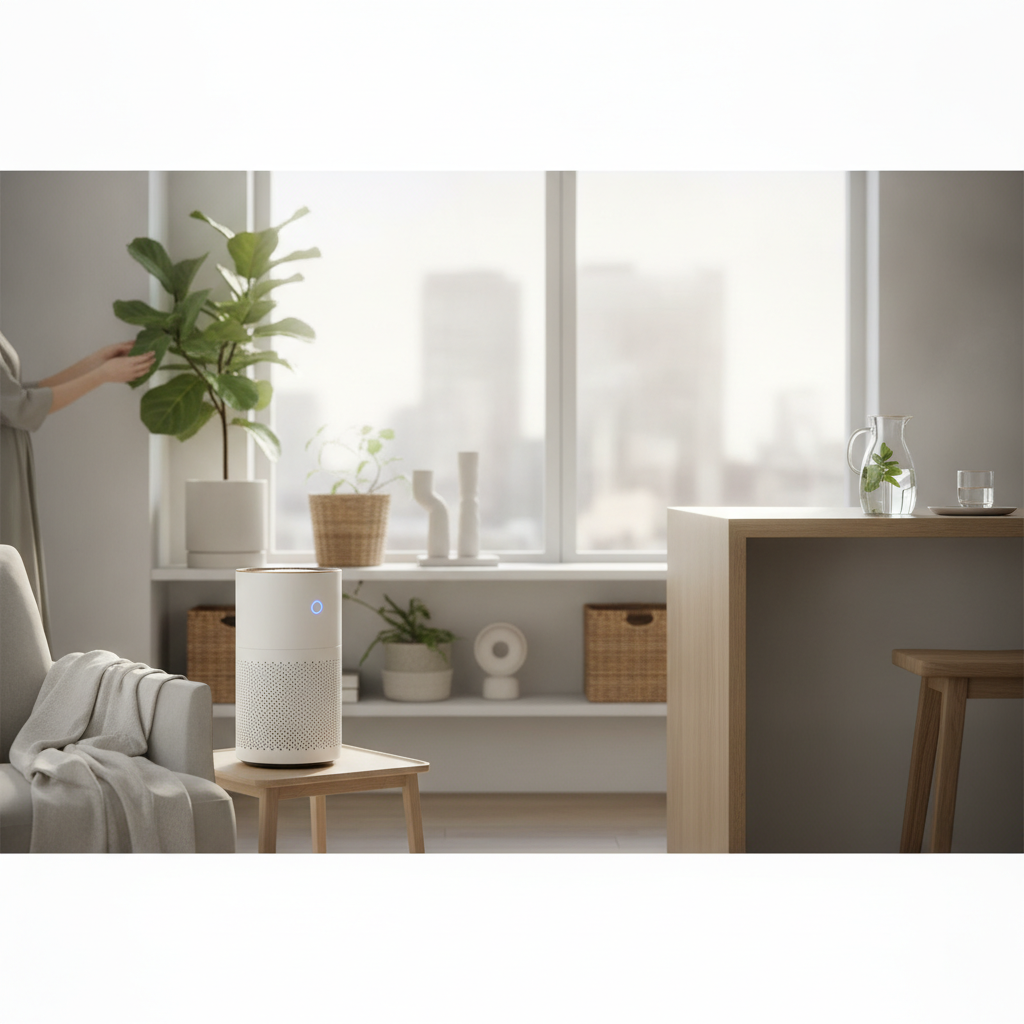
Selecting and Using Efficient Air Purifiers for Improved Indoor Air Quality
Discover how air purifiers can significantly enhance your home's indoor air quality. Learn about common pollutants, essential filtration technologies, and key factors for choosing the right device to create a healthier living environment.
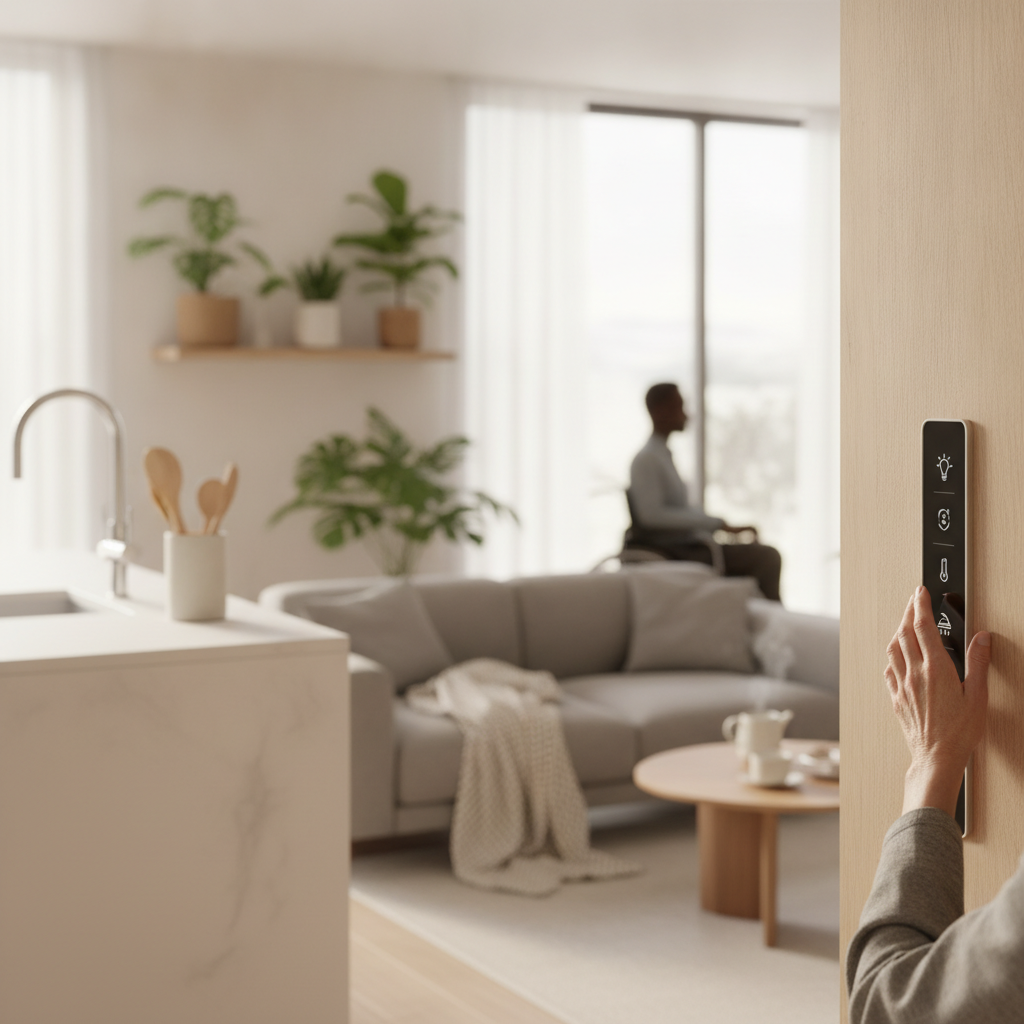
Smart Home Solutions for Enhanced Accessibility and Independent Living
Discover how smart home technology can significantly enhance accessibility and foster independent living for individuals of all abilities. Explore practical solutions for greater comfort, safety, and convenience in your daily routines.
Mastering Stain Removal: A Guide to Restoring Household Fabrics and Surfaces
Discover practical strategies for tackling common household stains on various fabrics and surfaces. This comprehensive guide provides actionable advice to help maintain the cleanliness and appearance of your home effectively.