
The Principles of Designing and Installing Gallery Walls in Residential Interiors
Gallery walls represent a prominent interior design approach that involves arranging a collection of framed artworks, photographs, or other decorative elements on a wall to create a cohesive visual display. This method allows for the personalization of living spaces, transforming a blank surface into an expression of individual taste, experiences, or artistic preferences. Beyond aesthetic appeal, gallery walls can serve functional purposes, such as defining zones within an open-plan area or drawing attention to a particular architectural feature. The creation of an effective gallery wall requires careful consideration of various elements, including the selection of content, the spatial arrangement of individual pieces, and the technical aspects of installation. This article explores the fundamental principles involved in designing and implementing gallery walls, covering different stylistic approaches, strategic planning techniques, and practical installation methods to achieve a visually engaging and harmonious display within residential environments.
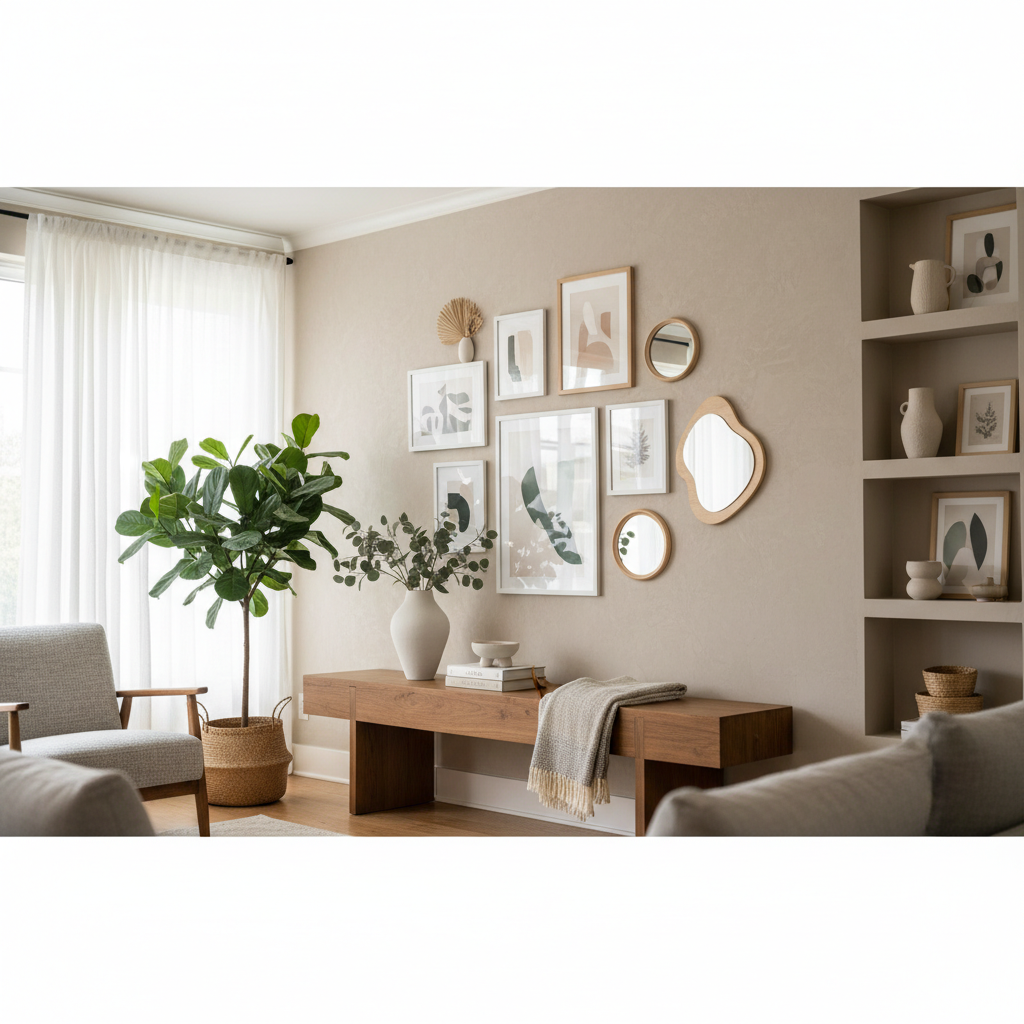
Understanding Gallery Wall Concepts
A gallery wall is characterized by the deliberate grouping of multiple items, typically framed, into a single, unified display on a wall. Unlike a single piece of art, a gallery wall leverages the collective impact of its components to create a larger visual statement. Its purpose extends beyond mere decoration; it often serves as a focal point in a room, narrating a story, showcasing a collection, or establishing a particular mood. The aggregation of various items introduces texture, depth, and personal character to a space that a solitary artwork might not achieve.
Historically, the practice of displaying multiple artworks or artifacts together can be traced back to salons and private collections, where walls were often adorned from floor to ceiling with paintings. Contemporary gallery walls, however, often adopt more structured or thematic approaches, reflecting modern interior design principles that emphasize curated displays and thoughtful composition.
Types of Gallery Walls
Gallery walls can manifest in several distinct styles, each offering a different aesthetic and suiting various architectural contexts and personal preferences.
Grid Gallery Walls
A grid gallery wall features items arranged in a precise, symmetrical pattern, often with consistent spacing between each frame. This style typically uses frames of the same size and color, contributing to a formal, organized, and minimalist appearance. Grid layouts are suitable for spaces where a sense of order and sophistication is desired, such as a modern living room or a professional study. The uniformity of a grid creates a clean visual line and provides a strong sense of structure.
Eclectic Gallery Walls
Eclectic gallery walls are characterized by their varied nature, incorporating diverse frame styles, sizes, and content. The arrangement is often more organic and asymmetrical, creating a dynamic and visually interesting display. This style allows for greater creative expression and the inclusion of items collected over time, such as antique finds, personal photographs, and contemporary art. Eclectic walls often convey a sense of curated casualness and personal history, making them popular in bohemian or transitional interiors.
Linear Gallery Walls
Linear gallery walls involve arranging items in a straight line, either horizontally or vertically. This approach is frequently employed in hallways, above long pieces of furniture like sofas or credenzas, or in narrow spaces where horizontal or vertical emphasis is desired. While the alignment is linear, the frames within the line can still vary in size and style, offering a blend of order and individual character. Consistent spacing along the line helps maintain cohesion.
Mixed-Media Gallery Walls
Mixed-media gallery walls expand beyond traditional framed art to include a variety of three-dimensional objects. These can consist of mirrors, wall sconces, small shelves holding decorative items, textiles, or even unique architectural salvage. The inclusion of diverse textures and depths adds a sculptural dimension to the display, enhancing its visual richness and tactile appeal. This type of gallery wall is particularly effective in adding character and showcasing a broader range of decorative items.
Planning and Design Considerations
Effective gallery wall creation begins with thorough planning to ensure cohesion and visual impact.
Theme and Cohesion
Establishing a theme provides a unifying element for the gallery wall. A theme can be based on color palette, subject matter (e.g., landscapes, abstract art, portraits), frame style (e.g., all vintage, all minimalist), or even a specific personal narrative. A consistent element, such as a recurring color within different artworks or a uniform frame finish, helps tie disparate pieces together, creating a harmonious overall composition.
Scale and Proportion
The size of the gallery wall should be proportionate to the wall it occupies and the furniture beneath or adjacent to it. A large wall can accommodate a more expansive gallery, while a smaller wall might benefit from a more compact arrangement. When placed above furniture, the gallery wall typically extends no wider than the furniture itself, and the bottom edge is often positioned approximately 6 to 12 inches above the furniture's top surface. This consideration ensures the display does not overwhelm the space or appear disconnected.
Content Selection
The selection of content is central to the gallery wall's character. This may include art prints, original paintings, family photographs, children's artwork, mirrors, or textile art. Frame types also play a significant role; a mix of ornate and simple frames can create an eclectic look, while uniform frames contribute to a more formal aesthetic. Matting, the border around the artwork within the frame, can draw attention to the art and provide visual breathing room. The deliberate choice of each element contributes to the overall narrative and visual appeal.
Color Palette Integration
Integrating the gallery wall's color palette with the room's existing decor is essential for a cohesive interior. This can involve selecting artworks that feature hues present in the room's textiles, furniture, or accent pieces. Alternatively, a gallery wall can introduce a new, complementary color scheme that adds visual interest without clashing. Understanding basic color theory, such as warm and cool tones, or complementary colors, can inform these selections, ensuring the gallery wall enhances the room's overall ambiance.
Arrangement Strategies
Before any items are mounted, strategic arrangement methods help visualize the final composition and prevent errors.
Floor Layout Method
The floor layout method involves placing all intended items on a flat surface, such as the floor, to visualize their arrangement before transferring them to the wall. This preliminary step allows for experimentation with different configurations without causing damage or making permanent holes. Items can be shifted, rotated, and regrouped until a satisfactory composition is achieved. Consideration is given to the overall shape the collection forms, the interplay of different sizes and orientations, and the maintenance of visual balance across the entire display.
Paper Template Method
Using paper templates, cut to the exact size and shape of each frame, allows for a more precise visualization on the actual wall. These templates are temporarily taped to the wall, enabling adjustments to spacing and alignment before committing to drilling holes. This method is particularly useful for complex or large gallery walls, as it provides a clear preview of the final arrangement and helps in marking the exact points for hardware installation.
Spacing Principles
Consistent spacing between frames typically creates a more formal and organized look, often seen in grid gallery walls. A common recommendation for spacing is 2 to 4 inches between frames. For eclectic arrangements, varied spacing can contribute to a more organic and dynamic feel, though a general sense of balance is still maintained. The goal is to ensure each piece has enough room to be appreciated individually while still contributing to the overall group.
Focal Point Establishment
Establishing a focal point within the gallery wall can help anchor the entire arrangement and guide the viewer's eye. A larger, more prominent piece of art, a mirror, or a particularly striking object can serve as this central element. Other pieces are then arranged around it, either radiating outwards or complementing its scale and presence. This technique helps in organizing the visual hierarchy of the display.
Installation Techniques
Proper installation ensures the safety and longevity of the gallery wall.
Measuring and Marking
Accurate measuring and marking are crucial for precise placement. Once the arrangement is finalized, either on the floor or with paper templates, the exact hanging points for each item are determined. This often involves measuring the distance from the top of the frame to its hanging wire or hook. These measurements are then transferred to the wall, using a pencil to mark the specific spots where hardware will be installed.
Hardware Selection
The selection of appropriate hanging hardware is dependent on the weight of the items and the type of wall material. Picture hanging hooks, d-rings, sawtooth hangers, and wire are common options. For heavier items or plasterboard walls, wall anchors or toggle bolts may be necessary to ensure secure attachment. Understanding the load-bearing capacity of different hardware types and wall substrates is essential to prevent items from falling.
Leveling and Alignment
Utilizing a level is indispensable during installation to ensure all frames are hung straight and aligned correctly. Even slight deviations can disrupt the visual harmony of a gallery wall, particularly in grid layouts. Laser levels can provide a continuous reference line for multiple frames, enhancing accuracy. Careful attention to both horizontal and vertical alignment contributes to a professional and polished final appearance.
Maintenance and Evolution
A gallery wall requires periodic attention to maintain its appearance and can also evolve over time.
Cleaning and Preservation
Regular dusting of frames and cleaning of glass surfaces help maintain the clarity and vibrancy of the display. Depending on the artwork, considerations such as protection from direct sunlight, which can cause fading, and maintaining appropriate humidity levels may also be relevant. For delicate or valuable pieces, non-abrasive cleaning materials and gentle techniques are recommended to prevent damage.
Updating and Re-curating
A gallery wall is not necessarily a static display. As personal tastes evolve, new art is acquired, or existing pieces are swapped, the gallery wall can be updated or re-curated. This involves rotating pieces, introducing new elements, or rearranging the existing collection to refresh the aesthetic and reflect current preferences. This adaptability allows the gallery wall to remain a dynamic and relevant feature within a home.
More from home living
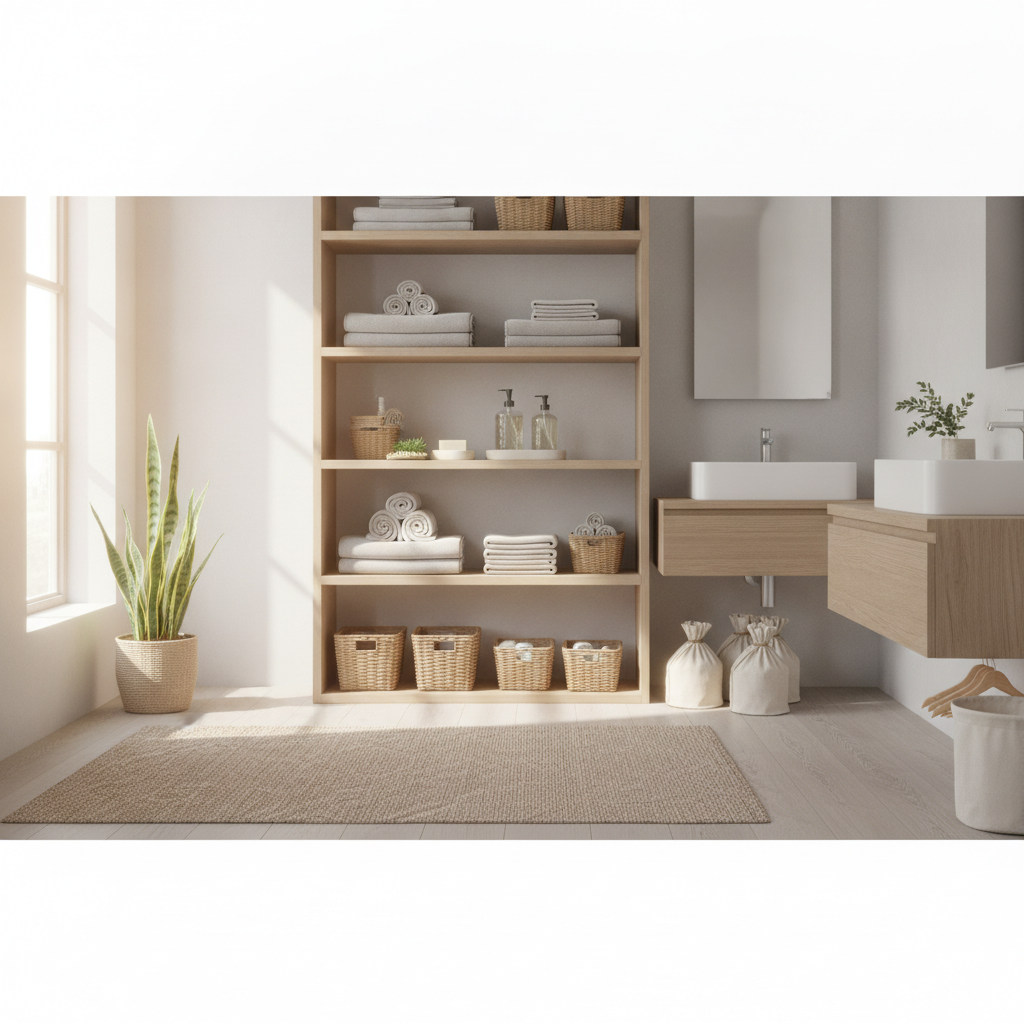
Smart Strategies for a Seamlessly Organized Bathroom Space
Transform your bathroom from cluttered chaos to a serene, functional space. Discover practical methods for organizing toiletries, linens, and cleaning supplies, enhancing daily routines and maintaining a tidy environment with ease.
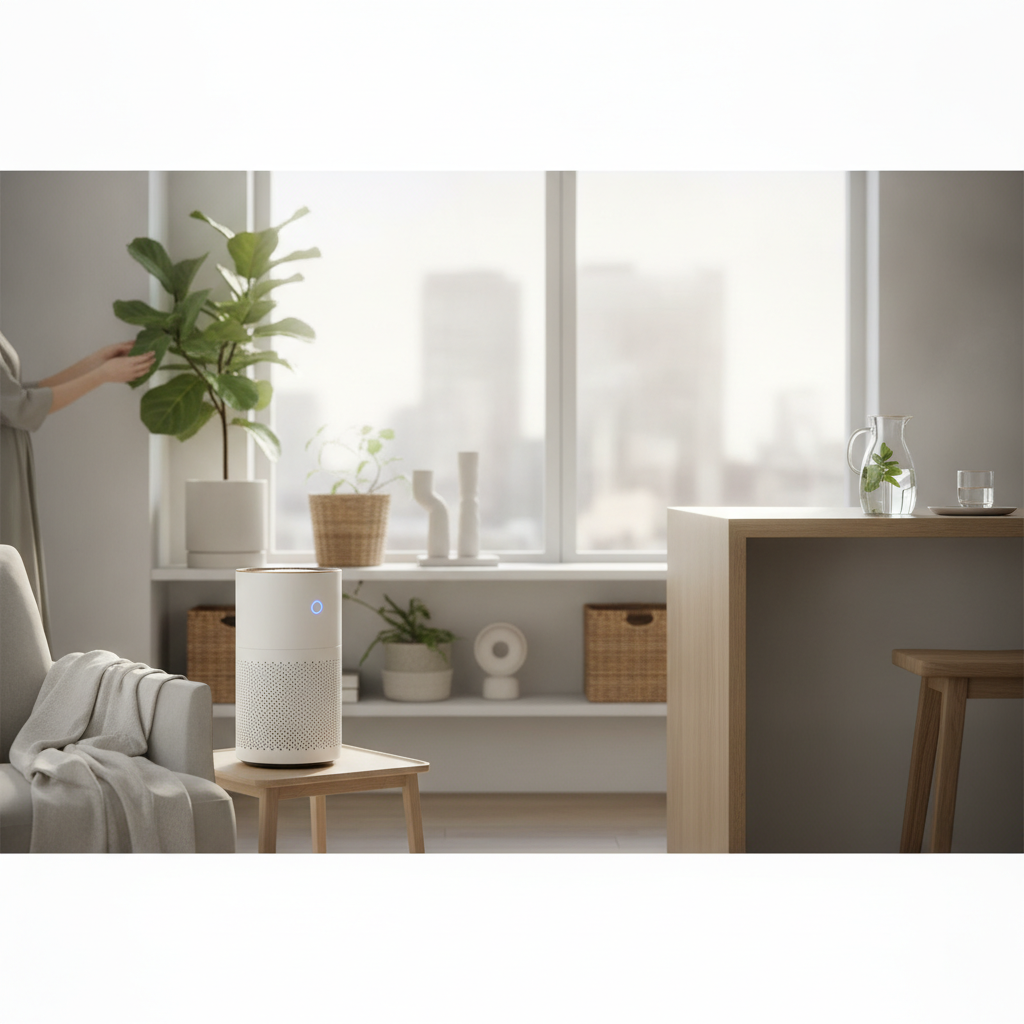
Selecting and Using Efficient Air Purifiers for Improved Indoor Air Quality
Discover how air purifiers can significantly enhance your home's indoor air quality. Learn about common pollutants, essential filtration technologies, and key factors for choosing the right device to create a healthier living environment.
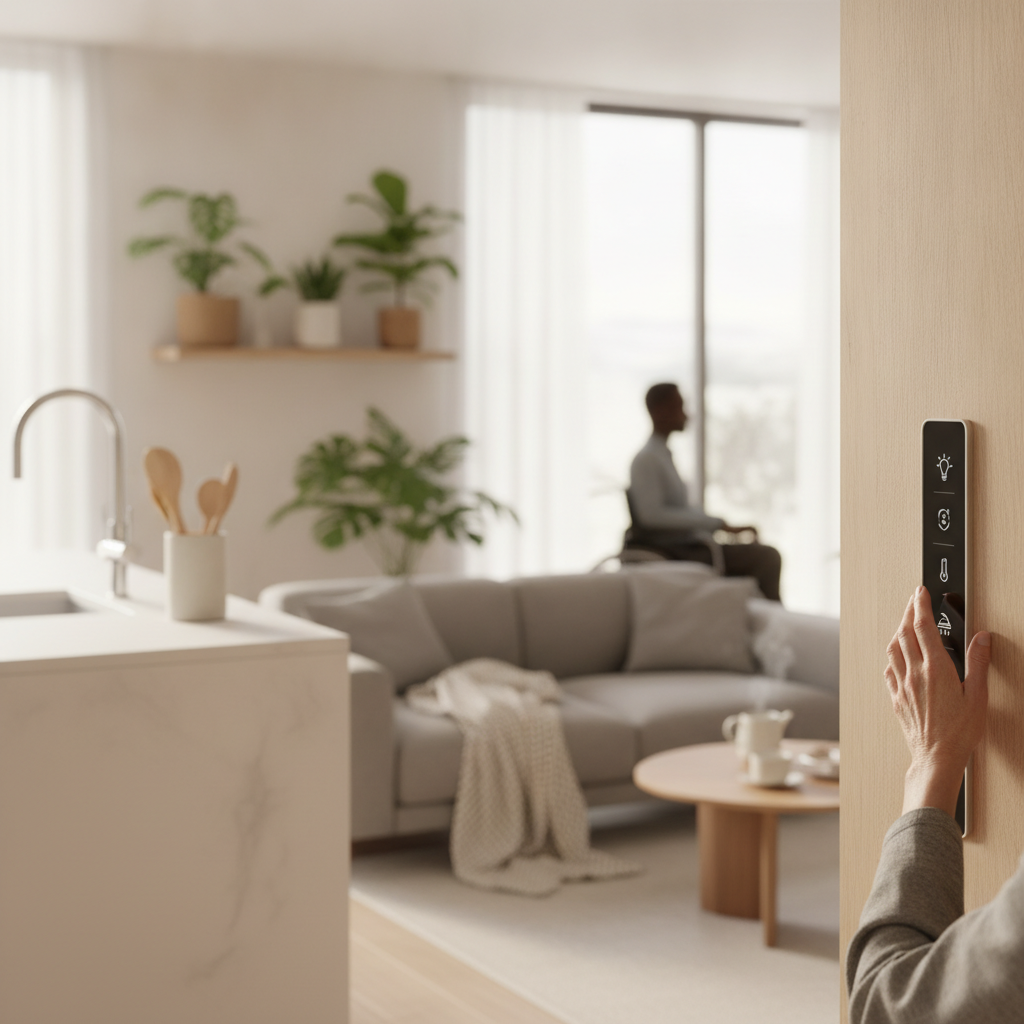
Smart Home Solutions for Enhanced Accessibility and Independent Living
Discover how smart home technology can significantly enhance accessibility and foster independent living for individuals of all abilities. Explore practical solutions for greater comfort, safety, and convenience in your daily routines.

Mastering Stain Removal: A Guide to Restoring Household Fabrics and Surfaces
Discover practical strategies for tackling common household stains on various fabrics and surfaces. This comprehensive guide provides actionable advice to help maintain the cleanliness and appearance of your home effectively.